Quick Navigation
- The First Impression: Delicate, Starry, and Oh-So-Fragrant
- Breaking It Down: A Flower Part by Part
- It's Not Just About the Flowers: Leaves and Growth Habit
- Not All Jasmines Are Created Equal: A Visual Comparison
- Jasmine Look-Alikes: Don't Be Fooled!
- Bringing Jasmine Home: What to Look For When Buying
- Caring for the Look: Keeping Your Jasmine Picture-Perfect
- Your Jasmine Questions, Answered (The Stuff You Actually Search For)
You've probably heard the name, maybe even caught a whiff of that legendary scent on a warm evening. But if someone asked you right now to describe a jasmine flower in detail, could you? Most people just think "small, white, and smells good." There's so much more to it. I remember the first time I really looked at one, not just glanced, but actually looked. It was in my grandmother's garden, and I was surprised by how intricate it was. This guide is for anyone who's ever typed "what does a jasmine flower look like" into a search bar, hoping for more than a stock photo and a one-line description. We're going deep.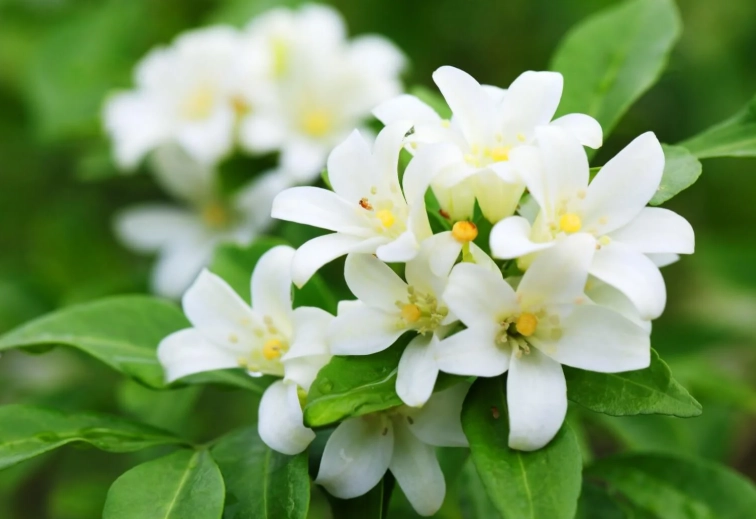
Let's be honest, a lot of plant descriptions out there are dry. They read like a botanical textbook. I want this to feel like we're walking through a garden together, pointing things out. I'll share some of my own hits and misses with growing jasmine too—because not every plant I've touched has thrived, believe me.
The First Impression: Delicate, Starry, and Oh-So-Fragrant
At first glance, a jasmine flower is the definition of delicate elegance. We're not talking about a big, blowsy rose or a bold sunflower. Jasmine is subtle. It commands attention through fragrance first, beauty second. The classic image—and the one most commonly associated with the name—is the Common Jasmine or Jasminum officinale. Its flowers are the poster child for the genus.
Picture this: a cluster of small, pristine white flowers, each one about an inch across at most. They seem to float amidst a sea of dark green leaves. They have a way of catching the light, looking almost waxy or sometimes softly velvety, depending on the species. They're not flashy, but there's a quiet confidence to them. If you're trying to figure out what does a jasmine plant look like in full bloom, imagine a green shrub or vine generously sprinkled with these little white stars.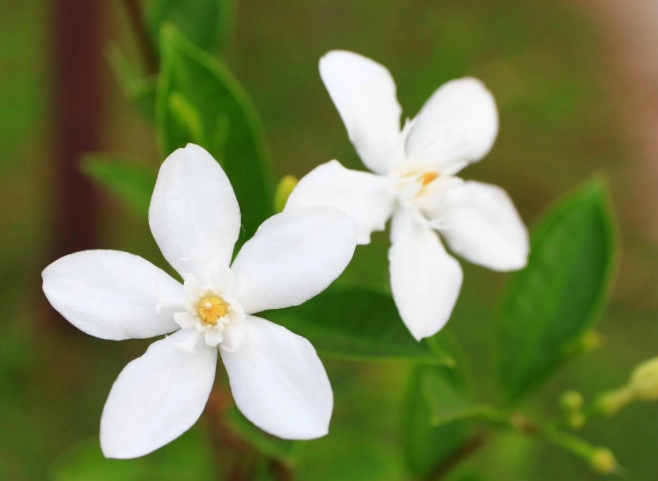
Breaking It Down: A Flower Part by Part
Okay, let's get our imaginary magnifying glass out. To truly understand what a jasmine flower looks like, we need to dissect it (not literally, don't worry).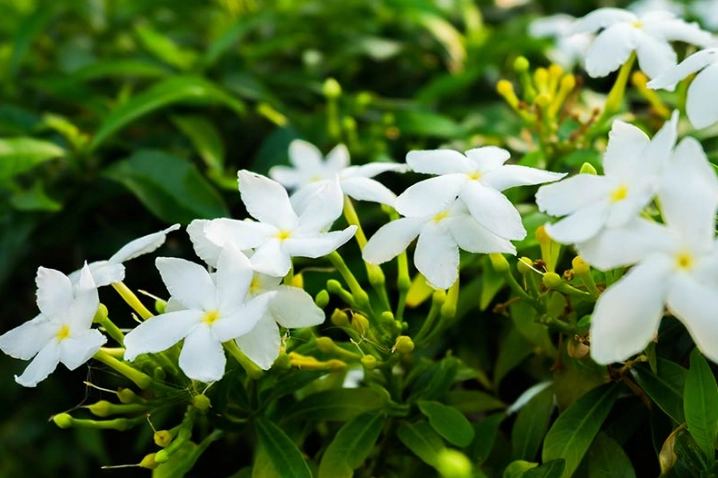
The Petals: More Than Just White Lobes
This is where the "star" shape comes from. A typical jasmine flower has between 5 to 9 petals, but 5 is the most common number. They're not separate petals in the way a rose has them; they're fused at the base to form a tube (more on that in a second), and then they flare out into distinct lobes at the end. These lobes are what we casually call the petals.
They're thin, almost tissue-paper delicate in some varieties. The color? It's rarely just plain white. It's often a pure, creamy white, but can have the faintest blush of pink at the base, especially in buds. Some species, like the Jasminum sambac (Arabian Jasmine, used for making tea), have petals that are thicker and waxier. Their white is more opaque. I've found that the petals of my Jasminum officinale are more prone to browning quickly after rain compared to the sambac, which seems tougher.
You see those "petals"? They're actually lobes. The magic happens deeper.
The Corolla Tube: The Secret Highway for Fragrance
This is a part most people miss, but it's crucial. Look at the back of the flower. See how the base of all those white petals comes together into a slender, long tube? That's the corolla tube. It can be half an inch to over an inch long, and it's usually a pale green or yellowish color.
This tube isn't just for show. It's like a natural straw leading down to the nectar. This long, narrow passage is a big reason why jasmine's scent is so concentrated and powerful. It forces pollinators to really get in there, ensuring good pollen transfer. When you're trying to identify a true jasmine, look for this tube. Many fake "jasmines" (like Star Jasmine, which isn't a true jasmine at all) lack it.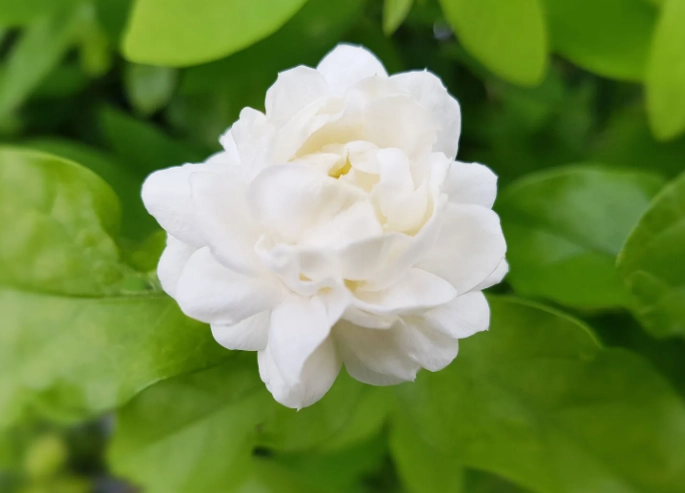
The Center: Stamens and Pistil
Peer into the mouth of the flower, past the petals. You'll usually see two very short, delicate stamens (the male pollen-producing parts) tucked neatly inside the corolla tube or just peeking out. They're often tipped with tiny yellow or cream-colored anthers. In the very center sits the pistil (the female part), which will develop into a small, dark berry if pollinated—though many garden varieties rarely set fruit.
The Calyx and Buds: The Promise of What's to Come
Before the flower opens, it's encased in a green, often hairy, little sheath called the calyx. The buds themselves are tiny, elongated, and pointed. They often cluster at the ends of branches or in the leaf axils (where the leaf meets the stem). Watching the buds swell and then suddenly burst open on a summer evening is one of the great pleasures of growing jasmine.
It's Not Just About the Flowers: Leaves and Growth Habit
If you're asking "what does a jasmine plant look like," you can't ignore the rest of the plant. The foliage provides the perfect backdrop for those luminous flowers.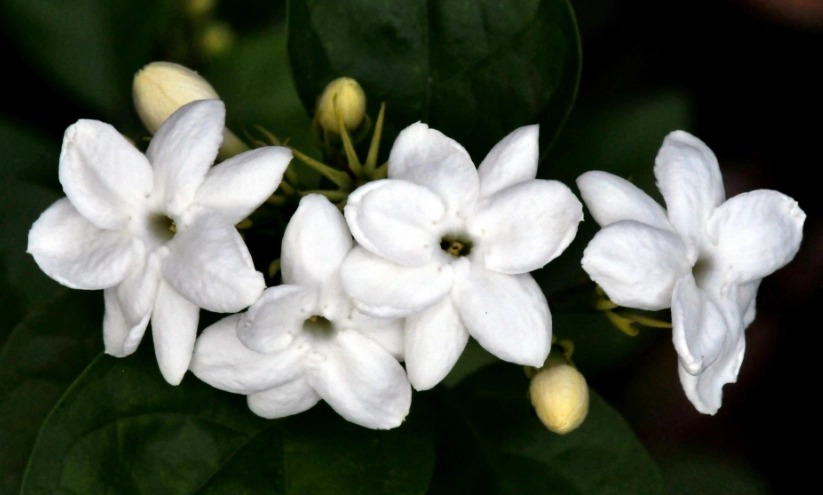
The leaves are typically opposite each other on the stem (meaning they grow in pairs). They're pinnate, which is a fancy way of saying each leaf is made up of multiple smaller leaflets arranged along a central stalk, like a feather. Common Jasmine (J. officinale) usually has 5 to 9 leaflets per leaf. They're a vibrant, medium to dark green on top, sometimes a slightly lighter green underneath. The texture is smooth, with a prominent central vein.
Now, the plant's shape. This is a key identifier. True jasmines from the Jasminum genus are generally vines or scrambling shrubs. They want to climb. They send out long, slender, green stems that will twine around anything they can find—a trellis, a fence, an archway. If left unsupported, they'll form a messy, sprawling mound. This vining habit is different from, say, a bush lilac, and it immediately tells you a lot about the plant's needs and potential in your garden.
Not All Jasmines Are Created Equal: A Visual Comparison
Here's where things get interesting. "Jasmine" isn't just one thing. There are over 200 species, and they don't all look identical. Knowing these differences can save you from buying the wrong plant for your needs. Let's clear up the confusion with a handy table.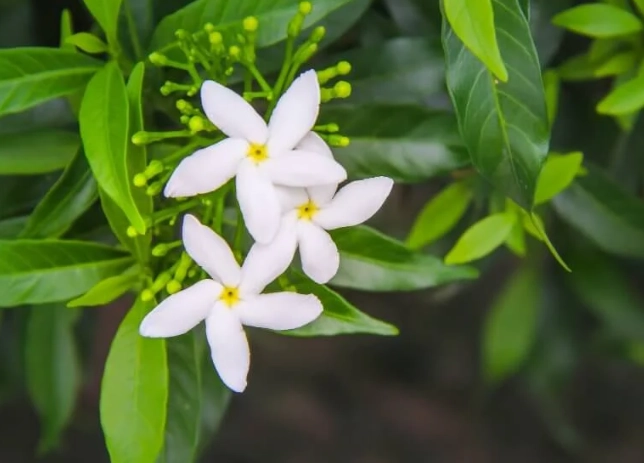
| Jasmine Variety (Species) | What Its Flowers Look Like (Key Features) | Leaf Appearance | Fragrance & Notes |
|---|---|---|---|
| Common Jasmine (Jasminum officinale) | The classic. White, 5-petaled, about 1" wide, long slender corolla tube. Blooms in clusters. | Pinnate with 5-9 bright green leaflets. Deciduous in cold climates. | Intensely sweet, classic jasmine fragrance. Blooms summer to early autumn. The gold standard for scent. |
| Arabian Jasmine (Jasminum sambac) | Flowers can be single or double-petaled (like a tiny rose). Waxy, thick petals. Often used for leis and tea. | Simple, oval, glossy, and evergreen. Darker green than Common Jasmine. | Rich, heavy, sweet fragrance. Blooms repeatedly. Less cold-hardy. This is the one in your jasmine tea. |
| Winter Jasmine (Jasminum nudiflorum) | Bright, butter-yellow flowers. 6-petaled, but smaller and with a much shorter tube. Appears on bare stems. | Small, trifoliate (3 leaflets), dark green. Deciduous. | Virtually no scent. Its claim to fame is blooming in late winter/early spring when nothing else does. |
| Italian Jasmine (Jasminum humile) | Clusters of bright yellow, funnel-shaped flowers. Looks like a small, shrubby version of Winter Jasmine. | Pinnate with 3-7 leaflets, evergreen to semi-evergreen. | Mild, pleasant fragrance. More of a bushy shrub than a vigorous vine. |
| Angel Wing Jasmine (Jasminum nitidum) | Larger flowers (up to 2"). Glossy, pinwheel-shaped white petals with a stunning purple-pink underside. | Glossy, simple, oval leaves. Very lush appearance. | Strong, sweet fragrance. A real show-stopper, often grown as a houseplant or in very warm climates. |
See? If you were only looking for a white flower, the yellow Winter Jasmine would throw you off. And if you bought Winter Jasmine for its scent, you'd be deeply disappointed. This is the kind of practical info that answers the real question behind "what does a jasmine look like"—which is often "what does the jasmine *I want* look like?"
Jasmine Look-Alikes: Don't Be Fooled!
This is a huge source of confusion. Many plants have "jasmine" in their common name but are botanically unrelated. They've stolen the name because of similar-looking flowers or a comparable scent.
The biggest imposter is Star Jasmine (Trachelospermum jasminoides). I get it—it's gorgeous. It has clusters of white, pinwheel-shaped flowers that smell amazing. But look closely: its petals are not fused into a long tube. It has simple, opposite, dark green leaves (not compound). It's an evergreen vine, but it's not a Jasminum. It's tougher in colder climates, which is why it's so popular. Great plant, wrong family.
Another is Night-blooming Jasmine (Cestrum nocturnum). Its greenish-white flowers are tubular but in big clusters, and the plant is a large, gangly shrub with simple leaves. The scent is overpoweringly sweet at night. Again, not a true jasmine.
The corolla tube and the compound leaves are your cheat sheet to spotting the real deal.
Bringing Jasmine Home: What to Look For When Buying
So you're sold. You want a jasmine. You walk into a nursery or browse online—how do you pick a good one? What does a healthy jasmine plant look like?
- Foliage First: The leaves should be a healthy green, not yellowing or covered in spots. Avoid plants with lots of dry, crispy leaves at the bottom.
- Check for Pests: Turn over a few leaves. Look for tiny webs (spider mites), sticky residue (aphids), or little white flies. These guys love jasmine, especially indoors.
- Growth Habit: It should look vigorous but not pot-bound. If you see a dense mat of roots circling the bottom of the pot, it's been in there too long.
- Bud Power: Ideally, choose a plant with lots of plump, green buds rather than one in full, glorious bloom. It will transition to your garden or home better and give you a longer show.
Caring for the Look: Keeping Your Jasmine Picture-Perfect
You've got your plant. How do you keep it looking (and smelling) its best? This isn't just generic care; it's about preserving that specific appearance we've been talking about.
Light is Non-Negotiable: Jasmine needs bright light to produce those abundant flowers. At least 4-6 hours of direct sun. Less light = leggy growth, sparse leaves, and few to no flowers. I tried one in a partly shaded spot, and it just sulked, becoming a sad, green vine with maybe three flowers all summer.
The Watering Tightrope: They like consistent moisture but hate soggy feet. Let the top inch of soil dry out, then water deeply. Yellow leaves often mean too much water. Crispy brown leaves mean not enough. It's a balancing act.
Feeding for Flowers: To support all that blooming, use a fertilizer higher in phosphorus (the middle number on the fertilizer box). A balanced, slow-release fertilizer in spring works well. Overdoing it with high-nitrogen fertilizer will give you a giant green bush with no scent.
Pruning for Shape and Blooms: Jasmine flowers on new growth. Prune right after the main flowering flush ends. Don't be scared to cut back those long vines by a third or even half. It encourages bushier growth and more flowering points for next year. If you don't prune, you'll end up with a tangled mess with flowers only at the very ends of long, bare stems.
Your Jasmine Questions, Answered (The Stuff You Actually Search For)
So, what does a jasmine flower look like? It's not just a simple white blob. It's a marvel of botanical engineering: a long-tubed, star-shaped beacon designed to broadcast an unforgettable fragrance and attract the precise pollinators it needs. It's the delicate contrast of white on green, the surprise of a yellow winter bloom, or the waxy perfection of a flower bound for your teacup.
The next time you see one, you'll see all of this. You'll know to look for the tube, to check the leaves, to appreciate the vine. And hopefully, you'll have the confidence to grow one yourself, knowing exactly what to expect from this beautiful, fragrant, and fascinating plant.