What’s Inside
- First Things First: What Exactly Is a Spurge?
- The Main Categories of Spurge Types
- How to Tell Your Spurge Types Apart: A Quick ID Guide
- Caring for the Ornamental Spurges in Your Garden
- Dealing with Unwanted Spurge Types: Control Strategies
- Frequently Asked Questions About Spurge Types
- Wrapping It Up: A World in One Genus
Let's be honest. The word "spurge" probably doesn't conjure up images of stunning garden specimens for most people. If you're like me, you might have first encountered it as a tenacious, low-growing weed laughing at your attempts to pull it from a sidewalk crack. That sticky, milky sap? Not fun. But here's the thing I learned the hard way: lumping all spurge types together is a massive mistake. It's like calling every dog a poodle. The world of spurges, or plants in the genus *Euphorbia*, is absurdly vast and surprisingly contradictory.
We're talking about over 2,000 species here. Some are coveted, architectural gems for the drought-tolerant garden. Others are the bane of a landscaper's existence, spreading with what seems like malicious intent. My own journey with these plants started with frustration (that darn weed) and evolved into fascination. I killed a beautiful *Euphorbia characias* by overwatering it, thinking it needed more love. It did not. Lesson learned.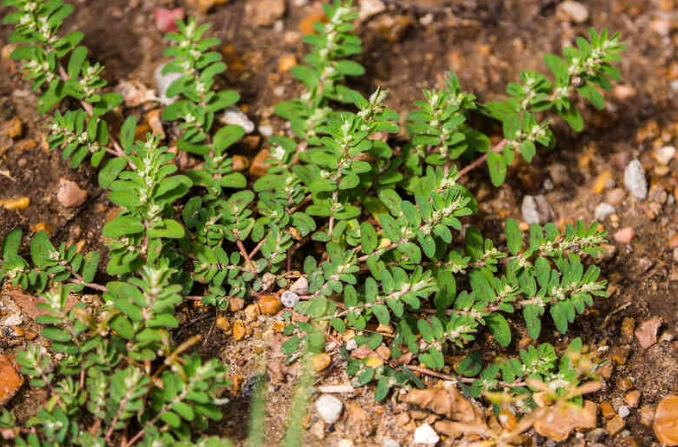
So, whether you're trying to identify an unwelcome guest in your lawn, select a stunning perennial for a sunny border, or simply understand this complex group of plants, you've come to the right place. This guide will untangle the confusing web of spurge plant types, giving you the clear, practical knowledge you need. No botanical jargon overload, I promise. Just straight talk from one plant enthusiast to another.
The Big Picture: All spurges share a few key family traits: that milky, latex sap (which can be a skin irritant, so wear gloves!), often unique flower structures called cyathia, and a generally tough, resilient disposition. But beyond that, the differences are staggering.
First Things First: What Exactly Is a Spurge?
Before we dive into the different types of spurge, let's clear up a common point of confusion. "Spurge" almost always refers to plants in the enormous genus *Euphorbia*. This is a crucial point for your googling or plant tag reading. You'll see the names used interchangeably. The poinsettia (*Euphorbia pulcherrima*)? That's a spurge. The pencil cactus (*Euphorbia tirucalli*)? Also a spurge. The low-growing, mat-forming weed (*Euphorbia maculata*)? You guessed it.
It's not to be confused with "sea spurge" or "leafy spurge" which are specific common names for particular weedy species. When we talk about spurge types, we're talking about the full spectrum of the *Euphorbia* genus. This family is so diverse it includes everything from tiny annual herbs to massive, tree-like succulents.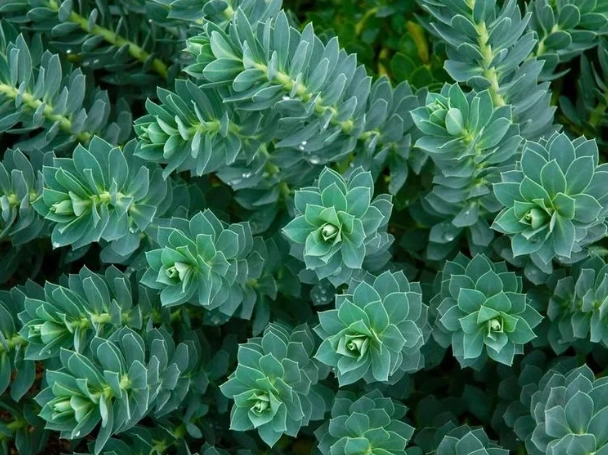
Why does this matter? Because understanding this genetic link helps you predict care and behavior. Most crave good drainage. Most are drought-tolerant once established. And you should always, always be cautious with that sap.
The Main Categories of Spurge Types
To make sense of the chaos, I find it helpful to split them into three broad buckets based on how we typically interact with them. This isn't a strict botanical classification, but a practical one for gardeners and homeowners.
1. The Ornamental Superstars (The Good)
These are the spurges you deliberately buy and plant. They offer incredible structure, long-lasting color (often from showy bracts, not flowers), and are generally low-maintenance. If you're into xeriscaping or just want plants that don't fuss, this group is gold.
My top picks for the garden:
- Euphorbia characias (Mediterranean Spurge): This is the architectural one. Forms big, dome-shaped clumps of blue-green foliage with huge, cylindrical flower heads in spring. Subspecies like 'Tasmanian Tiger' have gorgeous variegated leaves. It can get quite large (3-4 feet tall and wide), so give it space.
- Euphorbia polychroma (Cushion Spurge): A perfect perennial for the front of the border. It forms a neat, rounded mound that turns a brilliant, glowing yellow in spring. It's like a spot of sunshine. Dies back cleanly in winter.
- Euphorbia amygdaloides (Wood Spurge): Prefers a bit more shade than its cousins. Varieties like 'Purpurea' have deep purple foliage, and 'Robbiae' is an incredibly tough, fast-spreading groundcover for dry shade—a real problem solver.
- Euphorbia milii (Crown of Thorns): A popular houseplant in cooler climates, with thick, spiny stems and bright red or pink bracts that appear almost year-round. It thrives on neglect. Really.
The care for these ornamental spurge types is straightforward: full sun to part shade (check the specific variety), well-draining soil is non-negotiable, and go easy on the water and fertilizer. They hate wet feet. My overwatering mishap is a testament to that.
2. The Invasive & Weedy Troublemakers (The Bad & The Ugly)
Ah, the reason "spurge" gets a bad name. These are the annual or perennial types that seed or spread aggressively into lawns, gardens, and natural areas. They're masters of survival.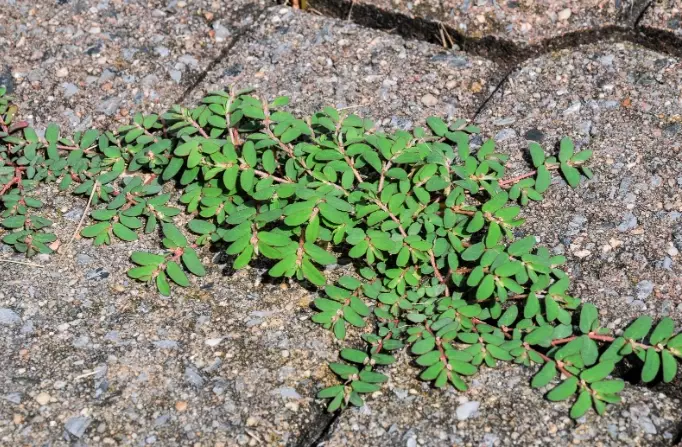
Heads Up: The sap from these weedy spurges can be particularly irritating to skin and eyes, and is toxic if ingested by pets or humans. Always wear gloves when handling them.
Here are the usual suspects you're likely battling:
| Common Name | Scientific Name | Key Identifiers | Why It's a Problem |
|---|---|---|---|
| Prostrate Spurge | Euphorbia humistrata / prostrata | Forms a flat mat. Reddish stems. Small, opposite leaves with often a reddish spot. Classic sidewalk crack invader. | Germinates in bare soil, spreads rapidly, smothers desirable plants. |
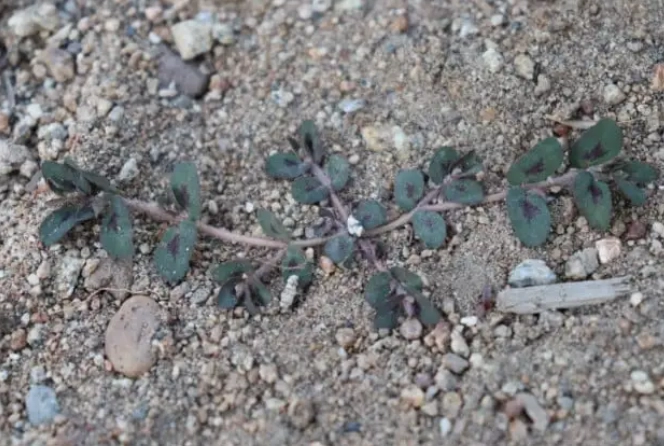
| Spotted Spurge | Euphorbia maculata | Very similar to prostrate spurge, but leaves usually have a distinctive maroon "spot" in the center. | Extremely common lawn and garden weed. One plant can produce thousands of seeds. |
| Leafy Spurge | Euphorbia esula | Taller perennial (up to 3 ft). Narrow, blue-green leaves. Yellow-green flower bracts. | Major invasive species in pastures and natural areas. Spreads by deep roots and seeds, outcompeting native flora. A serious agricultural pest. |
| Cypress Spurge | Euphorbia cyparissias | Feathery, cypress-like foliage. Turns orange-red in fall. Can look deceptively pretty. | Aggressive spreader via underground rhizomes. Can quickly form large, monoculture colonies. |
Dealing with these requires persistence. For annual types like prostrate and spotted spurge, prevention is key—use mulch to block seeds from germinating. Pull them before they set seed (bag and trash them, don't compost). For perennial monsters like leafy spurge, it often requires repeated digging, cutting, and sometimes approved herbicides. The National Invasive Species Information Center is a sobering resource on how bad some of these spurge types can get ecologically.
3. The Succulent & Bizarre Specimens (The Fascinating)
This is where the *Euphorbia* genus gets really wild. Many desert-dwelling spurge types have evolved to look almost identical to cacti (a great example of convergent evolution). They're popular with collectors of unusual succulents.
- Euphorbia trigona (African Milk Tree): Looks like a tall, branching cactus with ridges and thorns. A fast-growing, dramatic houseplant.
- Euphorbia obesa (Baseball Plant): A nearly spherical, ribbed succulent that looks like a living stone. It's a protected species in the wild but propagated for collectors.
- Euphorbia tirucalli (Pencil Cactus or Firestick): Composed of masses of slender, pencil-like green branches. The cultivar 'Sticks on Fire' turns bright orange-red at the tips with sun exposure. Stunning, but the sap is notoriously caustic.
Care for these is classic succulent care: maximum sun, gritty soil that drains in seconds, and very infrequent watering, especially in winter. They are not frost-tolerant.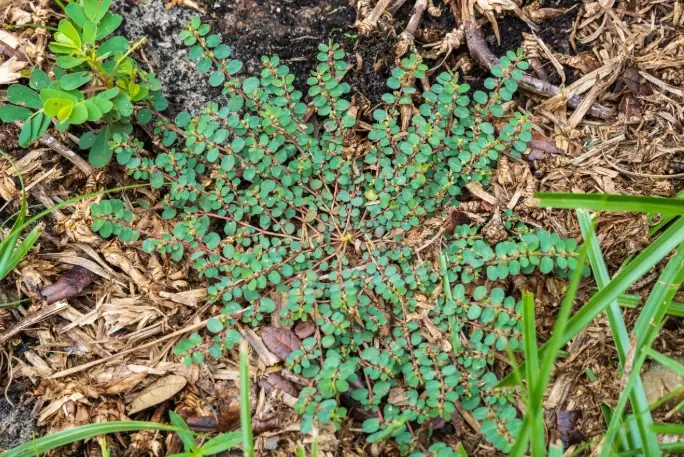
How to Tell Your Spurge Types Apart: A Quick ID Guide
So you've found a plant and you think it's a spurge. How do you narrow it down? Follow this simple checklist.
Step 1: The Sap Test (Carefully!) Break a small stem or leaf. Does it exude a milky white latex? If yes, you're very likely in the *Euphorbia* family. Wash your hands immediately after.
Step 2: Look at the Growth Habit. Is it a flat mat on the ground (annual weed)? A upright, shrubby perennial in a garden bed (ornamental)? A tall, tree-like succulent (collector's plant)?
Step 3: Examine the Leaves and Stems. Are the leaves tiny and opposite (weedy types)? Large, blue-green, and spiraled (E. characias)? Almost non-existent, replaced by green stems (succulent types)?
Step 4: Consider the Location. Is it in a meticulously curated rock garden (likely ornamental)? Invading your vegetable patch (likely a weedy annual)? Sold in a fancy pot at a boutique nursery (likely a succulent specimen)?
For tricky IDs, don't guess. Use a good plant ID app or consult resources like the Missouri Botanical Garden's Plant Finder, which has detailed profiles on countless cultivated euphorbia varieties.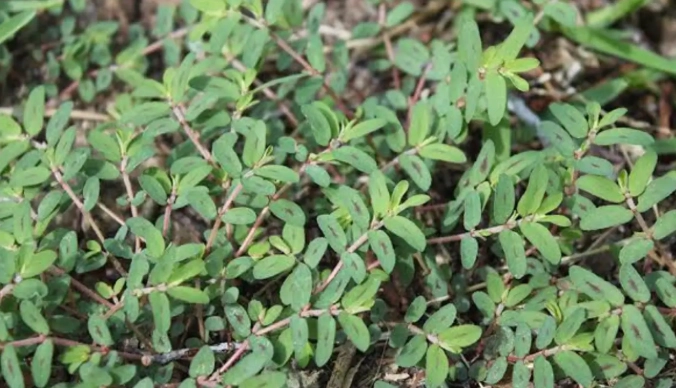
The diversity of spurge types is a perfect lesson in not judging a plant by its family name. One genus can contain both a cherished Christmas decoration and a federally listed noxious weed.
Caring for the Ornamental Spurges in Your Garden
You've fallen for the beauty of a cushion spurge or the drama of a Mediterranean spurge. Great choice. Here's how to keep it happy, based on my own successes and failures.
Planting: The single most important step. Choose a site with excellent drainage. If your soil is heavy clay, you must amend it with gravel, grit, or coarse sand, or better yet, plant on a slope or in a raised bed. Full sun is best for most, but some (like wood spurge) tolerate partial shade.
Watering: Water deeply to establish the first season, then back off. These are drought-tolerant plants. The quickest way to kill one is to keep its roots soggy. In my wet winter climate, I lost a beautiful *E. characias* not to cold, but to cold, wet soil. Now I always plant them on a gravel mound.
Pruning: This is where people get nervous. For shrubby types like *E. characias*, you can cut the flowering stems back to the base after the show is over. Often, new shoots will emerge from the base. For *E. polychroma*, you can just cut the whole plant back to the ground in late fall or early spring—it regrows from the roots. Always wear gloves and long sleeves when pruning to avoid sap contact.
Fertilizing: Don't bother. Really. They thrive in lean soil. A top dressing of compost in spring is more than enough.
What about problems? Thankfully, pests and diseases are rare. Deer and rabbits usually leave them alone (that sap is a deterrent). Occasionally aphids might appear on new growth—a strong blast of water usually dislodges them.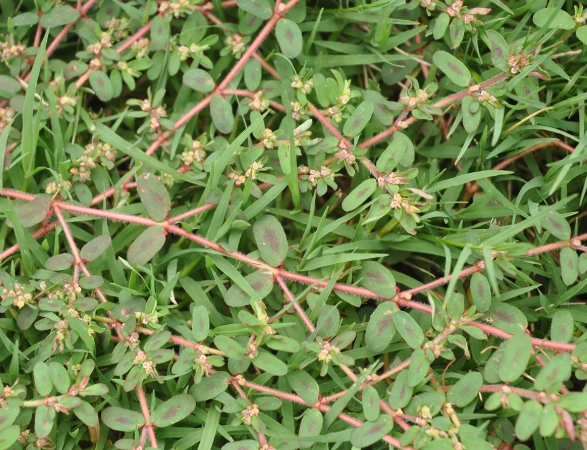
Dealing with Unwanted Spurge Types: Control Strategies
Let's talk about the weeds. If you have prostrate or spotted spurge in your lawn or garden, here's your action plan.
For Lawns: The best defense is a thick, healthy lawn. These spurges are opportunists that colonize thin, weak turf. Regular mowing at the proper height, core aeration, and appropriate fertilization will help your grass outcompete them. For existing patches, hand-pulling is effective if you get the whole taproot (easier when the soil is moist). There are also post-emergent herbicides labeled for broadleaf weeds in lawns that are effective, but always spot-treat and follow label instructions to the letter.
For Garden Beds & Pathways: Mulch, mulch, mulch! A 2-3 inch layer of organic mulch (wood chips, bark) will prevent most of the annual spurge seeds from germinating. For plants that do pop up, pull them immediately—don't let them go to seed. A hoe works well for scraping them off the soil surface in pathways. For persistent perennial types like cypress spurge, you may need to diligently dig out all the rhizome fragments, which is a chore. Smothering with heavy-duty landscape fabric for a full growing season can also work.
For large-scale invasions of noxious types of spurge weeds like leafy spurge, biological controls (like specific flea beetles) have been used with some success. This is a job for professionals and agencies like your local county extension office or the US Department of Agriculture. Don't try to tackle a major infestation alone.
Frequently Asked Questions About Spurge Types
Wrapping It Up: A World in One Genus
From the dazzling spring display of a cushion spurge to the relentless crawl of a prostrate weed, the spectrum of spurge types is a fascinating study in plant adaptation. The takeaway isn't to fear or worship the entire group, but to learn to see the differences.
Identify the invaders and deal with them promptly and safely. Embrace the ornamentals for their sculptural beauty and incredible toughness. And marvel at the succulent forms that push the boundaries of what a plant can look like. Understanding these different types of spurge plants empowers you to make better choices in the garden, whether you're cultivating beauty or declaring war on a weed.
My own garden now has a proud, well-drained spot for a *Euphorbia 'Blackbird'* with deep purple foliage. And I'm much quicker to spot and pull any suspicious mat-forming seedlings in the veggie patch. Knowledge, as they say, is power. And in this case, it also leads to a more beautiful, less weedy garden.
Reader Comments