In This Guide
So you brought home a calla lily, or you're thinking about it. Those sleek, sculptural blooms are hard to resist. They look sophisticated, almost too perfect to be real. But then the questions start. Is it hard to care for? Will it bloom again? Why are the leaves turning yellow already?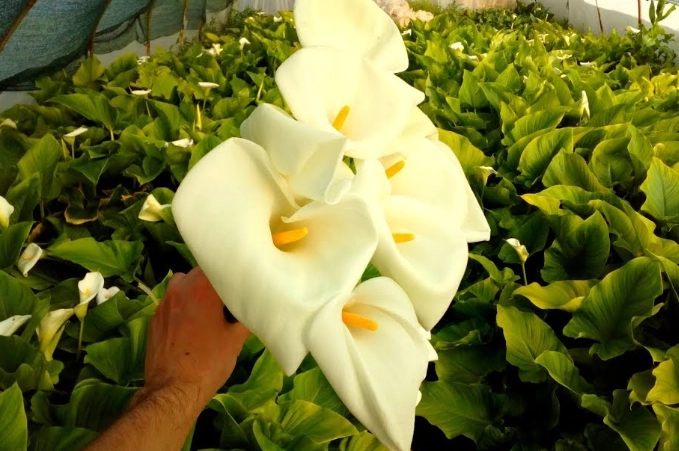
I get it. I've killed my share of plants, calla lilies included. I used to think they were just fancy, one-time-only florist flowers. Turns out, I was doing almost everything wrong. The good news? Calla lily care isn't as mysterious as it seems. Once you understand what they actually want—which is different from a lot of common houseplants—they become pretty reliable performers.
This guide is everything I wish I'd known from the start. We're going to move beyond the basic "water me" tag and dig into the real stuff. From the moment you get one, through the seasons, and even how to save it when things go sideways.
Quick Reality Check: First, let's clear something up. What we commonly call a calla lily (Zantedeschia) isn't a true lily. It's from the Araceae family, related to peace lilies and philodendrons. This fact actually explains a lot about its care needs. The "flower" is actually a specialized leaf (a spathe) wrapped around the real, tiny flowers (the spadix). Knowing this makes you look at the plant differently, doesn't it?
The Absolute Basics: What Your Calla Lily Wants Day-to-Day
Think of this as the foundation. Get these five things right, and you've won 80% of the calla lily care battle.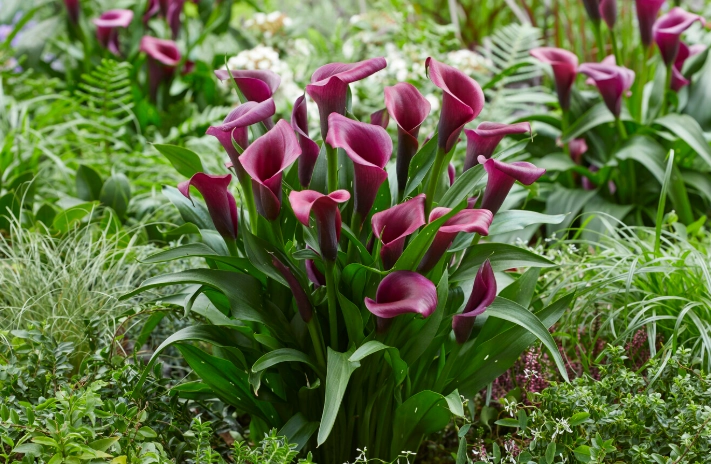
Light: The Biggest Make-or-Break Factor
This is where most people stumble. Calla lilies are light-hungry. Not cactus-on-a-south-windowsill level, but strong, bright, indirect light is non-negotiable for good growth and, crucially, for blooms.
A north-facing window? Probably too dim. Right next to a hot south window? The leaves might scorch. An east or west-facing window is often the sweet spot. If you only have lower light, the plant might survive, but it will get leggy and likely refuse to flower. I made this mistake for years—wondering why my lush green plant never produced a single bloom. Light was the answer.
Watering: The Delicate Dance
Ah, watering. The most common calla lily care question. The rule is simple to state, tricky to master: keep the soil consistently moist but never soggy. They hate wet feet. Think of a well-wrung sponge.
Classic Mistake Alert: The #1 killer of potted calla lilies is overwatering leading to rhizome (that bulb-like root) rot. If the pot sits in a saucer of water, you're asking for trouble. Always empty the drainage saucer after watering.
During active growth and flowering, they're thirstier. In winter, when they're dormant (more on that later), you barely water at all. Stick your finger an inch into the soil. If it's dry, water thoroughly until it runs out the bottom. If it's still damp, wait.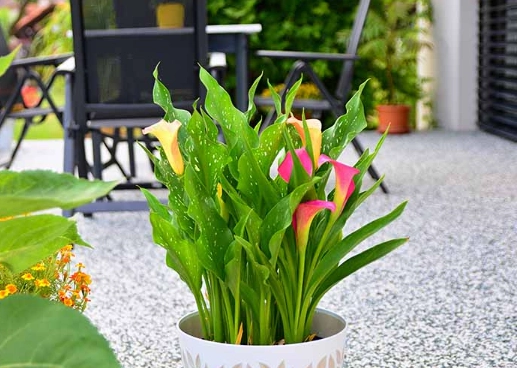
Soil and Potting: Building the Right Home
Drainage, drainage, drainage. A heavy, water-retentive garden soil is a death sentence in a pot. Use a high-quality, well-draining potting mix. Many gardeners swear by mixing in some perlite or orchid bark to really boost aeration around those sensitive rhizomes.
Pot choice matters, too. Terracotta pots are fantastic because they wick away excess moisture. Ensure whatever pot you use has excellent drainage holes.
Temperature and Humidity
They like it comfortably warm—room temperatures between 65-75°F (18-24°C) are ideal. They don't appreciate cold drafts or blasts of hot air from heaters. Average household humidity is usually fine, but if your air is very dry, a pebble tray or occasional misting can help. Brown leaf tips are often a sign the air is too dry.
Feeding: The Fuel for Flowers
To get those spectacular blooms, they need food. A balanced, water-soluble fertilizer (look for something like a 10-10-10 or 20-20-20) applied every two weeks during the spring and summer growing season works wonders. Some people prefer a bloom-booster fertilizer (higher in phosphorus) once flower buds appear. In fall and winter, stop fertilizing completely.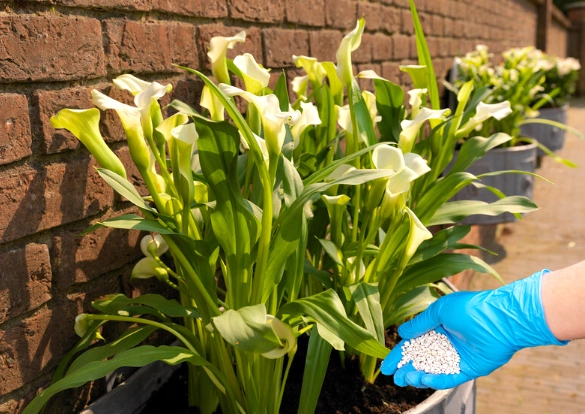
See? The core of calla lily plant care isn't a list of impossible tasks. It's about understanding their preferences. It's like getting to know a friend's quirks.
Beyond the Basics: The Seasonal Cycle and Advanced Care
This is what separates those who keep a calla lily alive for a season from those who have them reblooming year after year. Calla lilies have a natural life cycle, and working with it, not against it, is the key.
Potting vs. Planting in the Garden
Your approach changes based on where it lives.
In Pots (Indoors or Out): This gives you maximum control. You can move it to follow the light, protect it from bad weather, and most importantly, manage its dormancy. This is my preferred method for growing calla lilies in anything but the warmest climates.
In the Garden Bed: This can work beautifully if you live in a warm climate (USDA zones 8-10). Plant the rhizomes in spring after the danger of frost has passed. They need that same well-draining soil—if you have heavy clay, amend it generously with compost. The challenge in colder zones is getting them through winter, which leads us to...
The Dormancy Period: Don't Panic!
This is the part that surprises and worries new owners. After flowering ends (usually in late summer or fall), your calla lily will start to look… bad. The leaves will yellow and die back. Your first instinct is to water it more or fertilize it. Resist! This is normal. The plant is going dormant, resting.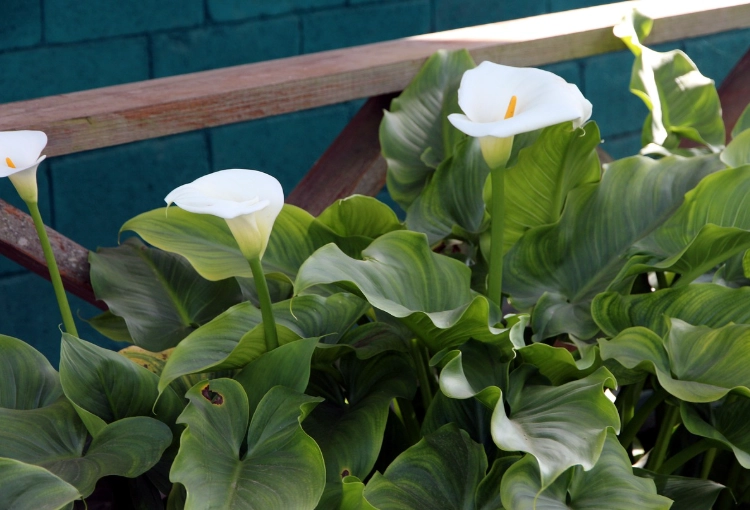
What to do during dormancy: For potted plants, gradually reduce watering as the foliage yellows. Once the leaves are completely dead, stop watering. You can either leave the rhizome in the dry pot and store the whole pot in a cool (55-60°F), dark place like a basement, or dig up the rhizome, clean it, and store it in peat moss or vermiculite. Come spring, repot it, water it, and watch for new growth.
This mandatory rest period is crucial for calla lily winter care and future blooming. Skipping it by trying to keep the plant green year-round will exhaust it.
Dividing and Propagating
After a few years, a healthy rhizome will produce offsets—little baby rhizomes. The best time to divide is when you repot at the end of dormancy. Gently separate the offsets, ensuring each has at least one growth "eye" or node. Pot them up separately. Voilà, free plants!
Troubleshooting: Solving Common Calla Lily Problems
Even with perfect care, things can happen. Here’s a quick diagnostic table for the most common issues.
| Symptom | Likely Cause | How to Fix It |
|---|---|---|
| Yellow Leaves (Overall) | Natural dormancy onset, or chronic overwatering. | If it's fall, it's likely normal. Reduce water. If it's spring/summer, check soil moisture. Let dry out more between waterings. |
| Yellow Leaves (with brown, mushy spots) | Root or rhizome rot from overwatering. | Stop watering. Remove plant from pot, cut away any soft, rotten parts of the rhizome with a sterile knife. Repot in fresh, dry mix. Water very sparingly. |
| Brown Leaf Tips/Edges | Low humidity, fluoride/chlorine in tap water, or salt buildup from fertilizer. | Use distilled/rainwater if possible. Flush soil monthly to remove salts. Increase humidity. |
| No Flowers | Insufficient light, lack of dormancy period, underfeeding, or the plant is too young/small. | Move to brighter light. Ensure it gets a proper winter rest. Fertilize regularly during growth season. Be patient with new divisions. |
| Leggy, Stretched Growth | Not enough light. | This is almost always the cause. Provide brighter indirect light. |
| Flowers Turning Green | Often happens as the spathe ages and starts photosynthesizing. Can also be due to too low light during development. | It's a natural part of the bloom's end. For future flowers, ensure bright light. |
Honestly, seeing that first yellow leaf used to send me into a panic. Now I know it's just the plant talking. It's either saying "I'm tired, let me sleep" or "You're drowning me!" Learning the difference is most of the battle.
Your Calla Lily Care Questions, Answered
Are calla lilies poisonous?
Yes. All parts of the Zantedeschia plant contain calcium oxalate crystals, which are irritating if ingested and can cause mouth and stomach upset. This is a critical piece of calla lily care information for households with pets or small children. The ASPCA lists them as toxic to cats and dogs. Keep them out of reach. It's a shame, because they're so beautiful, but safety first.
Can calla lilies grow indoors year-round?
You can try, but you'll have a much healthier, bloom-happy plant if you allow it to go dormant. Forcing it to grow continuously stresses it. I tried the year-round approach once. The plant became weak, prone to pests, and never bloomed as profusely. Giving it that winter break is like a reset button.
How long do calla lily flowers last?
Each individual bloom can last up to 4-6 weeks on the plant, which is impressively long. As a cut flower in a vase, they can last 1-2 weeks. The key to long vase life is a clean cut and fresh water.
My calla lily is drooping. Is it dying?
Not necessarily! Drooping (wilt) can be a sign of two opposite extremes: underwatering or overwatering. Check the soil. Bone dry? Soak it. Sopping wet? Let it dry out and check for rot. Also, newly repotted or divided plants may droop temporarily from transplant shock.
What's the difference between white and colored calla lilies?
Great question. The classic white calla is usually Zantedeschia aethiopica. It's often larger, more tolerant of moist conditions, and can be semi-evergreen in warm climates. The colored hybrids (pink, yellow, purple, black) come from other species like Z. rehmannii and Z. elliottiana. They tend to have spotted leaves and are generally a bit more finicky, requiring perfect drainage and a strict dormancy. For a deeper dive into the botany, the Missouri Botanical Garden's plant finder is an authoritative resource I often consult.
Putting It All Together: A Seasonal Checklist
Let's simplify this into a quick, actionable roadmap. Think of this as your at-a-glance guide to calla lily care through the year.
Spring (Awakening & Growth)
- Repot/Plant: If stored dormant, repot rhizomes. Plant outdoors after last frost.
- Water: Begin watering lightly as new growth appears, increasing as plant grows.
- Light: Provide brightest indirect light possible.
- Feed: Start fertilizing every 2 weeks.
Summer (Flowering & Peak Growth)
- Water: Keep soil consistently moist. Potted plants may need daily water in heat.
- Deadhead: Remove spent flowers to keep the plant looking tidy.
- Feed: Continue regular fertilization.
- Watch for pests: Aphids or spider mites can appear. Blast them off with water or use insecticidal soap.
Fall (Preparing for Rest)
- Stop Fertilizing: This is crucial.
- Reduce Watering: As leaves yellow, water less and less.
- For Garden Plants in Cold Zones: Dig up rhizomes after first frost blackens foliage.
Winter (Dormancy)
- Storage: For potted plants, stop watering. Store pot in cool/dark place. For dug-up rhizomes, store in peat/vermiculite in a cool, dry spot.
- Check Occasionally: Ensure stored rhizomes aren't shriveling (add a *tiny* bit of moisture to medium if so) or rotting (discard any rotten ones).
- Plan: Browse catalogs for new colors! The Royal Horticultural Society website has excellent inspiration and variety information.
The rhythm becomes second nature after a cycle or two. You start to anticipate what the plant needs next.
Final Thoughts: Embracing the Process
Calla lily care is a practice, not a perfect science. You'll overwater once. You'll probably put one in a spot that's too dark. I still do sometimes. The plant is often more resilient than we give it credit for.
The real joy isn't just in the perfect bloom—though that's a fantastic reward. It's in observing the cycle: the sharp green spear of a new leaf pushing through the soil, the slow unfurling of that elegant spathe, the plant's quiet signal that it's time to rest, and the triumphant return in spring. It connects you to the seasons in a small, personal way.
So, don't be intimidated by their elegant appearance. With a bright spot, mindful watering, and the courage to let them sleep in winter, you can master calla lily care and enjoy these stunning plants for many years. Start with one. See how it goes. You might just get hooked.