In This Article
- Why Bother with Winter Jewels? (Beyond the Obvious Beauty)
- The A-List: Your Go-To Winter Jewels for Reliable Color
- How Not to Kill Your Winter Jewels: A Realistic Care Guide
- Designing with Winter Jewels: It's Not Just About Flowers
- Your Winter Jewels Questions, Answered (Stuff Other Guides Gloss Over)
- The Final Word: Start Small, Think Big
Let's be honest, most gardens look pretty sad from December to March. A few browned stems, some evergreen shrubs holding on, and a whole lot of mud. It's enough to make you want to close the curtains until spring. But what if I told you there's a whole secret world of plants that not only survive winter but actually put on their best show when the temperature drops?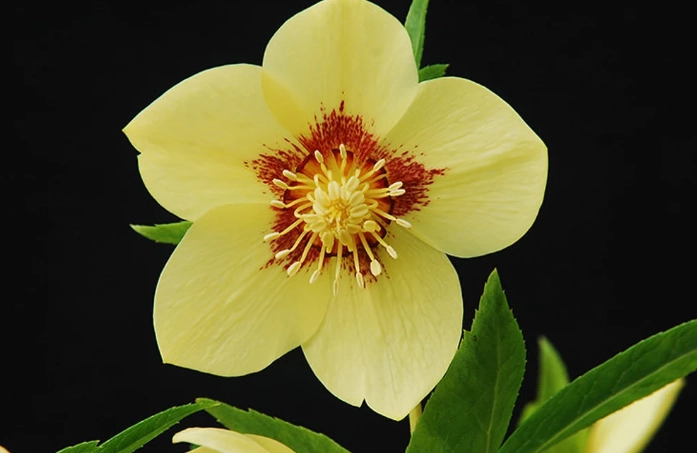
That's what winter jewels are all about. They're the rebels of the plant world, flowering bravely when everything else is asleep. I'm not just talking about the odd, spiky hellebore you might see at a fancy garden center. I'm talking about a whole palette of plants that bring color, texture, and life to the coldest months.
I remember the first time I really noticed one. It was a miserable, grey January afternoon, and I was dragging myself back from the store. A splash of bright pink in my neighbour's border caught my eye. It was a single, perfect Cyclamen coum flower, poking through a light dusting of frost. That tiny flower completely changed my mood. It felt like a secret, a little promise that spring was coming. That's the magic of winter jewels.
Why Bother with Winter Jewels? (Beyond the Obvious Beauty)
Sure, they're pretty. But planting for winter interest does more than just please your eyes. For one, it extends your gardening season. Suddenly, you have a reason to put on your boots and get outside in February. It's good for the soul. It also provides crucial early nectar and pollen for any brave insects that emerge on a mild winter's day. The Royal Horticultural Society (RHS) has a whole section on plants for pollinators, and many winter bloomers are vital early food sources.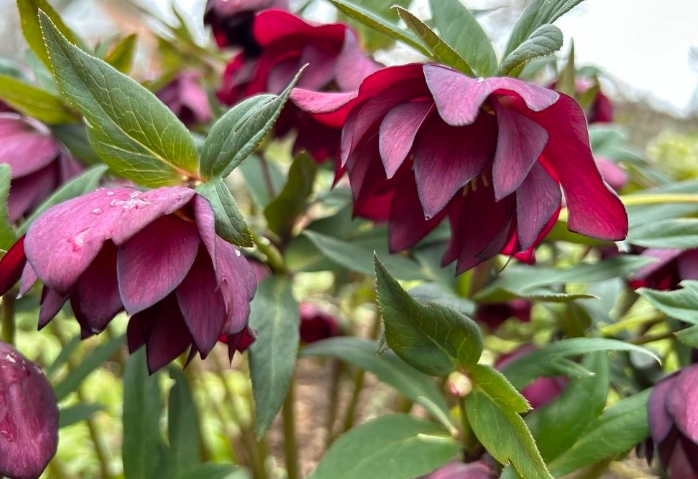
From a pure design standpoint, winter gardens have a subtle, structural beauty you don't get in summer. The low sun highlights textures—the peeling bark of a birch, the felted leaves of a Bergenia, the architectural seed heads you left standing. Winter jewels add the precious pops of color that make this whole scene sing.
And honestly? It feels like a gardening achievement. Keeping something alive in summer is one thing. Getting it to flower during a freeze is next-level.
The A-List: Your Go-To Winter Jewels for Reliable Color
Not all plants that tolerate cold are true winter jewels. Some just sit there, looking greenish-brown. You want the performers. Here are the ones that have never let me down, even when the weather has.
The Unbeatable Classics
These are the backbone plants. They're widely available, tough as nails, and their status as premier winter jewels is undisputed.
Hellebores (Lenten or Christmas Rose): This is the plant most people picture. And for good reason. Their nodding flowers in whites, pinks, purples, and near-blacks are incredibly elegant. They start as early as December (Christmas Rose, Helleborus niger) and go right through to spring (Lenten Rose, Helleborus orientalis hybrids). My tip? Plant them on a slope or raised bed so you can look up into their beautiful faces. The only downside? They can be pricey for a good, large-flowered hybrid.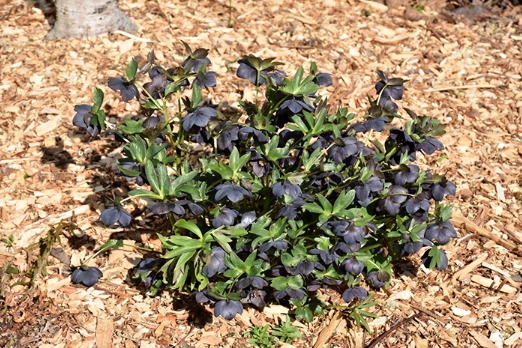
Winter Aconite (Eranthis hyemalis): Tiny but mighty. These little cups of bright yellow sunshine appear in February, often pushing through snow. They naturalize beautifully under deciduous trees, forming a golden carpet. You plant them as tubers in autumn—just don't let them dry out before they go in the ground.
Cyclamen coum: My personal favorite. This isn't the fussy florist's cyclamen. This is a tough ground-hugger with perfectly rounded leaves, often marbled with silver, and tiny but shockingly bright magenta, pink, or white flowers. It thrives in dry shade, which is a godsend for those tricky spots under trees.
The Underrated Stars
These plants deserve more fanfare. They're just as valuable but often overlooked.
Witch Hazel (Hamamelis): This is a large shrub or small tree, so it's a commitment. But what a payoff! In the depths of winter, its spidery, fragrant flowers in yellow, orange, or red cover the bare branches. The variety 'Arnold Promise' is a classic for a reason—its sulphur-yellow flowers are spectacular. The Missouri Botanical Garden's plant database entry for Hamamelis is a great resource for understanding its needs.
Mahonia: Often criticized for being a bit spiky and brutal, but the winter varieties like Mahonia x media 'Winter Sun' are incredible. Architectural evergreen leaves and long racemes of bright yellow, lily-of-the-valley-scented flowers. Bees go crazy for them on mild days.
Viburnum x bodnantense 'Dawn': Another shrub. From late autumn onwards, this thing produces clusters of intensely fragrant pink flowers on bare stems. The scent is sweet and spicy, and you can cut branches to bring indoors. It's a multi-sense winter jewel.
Here’s a quick comparison to help you choose based on your garden's conditions:
| Plant Name | Flower Color & Time | Height/Spread | Ideal Conditions | Special Note |
|---|---|---|---|---|
| Hellebore (Hybrid) | White, Pink, Purple, Black (Jan-Apr) | 45cm x 45cm | Dappled/Partial Shade, Rich Soil | Deer and rabbit resistant. Leaves can look tatty in winter; some gardeners cut them back in Dec/Jan. |
| Winter Aconite | Bright Yellow (Feb-Mar) | 8cm x 10cm | Deciduous Shade, Moist Soil in Spring | Perfect for naturalizing in woodlands. Plant "in the green" in spring for easier success. |
| Cyclamen coum | Magenta, Pink, White (Jan-Mar) | 8cm x 15cm | Dry Shade, Under Trees | Foliage is ornamental. Goes completely dormant in summer—don't think you've killed it! |
| Witch Hazel 'Arnold Promise' | Sulphur Yellow (Jan-Feb) | 4m x 4m | Full Sun to Part Shade, Acidic Soil Best | Great fall foliage color too. Needs space to show off its elegant, vase-shaped form. |
| Mahonia 'Winter Sun' | Bright Yellow (Nov-Feb) | 2.5m x 2.5m | Sun or Shade, Most Soils | Extremely tough. The spiky leaves make it a good deterrent or barrier plant. |
How Not to Kill Your Winter Jewels: A Realistic Care Guide
Here's where many guides get overly optimistic. Planting winter bloomers isn't just plonking them in the ground in November and waiting for a miracle. They have specific needs, mostly centered around one thing: drainage.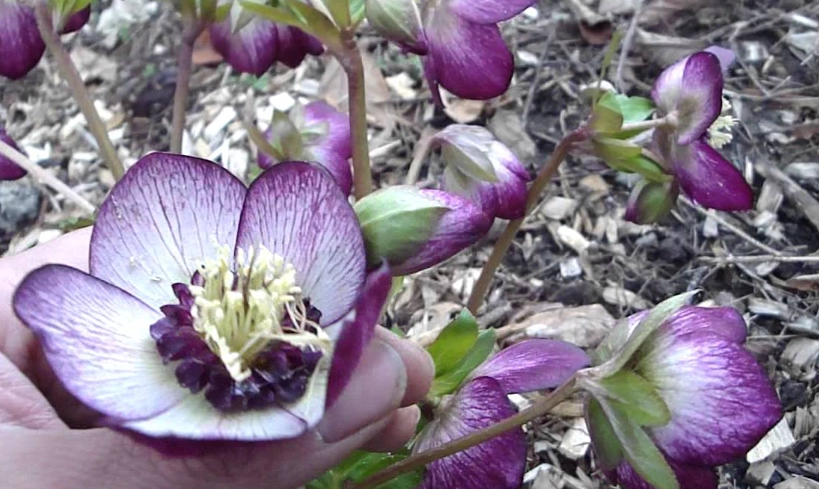
The Golden Rule: Drainage, Drainage, Drainage
Winter's big killer isn't usually the cold—it's wet, cold soil that rots roots and crowns. Most true winter jewels hate sitting in soggy earth. If you have heavy clay soil (like I do), you must improve it. Dig in plenty of grit and well-rotted compost. For precious plants like choice hellebores, consider planting on a gentle mound or in a raised bed. I learned this the hard way after losing a beautiful, expensive hellebore to crown rot in a poorly drained corner.
Feeding and Mulching (Do Less, Not More)
Don't feed in autumn or winter. This encourages soft, frost-tender growth. A single feed in early spring as they start their main growth period is plenty. A mulch of leaf mould or compost in autumn is fantastic—it protects roots, improves soil structure, and suppresses weeds. Just keep mulch away from the plant's crown to avoid rot.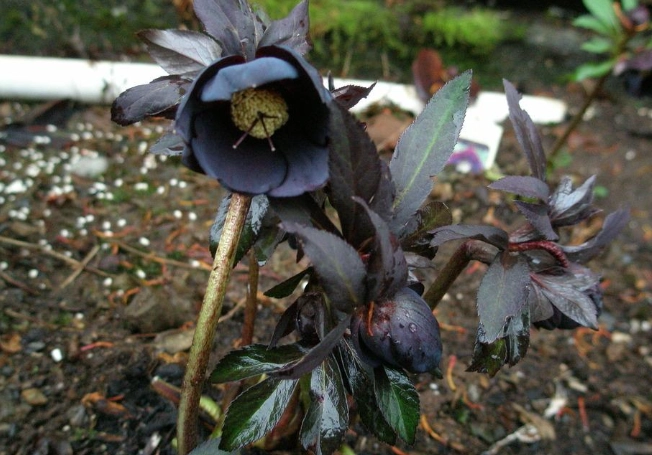
The Pruning Question
It's tempting to tidy up in autumn. Resist! Those "dead" stems and seed heads provide winter structure and habitat for insects. Leave the big chop until spring, when you see new growth starting at the base. For shrubs like Witch Hazel and Viburnum, prune *after* flowering if you need to shape them.
Designing with Winter Jewels: It's Not Just About Flowers
A great winter garden is a tapestry. You need more than just flowers. Think layers.
The Backdrop: Evergreen structure. Boxwood balls, yew hedges, the deep green of a holly. They provide the canvas.
The Texture Layer: Ornamental grasses left standing (Calamagrostis is brilliant), the peeling, coppery bark of a Acer griseum (Paperbark Maple), the bold, leathery leaves of Bergenia.
The Jewel Layer: This is where your flowering winter jewels come in. Plant them in drifts, not as lonely singles. A group of ten Cyclamen coum is magical; one looks lost. Tuck them near paths or windows where you'll see them daily. Pair the cool pinks of hellebores with the bright yellow of winter aconite for a stunning contrast.
Consider scent! Plant Viburnum x bodnantense or Sarcococca (Sweet Box) by a doorway. On a mild evening, the fragrance is a free gift.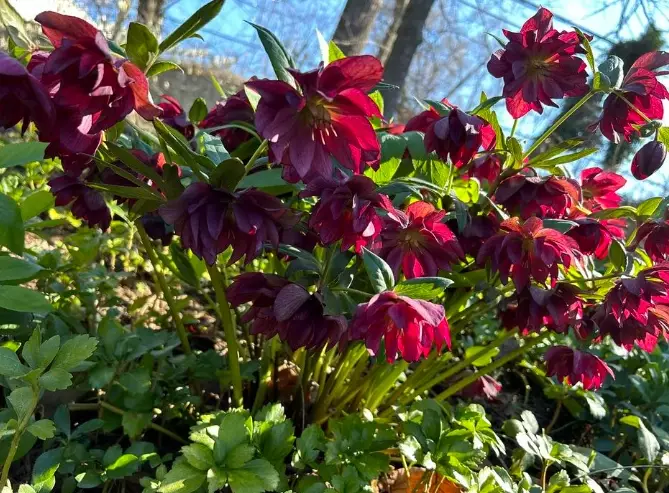
Your Winter Jewels Questions, Answered (Stuff Other Guides Gloss Over)
I get asked these all the time, usually after someone's first plant has failed.
My Hellebore flowers are facing down! How do I see them?
This is the #1 complaint. You have a few options. Plant them on a slope or at the top of a wall. Choose newer varieties bred for more upward-facing flowers. Or, just embrace it. Get down on your knees, gently lift the flower head, and have a look. It's a moment of quiet garden communion. Sometimes the best winter jewels require you to slow down and seek them out.
Is it too late to plant winter jewels now (in mid-winter)?
If the ground isn't frozen solid, you can plant container-grown plants almost any time. However, autumn is ideal—it gives them time to establish roots before flowering. For bulbs like Winter Aconite and Snowdrops, planting "in the green" (as growing plants, right after flowering in late winter/early spring) is far more reliable than planting dry tubers in autumn.
Why are my winter jewels not flowering?
Let's troubleshoot. Too much shade? Deep shade might limit flowers. Recent planting? They might just be settling in. Overfeeding? Leads to leaves, not flowers. Wrong pruning? If you cut back a spring-flowering shrub in autumn, you cut off the buds. The University of Maryland Extension has a good, general resource on flowering problems that applies here too.
Are they deer-proof?
Nothing is truly deer-proof if they're hungry enough. But many winter jewels are less palatable. Hellebores, Mahonia, and daffodil relatives are usually listed as resistant. Tender new growth on shrubs might still get nibbled. Fencing is the only sure solution.
The Final Word: Start Small, Think Big
Don't feel you need to overhaul your entire garden. Start with one patch. A shady corner under a tree is perfect. Clear the weeds, improve the soil with some compost, and plant a mix. Maybe five hellebores, a couple of dozen Cyclamen coum corms, and a sprinkling of Winter Aconite. Add a few evergreen ferns for winter foliage. That's it.
Next winter, that corner will be alive when the rest of the garden sleeps. It will become your favorite spot. You'll find yourself checking it every morning, looking for new buds pushing through. You'll become a collector, seeking out new varieties, new winter jewels to add to your treasure trove.
That's the real reward. It transforms winter from a gardening hiatus into a season of anticipation and subtle beauty. These plants are tough, resilient, and quietly spectacular. They remind you that life persists, beautifully, even in the coldest times. And honestly, isn't that a message we all need right now?
So go on. Pick a spot, pick a plant, and get started. Your future winter self will thank you.