What's in This Guide
- What Exactly Is Corydalis, Anyway?
- The Non-Negotiables: What Corydalis Demands to Survive
- Step-by-Step: How to Actually Plant Corydalis
- Ongoing Care: Keeping Your Corydalis Happy
- Solving the Inevitable Problems
- Great Corydalis Varieties to Try (And One to Think Twice About)
- Your Corydalis Questions, Answered
- The Final Word
Let's be honest. The first time I saw a picture of corydalis, I was sold. Those delicate, fern-like leaves. Those sprays of tubular flowers in shades of yellow, blue, or pink, looking like something out of a fairy tale. I immediately wanted to plant corydalis in my own garden. How hard could it be, right?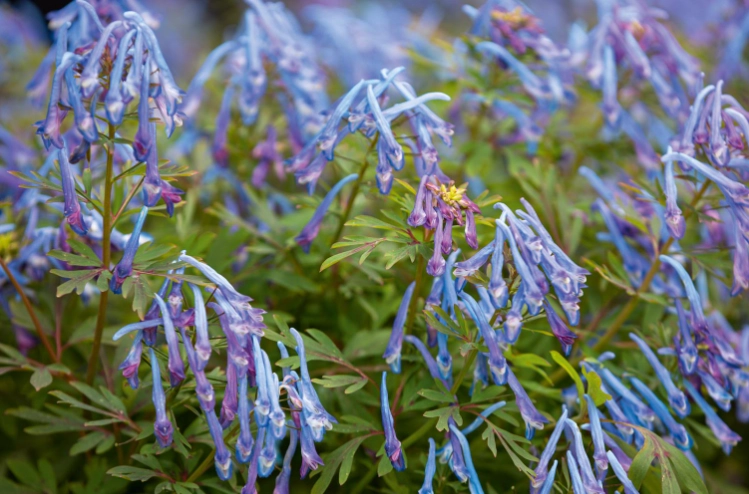
Well, my first attempt was a complete flop. The tubers I planted never came up. The second try, from seed, gave me two spindly seedlings that gave up the ghost by midsummer. I was ready to write it off as one of those "impossible" plants only botanical gardens could grow. But then I talked to a nursery owner who specialized in woodland plants, and she gave me the real talk. It wasn't impossible; I was just doing everything wrong.
Turns out, planting corydalis isn't rocket science, but it does demand you think like the plant thinks.
This guide is the result of my years of trial, error, and eventual success. It's the conversation I wish I'd had before I bought my first packet of seeds or bag of tubers. We're going to move past the basic, generic advice and dig into the nitty-gritty of what actually makes a corydalis plant tick—and more importantly, what makes it thrive in your garden for years to come.
What Exactly Is Corydalis, Anyway?
Before you even think about putting a spade in the ground, it helps to know what you're dealing with. Corydalis is a genus with hundreds of species, mostly perennials, and they're part of the poppy family (Papaveraceae). That's a useful clue right there—it hints at a preference for good drainage. The ones we usually try to plant in our gardens, like Corydalis lutea (yellow) or Corydalis flexuosa (blue), are mostly woodland edge plants in the wild.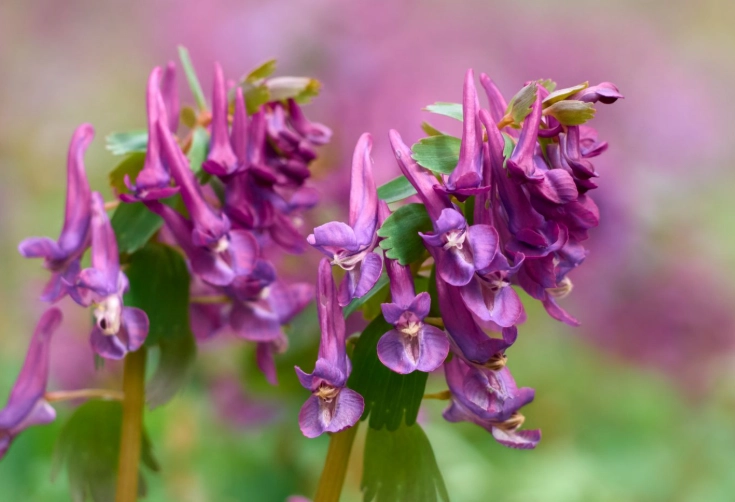
They're not sun-worshippers. They're not desert dwellers. They're the plants that thrive in the dappled light under deciduous trees, in the cool, moist, but never soggy soil rich with leaf litter. That's the environment you're trying to recreate. If you try to plant corydalis in a baking hot, sunny border with heavy clay, you're fighting a battle you will almost certainly lose. I learned that the hard way.
The Non-Negotiables: What Corydalis Demands to Survive
You can fudge a lot of things in gardening. This isn't one of them. Get these three things wrong, and your efforts to plant corydalis are doomed from the start.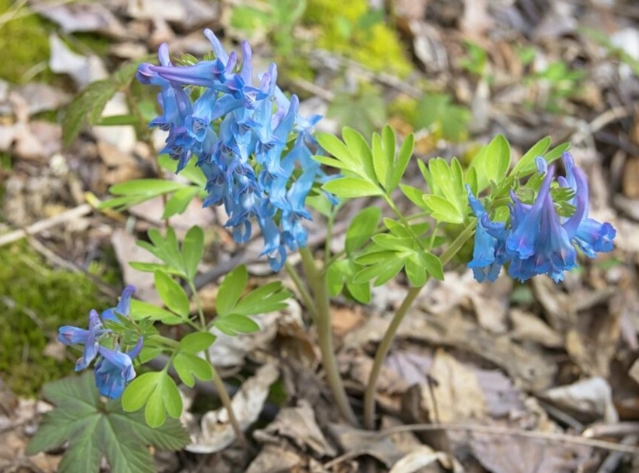
1. Light: The Goldilocks Zone
Full sun? Forget it. The leaves will scorch, the plant will wilt, and it'll be gone by July. Deep, dark shade? It might survive but will become leggy and flower poorly, if at all. What you want is what's often called "dappled shade," "partial shade," or "morning sun with afternoon shade."
I've had my best results in a spot that gets about 2-3 hours of gentle morning sun, followed by bright, indirect light for the rest of the day. The north or east side of a house, under a high-branched tree like a honey locust, or in the shifting shadow of a lattice fence—these are prime real estate. It's all about avoiding the intense, dehydrating heat of the afternoon sun.
2. Soil: It's All About the Drainage
This is the big one. More corydalis plants are killed by "wet feet" than anything else. Their tubers are prone to rot in stagnant, soggy soil, especially over winter. They need soil that is moist but exceptionally well-drained. It's a tricky balance.
Heavy clay is the enemy. If that's what you have, don't just dig a hole and plop the plant in. You must amend the entire planting area. I mix in a huge amount of coarse sand or fine grit (like poultry grit) and generous amounts of composted leaf mold or well-rotted compost. The goal is to create a loose, airy, humus-rich structure that holds moisture like a sponge but lets excess water run straight through.
Raised beds or planting on a gentle slope are fantastic strategies to improve drainage instantly. The USDA Plant Hardiness Zone Map is a good starting point for knowing your climate, but remember, a well-drained soil can help a plant survive colder winters than its official zone rating might suggest, because the real killer is often cold, wet soil, not cold air.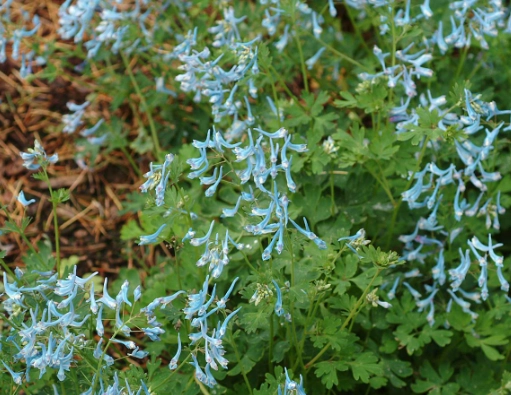
3. Watering: Consistent, Not Constant
When you first plant corydalis, keep the soil consistently moist (not wet) to help it establish. Once it's settled in, it has decent drought tolerance for a shade plant, but it will perform best and flower longer if it doesn't completely dry out. The trick is deep, infrequent watering. Soak the area thoroughly, then let the top inch or two of soil dry out before watering again. This encourages the roots (and tubers) to grow deeper, making the plant more resilient.
Drip irrigation or a soaker hose is ideal. Overhead watering can promote fungal diseases on those delicate leaves.
Step-by-Step: How to Actually Plant Corydalis
Okay, you've found the perfect shady, well-draining spot. Now for the action. You can start with tubers (often sold as "bulbs") or seeds. Each has its pros and cons.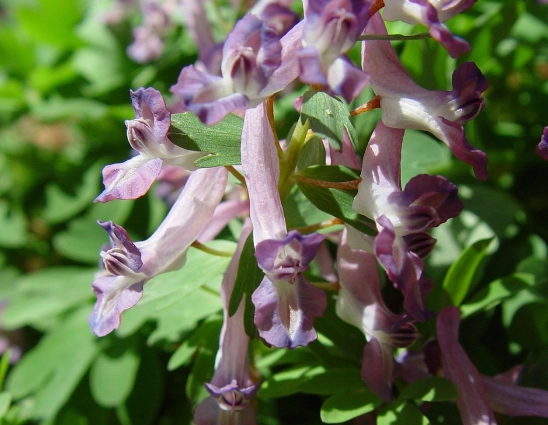
Planting Corydalis Tubers
This is the faster route to a flowering plant, usually in the first season. Tubers are typically available for fall or early spring planting.
- Timing: Early fall is often best. The soil is still warm, which encourages root growth, and the plant gets a full season to establish before the next summer's heat. Spring planting works too, but you must be vigilant about watering.
- Depth and Spacing: This varies by species, but a general rule is to plant tubers about 2-3 inches deep and 6-8 inches apart. The tuber often has a slight depression or old stem scars on one side—that's the top. If you can't tell, plant it on its side; the plant will figure it out.
- The Process: Dig your hole, mix some extra compost into the backfill soil. Place the tuber, cover it gently, and water it in well. Mark the spot! The foliage dies back in summer or winter (depending on the type), and you'll forget where you put them.
Tubers feel like a safer bet, but they can be expensive and sometimes dry out in storage.
Growing Corydalis from Seed
This is more economical and offers more variety, but it requires patience. Corydalis seeds have a reputation for being difficult because they have a short viability period and often need a period of cold, moist stratification to break dormancy.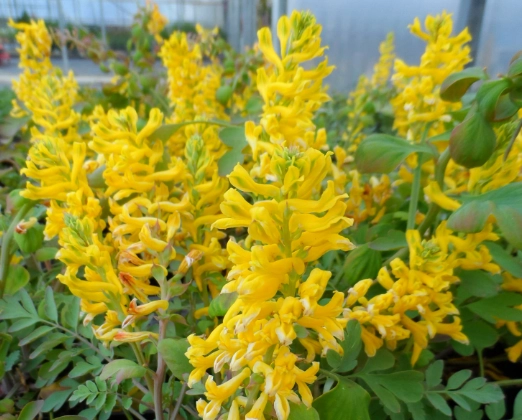
Here's what worked for me:
- Fresh is Best: Use the freshest seeds you can find, or collect your own. Old, dry seeds on a hardware store rack have a very low chance of germinating.
- Sow in Fall: Mimic nature. Sow the seeds in pots in late fall, barely covering them with a sprinkle of fine soil or vermiculite. Leave the pots outdoors in a sheltered spot (a cold frame is perfect) all winter. The freeze-thaw cycles and moisture will stratify them naturally.
- Spring Germination: Germination can be slow and erratic in spring. Don't give up on the pot too soon. Keep it consistently moist and in a cool, shaded spot.
- Transplant Carefully: Once seedlings have a few true leaves, transplant them to their final spot, handling the delicate roots with extreme care. It may take 2-3 years for a seed-grown plant to reach flowering size.
Ongoing Care: Keeping Your Corydalis Happy
You've successfully planted corydalis. It's sprouted, it's growing. Now what? The maintenance is surprisingly low-key if you got the fundamentals right.
Feeding: These aren't heavy feeders. A top-dressing of compost or leaf mold in early spring is usually sufficient. Avoid high-nitrogen fertilizers, which promote soft, leafy growth at the expense of flowers and can make the plant more susceptible to pests.
Mulching: A light mulch (an inch or two) of shredded leaves or compost helps retain soil moisture, suppress weeds, and regulate soil temperature. Just keep it away from directly smothering the crown of the plant.
Deadheading: Some species, like Corydalis lutea, will self-seed enthusiastically (sometimes too enthusiastically). Deadheading (removing spent flowers) can encourage more blooms and prevent it from spreading where you don't want it. For sterile hybrids or less vigorous types, it just keeps things looking tidy.
Solving the Inevitable Problems
Even with perfect care, things can go sideways. Here are the main issues you might face.
| Problem | Likely Cause | What to Do |
|---|---|---|
| Plant disappears in summer | This is normal for many species! They are spring ephemerals or go summer-dormant to escape heat/drought. | Mark the spot and stop watering. It will return next spring. Plant later-emerging companions to fill the gap. |
| Yellowing, wilting leaves | Overwatering or poor drainage (root/tuber rot). | Improve drainage immediately. If the plant is mushy at the base, it may be too late. Dig up and check tubers; replant any firm ones in a better location. |
| Leggy growth, few flowers | Too much shade or overcrowding. | Thin surrounding plants to allow more dappled light. Consider dividing and replanting clumps in fall. |
| Holes in leaves | Slugs and snails. They adore the tender foliage. | Use organic slug bait, beer traps, or hand-pick at night. Encouraging predators like frogs and birds helps. |
| No flowers at all | Plant too young (from seed), insufficient light, or over-fertilizing. | Be patient, adjust light conditions, and stop using fertilizer. |
That slug issue is a real pain. I've lost whole seedlings overnight. A ring of crushed eggshells or diatomaceous earth can help, but you have to reapply after rain.
Great Corydalis Varieties to Try (And One to Think Twice About)
Not all corydalis are created equal. Some are tough as nails once established, while others are divas. Here's my personal rundown.
- Corydalis lutea: The classic yellow corydalis. It's a prolific self-seeder that can form beautiful, long-blooming colonies in walls or rocky spots. Almost evergreen in mild climates. Forgiving and great for beginners. Just be ready to pull seedlings if it gets too happy.
- Corydalis flexuosa 'Blue Panda': Stunning china-blue flowers and bronzy foliage. Less of a spreader, more of a clumper. It prefers cooler summers and can be trickier—it often goes summer dormant if stressed. Worth the effort for that color.
- Corydalis solida: Also called fumewort. A true spring ephemeral with gorgeous pink, purple, or white flowers that appear in early spring before the ferny foliage fully develops. Disappears completely by early summer. Perfect for planting under deciduous shrubs.
- Corydalis cheilanthifolia: Fern-like, almost yarrow-like leaves and yellow flowers. Evergreen in milder zones. It's tougher and more drought-tolerant than it looks. A fantastic textural plant for the front of a shade border.
Now, the one I have a love-hate relationship with: Corydalis ochroleuca (white corydalis).
It's beautiful, with creamy white flowers. But my goodness, can it seed. I planted one small pot years ago, and I am still finding its offspring in distant parts of the garden. It's not inherently evil—it's great for difficult, dryish shade—but you must know what you're getting into. It's not a plant for a small, tidy border unless you're a very diligent dead-header.
Your Corydalis Questions, Answered
The Final Word
Planting corydalis successfully comes down to respecting its origins. It's not a plant you can just stick anywhere. It asks for specific conditions: cool, dappled light and soil that drains like a dream. Give it that, and it rewards you with a kind of delicate, enduring beauty that few other shade plants can match.
It teaches patience. Whether you're waiting for seeds to germinate or for a dormant tuber to re-emerge, it operates on its own schedule. But when those first ferny fronds push through the soil in spring, followed by those dancing sprays of color, all the fuss feels worth it.
Start with an easy one like Corydalis lutea. Get a feel for it. Master the drainage. Then maybe try the elusive blues. The process of learning to plant corydalis well is, in itself, a deeply rewarding part of gardening. It moves you from just putting plants in the ground to truly understanding them.
And hey, if your first attempt fails, don't beat yourself up. Mine did. Just figure out what it was telling you—too wet? too sunny?—and try again. The garden is always ready for another experiment.