Quick Guide
- What Exactly Is Rhododendron dauricum var. trilobum?
- Why Bother With This Particular Variety? (The Good and The Not-So-Good)
- Planting and Care: Getting It Right From The Start
- Common Problems and How to Fix Them (Without Panicking)
- Design Ideas: Where to Put This Star in Your Garden
- Frequently Asked Questions (The Stuff You Actually Search For)
- Final Thoughts: Is Trilobum For You?
I remember the first time I saw a Rhododendron dauricum var. trilobum in full bloom. It was February, grey, and everything in my Ohio garden was asleep or looked dead. Then, in a neighbor's yard, this shrub was covered in bright pink-purple flowers. No leaves, just flowers. I had to knock on their door and ask what it was. That's how striking this plant is. It breaks all the rules about when things are supposed to bloom.
If you're here, you've probably stumbled across the name "trilobum" in a plant catalog, a gardening forum, or maybe you saw one and wondered what magic trick it was performing. This guide is everything I wish I'd known back then, plus a lot of hard-learned lessons from trying to grow it myself (some successful, some… not so much). We're going deep on this specific variety, often just called trilobum for short.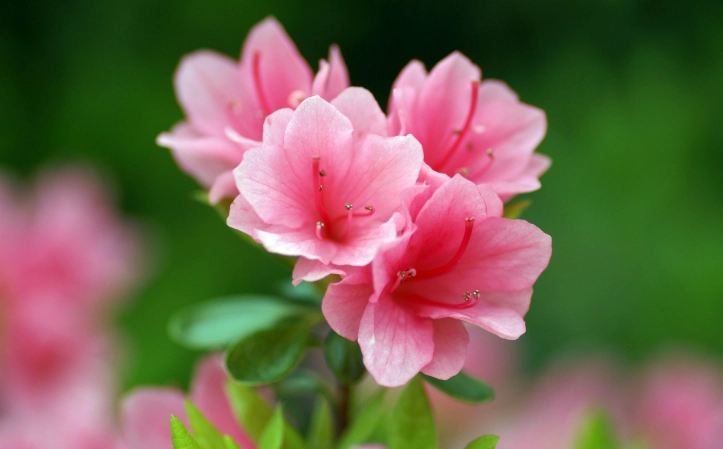
What Exactly Is Rhododendron dauricum var. trilobum?
Let's clear up the confusion first. This isn't your typical, huge-leafed, spring-blooming rhododendron that hogs space. The trilobum is more refined, more of a team player in the garden layout. It's part of the azalea family within the huge Rhododendron genus.
Its claim to fame? It blooms stupidly early. We're talking late winter to early spring. The flowers often appear before the leaves, creating this beautiful, delicate silhouette of color against the last of the winter gloom. The flowers are a lovely lavender-pink, sometimes leaning more towards purple, with a light fragrance if you get close enough in the chilly air.
The leaves are small, oval, and can hang on through mild winters (semi-evergreen), or drop off completely in colder zones. In autumn, they often put on a show of their own, turning shades of yellow, red, and burgundy. So you get two seasons of interest, which is a fantastic bargain.
 Think of it as the garden's alarm clock, telling you spring is coming long before the crocuses are done.
Why Bother With This Particular Variety? (The Good and The Not-So-Good)
Let's be real. No plant is perfect for everyone. Here’s my honest take after growing trilobum for several years.
The Reasons You'll Love It
Winter Blooming: This is the big one. It fills that desolate gap in the garden calendar. When nothing else has the courage to flower, trilobum does. It's a massive mood lifter.
Compact Size: It typically matures at 4 to 6 feet tall and wide. It's a shrub, not a tree. You can fit it into smaller gardens, use it in a mixed border, or even as a foundation planting.
Hardy as Nails: This plant comes from cold regions of Asia. It's rated for USDA zones 4-7, sometimes even pushing zone 3 with protection. My plants have sailed through -20°F winters without a whimper, while the flower buds survived.
Great Fall Color: The autumn display is a fantastic bonus. You buy it for the winter flowers, but you get a fiery October show for free.
The Things You Need to Watch Out For
Soil Snob: Like all rhododendrons and azaleas, it demands acidic, well-drained soil. It absolutely hates having "wet feet." If your soil is neutral or alkaline clay, you have serious work to do. This is the number one reason people fail with these plants.
Sun Requirements: It likes full sun to part shade. But in hotter climates (southern end of zone 7), afternoon shade is crucial to prevent scorch. In full shade, you'll get sparse, sad flowering.
Early Blooms = Frost Risk: This is the ironic catch. Its great talent (blooming early) is also its vulnerability. A hard late frost can turn those beautiful flowers into brown mush overnight. It's heartbreaking. The plant itself will be fine, but that year's floral show is toast.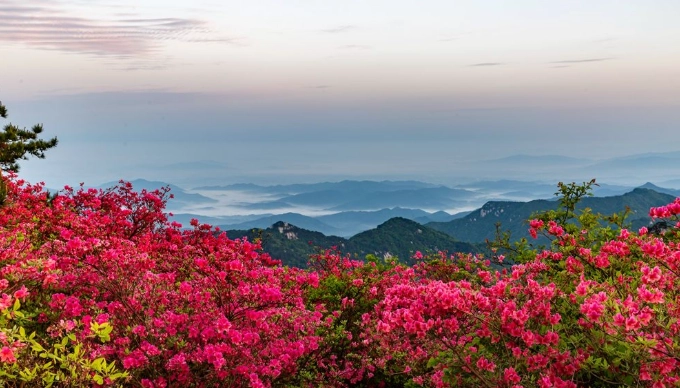
Planting and Care: Getting It Right From The Start
Getting the planting right is 90% of the battle. Do this wrong, and you're fighting a losing struggle.
Step-by-Step Planting Guide
- Test Your Soil pH. Don't guess. Get a cheap test kit. Trilobum needs a pH between 4.5 and 6.0. If you're above 6.5, stop and plan to amend heavily or build a raised bed.
- Location, Location, Location. Pick a spot with morning sun and afternoon dappled shade, or full sun in cooler climates. Ensure good air circulation but protection from harsh winter winds that can dry out flower buds.
- Dig a Wide, Shallow Hole. Make it two to three times as wide as the root ball, but only as deep. These are shallow-rooted plants.
- Amend the Soil. Mix the native soil with a large amount of acidic organic matter. I use a 50/50 mix of peat moss (or coconut coir) and composted pine bark. Some gardeners swear by just using straight planting mix for acid-loving plants.
- Plant High. Set the root ball so the top is slightly above the surrounding soil level. This improves drainage immediately. Backfill with your amended mix.
- Water and Mulch. Water deeply to settle. Then apply a 2-3 inch layer of acidic mulch like pine needles, shredded oak leaves, or pine bark. This keeps roots cool, moist, and adds acidity as it breaks down. Keep mulch away from the stem.
Ongoing Care Schedule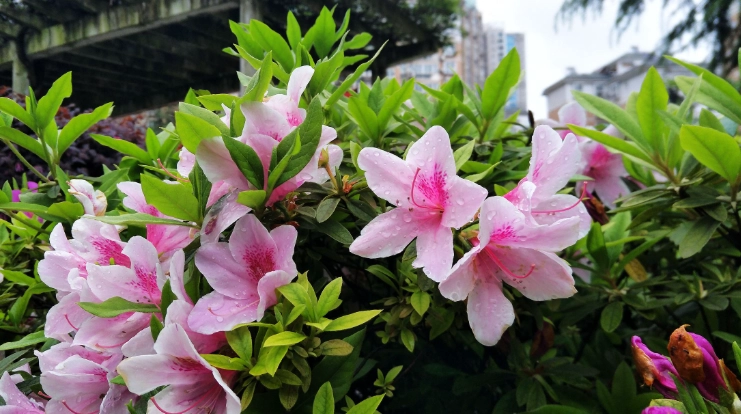
It's not a "plant and forget" shrub, but it's not high-maintenance either once established.
| Season | Key Tasks | What to Watch For |
|---|---|---|
| Late Winter / Early Spring | Enjoy the blooms! Prune only if needed for shape, right after flowering. Apply a light, acid-formulated fertilizer (like Holly-tone) as buds swell. | Late frosts. Be ready to throw a frost cloth over it if a hard freeze is forecast while in bloom. |
| Spring / Summer | Ensure consistent moisture, especially in first year. Do not let it dry out completely. Replenish mulch layer. | Leaf chlorosis (yellow leaves with green veins) = sign of high soil pH or iron deficiency. |
| Fall | Enjoy the foliage color. Water deeply before ground freezes if autumn is dry. This is critical for winter survival. | No fertilizer after mid-summer. You don't want to encourage tender new growth before winter. |
| Winter | Protect from heavy, branch-breaking snow loads. Shield from harsh, drying winds with burlap if in an exposed site. | Rabbit and deer browsing. They sometimes nibble the buds. A simple repellent spray often does the trick. |
Common Problems and How to Fix Them (Without Panicking)
Even with good care, things happen. Here are the usual suspects.
Yellow Leaves (Chlorosis): This is almost always a soil pH problem. The plant can't uptake iron. Test your soil. To treat quickly, you can apply chelated iron to the leaves or soil as a band-aid, but long-term, you need to lower the soil pH with sulfur or by continually adding acidic organic matter.
No Flowers: This is frustrating. Causes: 1) Too much shade. 2) Pruning at the wrong time (you cut off the buds, which form in late summer). 3) Severe drought or frost killing the buds. 4) Too much nitrogen fertilizer (promotes leaves, not flowers).
Powdery Mildew or Leaf Spot: Usually a sign of poor air circulation or overly wet foliage. Improve spacing, water at the base, not overhead. Remove and destroy badly affected leaves. Most healthy trilobum plants can shrug off minor fungal issues.
Root Rot: The killer. Caused by poor drainage. Symptoms are wilting, browning leaves, and plant collapse even when soil is wet. Prevention is the only cure. If it happens, you likely need to improve the entire site's drainage before replanting anything similar.
Design Ideas: Where to Put This Star in Your Garden
It's versatile. Don't just stick it in a corner.
- Winter Garden Focus: Pair it with other winter interest plants: Red-twig dogwood (Cornus sericea) for red stems, Witch Hazel (Hamamelis) for spidery flowers, and evergreen ferns or hellebores at its feet.
- Mixed Shrub Border: Use it as the early-season anchor. It blooms, then fades into a green backdrop for summer-blooming perennials like daylilies or coneflowers.
- Foundation Planting: Its compact size is perfect for the front of the house, especially on the east or north side where it gets some protection.
- Woodland Edge: It's a natural under taller trees (like pines or oaks) that provide dappled shade and acidic leaf litter.
I have mine planted near a path to my front door. In February, when everything is bleak, that walkway is lined with cheerful color. It's worth every bit of effort.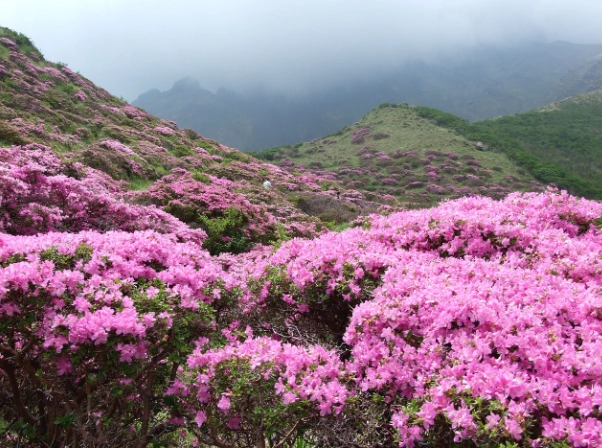
Frequently Asked Questions (The Stuff You Actually Search For)
Is Rhododendron dauricum var. trilobum the same as 'April Rose' or 'PJM'?
Good question, and a common mix-up. No, they are different. The true species trilobum is the wild form. 'April Rose' and 'PJM' are cultivars—man-made selections that are typically hybrids, often involving R. dauricum and other species. They were bred for specific traits like deeper flower color or denser habit. PJM, for example, is famous for its hardiness and purple flowers, but it's a hybrid group. The pure trilobum is often harder to find but is valued for its graceful, natural form. You can explore the vast world of Rhododendron classification on the American Rhododendron Society website, a fantastic resource for enthusiasts.
How fast does it grow?
It's not a speed demon. Expect a moderate growth rate of about 6-12 inches per year under ideal conditions. It might take 5-7 years to reach its full, lovely mature size. Patience is key. This isn't a plant for instant gratification.
Can I grow it in a container?
Yes, absolutely, and this is a brilliant solution if your garden soil is terrible. Use a large pot (at least 18 inches wide) with excellent drainage holes. Fill it with a premium potting mix for acid-loving plants. Container growing gives you total control over soil pH and drainage. The downsides? It will need more frequent watering and feeding, and it's less winter-hardy because the roots are exposed. In zones 5 or colder, you'd need to insulate the pot or move it to an unheated garage for winter.
Is it deer resistant?
I wish I could say yes. The truth is, no rhododendron is truly deer-proof. Deer resistance ratings vary wildly by region and how hungry the local deer population is. My experience? Deer have occasionally nibbled the flower buds on my trilobum, but they've never destroyed it. They seem to prefer other plants first. Consider it "moderately resistant" or "seldom severely damaged." If deer are a major problem in your area, using a repellent spray in late winter is cheap insurance. For science-backed information on deer and landscapes, your state's USDA Forest Service page often has useful guides.
When and how should I prune it?
Pruning is simple. The best time is immediately after it finishes flowering. This gives it the whole summer to grow new wood, which will set the buds for next year's show. If you prune in late summer, fall, or winter, you're cutting off next year's flowers. Just use clean, sharp pruners to remove any dead or crossing branches, and lightly shape it. You can even cut a few flowering branches to force indoors—they open beautifully in a vase.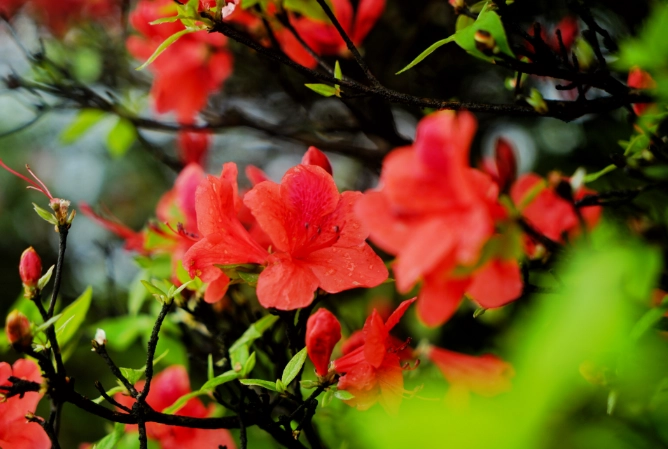
Final Thoughts: Is Trilobum For You?
Look, Rhododendron dauricum var. trilobum isn't for the completely hands-off gardener. If you want a shrub you can ignore, plant a spirea or a viburnum. But if you're a gardener who gets a thrill from something a little different, who values year-round interest, and who doesn't mind preparing a proper home for a plant, then this is a superstar.
It rewards a bit of effort with unparalleled winter beauty. When your garden is at its most dormant, this plant is at its peak. That's a special kind of magic. Just remember the golden rule: acidic, well-drained soil. Get that right, and you'll have a faithful, flowering companion for decades that will make your winter garden the envy of the neighborhood.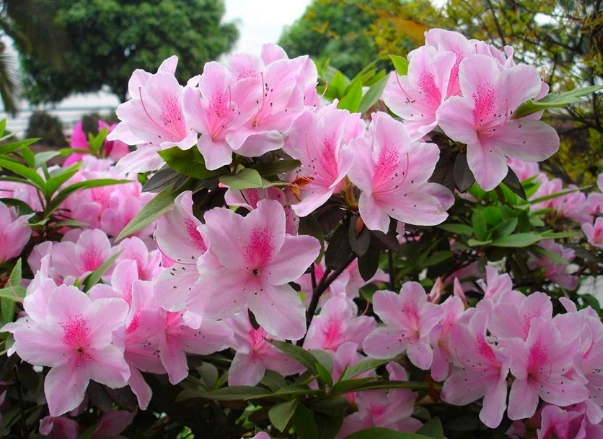
For verifying plant hardiness in your specific area, always cross-reference with the USDA Plant Hardiness Zone Map, the official source for zone information. It's the first place I check before buying any new plant.
Reader Comments