In This Guide
Let's be honest. The idea of a lush, green garden that needs watering every other day is starting to feel a bit… outdated. Maybe even irresponsible, depending on where you live. I used to spend hours with the hose, watching half the water run off into the street, and for what? A lawn that went brown the second I went on vacation. That's when I stumbled into the world of xeriscaping, and more specifically, the incredible variety of xeriscaping plants out there.
It wasn't about just throwing rocks and a cactus in the front yard and calling it a day. I wanted color, texture, life. And you know what? It's completely possible. This guide is everything I wish I'd known when I started. We're going beyond the basic list and into the *how* and *why*, so you can pick plants that won't just survive, but actually thrive.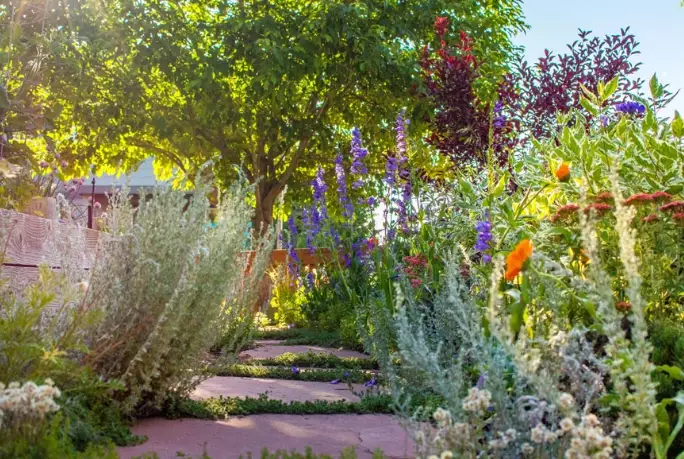
Xeriscaping 101: The term comes from the Greek word 'xeros' meaning dry. It's a landscaping philosophy focused on water conservation through smart design and plant selection. It's not "zero-scaping." It's about creating a resilient, beautiful garden in harmony with your local climate.
Why Bother with Drought-Tolerant Plants?
This feels like the big question, right? Why shift your whole gardening mindset? For me, it started with the water bill, but it became about so much more.
First off, the water savings are no joke. We're talking about reducing outdoor water use by 50% to 75%. That's huge. Your plants become resilient. A heatwave hits, and while your neighbor's impatiens are turning to mush, your garden is just… sitting there, doing fine. It's a liberating feeling. Less watering means more time enjoying your garden and less time maintaining it. The environmental impact is a big one too—conserving a vital resource and often providing much better habitat for local pollinators like bees and butterflies than a sterile lawn ever could.
Honestly, after the initial setup, it's just easier. And in a world that feels increasingly unpredictable with weather patterns, that reliability is priceless.
The A-List: Top Xeriscaping Plants by Category
Okay, let's get to the good stuff—the plants themselves. This isn't an exhaustive encyclopedia, but a curated list of proven performers. I've killed a few along the way to learn what actually works with minimal fuss.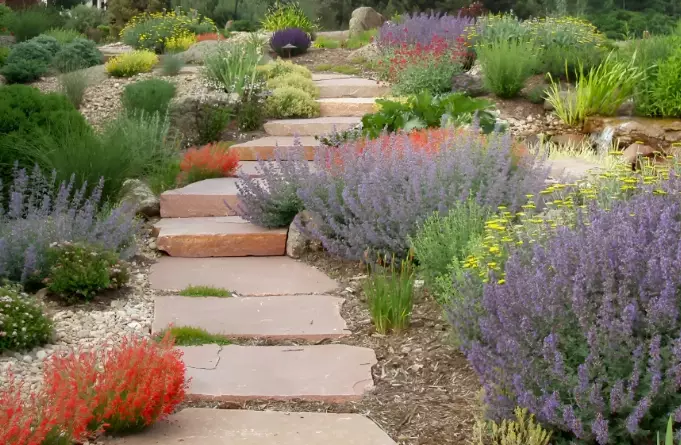
Rock Stars of the Succulent & Cactus World
These are the poster children for drought tolerance, and for good reason. They store water in their leaves, stems, or roots. The variety is insane.
- Sedum (Stonecrop): My absolute favorite for ground cover. 'Autumn Joy' is a classic for a reason—it has structure, beautiful pink flowers that bees adore, and it looks good even in winter. There are creeping varieties too that fill in spaces between rocks beautifully.
- Agave: Architectural and bold. The blue agave is stunning, but mind the spikes! They make a serious statement. Just give them room and well-draining soil.
- Echeveria: If you want something that looks like a rose but is tougher than nails, this is it. Perfect for containers or tucked into rocky niches. Their rosette shapes are just gorgeous.
A Quick Rant: Don't just plant a saguaro cactus if you live in Seattle. Cold, wet winters will turn it to mush. Always, always check your USDA Hardiness Zone first. A plant's drought tolerance doesn't mean it's indestructible to cold.
Hardy Perennials That Just Won't Quit
These are the workhorses that come back year after year, offering flowers, fragrance, and foliage.
- Lavender (Lavandula): The smell alone is worth it. It loves sun and poor soil (rich soil makes it floppy). It attracts pollinators, you can dry it, and it has a lovely gray-green foliage. English lavender tends to be hardier in colder zones.
- Russian Sage (Perovskia atriplicifolia): A cloud of delicate purple-blue flowers on silvery stems from mid-summer to fall. It's airy, it's beautiful, and deer want nothing to do with it. A real winner.
- Yarrow (Achillea): Tough as nails. Flat clusters of flowers in yellows, pinks, reds, and whites. It spreads politely and the fern-like foliage is attractive. Great for cutting, too.
- Blanket Flower (Gaillardia): These cheerful red and yellow daisy-like flowers bloom their heads off all summer. They self-seed readily, which I love because it means free plants, but some gardeners find it weedy.
Shrubs for Structure and Year-Round Interest
Shrubs give your garden bones. They define space and provide shelter for birds.
- Butterfly Bush (Buddleja davidii): Yes, it's a pollinator magnet. But a heads-up—in some areas, it's considered invasive because it seeds so prolifically. Look for newer sterile cultivars like 'Blue Chip' or 'Pugster' that don't produce viable seeds. They give you all the beauty and none of the guilt.
- Rock Rose (Cistus): Mediterranean native with crinkly, papery flowers that look like single roses. They thrive on neglect and poor, rocky soil. The resinous scent on a hot day is divine.
- Manzanita (Arctostaphylos): A native North American superstar, especially on the West Coast. The red, sculptural bark is stunning year-round. It's a slow grower but worth the wait. The USDA Forest Service database has great info on different species and their habitats.
Ornamental Grasses for Movement and Sound
Grasses add a whole different texture and a soothing, rustling sound when the wind blows.
- Blue Fescue (Festuca glauca): A small, tidy clump of intense blue-gray. Perfect for edging or mixing in with other perennials.
- Mexican Feather Grass (Stipa tenuissima): It looks like a fountain of fine, green hair that turns golden. It sways with the slightest breeze. It can self-sow enthusiastically, so plant it where that's okay or be prepared to deadhead.
- Switchgrass (Panicum virgatum): A tall, native grass that turns beautiful shades of yellow and red in the fall. It stands strong through winter, providing food for birds.
| Plant Name | Type | Key Features | Water Needs (Once Established) | Sun Exposure |
|---|---|---|---|---|
| Lavender (English) | Perennial Shrub | Fragrant purple spikes, silvery foliage, pollinator favorite | Low (deep water every 2-3 weeks in summer) | Full Sun |
| Red Yucca (Hesperaloe parviflora) | Succulent | Coral-red flower spikes on tall stalks, evergreen grass-like foliage | Very Low | Full Sun |
| California Poppy (Eschscholzia californica) | Annual/Perennial | Brilliant orange flowers, self-seeds readily, state flower of California | Low | Full Sun |
| Blue Oat Grass (Helictotrichon sempervirens) | Ornamental Grass | Stiff, blue-gray clumps, excellent for contrast, evergreen in mild climates | Low to Moderate | Full Sun |
| Jerusalem Sage (Phlomis fruticosa) | Shrub | Woolly gray leaves, tiers of yellow flowers, Mediterranean feel | Very Low | Full Sun |
See? It's not just about cacti. You can have a palette of colors, textures, and heights. The key is grouping plants with similar water and sun needs together—a concept called hydrozoning. It's the secret sauce for a successful xeriscape design.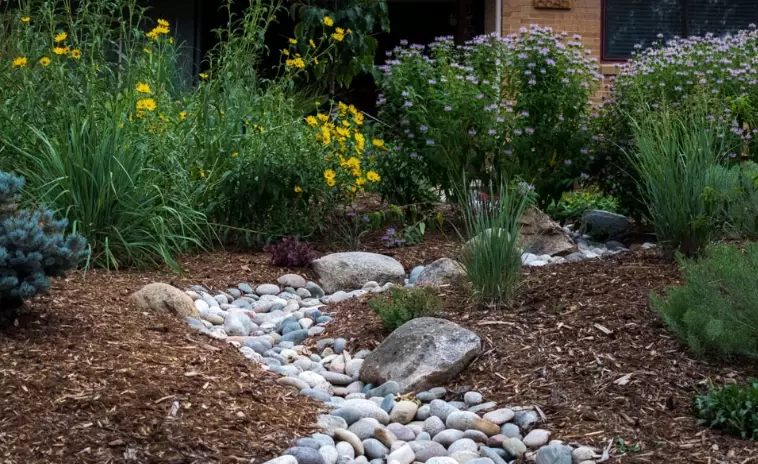
How to Actually Get These Plants to Grow (The Nitty-Gritty)
You can't just stick a drought-tolerant plant in clay soil and walk away. Well, you can, but it'll probably die. The first year is critical.
Soil is Everything. I cannot stress this enough. Most xeriscaping plants hate wet feet. They need soil that drains quickly. If you have heavy clay, you must amend it. Dig in a hefty amount of coarse sand, gravel, and compost. For raised beds or really problematic areas, consider a completely new mix of sandy loam. The University of California Master Gardener Program has fantastic region-specific guides on soil preparation for dry climates.
The Planting Hole. Dig a hole twice as wide as the root ball, but no deeper. You want the plant to sit at the same level it was in the pot. Roughen up the sides of the hole so roots can penetrate. Backfill with your amended soil.
Pro Tip: Water the plant in its pot before planting, and then water the empty hole before placing the plant. This ensures moisture is right where the roots need it from day one.
Watering Deeply is the Game. Forget frequent sprinklings. You want to encourage roots to grow deep, where the soil stays cooler and moister longer. Soak the area thoroughly after planting. Then, let the top few inches of soil dry out before watering again. A soaker hose or drip irrigation system is a fantastic investment here—it delivers water right to the roots with minimal evaporation.
Mulch is Your Best Friend. Apply a 2-3 inch layer of inorganic mulch like crushed gravel, decomposed granite, or river rock. It looks great, keeps roots cool, suppresses weeds, and drastically reduces evaporation. I'm not a huge fan of wood chips here because they break down and can hold too much moisture against plant crowns.
Be patient that first season.
Even drought-tolerant plants need regular water to establish their root systems. Think of it as teaching them where to find water. By the second or third year, you'll be amazed at how little they ask from you.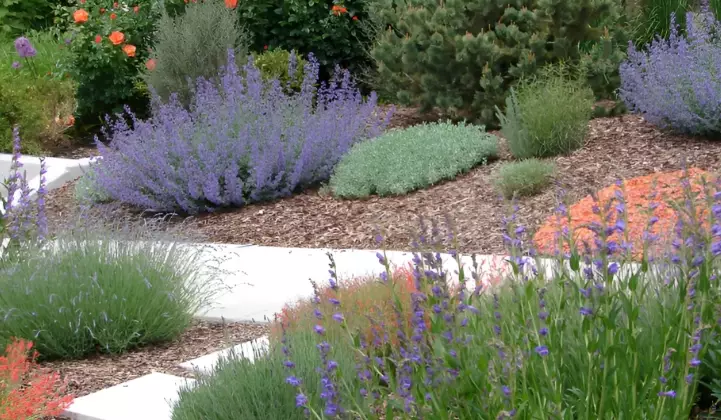
Designing With Xeriscaping Plants: Making It Look Intentional
This is where the fun begins. It's not a random collection of plants; it's a design.
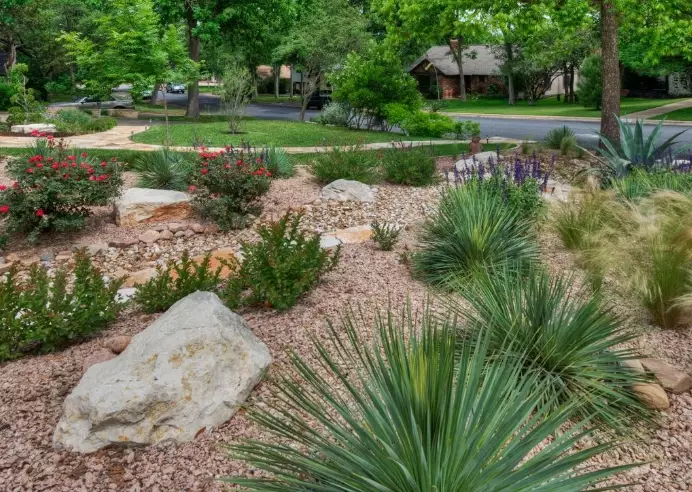
Start with a focal point. Maybe it's a large, sculptural agave or a beautiful boulder. Build around it. Use repetition—groups of three or five of the same grass or perennial create rhythm and cohesion. Play with textures: the spiky leaves of a yucca against the soft mounds of a sage. Contrast the fine, wispy Mexican feather grass with the bold, broad leaves of an artichoke plant.
Think about bloom time. Stagger your plant choices so something is always offering interest—foliage in spring, flowers in summer, seed heads and structure in fall and winter. Ornamental grasses and shrubs with interesting bark (like manzanita or crape myrtle) are stars in the off-season.
Incorporate hardscape. Gravel pathways, dry creek beds (which can also manage runoff), and seating areas made of stone or wood break up the planting and add functionality. They make the garden feel like a lived-in space, not just a plant collection.
Answers to Questions You're Probably Asking
My Final Take
Switching to a garden centered on xeriscaping plants was one of the best gardening decisions I ever made. It changed my relationship with my yard from one of constant chore-based maintenance to one of enjoyment and observation. The garden feels more alive with bees, birds, and butterflies. It looks good in a drought. It feels responsible.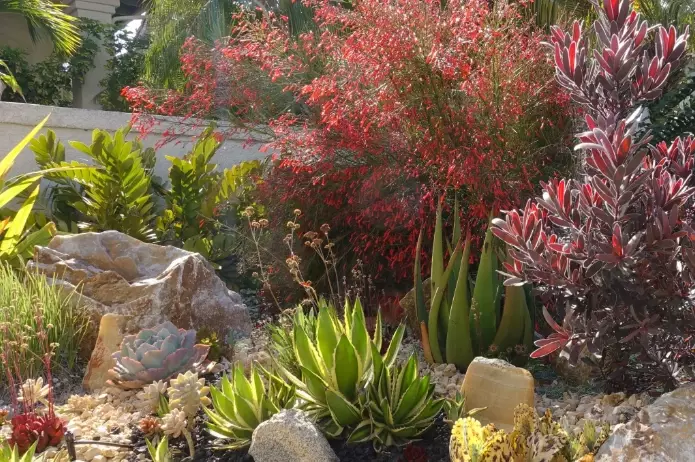
It's not a sacrifice of beauty for utility. It's a smarter way to garden that gives you both. Start with a few pots of succulents or a small bed of lavender and Russian sage. See how you like the look and the ease. I have a feeling you'll be converting more of your yard before you know it. The best part? You can put the hose down and just enjoy it.
Really, try it.
Reader Comments