In This Guide
- What Exactly is Tall Oregon Grape?
- Planting Your Mahonia aquifolium: Getting It Right from the Start
- The Real-World Care Guide: Water, Food, and the Dreaded Pruning
- Common Problems (And Honestly, There Aren't Many)
- Beyond the Garden Bed: Creative Uses for Tall Oregon Grape
- The Forager's Corner: Can You Eat Oregon Grape?
- Frequently Asked Questions (The Stuff You're Actually Searching For)
- Final Thoughts: Is Tall Oregon Grape Right For You?
Let's talk about a plant that doesn't get nearly enough credit. You might have seen it lurking in the dappled shade of a Pacific Northwest forest, or maybe struggling in a neglected corner of a parking lot island. It's the Tall Oregon Grape, Mahonia aquifolium. To be honest, I used to overlook it myself. It seemed... ordinary. That was until I killed my third expensive hydrangea and needed something, anything, that would just survive. A friend, a proper native plant enthusiast, practically shoved a pot of this stuff into my hands. "Just try it," she said. "It won't die." She was right.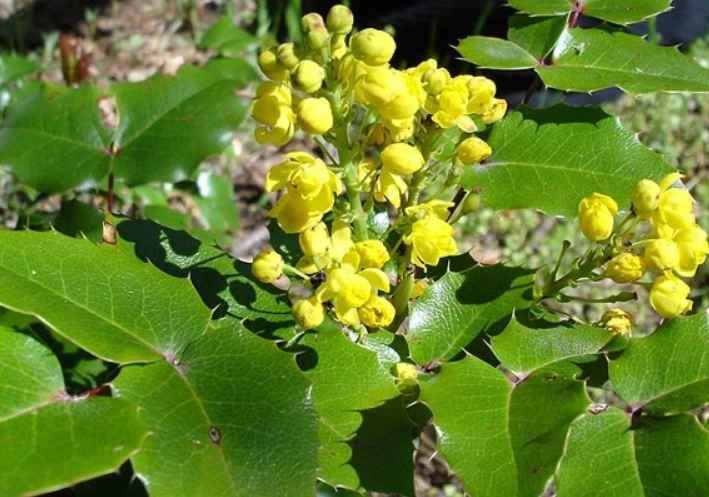
That unassuming shrub turned out to be one of the most resilient, interesting, and frankly useful plants in my garden. But what exactly makes it tick? Is it just a tough survivor, or does it have some hidden charm? If you're looking for a low-fuss, high-impact shrub that supports local wildlife and looks good year-round, you might be in the right place. This isn't just a plant profile; it's the guide I wish I'd had when I started. We'll dig into the nitty-gritty of soil, sun, and shears, but also the fun stuff—like whether you can actually make jam from those dusty blue berries.
What Exactly is Tall Oregon Grape?
First, a bit of botany to clear up the confusion. The name "Oregon Grape" is a bit of a mess. It's not a grape at all. It's an evergreen shrub in the Berberidaceae family, related to barberries. Mahonia aquifolium is its proper scientific name. You'll also hear it called Oregon grape-holly, and that's more descriptive. The leaves are holly-like—spiny, glossy, and leathery—but unlike true holly, they're compound, with multiple leaflets radiating from a central stem.
The "tall" part is relative. It typically grows 3 to 6 feet tall and wide, sometimes stretching to 8 feet in perfect, shady, forest-like conditions. It has a kind of open, slightly leggy habit, sending up cane-like stems from the base. New growth in spring is a spectacular bronzy-red, maturing to a deep, glossy green. In fall and winter, the leaves often take on gorgeous purple and burgundy hues, especially when planted in sunnier spots.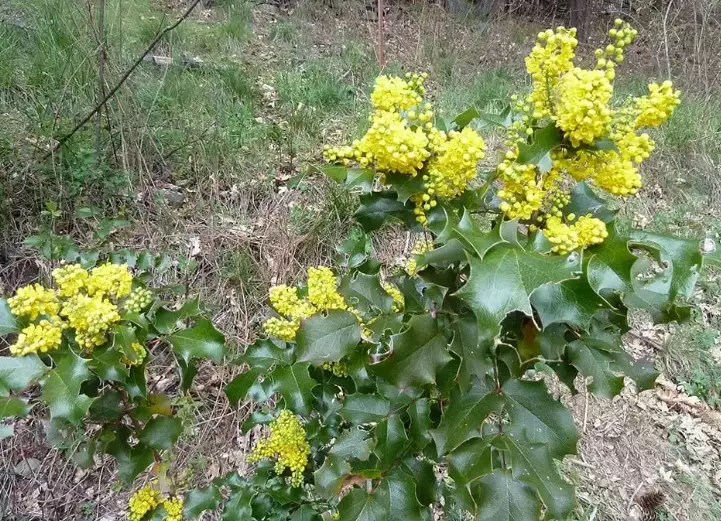
Now, the flowers and fruit. In early to mid-spring, it produces clusters of bright yellow flowers that look like little exploding fireworks. They have a light, sweet fragrance that I find pleasant, though some say it's a bit musky. These flowers are an absolute magnet for early-season pollinators. I've watched queen bumbles and hungry native bees swarm them on the first warm days of March when little else is blooming.
Then comes the fruit.
The berries start out green, ripen to a stunning dusty blue with a whitish bloom (that's the yeast, by the way), and look for all the world like tiny grapes. Hence the name. They persist well into winter unless the birds get them. And oh, the birds love them. Robins, waxwings, towhees—they'll strip a bush clean. Watching a flock of cedar waxwings descend on my tall oregon grape mahonia aquifolium in December is a winter highlight.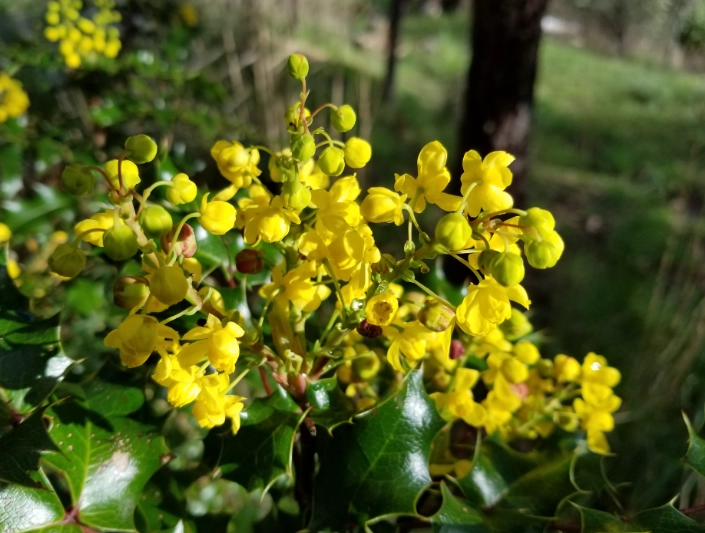
Planting Your Mahonia aquifolium: Getting It Right from the Start
Planting is where you set the stage for years of easy care or constant struggle. This plant is adaptable, but it has preferences. Ignoring them means you'll get a plant that merely survives, not one that thrives.
Soil & Site: Mimicking the Forest Floor
Think about where it grows naturally. Under Douglas firs and bigleaf maples, in well-drained but humus-rich soil. It's an understory plant. This tells you two crucial things: it likes dappled shade to part sun, and it needs soil that drains well but holds some moisture and is slightly acidic to neutral.
Heavy, soggy clay is its enemy. If you have clay soil, you must amend it. I made this mistake once. I dug a hole, plopped the plant in, and watched it sulk for two years. The roots were drowning. The fix? Dig a much wider hole than you think you need—two to three times the width of the root ball. Mix a generous amount of compost and some shredded bark or leaf mold into the native soil. This improves drainage and adds organic matter. You can also plant it on a slight mound to encourage water to run away from the crown.
Sun exposure is flexible. It tolerates full shade but will flower and fruit more heavily with at least a few hours of morning sun or filtered light all day. Full, hot afternoon sun can scorch the leaves, especially in hotter climates (USDA zones 8 and above). In my Portland garden, a spot with morning sun and afternoon shade is the sweet spot.
The Planting Process: A Step-by-Step Walkthrough
- Timing: Early fall is ideal. The soil is warm, rains return, and the plant can establish roots without the stress of summer heat. Spring is your second-best bet.
- The Hole: As mentioned, wide and shallow is better than deep and narrow. The root ball should sit level with or just slightly above the surrounding soil grade.
- Watering In: After backfilling, create a shallow basin around the plant and water deeply. This settles the soil and eliminates air pockets. A good mulch layer (2-3 inches of wood chips or shredded leaves) is critical to keep roots cool and moist.
- Spacing: Give it room. A mature tall oregon grape can be 6 feet across. Planting them 4-5 feet apart will create a dense, screening mass over time.
The Real-World Care Guide: Water, Food, and the Dreaded Pruning
This is where the "low maintenance" promise is put to the test. Let's break down what care actually looks like through the years.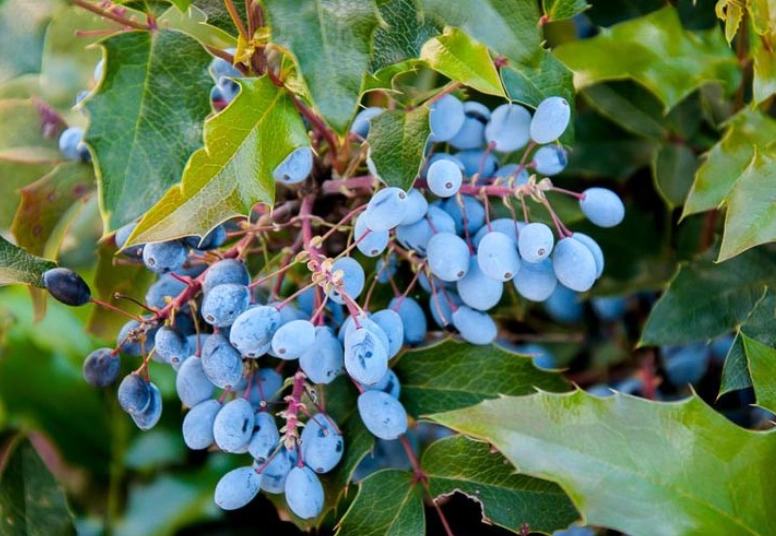
Watering: Less is More (Once Established)
For the first two summers, your tall oregon grape mahonia aquifolium needs consistent water. Think deep soaking once a week if there's no rain. The goal is to encourage deep roots. After that, it's remarkably drought-tolerant. My established plants get zero supplemental water from me, even through our dry Pacific Northwest summers. They look a bit tired by September, but they bounce back with the fall rains. If you're in a hotter, drier region, an occasional deep drink during a heatwave will keep it looking fresher.
Fertilizing: Skip the Fancy Stuff
This plant is not a heavy feeder. In fact, over-fertilizing, especially with high-nitrogen fertilizers, can lead to weak, floppy growth and fewer flowers. If you feel you must feed it, a light application of a balanced, slow-release organic fertilizer or a top-dressing of compost in early spring is more than enough. Most of the time, it's fine with nothing at all. It's adapted to lean forest soils.
Pruning Mahonia aquifolium: The Thing Everyone Gets Wrong
Pruning is the biggest question mark for most people. The natural form is a bit wild, sending up new canes from the base. If you want a neat, rounded ball, you've chosen the wrong plant. Trying to shear it like a boxwood will ruin it, leaving you with ugly brown cut leaves and a hideous shape.
The right way to prune is by cane selection. Here's my method:
- When: Right after it finishes flowering in late spring. This gives it time to grow new canes that will flower next year.
- Why: To control size, remove dead or damaged wood, and improve air circulation in the center of the plant.
- How: Put on your gloves. Look at the base of the plant. Identify the oldest, thickest canes. They might look more gray and woody. Using sharp loppers or a pruning saw, cut one or two of these old canes all the way down to the ground. This opens up the center and stimulates new growth from the base. Then, look at the height. If a cane is just too tall, you can cut it back to a side branch or a leaf node. Make your cuts discreetly, inside the plant, so you don't see stubs.
I prune mine maybe every other year. It's not a high-frequency task. The goal is renewal, not control.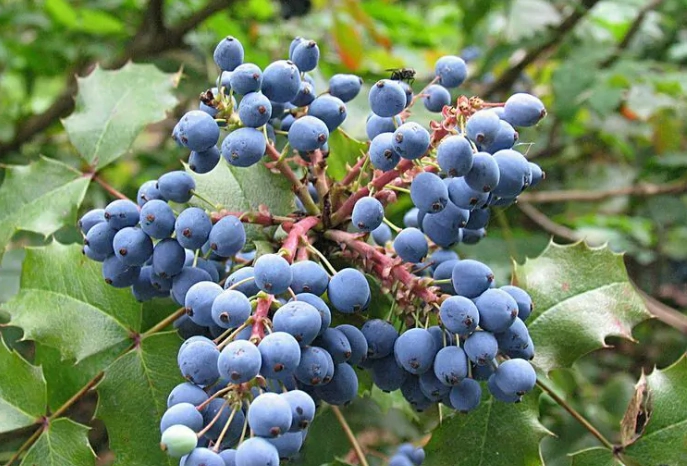
Common Problems (And Honestly, There Aren't Many)
No plant is completely bulletproof, but tall oregon grape comes close. Its main issues are usually cultural—caused by where or how it's planted.
| Problem | What It Looks Like | Likely Cause & Fix |
|---|---|---|
| Leaf Scorch | Brown, crispy patches on leaves, especially at edges and tips. | Too much hot sun, dry wind, or underwatering (for a young plant). Relocate if possible, or ensure consistent moisture. Some winter scorch is normal. |
| Poor or No Flowering | Healthy leaves but few or no yellow flower clusters in spring. | Too much deep shade. Needs more light. Also, pruning at the wrong time (if you cut in late winter, you're removing flower buds). |
| Leggy, Sparse Growth | Long stems with leaves only at the top, bare wood below. | Not enough light. The plant is stretching for sun. Also, lack of renewal pruning. Canes age and lose their lower leaves. Time to cut some old canes to the ground. |
| Rust Fungus | Orange, powdery pustules on the undersides of leaves. | Most common in cool, wet springs. Usually cosmetic. Improve air circulation via pruning, clean up fallen leaves. Rarely needs fungicide. |
Pests? Aphids might show up on new growth, but a strong blast of water usually handles them. Deer? They might browse it lightly when tender, but the spiny leaves make it generally deer-resistant. It's not their first choice, which in my deer-prone neighborhood is a major win.
Beyond the Garden Bed: Creative Uses for Tall Oregon Grape
This isn't just a shrub to stick in a corner and forget. With its structure and toughness, it's incredibly versatile in landscape design.
As a Native Hedge or Screen: This is one of its best uses. Planted 3-4 feet apart, tall oregon grape mahonia aquifolium forms a dense, impenetrable, evergreen barrier. It's fantastic for property lines, screening unsightly views, or creating garden rooms. It's more interesting than privet and way better for wildlife.
For Erosion Control: Its network of roots holds soil beautifully. Plant it on slopes, especially in shady areas where grass won't grow. It's a living mulch that stabilizes the ground.
In Woodland Gardens: This is its natural habitat. Combine it with other Pacific Northwest natives like sword ferns (Polystichum munitum), red-flowering currant (Ribes sanguineum), and salal (Gaultheria shallon). You're creating a low-water, ecologically rich landscape that feels like it belongs.
As a Wildlife Sanctuary: If you want to support local ecology, this plant is a powerhouse. The flowers feed early pollinators, the berries feed birds through winter, and the dense foliage provides shelter for small birds and other creatures. The National Audubon Society has great resources on native plants for birds, and mahonia is often on their lists.
The Forager's Corner: Can You Eat Oregon Grape?
This is a question I get a lot. Those berries look so tempting. The short answer is yes, the berries of Mahonia aquifolium are edible. The long answer is... manage your expectations.
Fresh off the bush, they are intensely tart and seedy. Not exactly a handful snack. However, they are rich in vitamin C and berberine, a compound with noted antimicrobial properties (the same compound that gives goldenseal and barberry their medicinal reputation). Indigenous peoples of the Pacific Northwest have long used various parts of the plant for food and medicine.
What can you make? The high pectin content makes them excellent for jelly. Mixed with sweeter fruits like apples or grapes, they make a unique, tangy preserve. I've made a syrup from them that's fantastic drizzled over pancakes or mixed into sparkling water. You can also dry the berries. There's even a tradition of making a sort of "lemonade" from the flowers.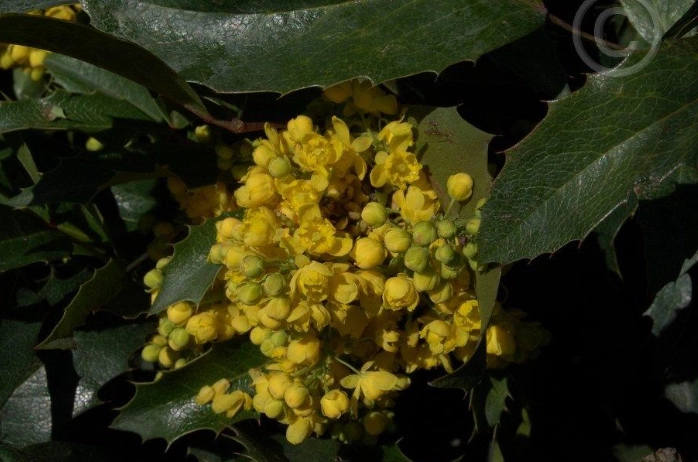
Also, a practical warning: the berries stain. Badly. That beautiful blue-purple juice will turn your fingers and anything else it touches a stubborn purple. Wear gloves when harvesting.
Frequently Asked Questions (The Stuff You're Actually Searching For)
Final Thoughts: Is Tall Oregon Grape Right For You?
Let's be real. The tall oregon grape mahonia aquifolium isn't for every garden or every gardener. If you crave perfectly manicured, formal shapes, you'll be frustrated. If you have a tiny, sunny, baking-hot courtyard, it might struggle.
But.
If you want a shrub that asks for almost nothing and gives back so much—year-round structure, early flowers for bees, winter food for birds, stunning foliage color changes, and unparalleled toughness—then it's a champion. It's a workhorse plant that also happens to be beautiful. It's the plant that taught me to appreciate resilience and ecological function over fleeting, high-maintenance glamour.
My initial "just try it" plant is now a sprawling, beautiful thicket at the edge of my woodland garden. It requires a few minutes of pruning each year and that's it. In return, it feeds the birds, gives me flowers when little else is out, and looks handsome even on the grayest winter day. For my money, and my limited time, that's a pretty fantastic deal. Maybe it could be for you, too.
Reader Comments