Quick Garden Guide
Alright, let's talk about a mix-up that happens all the time in gardening circles. You hear "syringa mock orange" thrown around, or maybe you see a picture of a lush shrub covered in white flowers and someone calls it one or the other. It's confusing. I get it. I've been there, scratching my head at the nursery, trying to remember which is which. The truth is, "syringa" and "mock orange" are two completely different plants that, for some reason, get their names tangled up like old garden hose. One gives you that iconic spring fragrance we all dream about, and the other is a summer bloomer that tries its best to smell like citrus. Getting them confused? That's how you end up with a shrub in the wrong spot, blooming at the wrong time, and wondering what went wrong.
This guide is here to end that confusion for good. We're going deep, past the common names and right down to what makes each plant unique. By the end, you'll not only know the difference between syringa (that's your classic lilac) and mock orange (philadelphus, if we're being formal), but you'll know exactly which one, or maybe both, deserves a spot in your garden. We'll cover everything from their secret botanical backgrounds to the nitty-gritty of keeping them happy. No fluff, just the stuff you need to know to make a great choice and grow a fantastic shrub.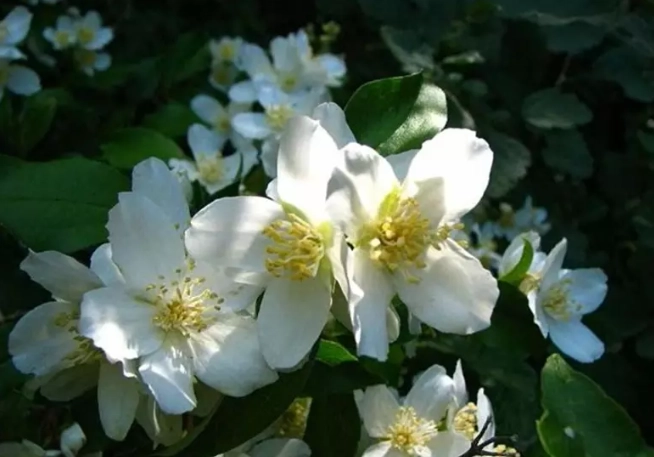
Botanical Breakdown: They're Not Even Cousins
This is where the split happens. If you remember nothing else, remember this: Syringa and mock orange belong to different plant families. It's not just a slight variation; it's a fundamental difference. Think of it like dogs and cats—both are pets, but that's about where the similarity ends.
Syringa is the proper botanical name for what we commonly call lilacs. They're members of the Oleaceae family, hanging out with olives, jasmine, and ash trees. The Missouri Botanical Garden, a top-tier resource for plant info, lists hundreds of species and cultivars under Syringa. The classic French hybrid lilacs (Syringa vulgaris) are the stars of the show.
Mock Orange, on the other hand, is the common name for shrubs in the genus Philadelphus. They're part of the Hydrangeaceae family. Yep, they're related to hydrangeas and deutzias. The Royal Horticultural Society notes that the most common garden variety is Philadelphus coronarius, prized for its sweet, orange-blossom-like scent.
See? Different family trees entirely. Calling a mock orange shrub a "syringa" is a bit like calling a tulip a daffodil just because they're both spring bulbs.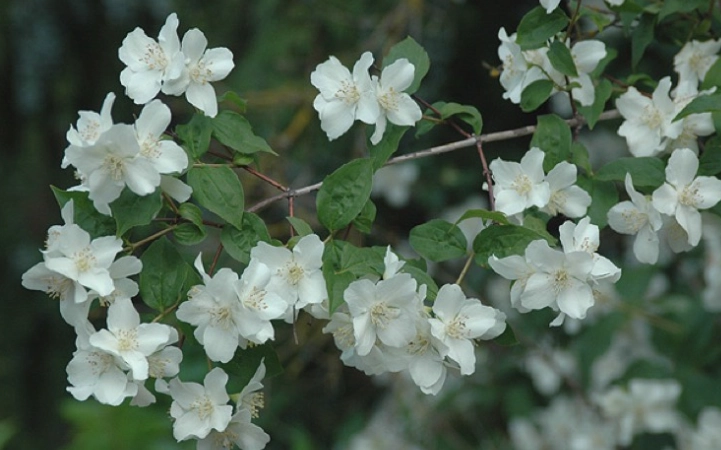
Key Identifiers at a Glance
When you're faced with a mystery shrub, here's your quick cheat sheet. Look for these tell-tale signs.
| Feature | Syringa (Lilac) | Mock Orange (Philadelphus) |
|---|---|---|
| Flower Time | Mid to Late Spring. A hallmark of May. | Early Summer. Often late May through June. |
| Flower Shape | Panicles (cone-shaped clusters). Individual flowers are tubular. | Cup-shaped or saucer-shaped flowers, often with 4 broad petals, in clusters or singly. |
| The Signature Scent | Heavy, sweet, profoundly floral. The classic "lilac" perfume. | Lighter, sweeter, often compared to orange blossoms or jasmine. |
| Leaf Arrangement | Opposite. Leaves grow in pairs directly across from each other on the stem. | Opposite as well. (So this one's not a differentiator!). |
| Bark & Habit | Mature stems can get gnarled and gray. Often forms a multi-stemmed large shrub or small tree. | Bark is often a reddish-brown that exfoliates (peels) on some species. Habit is generally fountain-like. |
Head-to-Head: The Detailed Comparison
Let's get into the details you'll actually notice in your garden. This is where choosing between a syringa and a mock orange gets real.
The Flower Showdown
This is the main event. Lilac flowers (Syringa) are powerhouses. They bloom in massive, conical clusters called panicles that can be so heavy they make the branches arch. Colors? Beyond the iconic lilac purple, you can find white, pink, magenta, and even a pale yellow. The fragrance is intense and nostalgic—it fills the entire yard. The downside? The show is relatively short, usually two to three glorious weeks in spring.
Mock orange flowers are more delicate. They're typically pure white (though some cultivars have a blush of pink), with a simpler, open shape that shows off a bunch of yellow stamens in the center. They look elegant, almost like single roses or citrus blossoms. The scent is their big selling point. It's sweet, citrusy, and carries beautifully on warm early summer evenings. It's less "in your face" than lilac and, in my opinion, a bit more refreshing. But here's a personal gripe: some mock orange varieties, especially older ones, have a scent that can verge on… well, overly sweet to the point of being cloying if you're right next to it. Do your research on cultivars!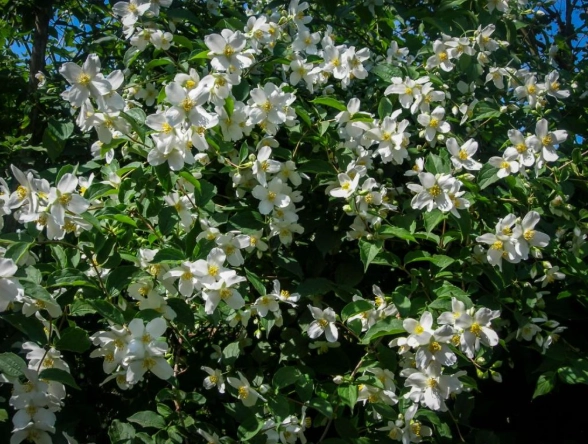
Lilac shouts its arrival in spring; mock orange whispers a sweet secret in the summer.
Foliage and Form
Lilac leaves are heart-shaped (cordate) to lance-shaped, with a smooth edge. They're a decent medium green. After blooming, it's basically a green shrub for the rest of the year, which is fine but not spectacular. Fall color is usually a non-event—just a sad, yellowish brown.
Mock orange leaves are generally oval with a subtle point and have a more pronounced toothed margin. The green can be a brighter, lighter shade. The overall form of a mock orange is often more graceful and arching than a lilac's sometimes awkward, upright clump. Some varieties even have attractive exfoliating bark that adds winter interest, which is a big plus.
Hardiness and Sun Needs
Both are tough cookies, but with different preferences. Lilacs (Syringa) are famous for loving cold winters. They need that chilling period to set buds properly. They also absolutely demand full sun—think 6+ hours direct, unfiltered light. Less sun equals fewer flowers, period. They're also picky about soil pH, preferring it neutral to slightly alkaline. Acidic soil can lead to chlorosis (yellowing leaves).
Mock oranges (Philadelphus) are more adaptable. They're cold-hardy too, but also tolerate a wider range of climates. The biggest advantage? They can handle partial shade. They'll bloom best in full sun, but they'll still perform reasonably well with a half-day of sun. Soil-wise, they're much less fussy, thriving in average, well-drained garden soil from slightly acidic to slightly alkaline.
So, Which One Should You Plant? A Decision Guide
Don't just pick the prettiest picture. Ask yourself these questions.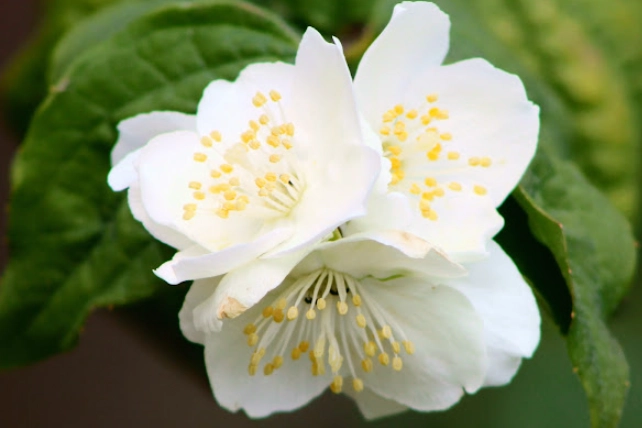
- You crave that iconic, powerful spring fragrance and are okay with a shorter bloom time.
- Your garden gets blazing, full sun all day long.
- You have space for a larger, substantial shrub (many get 8-15 feet tall and wide).
- Your soil is neutral or you're willing to add lime to sweeten it.
- You live in a region with a definite cold winter.
- You want a sweet, citrusy scent to perfume the early summer air.
- Your planting spot gets sun for only half the day (morning sun with afternoon shade is ideal).
- You need a more adaptable shrub for average soil conditions.
- You prefer a shrub with a more graceful, arching habit.
- You want a lower-maintenance option when it comes to soil pH and pruning timing.
Honestly, why choose? If you have the space, planting a lilac for spring and a mock orange for early summer extends your fragrant shrub season beautifully. Just give them each the conditions they like.
Planting and Care: Getting It Right From the Start
Planting a shrub is a long-term commitment. A little extra effort at the beginning pays off for decades. Here’s the drill for both, with their specific quirks.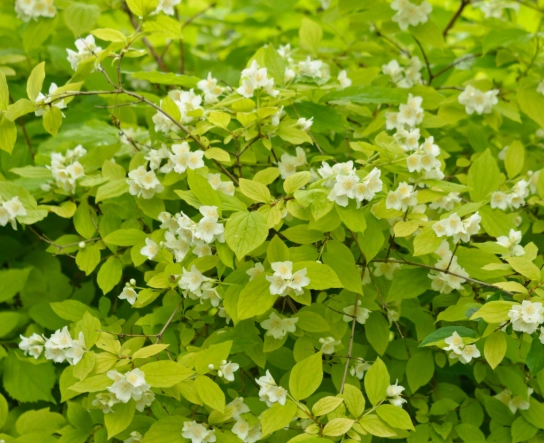
Planting Your Syringa (Lilac)
Timing: Early fall is absolute gold. It gives the roots time to establish without the stress of summer heat. Spring is second best.
The Hole: Dig it twice as wide as the root ball, but no deeper. Lilacs hate being planted too deep. Crown should be at or slightly above soil level.
The Dirt: This is critical. Mix your native soil with plenty of compost. If your soil is very acidic (common in rainy regions), mix in a handful of garden lime into the backfill. The University of Minnesota Extension, a fantastic authority for cold-climate gardening, stresses good drainage and pH for lilac health.
Water & Mulch: Water deeply after planting. Apply a 2-3 inch layer of mulch (shredded bark is great) around the base, but keep it a few inches away from the main stem to prevent rot.
Planting Your Mock Orange
Timing: Again, fall is champion. Spring works fine too.
The Hole: Same principle—wide, not deep.
The Dirt: Mock orange is easier. Just amend your native soil with compost to improve drainage and nutrient content. No need to fuss with pH.
Water & Mulch: Same as lilac. Deep watering at the start and a good mulch blanket.
The Long-Term Care Calendar
Pruning: The Biggest Difference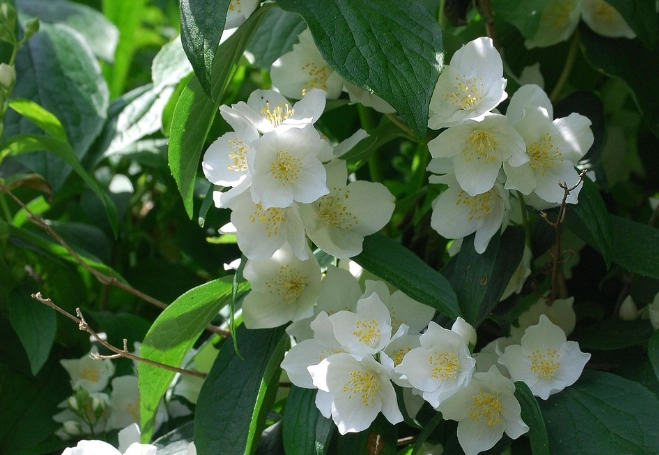
Mess this up, and you kiss next year's flowers goodbye. The rule is simple: Both bloom on old wood. That means the flower buds for next year are formed on the growth they make this summer.
For Lilacs (Syringa): Prune immediately after the spring blooms fade. If you wait until late summer, fall, or winter, you are cutting off the flower buds. Your goal is to remove the spent flower heads, cut out any dead or spindly wood, and maybe remove one or two of the oldest stems at the ground every few years to encourage new, vigorous growth. Never just hack the top off—it ruins their natural shape.
For Mock Orange (Philadelphus): Same principle, different timing. Prune right after its early summer bloom finishes. You can be a bit more aggressive with shaping. Remove about one-third of the oldest stems at the base to rejuvenate the plant. This encourages new stems that will bloom the following year.
Feeding and Watering
Both aren't heavy feeders. A top-dressing of compost around the base each spring is often enough. If you must use fertilizer, use a balanced, slow-release type (like a 10-10-10) in early spring, and don't overdo it—especially with lilacs, as mentioned.
Watering is crucial for the first two years. After that, both are quite drought-tolerant, but a deep soaking during prolonged dry spells in summer will keep them looking their best. Lilacs are particularly sensitive to soggy feet, so ensure their site drains well.
Pests and Problems
Lilacs: Powdery mildew is the classic issue—a white coating on leaves in late summer. It's mostly cosmetic but ugly. Prevention is key: plant in full sun with good air circulation. Some newer cultivars are bred for resistance. The USDA Plants Database lists species details that can help you choose a resilient type.
Mock Oranges: Generally pretty trouble-free. You might see some leaf spot or occasional aphids, but rarely anything serious.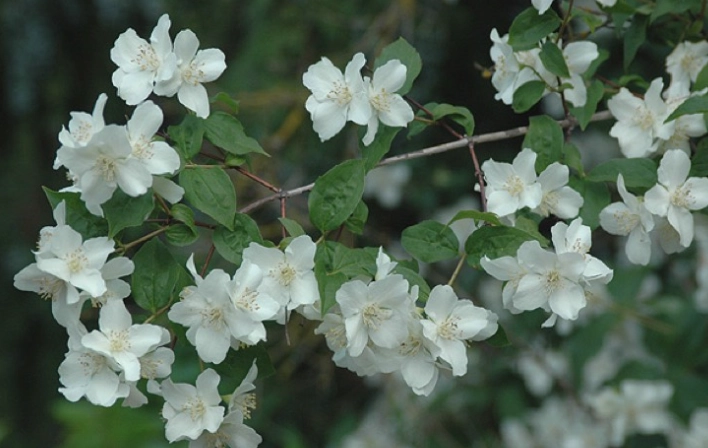
Beyond the Basics: Answering Your Real Questions
Look, at the end of the day, both syringa (lilac) and mock orange are fantastic, classic shrubs. The "syringa mock orange" confusion is just a historical linguistic knot. Once you untie it, you're left with two clear, wonderful choices. One is the undisputed queen of spring. The other is the sweet herald of summer. Your job isn't to figure out which is better—it's to figure out which is better for your garden, your space, and your nose. Get the conditions right, do the pruning at the right time, and you'll be rewarded with decades of fragrance and flowers. That's a win in any gardener's book.
Reader Comments