Quick Guide
- Why Shasta Daisy Height Actually Matters (More Than You Think)
- The Shasta Daisy Height Spectrum: From Petite to Towering
- What Really Controls How Tall Your Shasta Daisies Grow?
- Pro Tips for Managing and Supporting Tall Shasta Daisies
- Designing Your Garden with Shasta Daisy Height in Mind
- Wrapping It Up: Height as a Tool, Not a Mystery
You're planning your flower beds, sketching out that perfect cottage garden look, and you know Shasta daisies have to be in there. They're the classic, cheerful white flowers that scream summer. But then you hit a wall. How tall do these things actually get? You see one picture where they're a tidy little mound, and another where they're towering over everything else. It's confusing, right? Is it the variety, the soil, or just gardening magic?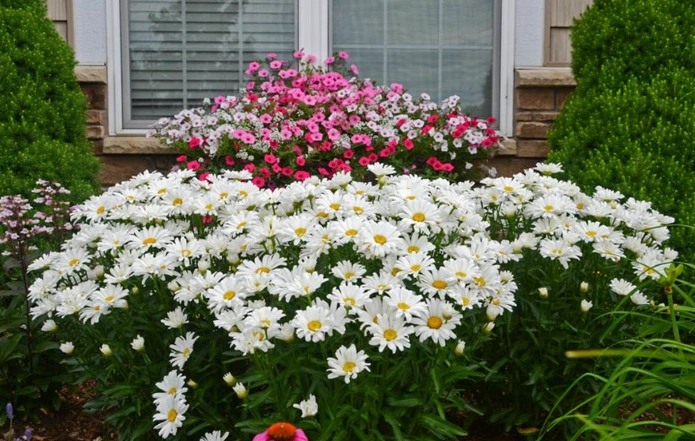
I've been there. I once planted what I thought was a medium-sized variety in the middle of a border, only to have it completely swallow the delicate lavender planted behind it by mid-July. Total design fail. That's when I realized that understanding Shasta daisy height isn't just a minor detail—it's the difference between a harmonious garden and a chaotic one.
Why Shasta Daisy Height Actually Matters (More Than You Think)
It's not just about sticking a plant in the ground. Getting the height right affects everything.
First, garden design. Taller varieties are your back-of-the-border anchors, your statement pieces. Shorter ones are perfect for edging, containers, or the front of a bed where you don't want to block the view. Mismatch them, and your carefully planned layers fall flat.
Then there's maintenance. A Shasta daisy height that's too tall for its spot often means flopping. There's nothing sadder than a beautiful clump of daisies sprawled on the ground after a summer rainstorm. Staking is a chore I personally hate, so choosing the right height from the start saves me time and frustration.
Finally, it's about pairing. You want to match your daisies with companions that thrive in similar conditions (full sun, well-drained soil) but also complement their stature. A 4-foot daisy will overshadow a 1-foot catmint, but it might look stunning rising above a sea of 2-foot Russian sage.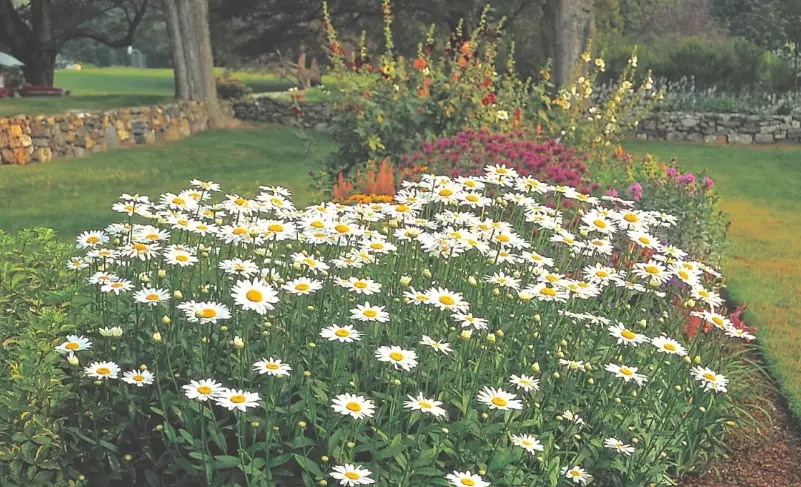
The Shasta Daisy Height Spectrum: From Petite to Towering
Let's break down the general categories. This is where you start to narrow things down.
- Dwarf/Miniature Varieties (10" - 18" tall): These are the compact guys. Perfect if you have a small space, want to line a pathway, or are obsessed with container gardening. They have all the classic daisy charm but in a manageable package. They rarely need staking, which is a huge win.
- Medium Height Varieties (2 - 3 feet tall): This is the sweet spot for many gardeners and the most common range you'll find. They're versatile enough for the middle of a mixed border, substantial enough to make an impact, but usually sturdy enough to stand on their own.
- Tall/Vigorous Varieties (3 - 4+ feet tall): These are the drama queens. They command attention and are fantastic for creating a lush, full look at the back of a bed. The trade-off? They are the most prone to flopping, especially if they're in rich soil or get a lot of rain. Be prepared to provide some support or use the "Chelsea Chop" (more on that later).
A Handy Table of Popular Cultivars and Their Heights
Enough with vague categories. Here’s a concrete list of specific varieties you're likely to find at nurseries or in catalogs. This table is based on information from reputable growers and my own experience.
| Cultivar Name | Typical Height Range | Key Characteristics | Best For |
|---|---|---|---|
| 'Snowcap' | 12 - 15 inches | Extremely compact, floriferous, great for pots. | Edging, containers, small gardens. |
| 'Little Miss Muffet' | 10 - 12 inches | True dwarf, forms a tight mound. | Rock gardens, very front of border. |
| 'Alaska' | 2.5 - 3 feet | The classic. Reliable, sturdy stems, single flowers. | Middle of the border, cutting garden. |
| 'Becky' | 3 - 4 feet | Very popular, blooms later & longer, robust. | Back of border, large cottage gardens. |
| 'Crazy Daisy' | 2.5 - 3 feet | Frilly, double white flowers, eye-catching. | Adding texture, mid-border focal point. |
| 'Banana Cream' | 2 - 2.5 feet | Pale yellow flowers, unique color. | Mid-border, softening color schemes. |
| 'Wirral Supreme' | 3 - 3.5 feet | Double flowers, older heirloom variety. | Back of border, nostalgic gardens. |
See how specific that is? Knowing that 'Snowcap' will stay under a foot and a half is infinitely more useful than knowing "Shasta daisies can be short." Always check the plant tag or catalog description for the expected Shasta daisy height for that specific cultivar.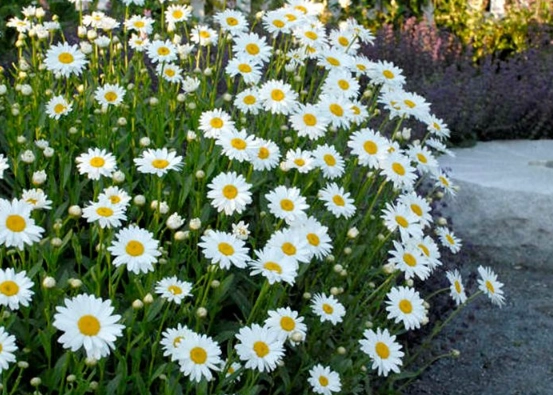
What Really Controls How Tall Your Shasta Daisies Grow?
The genetics of the cultivar set the blueprint, but you, the gardener, and Mother Nature are the contractors. Here’s what can push that height up or down.
1. The Unchangeable: Cultivar Genetics
This is the biggest factor. A 'Little Miss Muffet' is never going to reach 4 feet, no matter how much you feed it. A 'Becky' is genetically programmed to be tall. Start by choosing a variety whose natural Shasta daisy size fits your plan. It's the easiest way to control the outcome.
2. The Environment: Sun, Soil, and Water
- Sunlight: More sun (at least 6 hours) generally leads to stockier, stronger plants. Daisies in partial shade will stretch and become leggy as they reach for light, increasing their height but weakening the stems—a recipe for flopping.
- Soil Fertility: This is a big one. Rich, heavily amended soil loaded with nitrogen will produce lush, green growth and can significantly increase height. Sometimes too much. I find my daisies are sturdier and still bloom well in moderately fertile, well-drained soil. Leaner soil can actually help control excessive height.
- Water: Consistent moisture supports steady growth. Drought stress can stunt them, while overwatering in rich soil can fuel a growth spurt.
3. Your Actions: Pruning and Dividing
This is where you take control.
The "Chelsea Chop": This is a famous trick among perennial gardeners. Around late spring (the timing coinciding with the Chelsea Flower Show, hence the name), you cut back the stems of your Shasta daisies by one-third to one-half. This does a few things: it delays flowering a bit, encourages more branching (which means more flowers), and crucially, it results in a shorter, bushier plant. It's a fantastic way to reduce the final Shasta daisy height of taller varieties by a good 6-12 inches and prevent flopping. I do this religiously with my 'Becky' now.
Deadheading: Snipping off spent flowers encourages more blooms and can sometimes direct energy away from excessive vertical growth.
Dividing: Mature clumps (3-4 years old) in the center can get woody and flop open. Dividing them every few years in early spring or fall rejuvenates the plant, promoting fresher, more upright growth from the new divisions.
Pro Tips for Managing and Supporting Tall Shasta Daisies
So you've chosen or inherited a tall variety. Don't worry, you're not doomed to a season of staking. Here's how to manage it.
- Plant Them in Full Sun. This is non-negotiable for strong stems.
- Go Easy on the Fertilizer. Avoid high-nitrogen fertilizers. A top dressing of compost in spring is usually plenty.
- Use the "Buddy System." Plant tall daisies among other sturdy perennials like coneflowers, bee balm, or tall sedums. They will support each other as they grow together, creating a natural lattice. It looks much better than a bunch of stakes.
- Employ Early Support. If you must stake, do it early. Use grow-through supports (like peony rings) or a grid of stakes and twine placed over the clump when it's about a foot tall. The plant will grow through and conceal the support.
- Don't Be Afraid to Cut Them Back. Remember the Chelsea Chop. If they're getting too leggy by early summer, give them a haircut.
Designing Your Garden with Shasta Daisy Height in Mind
This is the fun part—putting this knowledge to work.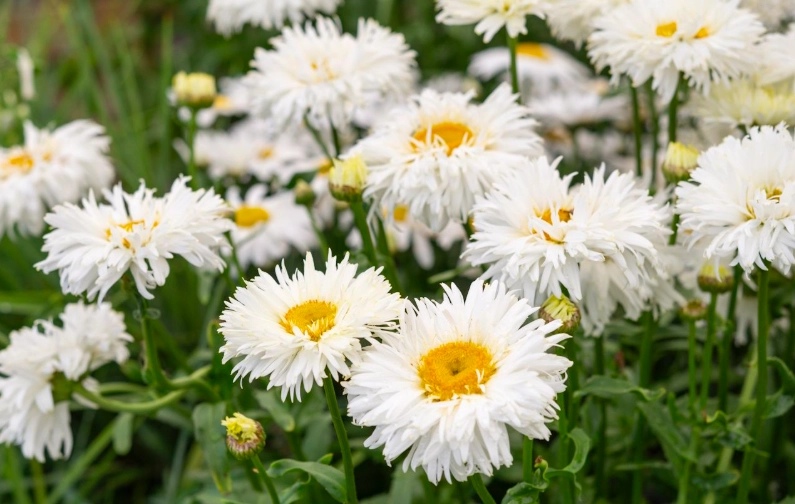
Think in layers.
For a classic border, place your tallest Shasta daisies (like 'Becky' or 'Wirral Supreme') at the back. In the middle, use medium-height varieties ('Alaska', 'Crazy Daisy'). At the very front, tuck in the dwarfs ('Snowcap'). This creates depth and ensures every plant is visible.
For a modern, rhythmic look, plant a single medium-height variety in bold drifts or repeating clumps throughout the bed. The consistent Shasta daisy height creates a cohesive, flowing pattern.
Containers are perfect for dwarf varieties. A pot of 'Snowcap' daisies mixed with some trailing blue lobelia or sweet potato vine is a summer classic that won't get top-heavy.
Your Shasta Daisy Height Questions, Answered
Wrapping It Up: Height as a Tool, Not a Mystery
At the end of the day, understanding Shasta daisy height is about empowerment. It's about moving from hoping your plants work out to knowing they will. You're not at the mercy of a generic plant label anymore.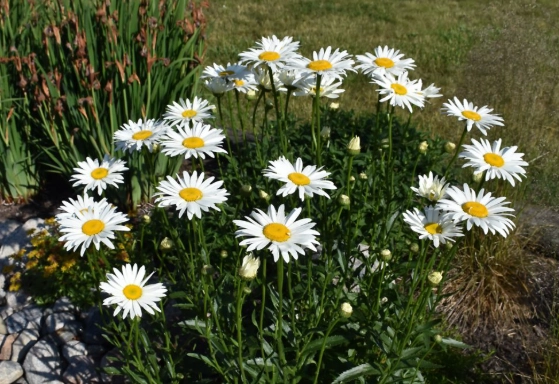
You know that the cultivar sets the range. You know that sun, lean soil, and a strategic chop are your levers to pull. You can look at a garden plan and confidently place a 'Snowcap' at the front and a 'Becky' at the back, knowing how their sizes will play together.
For further reading and to verify the hardiness and botanical details, I always recommend checking with authoritative horticultural sources. The Missouri Botanical Garden's Plant Finder is an incredible resource for details on specific cultivars, and the National Gardening Association has a wealth of practical advice from both experts and fellow gardeners. These links are goldmines for cross-referencing what you learn.
So go ahead. Pick your varieties with intention, plant them with knowledge, and get ready for a summer of stunning, perfectly proportioned daisies. Your garden—and your back (from less staking)—will thank you.