Quick Navigation
- The Story Behind the Bark: More Than Just a Laxative
- How Does Rhamnus Purshiana Cascara Actually Work?
- Navigating the Supplement Aisle: How to Choose a Cascara Product (If You Do)
- Cascara vs. Other Common Natural Laxatives
- Important Interactions and Who Should Absolutely Avoid It
- Answering Your Top Questions About Rhamnus Purshiana Cascara
Let's talk about something that doesn't get enough real talk in the natural health world: constipation. It's uncomfortable, frustrating, and sometimes you just want a solution that works without feeling like you're taking a harsh chemical. That's where a lot of people stumble upon the name Rhamnus purshiana cascara, often just called cascara sagrada. You've probably seen it on a supplement bottle in the store or mentioned in an online forum. But what is it really? Is it a gentle herbal helper or something you should be more cautious about? I've dug through the research, sifted through the hype, and even talked to a few folks who've used it, to give you the straight story.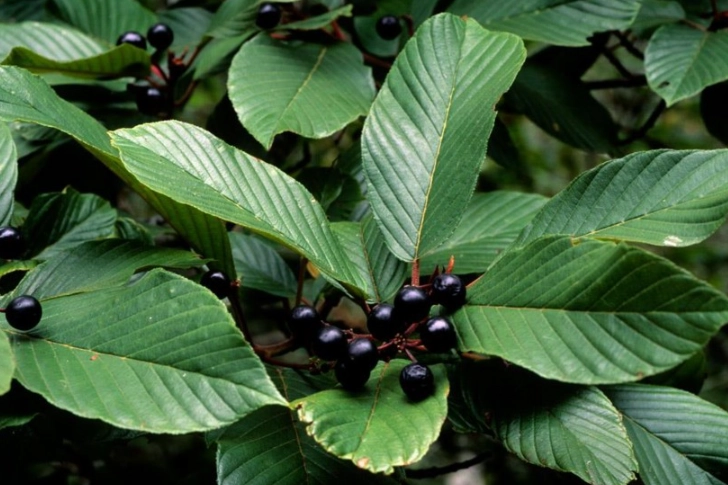
I remember first hearing about cascara years ago from an older friend who swore by it. "It's just tree bark," he'd say. But as with most things in herbal medicine, the devil—and the benefit—is in the details. This guide is my attempt to unpack all those details for you.
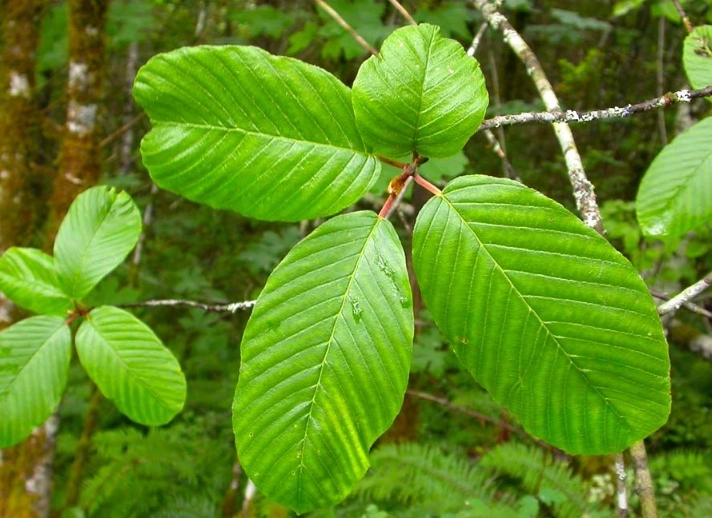
What exactly is it? At its core, Rhamnus purshiana cascara is the dried bark of a tree native to the Pacific Northwest of North America. The name "cascara sagrada" literally means "sacred bark" in Spanish, which gives you an idea of the historical reverence it held. It's been used for centuries, but its journey to modern shelves is a bit of a rocky one.
The Story Behind the Bark: More Than Just a Laxative
You can't really understand an herb without knowing its past. Long before it was an ingredient in a capsule, indigenous peoples of the Pacific Northwest used cascara bark. They had specific methods for harvesting and aging it, which turns out to be pretty important. The fresh bark is incredibly harsh and can cause severe cramping and nausea. They learned that by letting it age for at least a year, those undesirable effects lessened considerably. Modern science later figured out why: the aging process allows certain chemical compounds to oxidize and become milder.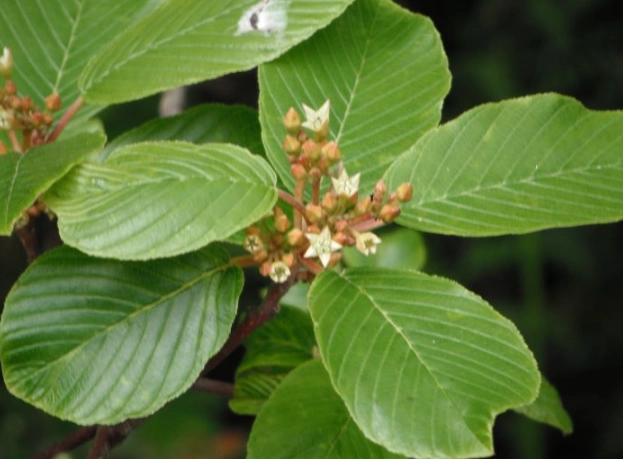
It became a staple in Western pharmacopeias in the late 19th and early 20th centuries. For decades, it was one of the most commonly prescribed laxatives. But here's where things get tricky, and why you see so much conflicting info online.
In 2002, the U.S. Food and Drug Administration (FDA) removed cascara from its list of ingredients generally recognized as safe and effective (GRASE) for over-the-counter laxative products. This wasn't because it was deemed toxic in normal use, but primarily due to a lack of modern safety data submitted by manufacturers. It's still available as a dietary supplement, which is regulated under different rules. This regulatory shift is a major point of confusion and something you won't see highlighted on most product labels.
So, it's not "banned," but its status changed. This is a classic case where an herb's long history of use clashes with modern regulatory requirements. It means you, as a consumer, need to be a bit more informed.
How Does Rhamnus Purshiana Cascara Actually Work?
Let's get into the mechanics. This is the part that matters if you're considering using it. Cascara is classified as a stimulant laxative. That's a key term. Unlike bulk-forming fibers (like psyllium) that add soft mass, or osmotic laxatives (like magnesium) that draw water into the colon, stimulant laxatives work by directly irritating the lining of the intestines. The active compounds, called anthraquinones (primarily cascarosides), trigger contractions of the intestinal muscles (peristalsis) and reduce the absorption of water and electrolytes in the colon, which softens the stool.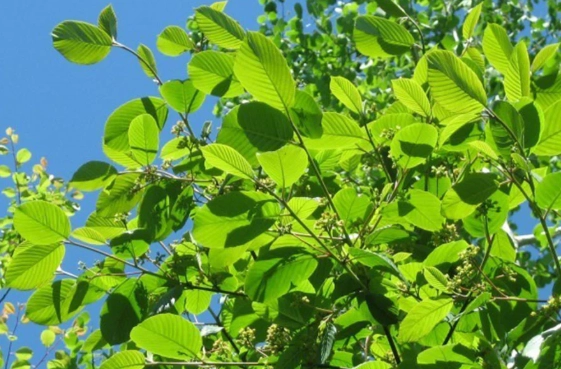
Think of it like giving your colon a nudge. A strong nudge.
The Good, The Bad, and The Crampy: Potential Effects and Side Effects
This mechanism of action explains both its effectiveness and its drawbacks.
The Potential Benefits:
- Relatively Fast Action: It often works within 6 to 12 hours, making it a candidate for occasional relief.
- Potency: For many, it can be effective when other gentle methods haven't worked.
- Natural Origin: It is a plant-derived substance, which appeals to those seeking alternatives to synthetic drugs.
Now, the part most product pages gloss over.
The Potential Side Effects and Risks:
- Abdominal Cramping and Discomfort: This is the most common complaint. That "nudge" can feel more like a shove for some people.
- Diarrhea and Dehydration: Because it reduces water absorption, it can lead to loose stools and, if overused, dehydration and electrolyte imbalances (like losing potassium).
- Dependency and "Lazy Bowel": This is the biggest long-term concern. Regular use of stimulant laxatives can lead your colon to rely on them. Over time, the natural muscle tone may weaken, making it harder to have a bowel movement without the laxative. It's a vicious cycle.
- Medication Interactions: It can interfere with how your body absorbs other medications. More on that later.
- Not for Everyone: It's contraindicated in many situations, like during pregnancy, breastfeeding, or if you have conditions like Crohn's disease, ulcerative colitis, appendicitis, or intestinal blockages.
I have to be honest here. Reading some forums, you'd think Rhamnus purshiana cascara is a harmless herbal tea. It's not. Its potency demands respect. A naturopath I spoke to put it bluntly: "It's a tool for specific, short-term situations, not a daily wellness supplement."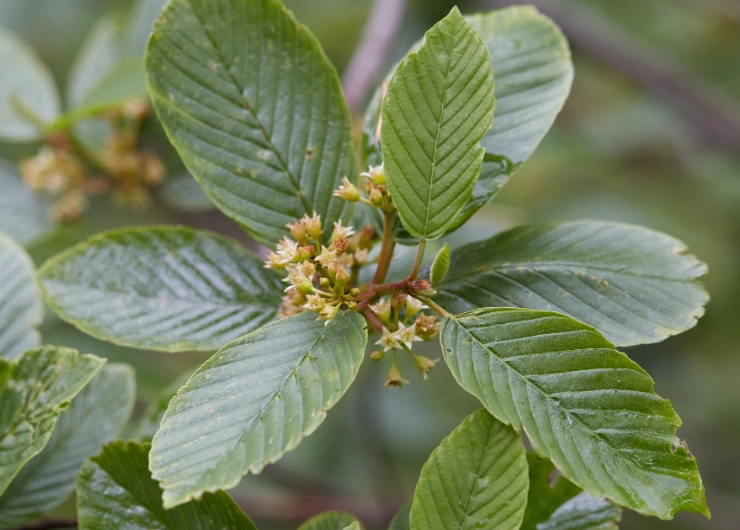
Navigating the Supplement Aisle: How to Choose a Cascara Product (If You Do)
Let's say you've considered the pros and cons, maybe talked to your doctor, and decided to try it for an occasional issue. The market is a mess. Here’s what I look for, based on expert advice and label scrutiny.
Key Selection Criteria:
- Standardized Extract: This is crucial. Look for products that specify the amount of active compounds (e.g., "standardized to X% cascarosides"). It ensures consistency and dosage control, unlike crude bark powder which can vary wildly in strength.
- Aged Bark Source: Reputable companies will state they use properly aged bark. If it doesn't mention it, that's a red flag.
- Clear Dosage Instructions: Avoid products with vague directions like "take as needed." Look for specific milligram amounts and clear warnings against long-term use.
- Third-Party Testing: A seal from organizations like USP, NSF, or ConsumerLab.com indicates testing for purity, contaminants, and accurate labeling. This is a huge plus for trust.
- Simple Formulations: Be wary of complex "colon cleanse" blends with multiple stimulant herbs (like senna, aloe latex). They can be overly harsh.
You might wonder, "What about the tea?" Personally, I'd avoid cascara teas. Dosing is nearly impossible to control—a strong steep versus a weak one makes a huge difference. Capsules of a standardized extract are simply a safer, more measured approach.
Cascara vs. Other Common Natural Laxatives
Where does Rhamnus purshiana cascara fit in the bigger picture? Let's compare. This table breaks down the key differences, which is super helpful for decision-making.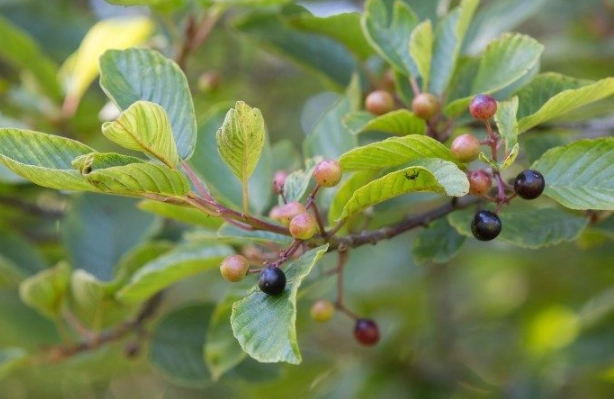
| Laxative Type | Example | Primary Mechanism | Onset of Action | Best For | Key Cautions |
|---|---|---|---|---|---|
| Stimulant | Rhamnus purshiana (Cascara), Senna | Irritates colon lining to stimulate contraction | 6-12 hours | Occasional, short-term relief when others fail | Risk of cramps, dependency, electrolyte loss. Not for long-term use. |
| Bulk-Forming | Psyllium Husk, Methylcellulose | Absorbs water to form soft gel, adds bulk to stool | 12-72 hours | Daily maintenance, chronic constipation, safest long-term option | Must be taken with plenty of water to avoid blockage. |
| Osmotic | Magnesium Citrate, Polyethylene Glycol (PEG) | Draws water into colon to soften stool | 30 min - 6 hours (varies) | Occasional to more frequent use, often doctor-recommended | Can cause gas, cramping, electrolyte imbalance with overuse. |
| Stool Softener | Docusate Sodium | Allows water/fat to penetrate hard stool | 12-72 hours | Preventing strain (e.g., post-surgery, hemorrhoids) | Does not stimulate bowel movement; just softens existing stool. |
See the pattern? Cascara is in the fastest-acting but also most potentially problematic category. For most people dealing with routine constipation, starting with a bulk-forming fiber or an osmotic agent like magnesium is a gentler, safer first step. The stimulants like cascara sagrada are really the last line of defense in the home toolkit.
Important Interactions and Who Should Absolutely Avoid It
This isn't just a sidebar; it's critical. Because cascara affects electrolyte levels (especially potassium depletion), it can have dangerous interactions.
- Heart Medications: Diuretics ("water pills") and digoxin. Low potassium levels exacerbated by cascara can increase the risk of serious side effects from these drugs, including dangerous heart rhythms. The National Center for Complementary and Integrative Health (NCCIH) highlights the importance of discussing all supplements with your doctor if you're on heart meds.
- Steroids: Drugs like prednisone also lower potassium. Combining them is asking for trouble.
- Blood Thinners: There's a theoretical risk of interaction with warfarin, though evidence is mixed. It's just not worth the gamble.
- Other Laxatives or Diuretics: Combining stimulant laxatives compounds the risk of dehydration and electrolyte crash.
Contraindications (Do Not Use If): You are pregnant or breastfeeding (anthraquinones can cross the placenta and into breast milk). You have undiagnosed abdominal pain, appendicitis, inflammatory bowel disease (Crohn's, UC), or an intestinal obstruction. You have kidney disease. You are dehydrated.
Health Canada, the Canadian health authority, has a clear public advisory on natural health products containing cascara, emphasizing its short-term use only and listing these very contraindications. It's a good, authoritative reference.
Answering Your Top Questions About Rhamnus Purshiana Cascara
No. I can't stress this enough. It is not intended for daily or long-term use. Using it for more than 7-10 days consecutively can start the cycle of dependency and may harm colon function. If you find yourself needing it daily, that's a signal to see a doctor to find the root cause of your constipation.
Typically, you'll feel the effects in 6 to 12 hours after taking it. That's why it's often recommended at bedtime for relief in the morning. The bowel movement it induces is usually a one-time event, not continuous diarrhea throughout the day (unless you took too high a dose).
There is no universal dose because potency varies so much. This is why standardized extracts are key. For a product standardized to a certain percentage of cascarosides, follow the manufacturer's instructions to the letter, and always start with the lowest possible dose. For non-standardized bark, it's a guessing game I don't recommend playing. Historically, medicinal doses ranged from 1 to 2.5 grams of the dried bark.
This is a major misconception and a dangerous one. Any weight loss from using cascara is water weight and stool clearance, not fat loss. The idea of "cleansing" the colon is largely a marketing myth; a healthy colon doesn't need detoxing. Using it for this purpose almost guarantees misuse, overuse, and the side effects that come with it. The Merck Manual, a trusted medical reference, is clear that colon cleanses are unnecessary and can be harmful.
This is the gap. While there are centuries of traditional use, high-quality, long-term human studies on Rhamnus purshiana cascara are scarce. Most of the safety concerns (like dependency and electrolyte issues) are extrapolated from what we know about the stimulant laxative class as a whole. The lack of this modern data is precisely why its regulatory status shifted.
The Bottom Line Takeaway: Think of Rhamnus purshiana cascara as a potent herbal tool with a specific job. It's not a daily vitamin or a harmless tea. Its value lies in providing occasional, short-term relief from constipation when gentler methods aren't enough. The keys to using it responsibly are: 1) Consult your doctor first, especially if you have health conditions or take medications. 2) Choose a quality, standardized product. 3) Use the absolute lowest effective dose. 4) Never use it for more than 7-10 days in a row. 5) Focus on addressing the underlying causes of constipation (diet, fiber, water, exercise, stress) for a real, long-term solution.
Navigating natural remedies can feel overwhelming. There's so much conflicting advice. My goal here was to strip away the marketing and give you a clear, balanced, and realistic view of what cascara sagrada is and isn't. Your gut health is a marathon, not a sprint. Choose your tools wisely.
Reader Comments