Your Gardenia Care Roadmap
Let's be honest right from the start. Growing gardenias isn't like growing mint or zucchini. You can't just stick them in the ground and forget about them. If you've ever bought a lush, bud-covered gardenia from the nursery only to watch it turn into a yellow-leafed, bloom-less stick figure in your living room, you know what I'm talking about. That heartbreak is real. I've been there, staring at a plant that cost me a pretty penny, wondering what I did wrong.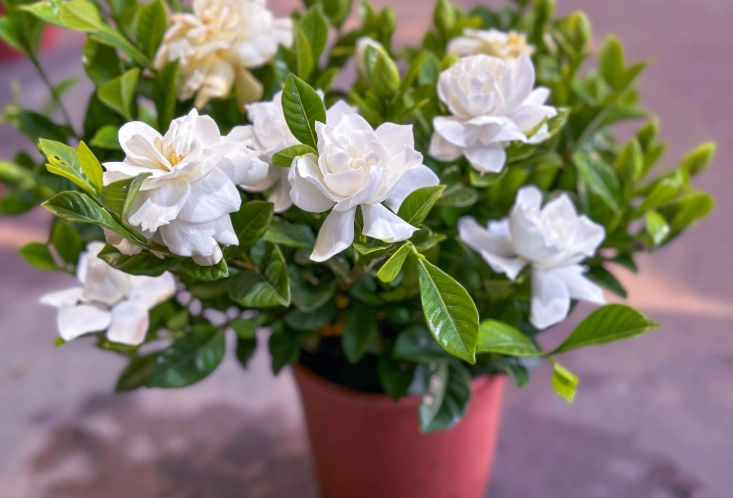
But here's the good news. Gardenias aren't impossible. They're just... particular. They have a specific list of demands, and if you meet them, they reward you with the most incredible, waxy white blooms and a fragrance that can stop you in your tracks. The kind of scent that fills a room, or an entire patio. That's the goal, right?
This guide isn't a fluffy, overly optimistic pep talk. It's a straight-shooting, step-by-step manual based on what actually works, what I've learned from killing a few (and finally succeeding with many), and the solid science from folks who know plants inside and out. We're going to cover everything—the soil secrets, the watering tightrope, the light dance, and how to deal with the bugs that seem to love gardenias as much as we do.
Getting Started: Choosing Your Gardenia and Its Home
Before you even touch a shovel, you need a plan. A big part of successfully growing gardenias is setting them up for success from day one.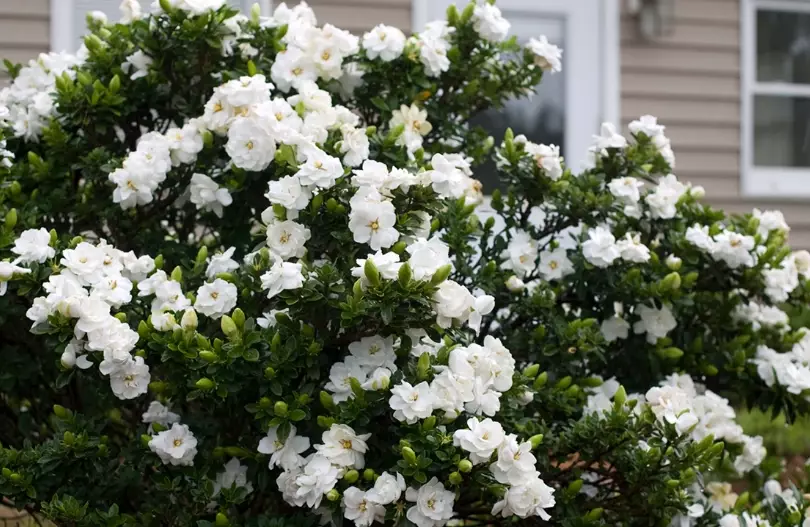
Picking the Right Variety for You
Not all gardenias are created equal. Some are bred to be tougher, some are more compact, and some bloom at different times. Wandering the nursery without a clue is a recipe for a mismatch. Here are a few common ones you'll likely encounter:
| Variety Name | Key Features | Best For |
|---|---|---|
| 'August Beauty' | Long blooming season (spring through fall), large double flowers. A classic, vigorous grower. | Gardeners who want flowers for months, not just a spring flash. |
| 'Kleim's Hardy' | As the name hints, it's more cold-tolerant than most. Single flowers, compact growth (about 3 feet). | Those in borderline climates (like USDA zone 7) where winters can be iffy. |
| 'Radicans' | A low, spreading ground cover type. Only grows about 6-12 inches tall but can spread several feet. Smaller leaves and flowers. | Edging, containers, or as a fragrant, evergreen groundcover. |
| 'Mystery' | Very large, double flowers (can be 4-5 inches across!) on a larger shrub. The iconic florist's gardenia. | A statement plant where you have space for a 6-foot shrub. Needs perfect conditions. |
| 'Jubilation' | A newer, award-winning variety known for repeat blooming and better disease resistance. | Beginners or anyone who wants a slightly more forgiving plant. |
My personal favorite for containers is 'Kleim's Hardy'. It's manageable, tough, and still pumps out that amazing scent. 'Mystery' is stunning, but it's a diva. Only go there if you're ready to commit.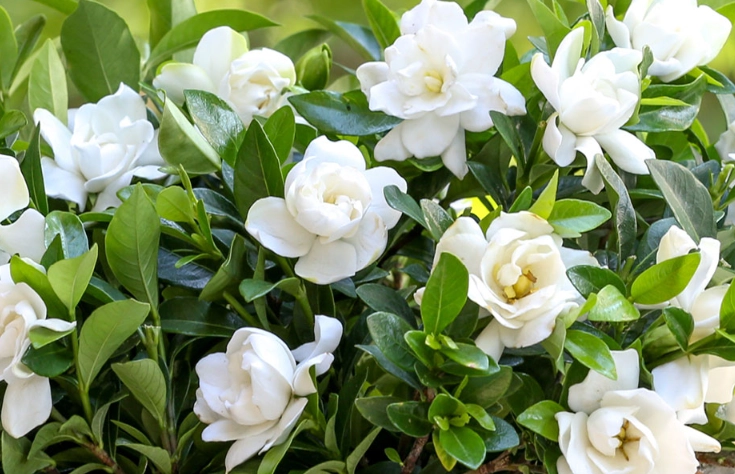
The Non-Negotiables: Light and Location
This is where most first attempts go sideways. Gardenias are Goldilocks when it comes to light.
- Outdoors: They crave bright, filtered light or morning sun with afternoon shade. Think of the light under a tall pine tree. Full, blazing afternoon sun will scorch the leaves. Deep, full shade will give you a lovely green bush with zero flowers. That sweet spot of 4-6 hours of direct sun (preferably morning) is the target.
- Indoors: This is a serious challenge. They need the brightest spot you have—a south or west-facing window is usually a must. Even then, it might not be enough. I've had modest success indoors, but the plants are never as robust as their outdoor cousins. A common trick is to put them outside for the warm months and bring them to the brightest possible spot for winter.
And wind? They hate it. A sheltered location protects those delicate buds and prevents the soil from drying out too fast.
The Foundation of Success: Soil, Water, and Food
If light is the stage, then soil, water, and fertilizer are the lead actors. Get this trio wrong, and the whole play falls apart.
Soil: It's All About the Acid
This is the single most important factor. Gardenias are acid-loving plants (ericaceous is the fancy term). They need a soil pH between 5.0 and 6.0. In neutral or alkaline soil, they can't access iron and other nutrients, leading to the dreaded chlorosis—yellow leaves with green veins.
Don't guess. A simple soil test kit from the garden center is a few dollars well spent. If your soil isn't acidic enough, you must amend it.
- For Planting Beds: Dig a hole two to three times wider than the root ball, but only as deep. Mix the native soil with a large amount of peat moss and some composted pine bark. Peat is naturally acidic. You can also use a bagged soil mix labeled for azaleas, camellias, and rhododendrons—they have the same needs.
- For Containers: This is easier. Never use generic potting soil. Always fill your pot with a premium potting mix formulated for acid-loving plants. It's worth the extra couple of dollars.
I made the mistake of using regular garden soil in a pot once. The gardenia survived, but it sulked for a year until I repotted it with the right mix.
Watering: The Constant Balancing Act
Gardenias like their soil consistently moist, but never soggy. “Evenly moist” is the mantra. Letting them dry out causes bud drop (they'll abort flowers to save themselves). Keeping them waterlogged causes root rot (a death sentence).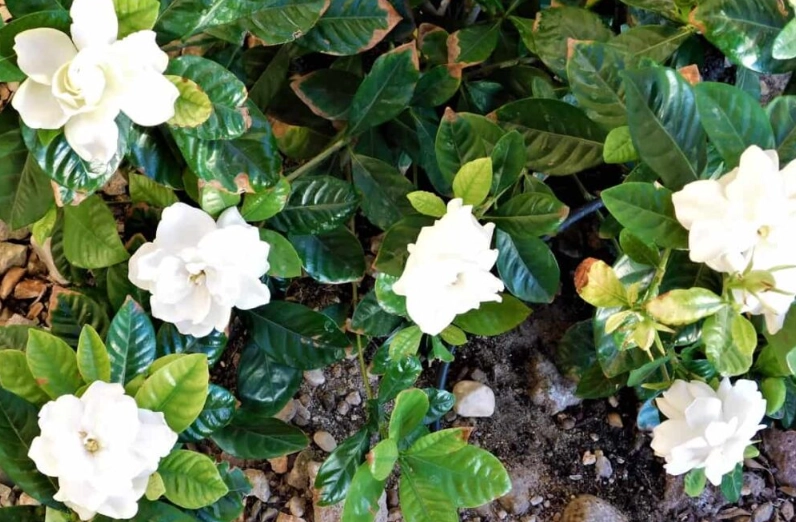
How do you hit this moving target?
- Check the soil before watering. Stick your finger an inch or two into the soil. If it feels dry, it's time to water.
- Water deeply so that it runs out the bottom of the pot or soaks deep into the root zone. This encourages deep roots.
- Mulch is your best friend. A 2-3 inch layer of pine straw, shredded pine bark, or oak leaves over the root zone does wonders. It keeps the soil cool, retains moisture, and as it breaks down, it gently acidifies the soil. Just keep it away from the stem.
- Water quality matters, especially for potted plants. Tap water in many areas is hard and alkaline. Over time, this can slowly raise the soil pH. Using rainwater, distilled water, or letting tap water sit out overnight can help.
Feeding: The Right Food at the Right Time
Gardenias are moderate feeders. They need nutrients to support all that glossy foliage and flower production.
- What to use: Always use a fertilizer labeled for acid-loving plants or azaleas/camellias. These have the right nutrient balance and often include chelated iron to prevent yellowing. Look for something with a slightly higher potassium (the third number, like 4-3-4) to support blooms and hardiness.
- When to feed: Start in early spring as new growth appears. Follow the package instructions, but a good rule is to feed every 4-6 weeks through the end of summer. Stop feeding by late summer/early fall. You don't want to encourage tender new growth that will get zapped by the first frost.
- An extra boost: If you see those yellow leaves with green veins despite using acidic soil and fertilizer, it's an iron deficiency. A liquid chelated iron supplement sprayed on the leaves (foliar feed) can green them up remarkably fast. It's like a vitamin shot.
I learned the “stop feeding in fall” lesson the hard way. A late-season feeding resulted in frost damage on the new tips. The plant recovered, but it was ugly for a while.
The Ongoing Care: Pruning, Buds, and Winter
Okay, you've planted it perfectly. Now, how do you keep it happy year after year?
Pruning and Shaping
Pruning isn't strictly necessary for health, but it keeps them looking good. The key timing is right after the main spring bloom flush is over. Gardenias set their flower buds for next year on new growth that develops in the summer and fall. If you prune in late summer or fall, you're cutting off next year's flowers.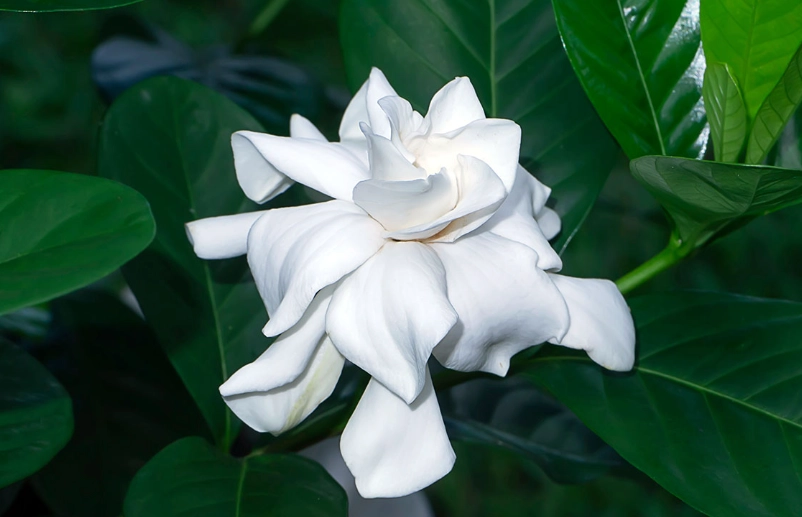
Just take your clean, sharp pruners and:
- Remove any dead, damaged, or crossing branches.
- Shape the plant by cutting back leggy stems just above a leaf node.
- You can deadhead spent flowers (pinch them off) to keep things tidy, but it's not crucial.
The Heartbreak of Bud Drop (and How to Stop It)
Nothing is more frustrating than watching plump, green buds turn brown and fall off. It's usually caused by an environmental stress. The plant decides it can't support the bloom, so it jettisons it. Common culprits are:
- Sudden temperature swings: A hot, dry wind or a sudden cold snap.
- Inconsistent watering: Letting the plant dry out or overwatering.
- Low humidity: Especially for indoor plants. Try placing the pot on a tray of pebbles with water (pot above the water line).
- Moving the plant: Once buds are set, try not to move or rotate the plant drastically. The change in light direction can trigger drop.
Once a bud starts to brown, it's a goner. The fix is prevention: stabilize its environment.
Overwintering: Getting Through the Cold
This depends entirely on your climate and whether your gardenia is in the ground or a pot.
- Cold-Hardy Varieties in Ground (Zones 7-8): A thick layer of mulch over the roots is essential. You can also cover the shrub with burlap or a frost cloth on nights when a hard freeze is predicted. The goal is to protect the roots and prevent windburn on the leaves.
- Potted Gardenias in Cold Climates: You have two choices. 1) Bring it indoors to that bright, cool (55-65°F) spot before the first frost. Expect some leaf drop as it adjusts to lower light. 2) Overwinter it in a dormant state in an attached garage or basement where temps stay above freezing but are cool (35-50°F). It will lose leaves and look dead, but water it very sparingly just to keep the roots from completely drying out. Bring it back into light and warmth in early spring.
The University of Georgia Extension has a fantastic, detailed publication on growing gardenias that covers regional winter care in depth. It's a trusted resource I check every fall.
Solving Problems: Pests and Diseases
Even with perfect care, bugs and fungi love gardenias. Catching problems early is everything.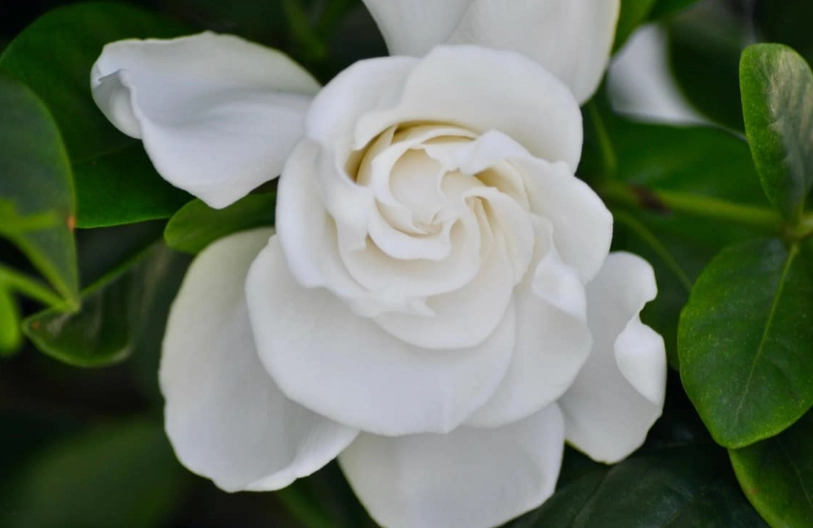
Common Pests
- Whiteflies: Tiny, white, moth-like insects that swarm when you disturb the plant. They suck sap and leave sticky honeydew. Yellow sticky traps help monitor. Insecticidal soap or neem oil sprays (covering the undersides of leaves) are the go-to treatment.
- Spider Mites: Nearly invisible, but they cause stippling (tiny yellow dots) on leaves and fine webbing. They thrive in hot, dry conditions. A strong blast of water from the hose can dislodge them. Insecticidal soap or miticides work.
- Mealybugs: Looks like tiny bits of white cotton in leaf axils and stem joints. Dab them with a cotton swab dipped in rubbing alcohol, or use insecticidal soap.
- Aphids: Often cluster on new, tender buds and shoots. The same treatments apply.
My personal nemesis is scale. They look like little brown bumps on stems and leaves. Systemic insecticides are often needed for heavy infestations, but horticultural oil sprayed in the dormant season (if your plant goes dormant) can smother them.
Common Diseases
- Sooty Mold: A black, powdery fungus that grows on the honeydew excreted by pests like whiteflies and aphids. It doesn't directly infect the plant, but it blocks sunlight. Control the pest, and the sooty mold will go away. You can wipe leaves with a damp cloth.
- Root Rot: Caused by overwatering or poor drainage. Symptoms include overall decline, wilting (even when soil is wet), and blackened roots. Prevention (proper soil and watering) is the only cure. A plant with advanced root rot is often a loss.
- Leaf Spot: Fungal or bacterial spots on leaves. Improve air circulation, avoid overhead watering, and remove severely affected leaves. Fungicides can be used as a preventative in humid climates.
The American Horticultural Society's pest and disease resource pages are excellent for identifying issues with clear photos.
Putting It All Together: A Seasonal Checklist
Let's simplify this into a calendar. Think of this as your gardenia cheat sheet.
- Early Spring: Prune if needed (after any danger of frost). Apply first dose of acid-loving plant fertilizer as new growth appears. Check mulch, top up if thin.
- Late Spring/Summer: Enjoy the blooms! Water consistently and deeply. Feed every 4-6 weeks. Deadhead spent flowers if you want. Monitor closely for pests like whiteflies.
- Late Summer (by early September): Stop fertilizing. This is critical. Continue watering as needed.
- Fall: Prepare for winter. For in-ground plants in marginal zones, apply a fresh, thick layer of mulch after the first frost. For pots to be brought in, check thoroughly for pests before moving indoors.
- Winter: Protect from hard freezes. Water potted plants sparingly if they are in a cool, dormant state. For indoor plants, provide maximum light and humidity.
Growing gardenias successfully is a practice in attentive, consistent care. It's not about doing one big thing right; it's about getting a dozen little things right, most of the time. When you walk outside on a warm June evening and that sweet, heavy fragrance hits you, every bit of effort feels worth it. You're not just growing a plant; you're growing an experience.
Start with the right variety for your space, nail the acidic soil and consistent moisture, and be vigilant. You can do this. And when you get those first perfect, waxy white blooms, you'll know—you've cracked the code.
Got a specific gardenia struggle I didn't cover? Hit me up in the comments. I've probably been through it, and we can figure it out together.