In This Guide
- The Name Game: Filbert vs. Hazelnut - What's the Difference?
- From Flower to Your Table: How Filberts Grow
- Why You Should Care: Nutrition and Health Perks
- How to Use Filbert Nuts in Your Kitchen
- Buying and Storing: Keeping Them Fresh
- Your Filbert Nut Questions, Answered (FAQ)
- Wrapping It Up: The Simple Joy of the Filbert
You've probably seen them in mixed nuts, tasted them in chocolate spreads, or maybe your grandma had a tree she called a "filbert." But if someone asked you point blank, "what is a filbert nut?" could you give a straight answer? I know I stumbled a bit the first time I was asked. Is it a hazelnut? A different nut altogether? The names get tossed around like confetti, and it's easy to get confused. I remember buying a bag labeled "hazelnuts" for a recipe, only to have my friend from Oregon tell me they were technically the same as the filberts her family grew. That sent me down a rabbit hole.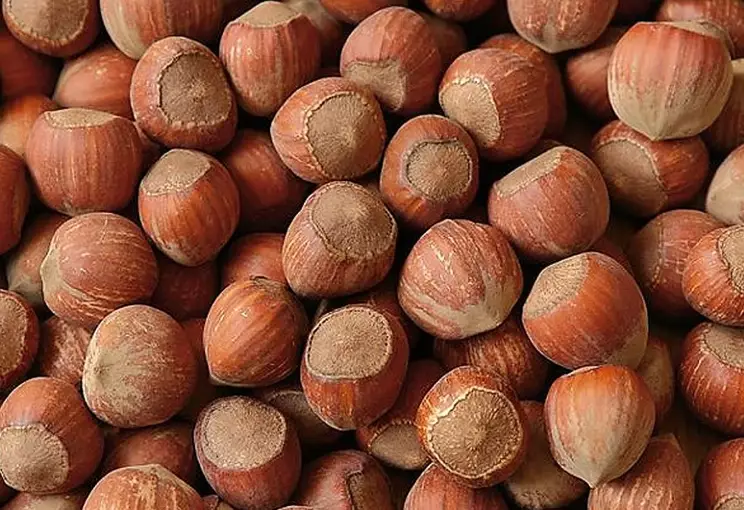
Turns out, the story of the filbert nut is a perfect mix of history, botany, and regional lingo. It's not some exotic, rare find from a far-off land—chances are you've eaten one. But knowing exactly what you're eating, where it comes from, and why it has two (or more) names makes the whole experience richer. It's like knowing the difference between a clementine and a mandarin. So, let's settle this once and for all and dive into everything you could possibly want to know about this delightful little nut.
The Short Answer: A filbert nut is, for all practical purposes, the same thing as a hazelnut. The core difference usually comes down to the specific cultivated variety and regional naming traditions. In many parts of the world, especially the US Pacific Northwest (the heart of American production), the terms are used interchangeably for cultivated nuts. However, some purists and older sources reserve "filbert" for certain longer, oval-shaped cultivars.
The Name Game: Filbert vs. Hazelnut - What's the Difference?
This is where most of the confusion starts. Are they identical twins or just cousins? The truth is, it's complicated, but not in a frustrating way. Think of it like this: all filberts are hazelnuts, but not all hazelnuts are specifically called filberts. Let's break it down.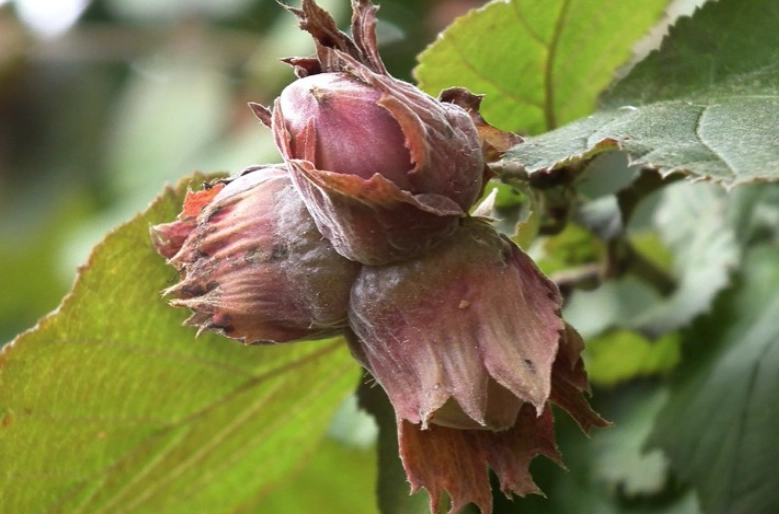
Botanically, the nuts we eat come from shrubs or small trees belonging to the genus Corylus. The most common commercial species is Corylus avellana, often called the European hazel. The term "hazelnut" is the broader, more common name. It's thought to come from the Anglo-Saxon word "haesel," meaning a hood or hat, which describes the leafy husk covering the nut.
So where did "filbert" come from? The most popular theory points to St. Philbert's Day, which falls on August 22nd. This is right around the time these nuts ripen in parts of Europe. The nuts became known as "Philiberts," which eventually shortened to "filberts." Another theory suggests the name comes from the German "vollbart," meaning "full beard," describing the long, husky covering on some varieties. I find the St. Philbert story more charming, even if it might be folklore.
In practice today, the naming is heavily regional. In the UK and most of Europe, "hazelnut" is king. Walk into any grocery store, and that's what you'll see on the package. Cross the Atlantic to Oregon, which produces 99% of the U.S. commercial crop, and the industry and many old-timers proudly use the term "filbert." The Oregon Filbert Commission only officially changed its name to the Oregon Hazelnut Commission in the early 2000s for marketing clarity, but the local love for "filbert" remains strong. For the average shopper, if you're buying nuts in North America, you can safely assume "hazelnut" and "filbert" refer to the same delicious product, though the shape might hint at the intended name.
Breaking Down the Main Varieties (Because Not All Are Created Equal)
If you really want to understand what a filbert nut is, you need to look at the different cultivars. This is where the shape distinction often comes into play. Commercial growers select for specific traits: yield, disease resistance, shell thickness, and, crucially, shape and flavor.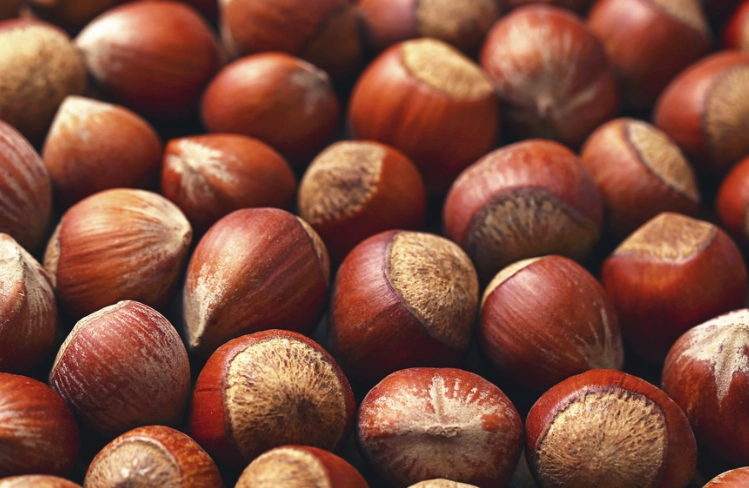
Some of the most important cultivars grown in Oregon, the world's hazelnut/filbert powerhouse, include Barcelona, Ennis, and the newer, blight-resistant varieties like Jefferson and Yamhill. Barcelona is a classic, high-yielding variety with a more rounded shape—often marketed as a hazelnut. The Ennis is larger and has a superb flavor but is very susceptible to disease. Then you have varieties like the Italian "Tonda Gentile delle Langhe" or the Turkish "Tombul," which are prized for their perfect roundness and are almost exclusively called hazelnuts.
Here’s a quick look at how some common types stack up:
| Common Name / Cultivar | Typical Shape | Flavor Profile | Primary Growing Region | Often Called... |
|---|---|---|---|---|
| Barcelona | Plump, Round to Slightly Oval | Classic, robust nutty flavor | Oregon (USA), Chile | Hazelnut or Filbert |
| Ennis | Large, Round | Rich, sweet, high-quality | Oregon (USA) | Filbert |
| Jefferson | Medium, Round | Sweet, mild | Oregon (USA) | Hazelnut (newer variety) |
| Tonda Gentile Romana | Perfectly Round | Intensely aromatic, sweet | Italy | Hazelnut (Premium) |
| Turkish Tombul | Round, Slightly Pointed | Very sweet, high oil content | Turkey (Black Sea coast) | Hazelnut |
See? The "filbert" label often clings to the older, sometimes more oval-shaped cultivars from the Pacific Northwest, while the perfectly round ones from Europe and Turkey are almost always hazelnuts. But it's a blurry line, not a strict rule.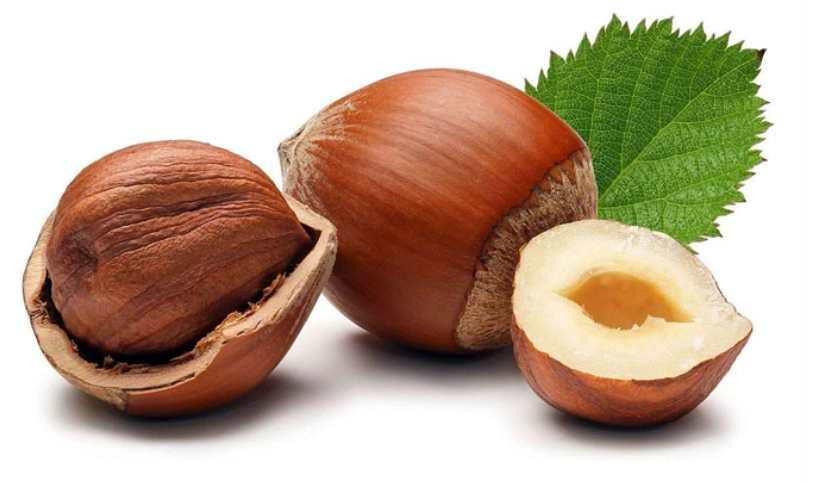
From Flower to Your Table: How Filberts Grow
It's one thing to know what a filbert nut is in the bag, another to see where it comes from. These nuts have a fascinating growth cycle. The trees themselves are relatively small and shrub-like, which makes harvesting easier. They're also monoecious, meaning a single tree has both male and female flowers. The male flowers are those long, pale yellow catkins you might see dangling from bare branches in late winter—they look like little lambs' tails. They're actually pretty charming. The female flowers are tiny, red, and bud-like; you have to look closely to spot them.
The wind does the pollination work. After pollination, the nut develops inside a protective green husk (that "hood" or "beard"). As summer progresses, the nut matures, and the husk turns brown. In large orchards, harvest typically happens in late September or October. Modern farms use mechanical shakers to grab the tree trunk and shake the ripe nuts onto the ground, where they're swept up. It's a far cry from hand-picking, which is what my friend's grandparents did.
After harvest, the nuts are dried to reduce moisture and prevent mold, which also helps the flavor to concentrate and the kernels to separate cleanly from their shells. Then they're cleaned, sorted, cracked (if sold as kernels), and often roasted to develop that deep, toasty flavor we all love.
Pro Tip: If you ever get your hands on fresh, unshelled filberts/hazelnuts, give them a shake. If you hear the kernel rattling inside, it's fully dried and ready to eat. A silent nut might need more drying time.
Why You Should Care: Nutrition and Health Perks
Okay, so we know what a filbert nut is and where it comes from. But is it good for you? The answer is a resounding yes. These little powerhouses are more than just a tasty crunch.
First off, they're packed with healthy fats—primarily monounsaturated fats, the same kind found in olive oil, which are heart-healthy. They're a good source of plant-based protein and dietary fiber, which helps with satiety and gut health. But where they really shine is in their micronutrient profile. Filberts are an excellent source of vitamin E, a powerful antioxidant that protects your cells. They also provide a significant dose of magnesium (important for muscle and nerve function), copper, and manganese.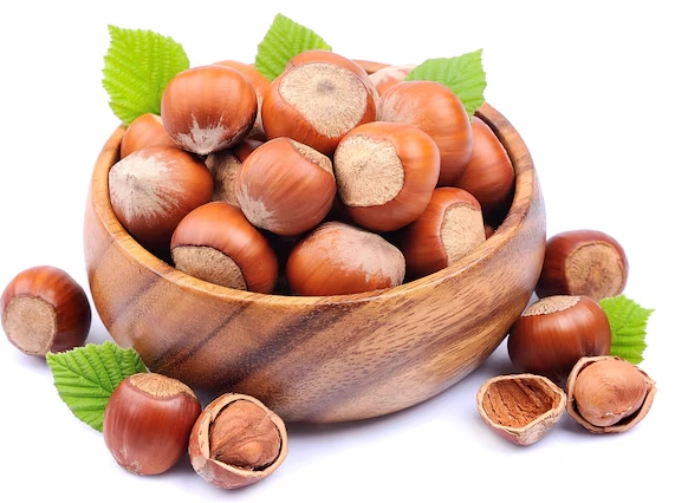
One of the standout features is their antioxidant content, primarily from compounds like proanthocyanidins. Studies have suggested that regular consumption of tree nuts, including hazelnuts/filberts, is associated with a reduced risk of heart disease. The combination of good fats, fiber, and antioxidants helps improve cholesterol profiles and reduce inflammation. The Harvard T.H. Chan School of Public Health includes hazelnuts in its list of healthy nuts, highlighting their nutrient density.
I'll be honest, though—the health benefits are a fantastic bonus, but for me, it's the flavor that wins. Knowing they're good for you just makes eating them guilt-free.
Potential Downsides (Let's Be Real)
No food is perfect, and filberts are no exception. The two main things to watch out for are calories and allergies.
They are energy-dense. A single ounce (about 20 kernels) has around 180 calories. It's very easy to mindlessly munch through a handful and not realize you've just eaten a small meal's worth of energy. Portion control is key. I've definitely overdone it with a bowl of roasted, salted filberts while watching a movie. Not a disaster, but something to be mindful of.
The bigger issue is for those with tree nut allergies. Hazelnuts/filberts are a common allergen. Reactions can range from mild oral allergy syndrome (itchy mouth) to severe anaphylaxis. If you have a known tree nut allergy, you must avoid them entirely. Always check food labels, as hazelnuts are a common ingredient in chocolates, baked goods, and even some coffee creamers.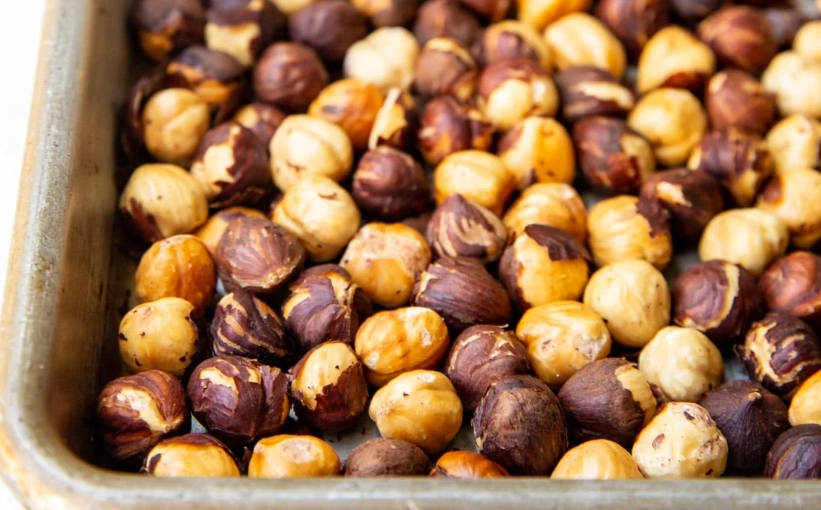
How to Use Filbert Nuts in Your Kitchen
This is the fun part. Once you understand what a filbert nut is, you can start playing with it in the kitchen. Its versatility is incredible, moving from savory to sweet without breaking a sweat.
Raw vs. Roasted: You can eat them raw, which gives a softer, more vegetal flavor. But roasting transforms them. It deepens the flavor, adds crunch, and makes the skin easier to rub off (that bitter, papery skin). To roast, spread shelled nuts on a baking sheet and bake at 350°F (175°C) for 10-15 minutes, until fragrant and golden. Let them cool, then rub in a clean kitchen towel to remove most of the skins. Don't stress about getting every bit off.
Sweet Applications: This is their kingdom. The classic is, of course, paired with chocolate. Think gianduja (that smooth chocolate-hazelnut paste), Nutella (the famous spread), and pralines. Chopped filberts are fantastic in cookies, brownies, and biscotti. They add wonderful texture and flavor to fruit crisps and are a key component in dacquoise, a beautiful meringue-based cake. Try making your own frangipane—an almond-hazelnut cream used in tarts.
Savory Power: Don't sleep on this! Toasted, chopped filberts add a fantastic crunch and richness to salads (especially with goat cheese and beets). They make a great crust for fish or chicken. Ground into a meal, they can thicken and flavor sauces and soups. I love making a simple pesto with basil, olive oil, garlic, Parmesan, and toasted filberts instead of pine nuts—it's cheaper and has a deeper, earthier flavor. They're also brilliant sprinkled over roasted vegetables like green beans or Brussels sprouts.
Beyond the Kernel: Have you heard of filbert oil? It's a specialty product, cold-pressed from the nuts. It has an intense, nutty aroma and a low smoke point, making it perfect for finishing dishes—drizzle it over roasted squash, soup, or even vanilla ice cream. It's pricey but a little goes a long way.
Buying and Storing: Keeping Them Fresh
To enjoy filberts at their best, you need to store them right. Their high oil content means they can go rancid if left in warm, bright conditions.
- Unshelled: They have the longest shelf life. Store in a cool, dark place (like a pantry) for up to 6 months. In the shell, they're well-protected.
- Shelled, Raw or Roasted: This is critical. Put them in an airtight container and store them in the refrigerator. They'll last for about 4 months this way. For even longer storage (up to a year), freeze them. I use a vacuum sealer for my bulk buys from the farmers' market, but a sturdy zip-top freezer bag with the air squeezed out works great too.
- Ground Nut Meal/Flour: Because it has more surface area exposed to air, it goes rancid fastest. Always store it in the fridge or freezer and use it within a couple of months.
A quick sniff test is your friend. Fresh filberts smell sweet and nutty. If they smell like old paint, crayons, or just "off," they've turned rancid. Toss them.
Your Filbert Nut Questions, Answered (FAQ)
What is a filbert nut's main difference from a hazelnut?
In everyday use, there is no significant difference for the consumer; they are the same nut from the Corylus genus. The distinction is largely historical and regional, with "filbert" often referring to specific oval-shaped cultivars and being the preferred term in the US Pacific Northwest.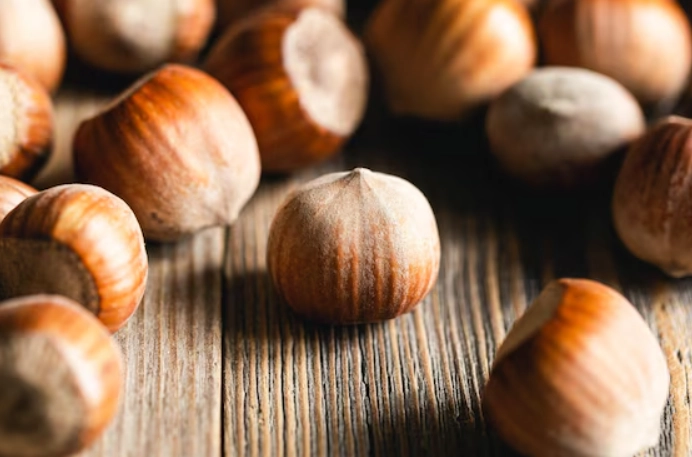
Are filberts and cobnuts the same thing?
Ah, you're digging deeper! Cobnut is another name, primarily used in the UK for a specific type of large, round cultivated hazelnut that is harvested and sold fresh (not dried) while the husk is still green. It's a seasonal treat. So, all cobnuts are hazelnuts/filberts, but not all hazelnuts are cobnuts.
Where are most filbert nuts grown?
Globally, Turkey is the dominant producer, supplying about 70% of the world's crop. The United States is a distant second, with almost all of its commercial production centered in Oregon's Willamette Valley. Other notable producers include Italy, Spain, and Azerbaijan. You can explore production data from the UN Food and Agriculture Organization (FAOSTAT).
Can I grow a filbert tree in my backyard?
You can, if you have the right climate! They prefer temperate zones with cool, moist winters and mild summers (like USDA zones 4-8). They need well-drained soil and, crucially, at least two different varieties for cross-pollination. Be warned: squirrels love them even more than we do. The Oregon State University Extension Service has fantastic, detailed guides for both commercial and home growers.
Why are my filberts sometimes bitter?
The bitterness usually comes from the thin, papery skin that clings to the kernel. Roasting the nuts and then rubbing them vigorously in a towel removes most of this skin and eliminates much of the bitterness. Also, rancid nuts taste very bitter and unpleasant—always check freshness.
Wrapping It Up: The Simple Joy of the Filbert
So, after all that, what is a filbert nut? It's a humble, ancient food with a slightly confusing name, a nutritional powerhouse, and a culinary chameleon. Whether you call it a filbert, a hazelnut, or just "that tasty nut in my chocolate," its appeal is universal.
It connects us to history (St. Philbert's Day!), to specific places (the misty valleys of Oregon, the hills of Italy), and to simple pleasures. The next time you bite into a piece of chocolate-hazelnut candy or sprinkle toasted nuts on a salad, you'll know exactly what you're enjoying. You'll know the story behind the name, the work that goes into growing it, and the goodness it brings to your body.
That's knowledge worth savoring.
Maybe even grab a handful and toast to St. Philbert. Or just enjoy them because they're delicious. That's reason enough.
Reader Comments