Quick Guide to Pink Calla Lilies
- What Exactly Is a Zantedeschia Pink Calla Lily?
- Getting Started: Planting Your Pink Calla Lily Bulbs
- Keeping It Alive and Thriving: The Care Routine
- Popular Pink Zantedeschia Varieties to Hunt Down
- Overwintering: What to Do When the Party's Over
- Beyond the Garden: Using Pink Calla Lilies in Design
- Answering Your Burning Questions (FAQ)
Let's talk about the pink calla lily. You've probably seen it – that elegant, trumpet-shaped bloom in the softest shades of blush, rose, and candy floss. It's the flower that makes you stop and stare at the garden center or sigh with envy in a fancy floral arrangement. Its proper name is Zantedeschia, which is a mouthful, but we'll stick with pink calla lily most of the time. It looks delicate, almost too perfect to be real. But here's the thing I wish someone had told me years ago: it's not nearly as fussy as it looks.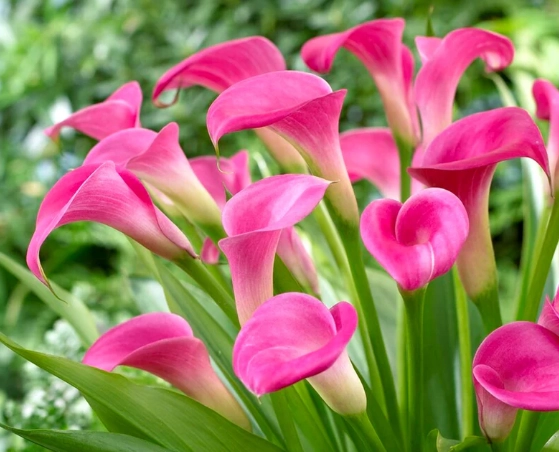
I killed my first one. I admit it. I treated it like a fragile princess, over-watered it, put it in a dark corner, and wondered why it just gave up on me. It was a classic case of loving a plant to death. Since then, I've grown dozens, made plenty more mistakes (learning from them, of course), and figured out what these stunning plants actually want. Turns out, they're pretty tough cookies once you know their simple rules.
This guide is everything I learned the hard way, plus a ton of research and chatting with much better growers than me. We're going to strip away the intimidation factor. Whether you want to grow them in pots on your patio, add a splash of sophisticated pink to your garden beds, or even use them as long-lasting cut flowers, you'll find the answers here. No fluff, just practical steps and honest advice.
What Exactly Is a Zantedeschia Pink Calla Lily?
First, a tiny bit of botany to clear up confusion. "Calla lily" is a common name, but it's a bit of a misnomer. True lilies belong to the genus *Lilium*. Our pink beauty belongs to the genus Zantedeschia, part of the Araceae family (the same as peace lilies and philodendrons). What we call the "flower" is actually a specialized leaf called a spathe, which curls around the central spike, the spadix, where the actual tiny flowers are. Mind-blowing, right?
So why choose a pink one? Beyond the obvious beauty, pink calla lilies bring a different mood. White ones are classic and bridal, dark purple ones are dramatic, but the pink zantedeschia? It's romantic, cheerful, and modern all at once. It softens landscapes and arrangements. It's less formal than the white, more playful. In the language of flowers (if you're into that), it symbolizes admiration and appreciation. I just think it makes people happy to look at.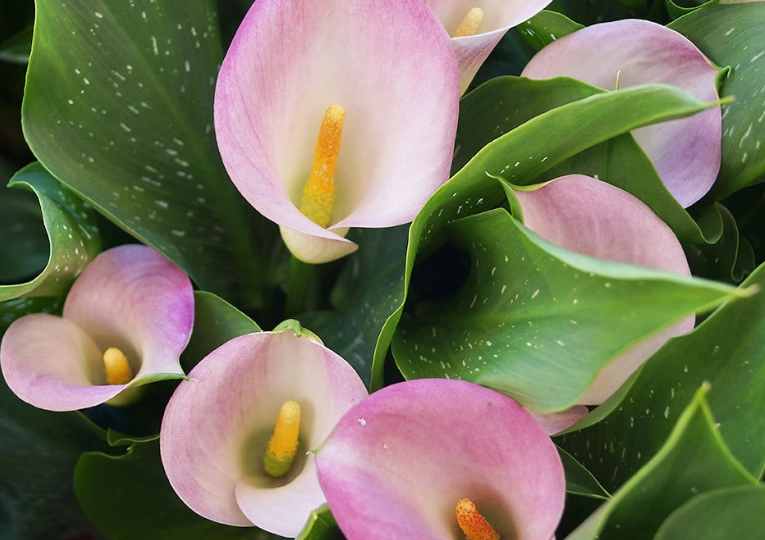
You'll find them sold as dormant rhizomes (often called bulbs, though they're technically tuberous rhizomes) in spring, or as potted plants already in growth. Starting from a "bulb" is more satisfying and often cheaper.
Getting Started: Planting Your Pink Calla Lily Bulbs
This is where success is really decided. Get the planting right, and half your battle is won. The timing and method are crucial.
When to Plant
Think warm soil. These are subtropical plants. Planting too early in cold, wet soil is the number one reason for rot. A good rule of thumb is to plant your Zantedeschia pink calla lily rhizomes about two weeks after your last expected spring frost date. The soil should be warming up nicely. If you're impatient (like me), you can start them indoors in pots about a month before the last frost, then move them outside once the weather settles.
Where to Plant: Sun vs. Shade
Here's a common misconception: they need full shade. Not quite. For the richest pink color and the most blooms, they prefer morning sun and afternoon shade, or dappled light all day. In cooler climates, they can handle more sun. In hot, intense southern sun, they'll need that afternoon protection to prevent scorching. The leaves tell you everything—if they're bleaching or crisping at the edges, it's too much sun.
The Perfect Soil Recipe
This is non-negotiable. Pink calla lilies demand soil that drains like a dream. They love moisture but despise soggy feet. Heavy, clay soil is their nemesis.
Here’s my fail-proof potting mix for containers, which you can also amend garden beds with:
- 2 parts high-quality potting mix: The fluffy, peat or coir-based kind.
- 1 part perlite or coarse horticultural sand: This is for drainage. Don't skip it.
- 1 part compost or well-rotted manure: For nutrients and a bit of water retention.
For garden beds, dig in a generous amount of compost and some grit or sand to open up the soil. Raised beds are an excellent option.
To Pot or Not to Pot?
I grow most of mine in pots. Why? Control. I can control the soil, the water, and move them to follow the sun or escape a hailstorm. A pot that's at least 10-12 inches deep and wide is perfect for one large rhizome or a couple of smaller ones. Ensure it has massive drainage holes. No saucers full of stagnant water, ever.
But they look absolutely spectacular mass-planted in a garden border too. Just make sure that drainage is impeccable.
Keeping It Alive and Thriving: The Care Routine
Okay, they're in the ground. Now what? The care is surprisingly simple once you get the rhythm.
Watering: The Goldilocks Principle
Not too much, not too little. When they are actively growing and flowering, they like consistently moist soil. Think of a well-wrung-out sponge. Stick your finger in the soil—if the top inch is dry, it's time to water. Water deeply until it runs out the bottom, then let it approach that dry-ish stage again.
The biggest shift happens when they finish blooming and the leaves start to yellow. This is their signal to go dormant. Gradually reduce watering until you stop completely. This dormancy period is vital for them to rest and store energy for next year's show.
Feeding for Fabulous Flowers
These plants are moderate feeders. A balanced, water-soluble fertilizer (like a 10-10-10) every two to three weeks during the growth and bloom period works wonders. Some folks swear by a fertilizer higher in phosphorus (the middle number) to boost blooming. I've used both and seen great results. The key is to stop feeding once flowering ends as you wind down watering.
Over-fertilizing, especially with high-nitrogen formulas, will give you a jungle of beautiful leaves but very few of those stunning pink spathes. We want the flowers!
Dealing with Pests and Problems
They're relatively trouble-free, but here are the usual suspects:
- Aphids: They sometimes cluster on new growth. A strong blast of water or a bit of insecticidal soap takes care of them.
- Spider Mites: In hot, dry conditions. Increase humidity and hose down leaves.
- Root Rot: The only serious issue, caused by overwatering/poor drainage. Prevention is the only cure. If the plant collapses and the rhizome is mushy, it's a goner.
I had a bout of powdery mildew one cool, damp fall. It looked awful but didn't kill the plant. Improving air circulation and avoiding overhead watering is the fix.
Popular Pink Zantedeschia Varieties to Hunt Down
Not all pink calla lilies are the same shade. The variety you choose can change the whole look. Here are some top performers you're likely to find: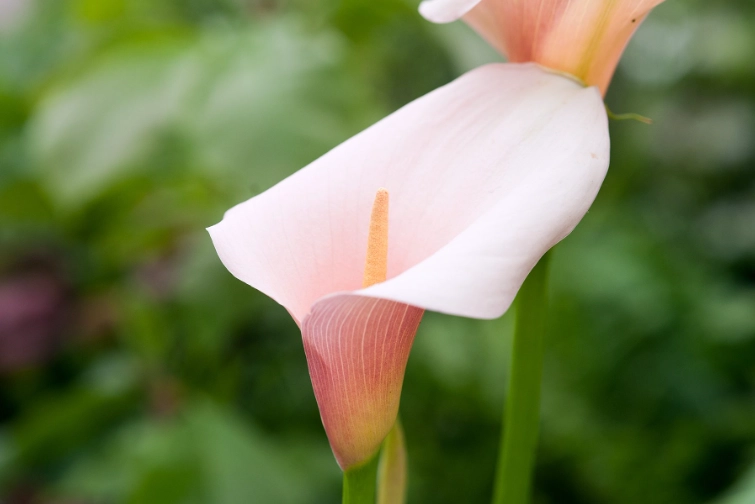
| Variety Name | Pink Shade & Description | Height | Best For |
|---|---|---|---|
| 'Picasso' | A stunning two-tone. Deep purple at the base fading to a creamy white edge, often with a pink blush. Dramatic and artistic. | 16-20 inches | Container focal point, cutting |
| 'Hot Chocolate' | A deeper, dusky rose-pink with almost chocolatey undertones. Very modern and sophisticated. | 14-18 inches | Modern arrangements, contrasting with silver foliage |
| 'Captain Amigo' | A vibrant, clear pink. One of the most floriferous (bloom-happy) varieties I've grown. | 16-20 inches | Mass planting for big color impact |
| 'Pink Persuasion' | A soft, pastel baby pink. The classic romantic look. Extremely popular for weddings. | 18-24 inches | Romantic gardens, bridal bouquets |
| 'Red Alert' (leans pink) | More of a deep coral-pink or salmon. Adds a warm, tropical feel. The foliage is often speckled. | 12-16 inches | Patio pots, mixed borders |
My personal favorite is 'Picasso'. It never fails to get comments. 'Captain Amigo' is the workhorse that just pumps out blooms. Try a couple and see which pink speaks to you.
Overwintering: What to Do When the Party's Over
This is the part that scares people in colder climates. Fear not. Zantedeschia pink calla lily plants are not hardy in freezing winters (generally USDA zones 8 and warmer can leave them in the ground with mulch). For most of us, they're treated as tender perennials.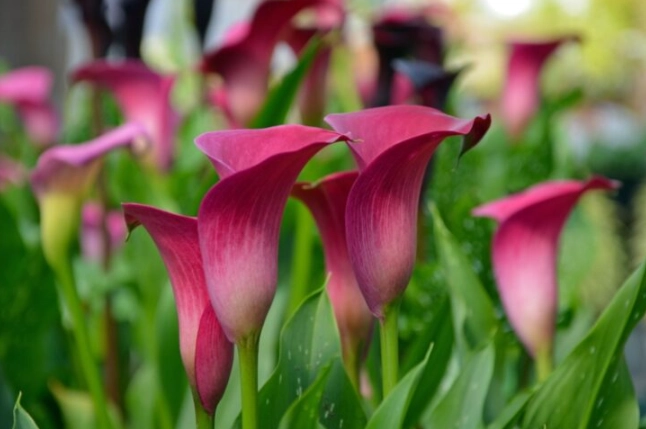
Here's the simple process:
- After the leaves yellow and die back naturally in fall, stop watering.
- Gently dig up the rhizomes (or empty the pot). Brush off excess soil. Don't wash them.
- Let them cure (dry) in a warm, airy spot out of direct sun for a few days.
- Store them in a box or paper bag filled with slightly moist peat moss, vermiculite, or wood shavings. The goal is to keep them from shriveling but not damp enough to rot.
- Place the box in a cool, dark, frost-free place like a basement or garage (around 50-60°F is ideal).
- Forget about them until next spring!
Check once or twice during winter for any signs of rot or excessive drying. It's much easier than it sounds. I store mine in my basement in an old cardboard box with some shredded newspaper, and they do just fine.
Beyond the Garden: Using Pink Calla Lilies in Design
Their elegance makes them a designer's dream. The long, strong stems and incredible vase life (easily 7-10 days) are a huge bonus.
As Cut Flowers
Cut the stems when the spathe is fully unfurled but the spadix is still tight. Use a sharp knife. Sear the end of the stem for a few seconds with a flame (or dip in boiling water) to seal in the sap—this dramatically extends vase life. Then place immediately in cool, fresh water. Change the water every couple of days. You can find more professional tips on floral care from resources like the British Florist Association.
Wedding and Event Magic
They are a premium wedding flower for a reason. Their sleek shape works in modern, minimalist bouquets and lush, romantic cascades alike. They pair beautifully with roses, peonies, hydrangeas, or just lots of greenery. Pink calla lilies convey a sense of refined joy.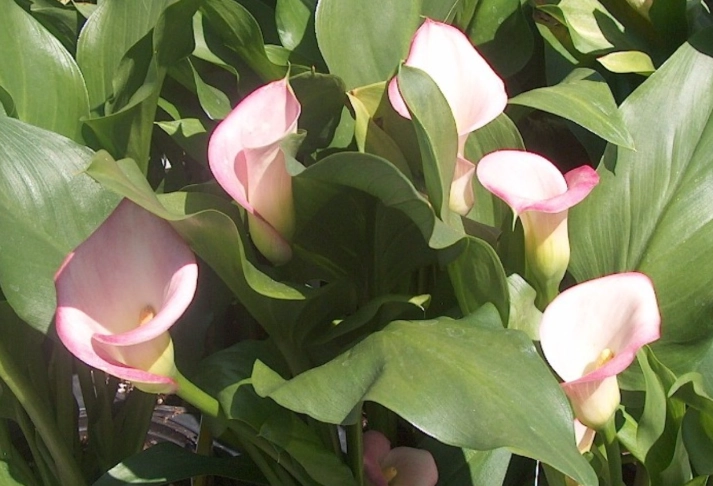
Container Combinations
In a large pot, pair a pink zantedeschia with trailing plants that have silver or dark foliage. Think silver falls dichondra, sweet potato vine ('Marguerite' or 'Blackie'), or cascading lobelia. The contrast makes the pink pop even more.
Answering Your Burning Questions (FAQ)
Let's tackle the stuff you're actually typing into Google.
Why are the leaves on my pink calla lily turning yellow?
If it's during the growing season: Overwatering is the prime suspect. Check your drainage. Could also be under-watering (dry, crispy yellow) or a nutrient deficiency. If it's in the fall, it's perfectly normal—the plant is entering dormancy. Let it die back naturally.
My plant has lots of leaves but no flowers. What's wrong?
The classic frustration. The main culprits are: 1) Not enough light. Move it to a brighter spot (with afternoon shade). 2) Too much nitrogen fertilizer. Switch to a bloom-booster formula. 3) The rhizome is too young or was divided recently. It might need another season to establish. 4) Lack of a proper dormancy period. If you didn't let it rest, it may be exhausted.
Are pink calla lilies perennials?
Yes, they are perennial plants, but their hardiness is limited by cold. In warm climates (USDA zone 8 and above), they can be left in the ground year-round. In colder zones, you must lift and store the rhizomes over winter, as described above. The USDA Plant Hardiness Zone Map (available here) is your best friend for figuring this out for your location.
Can I grow them indoors year-round?
You can try, but it's tricky. They need bright, indirect light and consistent moisture. The bigger issue is that they really benefit from a dormancy period. Forcing them to grow continuously often leads to a weak, leggy plant with few flowers. It's better to give them an outdoor summer and an indoor rest period.
How do I propagate them to get more plants?
The easiest way is by division. When you dig up the rhizomes for winter storage (or in early spring before planting), look for natural separations. You can gently break or cut off smaller offsets, ensuring each piece has at least one growing point (eye). Let the cut surface callous over for a day before planting or storing. Those little offsets might take a year to reach blooming size, so be patient.
So, there you have it. The Zantedeschia pink calla lily is not a diva, just a plant with clear preferences. Give it light (but not scorching sun), fantastic drainage, a good feed during the season, and a winter nap, and it will reward you with some of the most graceful and captivating flowers in your garden. Don't be afraid to get your hands dirty and try it. Start with one pot this season. You might just fall in love.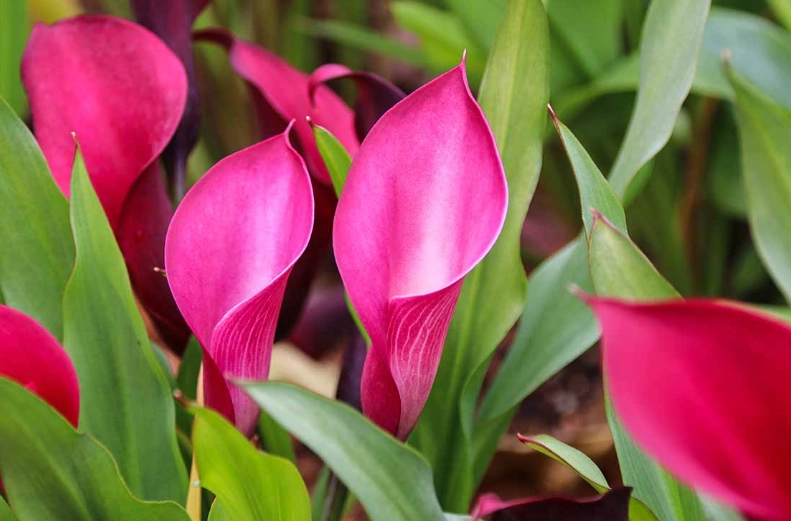
And if your first attempt isn't perfect? Don't sweat it. Mine wasn't either. Gardening is all about learning, and the payoff with these pink beauties is absolutely worth the effort.
Reader Comments