A Quick Guide to Spruce Trees
You've probably seen them a thousand times. Standing tall and pointy in forests, lining suburban streets during the holidays with lights, or maybe you've even cursed at one for dropping needles all over your driveway. But if someone stopped you and asked, "Hey, what is a spruce tree?" could you give them a clear answer beyond "it's that Christmas tree-looking thing"?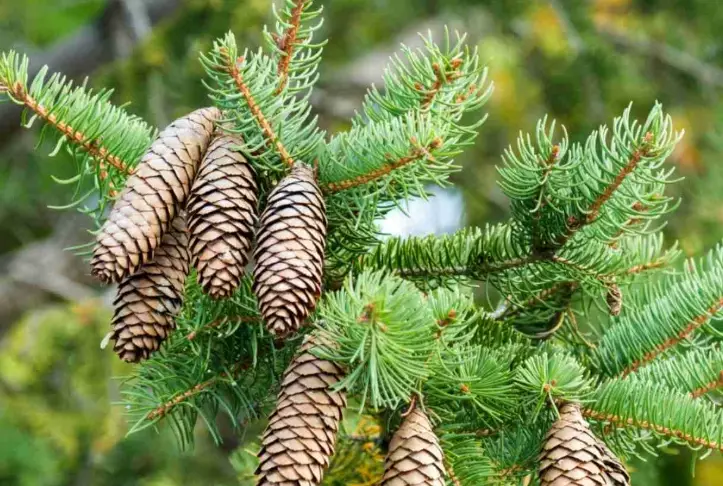
I used to lump all evergreens together. Pine, fir, spruce—they were all just "pointy green trees" to me. That was until I tried to plant one in my backyard and picked the absolute wrong type for the spot. Let's just say it didn't end well for the tree, or my wallet. That experience sent me down a rabbit hole, and now I can spot a spruce from a hundred paces.
In the simplest terms, a spruce tree is a type of coniferous evergreen tree that belongs to the genus Picea. They're part of the pine family (Pinaceae), which explains the family resemblance. But they have a personality—and a set of needs—all their own.
They're tough, they're useful, and they're everywhere from the Arctic circle to your local garden center.
The Tell-Tale Signs: How to Know You're Looking at a Spruce
Forget the vague descriptions. Identifying a spruce is about the details. Once you know what to look for, it becomes second nature. The whole "what is a spruce tree" question gets answered by your own eyes.
The Needles: Nature's Little Pokey Pencils
This is the single easiest way to crack the case. Spruce needles are individual, not in bundles like pine needles. Each needle grows out of a tiny, woody peg on the branch called a pulvinus. When a spruce needle falls off, it leaves this rough, peg-like stub behind. Run your hand down a spruce branch (carefully!), and it feels bumpy, almost like sandpaper.
Now, pick up a single needle. Roll it between your fingers. Feel those edges? A spruce needle has a four-sided, square-ish cross-section. It's like a tiny, green pencil. Those sharp edges make the needles distinctly prickly and stiff. This is the origin of the classic advice: "Spruce needles are sharp and single (S for Spruce and Sharp). Fir needles are flat and friendly (F for Fir and Flat)." It's cheesy, but it works.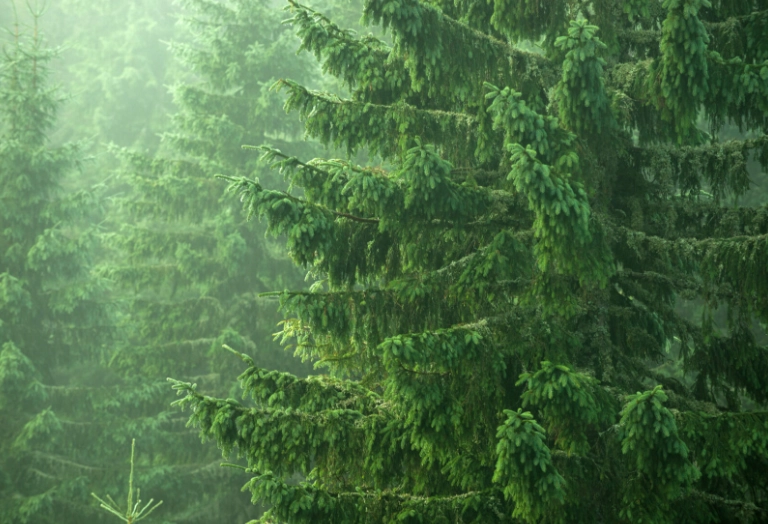
The Cones: Hanging Papery Ornaments
Spruce cones hang down from the branches. They're usually papery-thin and flexible compared to the heavier, woodier cones of some pines. When they're mature and dry, their scales are thin and feel almost like stiff paper. A cool thing? Unlike fir cones, which disintegrate on the tree, spruce cones fall to the ground intact. You'll often find them littering the forest floor beneath a spruce.
The Shape and Bark: The Overall Look
Mature spruces typically have that classic pyramidal or conical shape—wide at the bottom, tapering to a point at the top. It's the shape we all draw as kids. The bark is usually thin, scaly, and grayish-brown. On older trees, it can form flaky plates. The branches often grow in whorls (kind of like layers on a cake) and can have a slightly drooping or "weeping" habit, especially on certain species.
But here's where it gets tricky. How do you separate a spruce from its look-alike cousins, the firs and pines?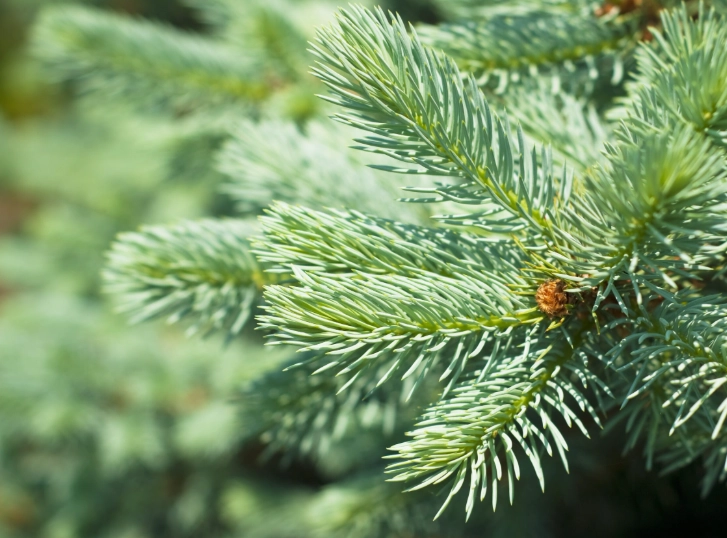
| Feature | Spruce Tree (Picea) | Fir Tree (Abies) | Pine Tree (Pinus) |
|---|---|---|---|
| Needles | Single, square, sharp, on woody pegs. | Single, flat, soft, attached directly with a suction-cup-like base. | Grouped in bundles (2, 3, or 5), long and soft. |
| Cones | Hang DOWN, papery scales, fall intact. | Stand UP on branches, disintegrate on the tree. | Hang down or out, usually woody and hard. |
| Bark | Thin, scaly, flaky plates on old trees. | Often smoother with resin blisters. | Thick, deeply furrowed, chunky. |
| Feel | Rough, prickly branches. | Smooth, soft branches. | Varies, but often less prickly than spruce. |
See? It's all in the specifics. Knowing this, you'll never confuse a spruce for a fir again.
The Major Players: Common Types of Spruce Trees You'll Actually Encounter
Not all spruces are created equal. The genus Picea has around 35 species, but only a handful are superstars in landscaping and forestry. Understanding the differences is key if you're thinking of planting one.
Norway Spruce (Picea abies)
The classic. Fast-growing, tall, with dark green needles and drooping branchlets. It's the traditional European Christmas tree and a major timber tree. It grows so fast it can feel a bit aggressive—not great for small spaces unless you're committed to serious pruning. Honestly, it's a bit of a bully in a mixed planting.
Colorado Blue Spruce (Picea pungens)
The rockstar. Famous for its stunning silvery-blue to blue-green needles. It's slower growing than Norway spruce and has a stiff, formal appearance. A mature Blue Spruce is a majestic landscape specimen. But be warned—it's prone to a few nasty diseases (like Cytospora canker) in humid climates, which can be a real letdown. Do your research on local disease pressure before planting this beauty.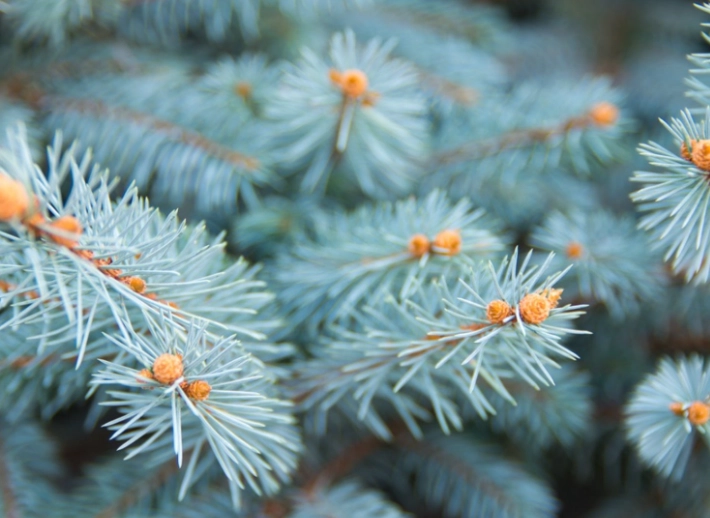
White Spruce (Picea glauca)
The tough cookie. Native to the northern boreal forests of North America, this one is incredibly cold-hardy. Its needles are bluish-green and have a slight, some say unpleasant, odor when crushed (earning it the nickname "Cat-piss Spruce"—not the most glamorous). But you can't argue with its resilience.
Black Spruce (Picea mariana)
The swamp dweller. Often found in boggy, wet areas of the northern forests. It's usually shorter, with a skinny, narrow crown and bluish-green needles. Not a common landscape tree, but ecologically vital and the source of spruce gum for pioneers.
Serbian Spruce (Picea omorika)
The elegant one. A more slender, graceful spruce with a narrow profile. Its needles are dark green on top with two bright white stripes underneath, giving the whole tree a shimmering effect in the wind. It's more tolerant of pollution and city conditions than some other spruces, which is a huge plus.
And there are dozens of cultivars—dwarf varieties, weeping forms, ones with golden needles. The world of spruce trees is surprisingly diverse once you start looking.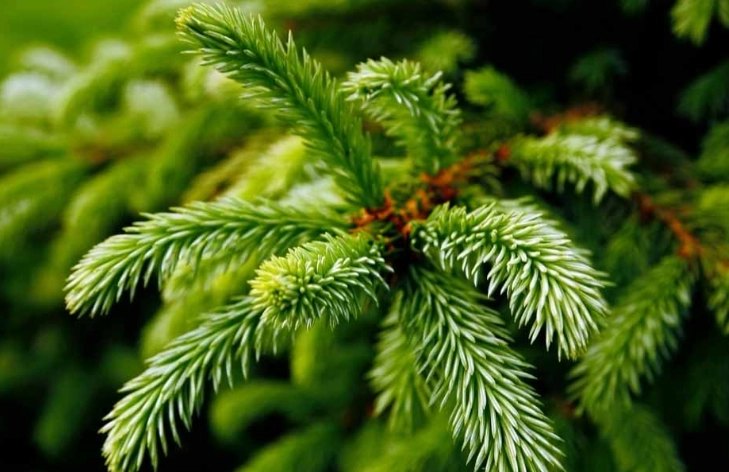
Why Do We Even Care? The Surprisingly Useful Life of a Spruce
Okay, so we know what a spruce tree is and how to spot it. But why does it matter? What's so special about these trees? Turns out, a lot.
Wood and Paper: The Backbone Industry
Spruce wood is light-colored, relatively soft, and has excellent resonance. This makes it incredibly valuable.
- Timber: Used for construction framing, crates, and millwork. It's strong for its weight.
- Pulp: This is the big one. Spruce is a primary source of pulp for making paper. That book on your shelf? Thank a spruce.
- Musical Instruments: The holy grail. The slow-grown, tight-grained spruce from old-growth forests (like Sitka Spruce) is prized for soundboards in pianos, violins, and guitars. The USDA Forest Service notes its historical importance for aircraft frames in WWII due to its strength-to-weight ratio.
The Christmas Tree Champion
For decades, spruces like the Norway Spruce were the Christmas tree. They have that perfect shape. But they have a major flaw: their needles dry out and drop very quickly once cut, especially in a warm house. That's why many tree farms have shifted to firs, which hold their needles better. Still, the spruce Christmas tree tradition lives on, especially in Europe.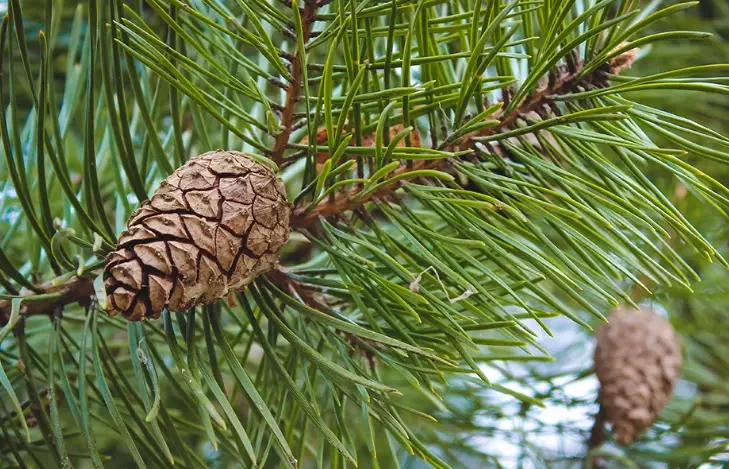
Landscaping and Windbreaks
Spruces are workhorses in the landscape. Their dense, evergreen foliage provides year-round privacy and a windbreak that can slash heating costs. A row of White or Norway Spruce planted on the north side of a property is a living snow fence and wind barrier. Just give them room. Planting them five feet from your foundation is a recipe for future root problems.
Ecological Powerhouse
In the wild, spruce forests (especially the boreal Taiga) are crucial ecosystems. They provide shelter and food for birds like crossbills (whose beaks are specially evolved to pry open spruce cones), squirrels, and countless other creatures. The dense canopy creates a unique microclimate underneath.
Edible and Medicinal Uses (Yes, Really!)
This one surprises people. Young, light-green spruce tips that emerge in spring are edible and packed with Vitamin C. They have a citrusy, resinous flavor. You can make spruce tip syrup (amazing on pancakes or in cocktails), beer, or even salt them. Native American tribes used various parts of spruce trees for teas to treat scurvy and respiratory issues. The Forest Service also documents traditional uses of spruce pitch as a waterproof sealant and antiseptic.
I tried making spruce tip syrup once. It was a sticky, messy process, but the flavor was unlike anything else—like a pine forest in a bottle. Totally worth the effort.
Thinking of Planting One? A Realistic Care Guide
Inspired to add a spruce to your yard? Slow down. Let's talk brass tacks about what it really takes. This isn't a "plant it and forget it" tree for most people.
Site Selection: The Most Important Step
Get this wrong, and nothing else matters. Most spruces demand:
- Full Sun: At least 6 hours of direct sun. Less, and they get thin and sad.
- Well-Drained Soil: This is non-negotiable. They hate "wet feet." Heavy, clay soil that stays soggy will lead to root rot and a dead tree. If you have clay, you need to plant on a mound or seriously amend the soil.
- Space: Look up the mature height and width of your chosen species. A Colorado Blue Spruce can be 50 feet wide. Don't cram it next to your house or under power lines.
- Wind: They can handle wind, but newly planted trees may need staking in exposed sites.
Planting and Initial Care
Plant in early spring or early fall. Dig a hole twice as wide as the root ball, but no deeper. You want the root flare (where the trunk widens at the base) to be slightly above ground level. Backfill with the native soil, water deeply to settle it, and apply a 2-3 inch layer of mulch (like wood chips) in a wide ring around the tree. Keep the mulch away from the trunk itself to prevent rot.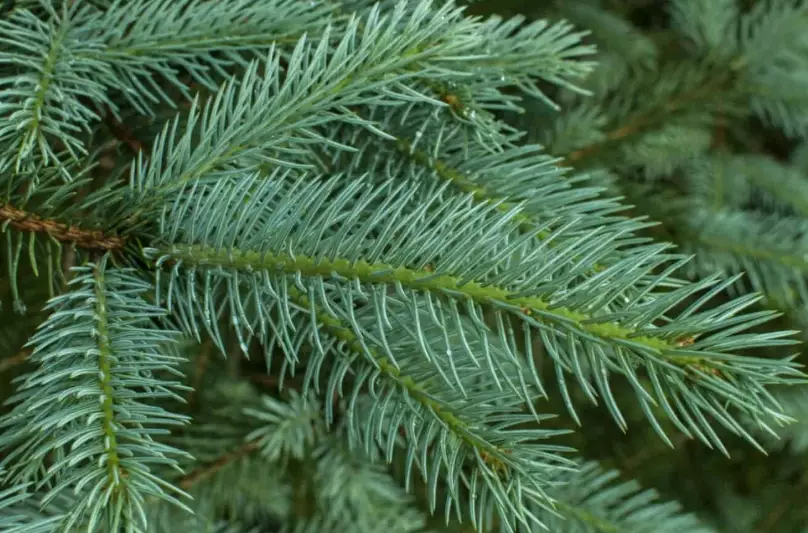
Watering is critical for the first 2-3 years. Deep, infrequent watering encourages deep roots. Don't just sprinkle the surface.
Ongoing Maintenance: The Reality Check
Spruces are generally low-maintenance once established, but they're not zero-maintenance.
- Pruning: You can prune to shape them or remove dead lower branches, but do it in late winter/early spring. Never cut back to bare wood—they won't sprout new growth from old wood. The central leader (the top shoot) is sacred; don't cut it off unless you want a weird, bushy top.
- Fertilizing: Not usually necessary in decent soil. If growth is stunted, a slow-release fertilizer in spring can help.
- Pests and Diseases: This is the real kicker. Spruces can get hit by:
- Spruce Budworm: Larvae that eat new shoots. Can defoliate a tree.
- Spruce Gall Adelgids: Cause weird, pineapple-shaped galls on the tips.
- Cytospora Canker: A fungal disease that kills branches from the bottom up, often on Blue Spruce. It's ugly and hard to control.
- Spider Mites: Cause bronzing of needles, worse in hot, dry weather.
You need to keep an eye out. A stressed tree (from drought, poor soil, or wrong climate) is a magnet for problems.
Your Top Questions About Spruce Trees, Answered
After talking to hundreds of gardeners and tree enthusiasts, these are the questions that come up again and again when someone is figuring out what a spruce tree is and what it means for them.
What's the real difference between a spruce and a fir? They look identical!
We covered the botany, but here's the quick cheat: Cones and Comfort. Fir cones stand up like candles and fall apart on the tree. Spruce cones hang down and fall whole. And just grab a branch. If it's soft and doesn't prick you, it's probably a fir. If it's rough and sharp, it's a spruce. The Missouri Botanical Garden's plant databases are fantastic for comparing specific species side-by-side if you're still unsure.
My spruce's needles are turning yellow/brown and dropping. Is it dying?
Not necessarily! Evergreens do shed their older, inner needles. It usually happens in the fall and is a natural process. The key is where the browning is. If it's on the inner branches, closer to the trunk, and the new growth at the branch tips is still green, it's likely normal. If the browning is on the new growth at the tips, or if whole branches are dying from the outside in, then you have a problem (think drought, root issues, or disease).
How fast do they grow, and how big will mine get?
It completely depends on the species and conditions. A Norway Spruce in good soil can grow 3 feet per year. A Colorado Blue Spruce might only grow 6-12 inches. Always, always check the mature size on the plant tag or in a reliable source like the Arbor Day Foundation Tree Guide. Assume it will hit that size.
Can I grow a spruce in a pot or as a bonsai?
Absolutely. Dwarf spruce varieties are excellent for containers. For bonsai, spruces (especially Dwarf Alberta Spruce, which is actually a white spruce cultivar) are popular subjects. They tolerate pruning and wiring well. The key in a pot is consistent moisture (but not soggy soil) and winter protection, as the roots are more exposed to freezing.
Do spruce trees attract wildlife?
Yes, in a big way. They offer year-round shelter for birds. Crossbills and squirrels feast on the seeds from the cones. Deer might browse on the lower branches (which is annoying). They're a living part of the ecosystem in your yard.
So, there you have it.
From the sharp, square needles to the papery hanging cones, from the towering timber trees to the tiny bonsai specimens, the answer to "what is a spruce tree" is richer than you might have thought. It's a resilient, useful, and sometimes frustratingly prickly member of the plant world. Whether you're trying to identify one on a hike, pick the perfect Christmas tree, or decide if you should plant one in your yard, I hope this deep dive gives you the confidence to make the right call.
Maybe you'll even try making some spruce tip syrup next spring. Just wear gloves when you harvest the tips—those needles are sharp.
Reader Comments