What’s Inside?
- What Creeping Thyme Really Wants (It's Pickier Than You Think)
- Can You Cheat the System? Strategies for Lower-Light Areas
- When to Admit Defeat: Signs Your Thyme Isn't Happy
- Plan B: Stunning Alternatives That Actually Love the Shade
- Your Questions, Answered (The Stuff You're Really Wondering)
- The Final Verdict: Setting Realistic Expectations
You're probably standing in your yard, looking at that patch under the big oak tree or the side of the house that only gets a few hours of sun. You've seen pictures of creeping thyme—those gorgeous carpets of tiny leaves and flowers that smell amazing when you brush past them. And you're thinking, "Wouldn't that be perfect here?" But then the big question hits you: does creeping thyme grow in shade?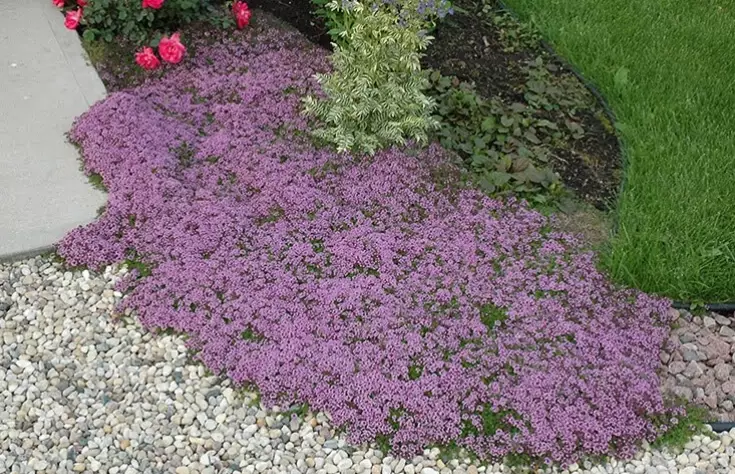
I've been there. I planted a whole flat of 'Elfin' thyme in what I optimistically called "dappled shade" a few years back. Spoiler: it didn't end well. The plants didn't die outright, but they just... lingered. They were thin, didn't flower much, and were constantly battling moss and dampness. It was a lesson learned the hard way.
The short, honest answer is no, not really. Creeping thyme is a sun worshipper at heart. But before you click away, hear me out. The real world of gardening isn't just "full sun" or "deep shade." There's a whole spectrum in between, and where your specific spot falls on that spectrum makes all the difference. Asking "does creeping thyme grow in shade" is the right starting point, but we need to dig deeper (pun intended).
What Creeping Thyme Really Wants (It's Pickier Than You Think)
To understand why the shade question is so tricky, you have to know where this plant comes from. Most creeping thymes (like Thymus serpyllum or Thymus praecox) are native to the rocky, well-drained hillsides of the Mediterranean. Think baking sun, poor soil, and not a lot of competition. That's their happy place.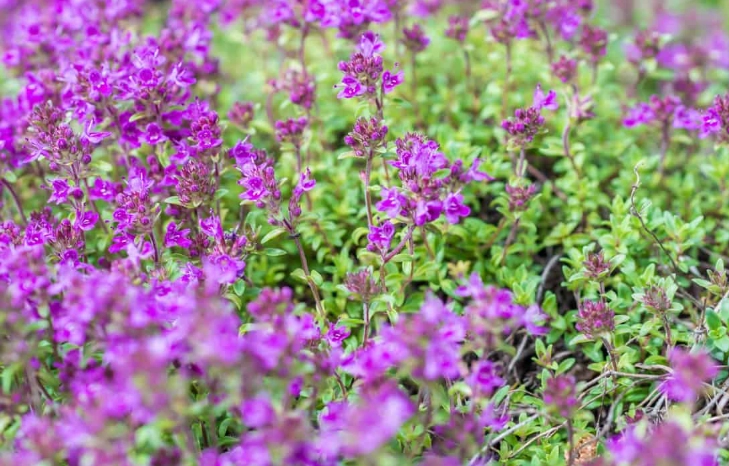
In perfect conditions—what we call "full sun," meaning at least 6 to 8 hours of direct, unfiltered sunlight—creeping thyme thrives. It forms a dense, weed-suppressing mat. It pumps out those iconic purple, pink, or white flowers that bees go crazy for. The essential oils in the leaves are more potent, giving you that wonderful herbaceous scent.
So, what happens when you start reducing light?
- Fewer than 6 hours of sun: Growth becomes noticeably slower and less dense. The plant stretches a bit, trying to find light, resulting in a lankier, less attractive mat.
- Only 2-4 hours of morning sun ("partial shade"): This is the borderline. Some vigorous varieties might survive, but they'll rarely thrive. Flowering will be sparse or non-existent.
- Dappled shade all day or only reflected light: This is where most attempts fail. The plant struggles to photosynthesize enough, becomes weak, and is incredibly susceptible to root rot and mildew.
I learned that "shade" is a useless word by itself. You have to qualify it. Is it the dry shade under a spruce tree with acidic soil and thirsty roots? That's a death sentence. Or is it the bright, open shade on the north side of a white fence that gets tons of reflected light? That might have a fighting chance.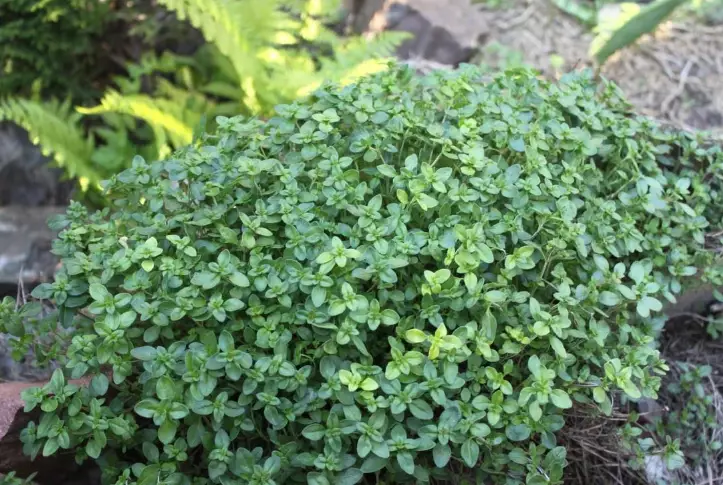
Can You Cheat the System? Strategies for Lower-Light Areas
Okay, so your dream spot isn't a south-facing slope. Does that mean you have to give up on creeping thyme completely? Not necessarily. You can't change your garden's architecture, but you can optimize everything else to give your thyme the best possible shot. Think of it as creating a microclimate that mimics sunnier conditions.
Choosing the Right Variety is Half the Battle
Not all creeping thymes are created equal. If you're pushing the limits on light, you need the toughest candidate for the job. Some varieties are simply more adaptable and vigorous than others.
| Variety Name | Key Characteristics | Shade Tolerance Rating (1-5)* | Notes & Personal Experience |
|---|---|---|---|
| Thymus praecox 'Coccineus' | Red creeping thyme. Very vigorous, fast-growing, deep magenta flowers. | 3.5 / 5 | My top pick for "difficult" sites. It's aggressive. In borderline shade, it may thin out but often holds on where others fail. It's a fighter. |
| Thymus serpyllum 'Elfin' | Tiny, tight foliage. Very slow-growing, forms a dense, miniature mat. | 2 / 5 | Terrible for shade. Its slow growth means it gets overwhelmed by moss and algae quickly. Looks sad without ample sun. |
| Thymus pseudolanuginosus (Woolly Thyme) | Fuzzy, gray leaves. Few flowers. Grown primarily for foliage. | 2.5 / 5 | The fuzzy leaves hold moisture, which is a big problem in shade. Prone to rot in damp conditions. Not recommended. |
| Thymus 'Pink Chintz' | Velvety gray-green leaves, salmon-pink flowers. Good all-rounder. | 3 / 5 | Moderately vigorous. Can handle a bit of afternoon shade in hot climates, but still needs good morning sun. |
| Lemon Thyme (Thymus citriodorus) | Upright or slightly spreading. Strong lemon scent. Often used as a herb. | 3 / 5 | While not a true "creeper," some cultivars spread. Often more tolerant of varied conditions than the super-prostrate types. |
*A rating of 5 means full sun only. A 1 would be a true shade plant (which thyme is not). This scale shows relative tolerance within the thyme family.
The Non-Negotiables: Soil and Water in the Shade
If light is low, everything else needs to be perfect. This is non-negotiable.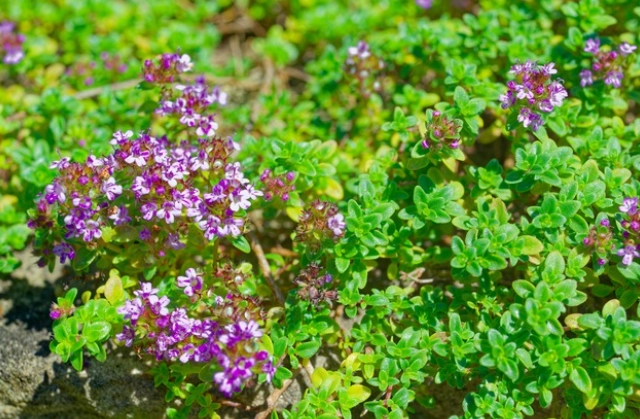
How do you achieve that? Don't just dig a hole. Amend the entire planting area. I mix in:
- Coarse sand or fine gravel (about 30% of volume): This creates permanent air pockets.
- Compost or well-rotted manure (20%): For a tiny bit of fertility and moisture retention without sogginess.
- The native soil (50%): To help the plants anchor.
Watering is the other critical shift. In shade, evaporation is minimal. You must let the soil dry out completely between waterings. Stick your finger in the soil. If it's damp an inch down, wait. Overwatering is a much bigger threat than underwatering for thyme in low-light situations.
When to Admit Defeat: Signs Your Thyme Isn't Happy
Let's be practical. Sometimes, despite your best efforts, the answer to "does creeping thyme grow in shade" for your specific garden is a hard no. It's better to recognize the signs early and pivot than to watch a slow, depressing decline.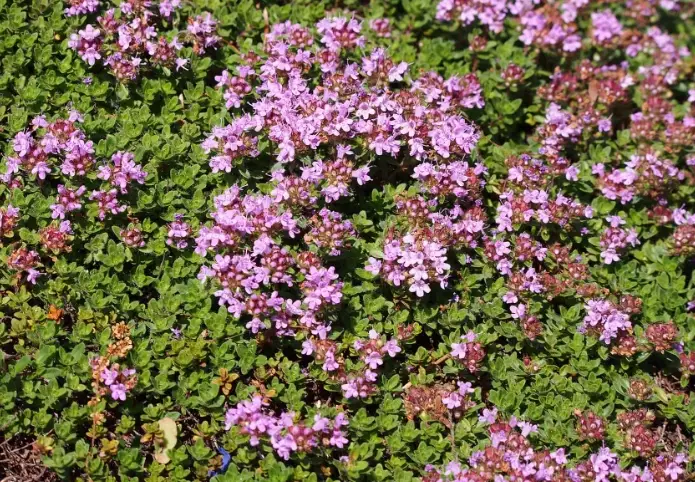
Here are the red flags:
- Leggy, spaced-out growth: The stems are long with lots of space between leaves. The plant is etiolated—stretching desperately for light.
- Yellowing or browning foliage: This often starts in the center of the plant or where the mat is thickest. It's usually a sign of poor air circulation and excess moisture.
- No flowers: A complete lack of blooms in the growing season is a major sign of insufficient light.
- Moss or algae taking over: If you see green slime or moss spreading on the soil surface and over the thyme itself, the environment is too damp and dark for it.
- Rotting stems at the base: A foul smell or blackened, mushy stems at ground level is the final, fatal sign of root rot.
If you see two or more of these, it's time for Plan B. Don't take it personally. Gardening is about working with your site, not forcing it.
Plan B: Stunning Alternatives That Actually Love the Shade
If your site is truly shady (less than 3 hours of direct sun), you'll save yourself time, money, and heartache by choosing a ground cover that's evolved for those conditions. The good news is there are fantastic options that give you similar benefits—low growth, weed suppression, and beauty—without the struggle.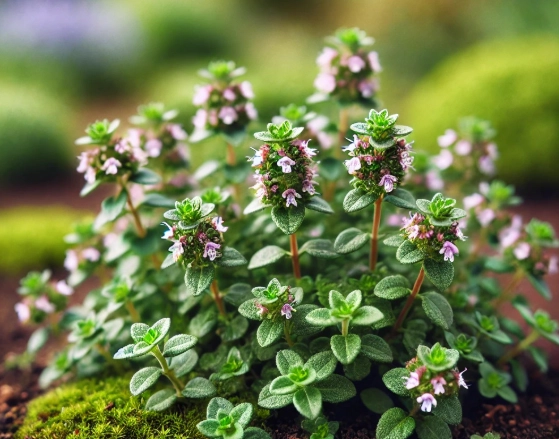
Here’s a quick list of my go-to replacements when a client's site proves too dark for creeping thyme:
- Sweet Woodruff (Galium odoratum): This is my absolute favorite for dry to medium shade. It forms a beautiful, bright green carpet of whorled leaves and has tiny, starry white flowers in spring. It even smells like freshly cut hay when dried. It's tough and spreads steadily.
- Green-and-Gold (Chrysogonum virginianum): A lovely native plant with semi-evergreen leaves and cheerful yellow, star-shaped flowers that bloom sporadically from spring to fall. It's adaptable and forms a nice, low clump.
- Bugleweed (Ajuga reptans): Comes in fantastic foliage colors like deep burgundy ('Chocolate Chip') or tricolor. It spreads by runners quickly, has spikes of blue flowers, and handles everything from partial sun to full shade. Just give it decent moisture.
- Mondo Grass (Ophiopogon japonicus): Not a true grass, but a fantastic, grass-like perennial. The standard green variety is ultra-tough in deep shade. The dwarf version is perfect between stepping stones. It's slow, neat, and virtually bulletproof.
- Wild Ginger (Asarum species): For that lush, woodland feel. The heart-shaped leaves are gorgeous and form a dense cover. It's a slow spreader but worth the wait for a sophisticated look.
Switching to a shade-loving plant isn't a failure; it's smart gardening. You get a lush, healthy cover without the constant battle.
Your Questions, Answered (The Stuff You're Really Wondering)
I get a lot of emails with specific scenarios. Here are the most common questions that pop up after the big one—does creeping thyme grow in shade.
"I have a north-facing courtyard with white walls. Will that help?"
Maybe! Reflected light is a game-changer. A bright north-facing area (with no overhead tree cover) that reflects light off light-colored surfaces can be much brighter than a north-facing bed under trees. It's worth a try with a tough variety like 'Coccineus' and impeccable drainage. Monitor it closely in the first year.
"What about under a pine tree? That's dry shade, right?"
Dry shade is arguably the toughest condition. Not only is there no light, but the tree roots suck up all the water and the needles acidify the soil. Creeping thyme tolerates slightly acidic soil but can't compete with tree roots. This is a classic case where you should use a dedicated dry shade plant like epimedium, hardy geraniums, or liriope instead.
"Can I grow it in a shady container?"
Containers give you more control over soil, which is a plus. But you can't control the sun. A pot of thyme in deep shade will still struggle. However, a container in partial shade (like a patio that gets 4 hours of morning sun) can work well because you can use a perfect, gritty potting mix. Just be extra careful not to overwater.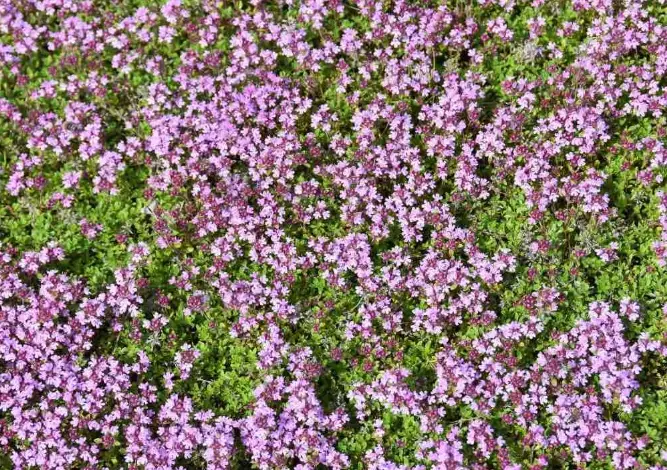
"Will it fill in faster if I plant it closer together in the shade?"
This is a common instinct, but it's counterproductive. Crowding plants in low-light conditions reduces airflow between them, creating a humid microclimate that encourages disease. Give them the recommended spacing (usually 6-12 inches apart) so air can move freely. It looks sparse at first, but it's healthier in the long run.
The Final Verdict: Setting Realistic Expectations
So, let's circle back to the original question that brought you here. Does creeping thyme grow in shade?
The technical, botanical answer is: it survives in partial shade but thrives in full sun. Asking it to grow in shade is asking it to perform outside its ideal genetic programming.
But gardening isn't just about textbooks. It's about experimentation and understanding your unique microclimate. If your "shade" is actually a bright, open area with 4-5 hours of direct sun (especially morning sun), excellent drainage, and good air circulation, you might succeed with a vigorous variety. You may not get a breathtaking floral display, but you could get a pleasant green mat.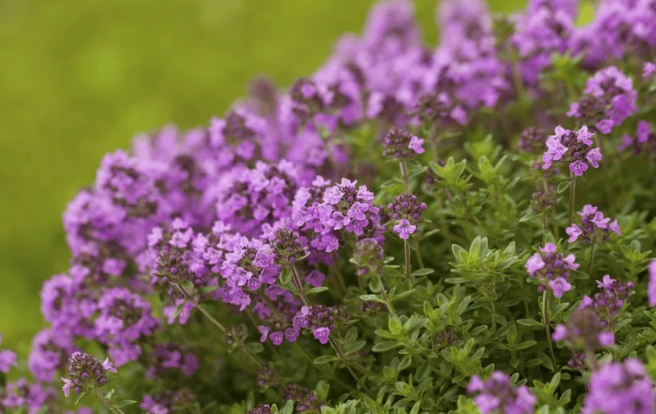
If your site is truly shady—under dense trees, on the north side of a wall, with less than 3 hours of sun—save yourself the effort. Choose a beautiful shade-loving alternative. You'll have a healthier, more resilient garden that looks intentional, not struggling.
My advice? Start small. Buy one or two pots of a tough thyme variety like Thymus praecox 'Coccineus'. Plant them in your questionable spot, but prepare the soil impeccably. Watch them for a full growing season. See how they perform. That experiment will tell you more about your garden's conditions than any article ever could.
And remember, some of the best gardening resources come from extension services of major universities. For scientifically-backed information on plant requirements and soil health, the University of Missouri Extension or the University of California's Agriculture and Natural Resources sites are goldmines of practical, localized advice. For specific plant profiles and characteristics, the Royal Horticultural Society (RHS) is a globally trusted authority.
Good luck with your ground cover journey! Sometimes the right plant in the right place makes all the difference between a gardening chore and a gardening joy.