Quick Guide
- What Exactly Is a Marginal Wood Fern?
- Why You Should Consider Planting Dryopteris marginalis
- How to Identify a True Marginal Wood Fern
- The Ideal Growing Conditions: Giving It What It Wants
- Step-by-Step: Planting and Caring for Your Fern
- Perfect Partners: Companion Plants for Dryopteris marginalis
- Potential Problems (They’re Few, But Worth Knowing)
- Propagation: How to Make More of These Great Plants
- Beyond the Garden: The Ecological Role of Marginal Wood Fern
- Frequently Asked Questions (The Real Stuff Gardeners Ask)
- The Final Verdict on Dryopteris marginalis
Let’s be honest. When you think of ferns for the garden, your mind probably jumps to the feathery ostrich fern or the delicate maidenhair. I get it. They’re the popular kids. But there’s a quiet, unassuming workhorse out there that solves a lot of problems most gardeners face, especially if you’re dealing with dry shade, rocky soil, or hungry deer. I’m talking about the Marginal Wood Fern, scientifically known as Dryopteris marginalis.
I first stumbled upon this plant years ago on a hike in a rocky, northeastern woodland. Nothing else seemed to be thriving in the thin soil and dappled light under those oaks, but there it was—clumps of sturdy, leathery, deep green fronds looking perfectly content. That’s when I knew I had to try it in my own garden’s “problem child” areas.
This guide is everything I wish I’d known when I started. We’ll dig into what exactly a marginal wood fern is, why it’s a fantastic choice for challenging spots, and how to keep it happy for decades. We’ll also bust some myths and answer the questions that pop up when you’re standing in the garden center, wondering if this is the right fern for you.
What Exactly Is a Marginal Wood Fern?
Before we get to the “how,” let’s nail down the “what.” The marginal wood fern is a perennial, evergreen fern native to eastern North America. You’ll find it from Nova Scotia down to Georgia, and west to Minnesota and Arkansas. It’s a creature of the forest floor, specifically favoring cool, rocky slopes and well-drained, often acidic woodlands.
The name gives you two big clues. “Wood fern” places it in the large Dryopteris genus, known for their generally tough nature. “Marginal” refers to a key identification feature: its spore cases (called sori) are located right on the very margins, or edges, of the leaflets (pinnae). This is a dead giveaway when you’re trying to tell it apart from other common wood ferns.
What does it look like? Imagine a vase-shaped clump, growing about 1.5 to 2 feet tall and wide. The fronds are a beautiful, deep blue-green color and have a leathery, almost stiff texture. They don’t flop over like some ferns. In winter, while most other perennials have vanished, the previous year’s fronds on your marginal wood fern will persist, lying flat on the ground in a protective circle over the crown. It’s a lovely bit of structure in the barren winter garden. New, bright green fiddleheads emerge from the center in spring, pushing the old fronds aside.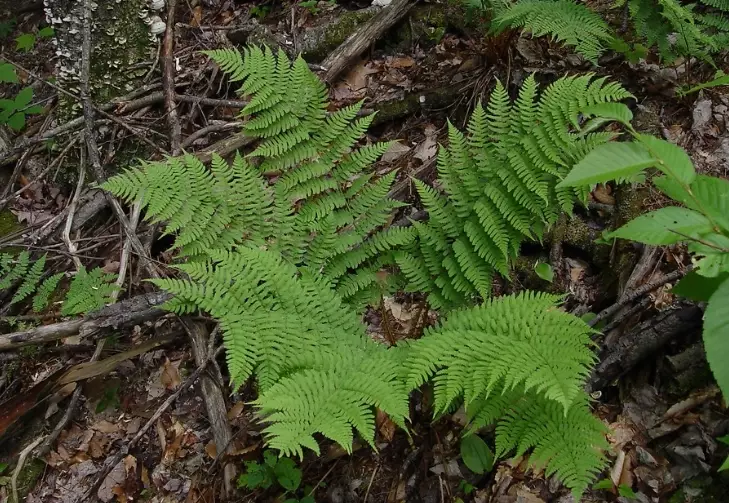
Why You Should Consider Planting Dryopteris marginalis
Okay, so it’s a native fern. Why should you care? Because this plant solves specific, common gardening headaches. Let’s break down its superstar qualities.
First, and this is a big one: deer and rabbits leave it completely alone. The leathery texture of the fronds is apparently unappetizing. In my garden, which is essentially a deer salad bar, the marginal wood fern remains untouched while hostas and daylilies get mowed down. That alone makes it a top-tier plant for many suburban and rural gardeners.
Second, its tolerance for dry shade is legendary. Most ferns demand constant moisture. Not this one. Once established, it can handle periods of drought much better than its cousins. It’s perfect for that spot under a mature maple tree where the roots suck all the moisture out of the soil and grass refuses to grow.
Third, it’s evergreen (in milder climates, at least). This provides winter interest and ground cover when most other plants are dormant. The old fronds also help protect the crown from freezing temperatures and moisture.
Finally, it’s a clump-former, not a runner. You don’t have to worry about it spreading aggressively and taking over your garden beds. It grows slowly and politely, maintaining its tidy shape year after year.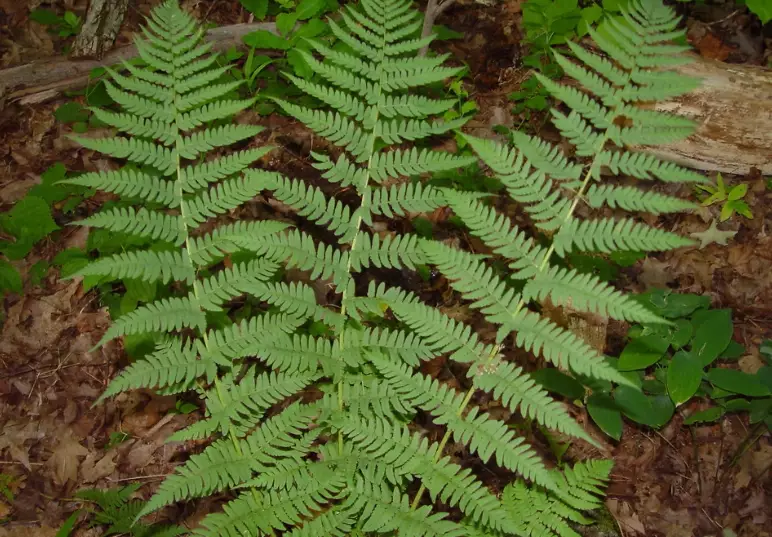
How to Identify a True Marginal Wood Fern
With so many ferns out there, how can you be sure you’ve got the right one? Nurseries sometimes mislabel, and in the wild, you might confuse it with other Dryopteris species. Here’s your quick identification checklist.
- Frond Texture: Stiff, leathery, and somewhat hard to the touch. They feel substantial, not delicate.
- Color: A distinctive blue-green or dark green on top, with a slightly paler green underneath.
- Sori Placement: This is the key. In mid-to-late summer, look for the round, rusty-brown spore cases. On the marginal wood fern, they are arranged in a neat row right along the very edge of each leaflet segment. Grab a hand lens if you can—it’s a cool detail.
- Winter Habit: In winter, the old fronds don’t disappear. They lie flat on the ground in a distinctive circular mat, protecting the crown.
- Stipe (Stem): The lower part of the stem is covered with persistent, chaffy, tan to brown scales.
For absolute certainty, I always cross-reference with a reliable botanical source. The Missouri Botanical Garden’s Plant Finder is an excellent, authoritative resource for detailed plant descriptions and confirmed characteristics of Dryopteris marginalis.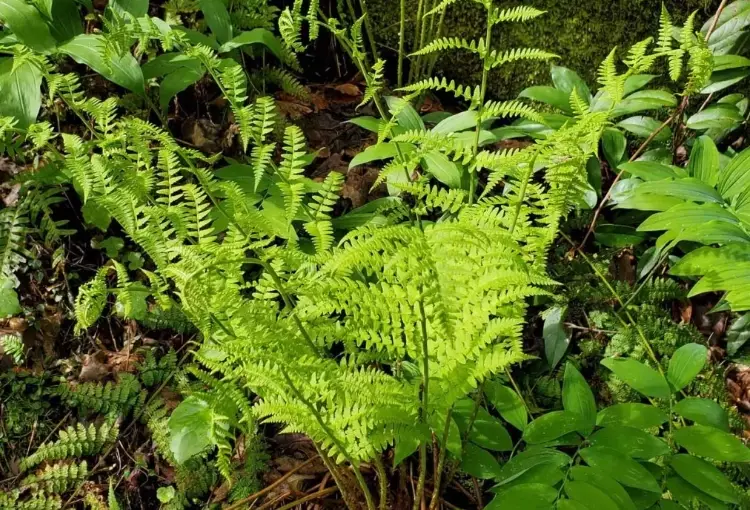
The Ideal Growing Conditions: Giving It What It Wants
Think of its native home: a rocky, deciduous forest. That tells you almost everything. Here’s the breakdown of its preferences.
Light Requirements
Partial to full shade is ideal. It can tolerate some morning sun, especially in cooler climates, but hot afternoon sun will scorch the fronds and stress the plant. Deep, dark shade is fine, though growth may be slightly slower.
Soil Preferences
This is critical. The marginal wood fern must have well-drained soil. It absolutely hates having its crown sit in soggy, waterlogged earth, especially in winter. That’s a surefire way to kill it.
It prefers a rocky, sandy, or loamy soil that’s rich in organic matter (like the leaf litter of a forest). The pH can range from moderately acidic to neutral (pH 5.0 to 7.0). It’s quite adaptable on soil type as long as drainage is excellent.
Water and Climate
It likes consistent moisture, especially in its first year as it establishes. But “consistent” doesn’t mean “wet.” After establishment, it shows impressive drought tolerance for a fern. It’s winter hardy in USDA zones 3 through 8, which covers a huge swath of the continent. In the warmer end of its range (zone 8), it will appreciate more consistent shade and moisture.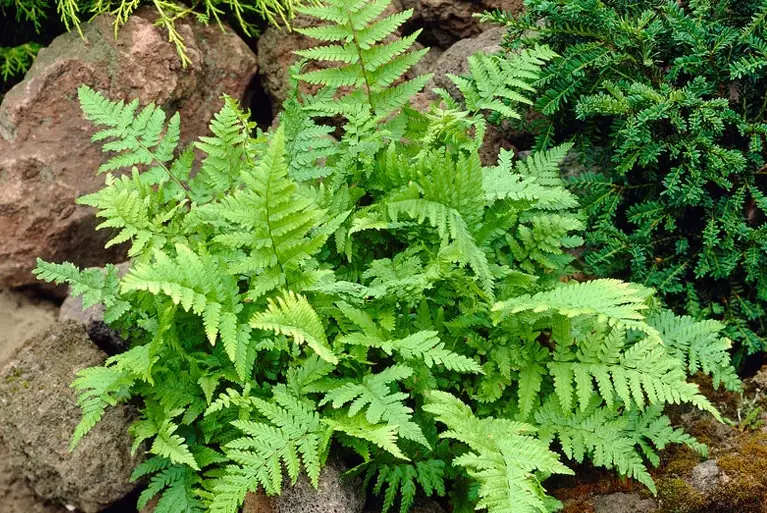
Step-by-Step: Planting and Caring for Your Fern
Ready to plant? Here’s the simple, no-fuss approach.
Planting Time: Early spring or early fall are best. This gives the plant time to settle its roots before the stress of summer heat or winter freeze.
The Planting Hole: Dig a hole as deep as the root ball and about twice as wide. I like to mix in a few handfuls of compost or leaf mold with the native soil, but don’t go overboard. If your soil is poor, this is the time to improve it. Place the crown (the central growing point) at or just slightly above soil level. Never bury it deep.
Spacing: Space plants about 18 to 24 inches apart. Remember, they are clumpers and will slowly fill in that space over a few years.
Initial Care: Water it thoroughly after planting. Then, keep the soil evenly moist (but not soggy) for the first growing season. A layer of mulch (shredded leaves or bark) around the plant will help retain moisture and suppress weeds. Just keep the mulch away from the crown itself.
Long-Term Maintenance: This is where the marginal wood fern shines. It needs almost nothing.
- Fertilizing: I don’t fertilize mine at all. An annual top-dressing with compost in spring is more than enough.
- Watering: Mature plants rarely need supplemental water unless you’re in a severe drought.
- Pruning/Cleaning: In early spring, just before the new fiddleheads emerge, you can gently remove the previous year’s flattened fronds. I often leave some for a more natural look, as they decompose and feed the soil. Don’t cut them back in the fall—they provide winter protection.

Perfect Partners: Companion Plants for Dryopteris marginalis
This fern plays well with others. Its architectural, evergreen form provides a great backdrop for spring ephemerals and textural contrast with other shade lovers. Here are some of my favorite combinations.
| Companion Plant | Why It Works | Visual Effect |
|---|---|---|
| Hostas (Deer-resistant varieties like ‘Halcyon’) | Both thrive in shade. The fern’s upright form contrasts with hosta’s mounding leaves. | Blue-green fern fronds next to blue or variegated hostas is stunning. |
| Heuchera (Coral Bells) | Loves similar conditions. The fern’s green calms down Heuchera’s vibrant purples and oranges. | A tapestry of color and texture at ground level. |
| Native Wildflowers (e.g., Bloodroot, Virginia Bluebells) | Ecological pairing. The fern provides cover later in the season after ephemerals die back. | Spring blooms popping through the evergreen fern fronds. |
| Hellebores | Both are evergreen, shade-loving, and bloom early. The fern hides hellebore’s sometimes scraggly legs. | Winter and early spring interest combo. |
| Carex (Sedges) | Grassy texture plays off the fern’s divided fronds. Many sedges also tolerate dry shade. | Creates a naturalistic, woodland meadow feel. |
Potential Problems (They’re Few, But Worth Knowing)
No plant is completely bulletproof. Here’s what to watch for.
Slugs and Snails: These are the most common pests. They might nibble on the new, tender fiddleheads in spring. A little diatomaceous earth or beer traps usually solve the problem. The mature, leathery fronds are rarely bothered.
Crown Rot: This is the big one, and it’s almost always caused by poor drainage. If the crown sits wet, it will rot and the plant will collapse. Prevention is key: plant in well-drained soil. If it happens, you’ll likely need to remove the plant.
Scorched Fronds: If you see brown, crispy edges on the fronds in summer, it’s likely getting too much hot sun. Consider providing more shade.
Honestly, that’s about it. I’ve found Dryopteris marginalis to be remarkably disease and pest-free compared to most garden plants. Its toughness is a major part of its appeal.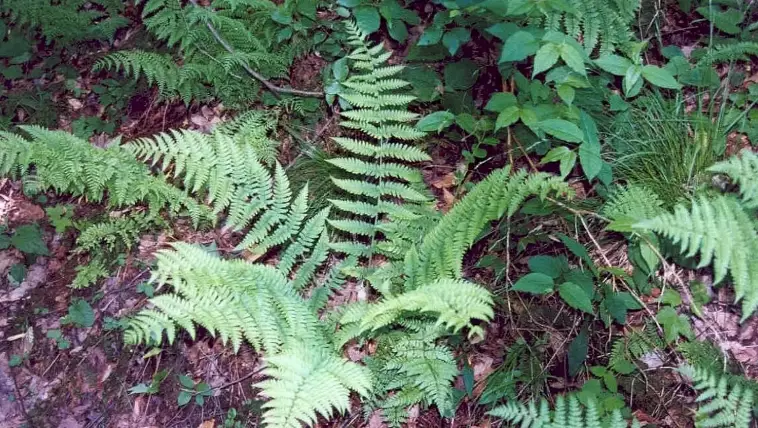
Propagation: How to Make More of These Great Plants
Want to spread the love? You have two main options, and one is much easier than the other.
Division: This is the easiest and most reliable method. In early spring, just as new growth is starting, dig up the entire clump. You’ll see it’s a mass of roots with several growing points (crowns). Use a sharp knife or spade to cut it into sections, making sure each section has both roots and at least one growing crown. Replant immediately. Water well. It’s that simple.
Spores: This is for the patient and curious gardener. It’s a fascinating process but takes a year or two to get a sizable plant. In late summer, collect a fertile frond with ripe, plump sori. Let it dry in a paper bag. The spores will be released as a dust. You sow these on a sterile, moist medium in a sealed container. It’s a fun science project, but division is the way to go if you just want more plants.
Beyond the Garden: The Ecological Role of Marginal Wood Fern
Choosing native plants like Dryopteris marginalis isn’t just about aesthetics or easy care. It’s about supporting the local ecosystem. This plant is a part of a complex web.
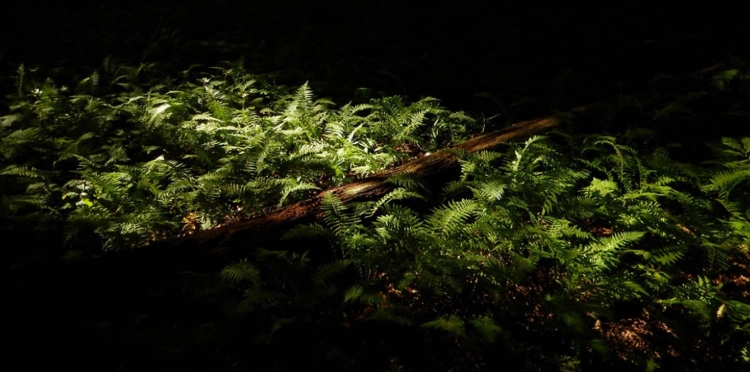
Its evergreen fronds provide shelter for overwintering insects, small amphibians, and other invertebrates. These, in turn, are food for birds. While it’s not a major host plant for butterfly larvae (like some other natives), it contributes to the structural diversity of the habitat. Planting it helps recreate a layer of the forest floor that may be missing in fragmented landscapes.
For a deeper dive into the importance of native plants in gardening, the Lady Bird Johnson Wildflower Center is an unparalleled resource. They champion the use of natives and have extensive databases on plants like our marginal wood fern.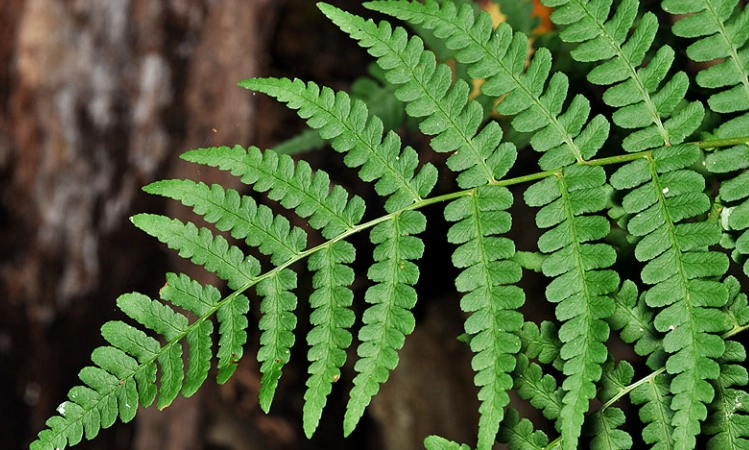
Frequently Asked Questions (The Real Stuff Gardeners Ask)
The Final Verdict on Dryopteris marginalis
So, is the marginal wood fern the perfect plant? For the right spot, it comes incredibly close. It won’t give you flashy flowers, and it’s not a rapid filler. What it will give you is unwavering structure, year-round interest, and a solution for some of the trickiest gardening conditions.
It’s a plant that asks for very little but gives back a lot. It’s a connection to the native woodland, a helper for local wildlife, and a steadfast presence in the garden. If you have a shady, well-drained spot that needs a touch of elegant, rugged greenery, you’d be hard-pressed to find a better candidate than the dependable marginal wood fern.
The next time you’re looking at a barren patch under a tree or a rocky slope you don’t know what to do with, think of this tough native. It might just be the unsung hero your garden has been waiting for.
Reader Comments