In This Guide
- What Exactly Are Ornamental Tobacco Flowers?
- Getting Your Hands Dirty: How to Grow Tobacco Flowers Successfully
- A Tour of the Best Tobacco Flower Varieties to Grow
- The Secret Weapon: Fragrance and the Night Garden
- The Practical Side: Care, Problems, and Making More Plants
- Designing With Tobacco Flowers: Beyond the Basic Border
- Answers to Your Burning Questions About Tobacco Flowers
Let's clear the air right from the start. When most people hear "tobacco," they think of cigarettes, not gardens. But the world of ornamental tobacco flowers—plants belonging to the genus Nicotiana—is a universe away from that association. We're talking about some of the most fragrant, night-blooming, and downright charming plants you can invite into your yard. I remember the first time I caught the scent of Nicotiana sylvestris on a summer evening. It stopped me in my tracks. This sweet, almost intoxicating perfume hanging in the humid air had nothing to do with smoke and everything to do with pure garden magic.
That's the disconnect I want to bridge. This guide isn't about the commercial crop (that's primarily Nicotiana tabacum). It's about the ornamental cousins, the ones bred and grown for their beauty, their scent, and their ability to transform a garden space as the sun goes down. If you've ever been curious about these plants, wondered how to grow them, or are just looking for something new and spectacularly fragrant to try, you're in the right place. We're going to dig deep, beyond the basic plant tag info.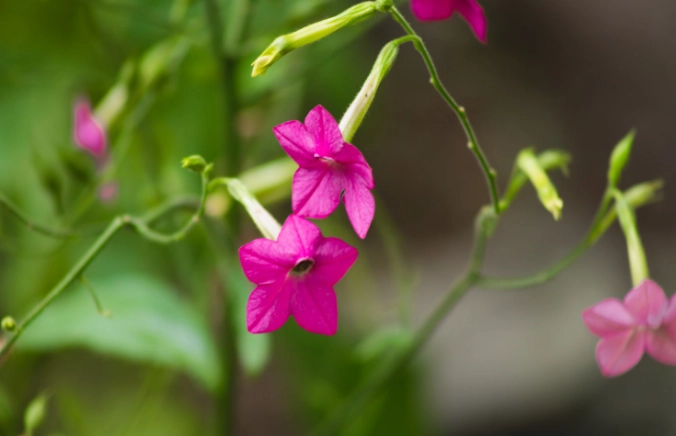
What Exactly Are Ornamental Tobacco Flowers?
So, what are we actually planting? Ornamental tobacco flowers are annuals, tender perennials, or sometimes biennials that are part of the Solanaceae family—the same family as tomatoes, peppers, and petunias. Their claim to fame is a unique combination of traits you don't often find packaged together: prolific flowering, a stunning evening fragrance, and a preference for opening their blooms as daylight fades.
The flowers themselves are typically tubular or trumpet-shaped, flaring out into a five-pointed star. They cluster in loose, airy panicles held above the foliage. The color range isn't neon-bright, but it's beautifully subtle: pristine whites, soft lime greens, delicate pinks, rich reds, and even deep, almost black purples. The foliage is often large, slightly sticky or hairy, and forms a nice basal mound.
Their botanical name, Nicotiana, comes from Jean Nicot, the French ambassador who introduced tobacco to France in the 16th century. The ornamental species, however, were later selections and hybrids prized for garden performance. The Missouri Botanical Garden's plant database is a great resource if you want to dive into the precise botanical details of different species, which you can find here.
Why grow them? For me, it's the evening transformation. My garden isn't just a daytime space. After work, when the heat of the day breaks, that's when I'm out there with a cup of tea. Most flowers are closing up shop. But tobacco flowers are just turning on. Their long tubes are perfectly adapted for pollination by night-flying moths, like sphinx moths. To attract these pollinators, they release their potent scent and reflect moonlight with their pale colors. It creates a whole different layer to the garden experience.
Getting Your Hands Dirty: How to Grow Tobacco Flowers Successfully
Okay, you're intrigued. How do you actually grow these things? The good news is they're not divas. They're actually quite forgiving if you get a few key things right. I've killed my share of plants over the years, but tobacco flowers have always been pretty cooperative.
Starting from Seed vs. Buying Plants
You'll often find common varieties like Nicotiana alata 'Perfume' series in nursery six-packs in spring. That's a perfectly fine way to start. But if you want the real treasures—the towering N. sylvestris or the exotic N. langsdorffii—you'll likely need to start from seed. It's easier than you think.
They need light to germinate, so don't shovel soil over them. Once they have a couple of true leaves, prick them out carefully and pot them on. They develop a decent root system quickly.
The Non-Negotiables: Sun, Soil, and Water
Here’s where people sometimes go wrong. They treat them like sun-loving marigolds.
- Sun: Most ornamental tobacco flowers prefer full sun to partial afternoon shade. In hotter climates (USDA zone 7 and above), that afternoon shade is crucial. It prevents the leaves from scorching and keeps the plants from wilting dramatically by 3 PM. Morning sun with dappled afternoon light is ideal.
- Soil: They aren't super picky, but they despise soggy feet. Well-draining soil is a must. They'll do okay in average garden soil, but enrich it with some compost at planting time. Good fertility encourages more of those fragrant blooms.
- Water: Keep them consistently moist, especially when they're getting established and during flowering. Deep, regular watering is better than frequent sprinkles. If they dry out completely, they'll wilt pathetically (though they often recover with a good drink). A layer of mulch helps retain that moisture.
One of their best features? They are largely ignored by deer and rabbits. The nicotine and the slightly sticky, hairy leaves are unappealing. In my garden, which is basically a deer salad bar, my tobacco flowers stand untouched while the hostas get devoured. That alone makes them worth their space.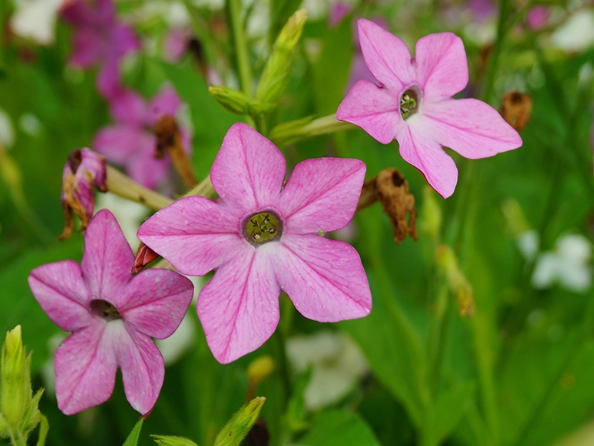
A Tour of the Best Tobacco Flower Varieties to Grow
Not all tobacco flowers are created equal. Some are compact, some are giants. Some scent the air, others are more visual. Choosing the right one depends on what you want from your garden. Let's break down the top performers.
| Variety | Height / Habit | Flower Color & Key Feature | Best For |
|---|---|---|---|
| Nicotiana sylvestris (Woodland Tobacco) | 4-5 ft tall, statuesque | Pure white, long tubes. Extremely potent evening scent. Large, drooping leaves. | The back of the border, moon gardens, creating a dramatic focal point. My personal favorite for fragrance. |
| Nicotiana alata 'Perfume' Series (Jasmine Tobacco) | 18-24 inches, bushy | Mix of white, pink, lime, crimson. Day and night fragrance, stays open longer. | Containers, front/mid border, planting near seating areas. |
| Nicotiana langsdorffii | 3-5 ft tall, airy and branching | Bright lime-green, bell-shaped flowers. Virtually no fragrance, but stunning visual impact. | Adding vertical interest and a unique color among pink/purple flowers. Great as a cut flower. |
| Nicotiana x sanderae 'Domino' Series | 12-15 inches, compact | Wide color range (pink, red, white, bi-colors). Flowers stay open all day. Mild scent. | Edging, mass planting, small-space gardens. The most "bedding plant" style. |
| Nicotiana mutabilis | 4-6 ft tall, willowy | Flowers change from white to pink to deep rose as they age. Delicate, charming look. | Cottage gardens, informal plantings. Self-seeds gently in mild climates. |
My top recommendation for a beginner? Start with the Nicotiana alata 'Perfume Mix'. It's reliable, fragrant, and widely available. If you have the space and want a true "wow" moment, dedicate a spot to N. sylvestris. Just give it room—it gets big.
The Secret Weapon: Fragrance and the Night Garden
This is the heart of the matter for many of us. The scent. It's hard to describe, but it's sweet, spicy, and intensely floral all at once—often compared to jasmine or hyacinth but with a richer, deeper quality. It doesn't travel on the wind for miles; it creates a fragrant zone around the plant, perfect for patios, pathways, and open windows.
Why only at night? It's an evolutionary lock-and-key system with their pollinators. Sphinx moths (also called hawk moths) are nocturnal. They're attracted to white and pale-colored flowers that glow in moonlight and to strong, sweet scents. The tobacco flower's long nectar tube is perfectly shaped for the moth's long proboscis. During the day, many varieties will partially close their blooms or the scent diminishes significantly to conserve energy and nectar for their target audience.
Creating a "moon garden" with tobacco flowers as the anchor is one of the most rewarding projects. Pair them with other night-blooming or night-scented companions:
- Evening Primrose (Oenothera): Opens its yellow flowers at dusk.
- Moonflower Vine (Ipomoea alba): Huge, white, fragrant flowers that unfurl at night.
- Angel's Trumpet (Brugmansia): Large, pendulous, fragrant trumpets (toxic, handle with care).
- White Roses or Phlox: To reflect moonlight.
Plant this combination near a bench or under a bedroom window. The experience is pure magic.
The Practical Side: Care, Problems, and Making More Plants
Once they're growing, maintenance is pretty straightforward. Deadheading—snipping off the spent flower clusters—encourages more blooms and prevents the plant from putting energy into seed production (unless you want it to self-seed). A light feeding with a balanced, water-soluble fertilizer every 4-6 weeks during the growing season keeps them happy.
Pests and diseases? They're fairly robust. The nicotine acts as a natural deterrent. However, you might see:
- Aphids: They sometimes cluster on the new, soft growth. A strong blast of water from the hose usually dislodges them. I rarely need to do more than that.
- Japanese Beetles: In some areas, these pests might munch on the flowers. Hand-picking is the most effective, if unpleasant, method.
- Fungal issues (like powdery mildew): Can occur in humid, crowded conditions with poor air circulation. Proper spacing and watering at the soil level (not overhead) helps prevent this.
As summer ends, you can let the last flowers go to seed. Many ornamental tobacco flowers will self-seed gently if you let the seed pods ripen and drop. The seedlings are easy to identify and move in spring. It's a great way to get free plants. For specific varieties, you can collect the tiny seeds by putting a paper bag over the dried seed heads and shaking.
Designing With Tobacco Flowers: Beyond the Basic Border
Don't just stick them in a row. Think about how they grow and what they offer.
Use the tall varieties (N. sylvestris, N. mutabilis) as "see-through" plants in the middle or back of a border. Their flowering stems rise high, but you can see plants behind them through their stems. They add height without solid bulk.
The medium and shorter types are perfect for filling in gaps, lining paths where their scent can be enjoyed, or for containers. A large pot with a lime-green N. langsdorffii, some dark purple heliotrope, and trailing silver dichondra is a stunning combination.
Because they mix so well, consider these partnerships:
- For a cool, serene look: White tobacco flowers with blue salvias, silver artemisia, and white gaura.
- For a hot, vibrant look: Red or pink tobacco flowers with orange cosmos, yellow marigolds, and bronze fennel.
- For a textural, foliage-focused bed: Lime-green N. langsdorffii with dark-leaved dahlias, ornamental grasses, and burgundy coleus.
They also make surprisingly good cut flowers, especially the taller varieties. The stems are hollow, so sear the ends with a flame for a few seconds or dip them in boiling water for 10 seconds before putting them in a vase. This seals the stem and helps them last longer—up to a week. Their evening scent will fill a room.
Answers to Your Burning Questions About Tobacco Flowers
Are tobacco flowers poisonous?
Yes, all parts of the plant contain alkaloids, including nicotine, and are considered toxic if ingested. This is why they are deer and rabbit resistant. It's important to practice basic garden safety: don't eat any part of the plant, wash hands after handling, and be mindful of pets that are prone to chewing on plants. The risk is primarily through ingestion, not touch. The USDA Plant Database provides general toxicity information for plants, which you can reference for Nicotiana species here.
Do they really only bloom at night?
Many of the older, species-type tobacco flowers (like N. sylvestris) do open fully and release their scent primarily from dusk until dawn. However, many modern hybrids, like the 'Perfume' and 'Domino' series, have been bred to stay open during the day as well, though their scent is often strongest in the evening. It's a trade-off: all-day color or intense night fragrance. You can choose based on your priority.
Will they become invasive?
Most ornamental varieties are not considered invasive in the traditional, aggressive sense. In favorable climates (mild winters), some species like N. glauca (Tree Tobacco) can self-seed prolifically and become weedy. The common garden varieties (N. alata, N. sylvestris) may self-seed gently, but the seedlings are easy to pull up or transplant if you don't want them. They rarely become a nuisance.
Can I grow them in pots?
Absolutely! The shorter varieties (under 2 feet) are excellent for containers. Use a good quality potting mix and ensure the pot has drainage holes. They will need more frequent watering than plants in the ground. A large pot with a mix of tobacco flowers, trailing verbena, and a spiky dracaena in the center is a gorgeous patio display.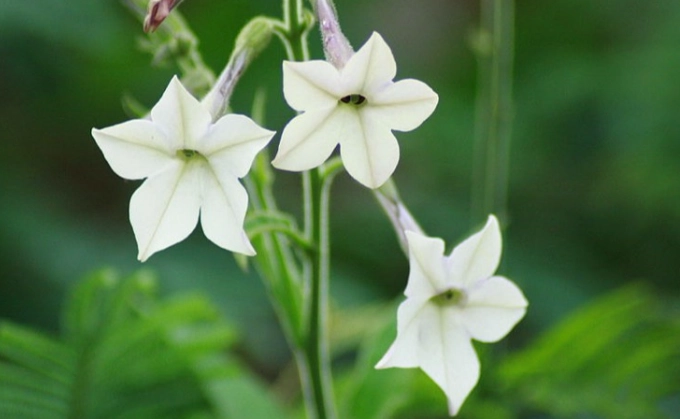
Why are my tobacco flowers leggy and not blooming much?
Two likely culprits: too much shade or not enough fertilizer. While they appreciate some afternoon shade in hot climates, too much shade overall will cause them to stretch weakly for light and produce fewer flowers. Also, they are moderately heavy feeders. Poor, infertile soil will result in sparse blooms. Try moving them to a sunnier spot or giving them a boost with a bloom-promoting fertilizer (higher phosphorus number).
So, there you have it. Tobacco flowers are more than just a quirky plant name. They're a gateway to a more sensory, evening-focused garden, packed with fragrance, wildlife activity, and a kind of relaxed beauty. They're easy to grow, tough once established, and offer something truly special that most daytime blooms can't match.
Give them a try this season. Plant a few near your favorite evening sitting spot. When that first wave of scent hits you on a warm night, you'll understand what the quiet fuss is all about. It’s one of those simple, profound pleasures that gardening is so good at delivering.
Reader Comments