Quick Navigation
Let's talk about thyme. You probably have a little jar of the dried stuff in your spice rack, right? Maybe it's labeled just "thyme." That's like having a bag labeled "dog"—it doesn't tell you much. Is it a Great Dane or a Chihuahua? The world of thyme is surprisingly vast, and the different types of thyme can completely change a dish, a garden border, or even a home remedy.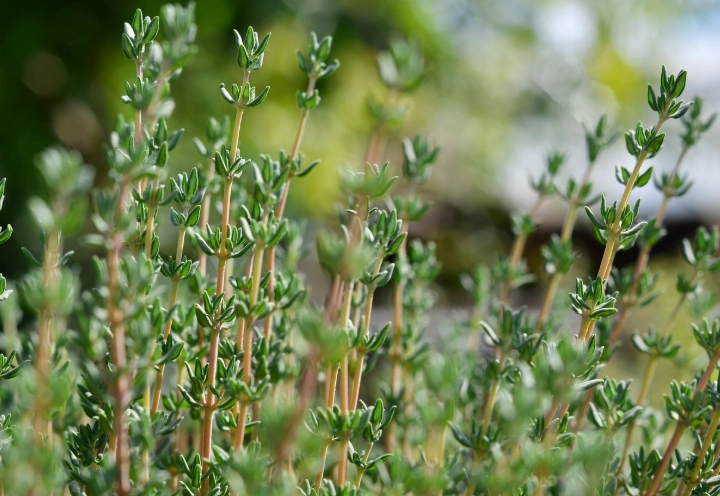
I remember buying my first "thyme" plant from a garden center years ago. I thought, great, thyme for my roast chicken. It turned out to be a super low-growing, creeping variety meant for pathways. It smelled nice when stepped on, but trying to harvest enough for cooking was a nightmare of picking tiny leaves off the ground. Lesson learned. There are culinary powerhouses, ground covers that smell like lemons when you brush past them, and even fuzzy, ornamental types that look like they're from a fairy tale.
The Big Picture: When we talk about types of thyme, we're mostly talking about varieties and cultivars of two main species: Thymus vulgaris (common thyme) and Thymus praecox (creeping thyme). But within those, the flavors, habits, and looks diverge wildly.
So, whether you're a home cook wanting to elevate your stews, a gardener looking for a tough, fragrant ground cover, or just a curious plant lover, understanding the different types of thyme is the key. It stops you from making my pathway-in-the-kitchen mistake.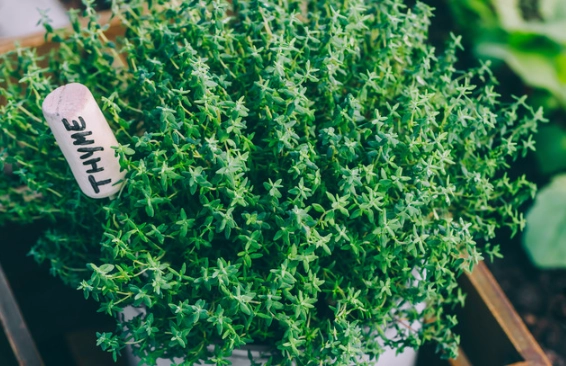
The Heavy Hitters: Culinary Types of Thyme You Need to Know
This is where most people's interest lies. These are the thymes you'll want within arm's reach of your kitchen door or in a sunny windowsill pot. Their leaves are packed with aromatic oils, perfect for flavoring.
English Thyme (Thymus vulgaris)
The classic. The standard. When a recipe just says "thyme," this is usually what they mean. It's the one with the straight, woody stems and small, gray-green leaves. Its flavor is what I'd call the pure essence of thyme—earthy, slightly minty and peppery, with a gentle warmth. It's not aggressive, but it forms the backbone of so many French, Mediterranean, and American dishes.
Why it's a workhorse: It's versatile. It can handle long, slow cooking in a braise (where it infuses its flavor beautifully) but also holds up well when sprinkled fresh over roasted vegetables or fish. It dries better than almost any other herb, retaining a good portion of its flavor. If you only grow one type of thyme, make it this one. You really can't go wrong.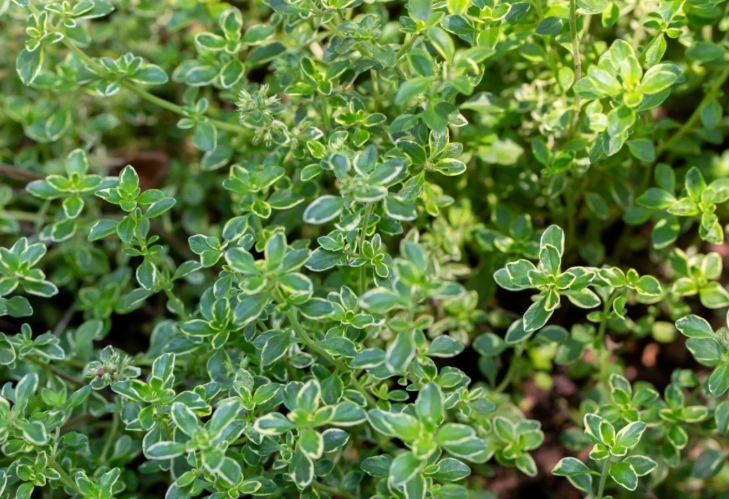
French Thyme (Thymus vulgaris 'Narrowleaf French' or 'French')
Now, here's where it gets interesting. French thyme is often considered a cultivar or a specific strain of common thyme. It tends to have slightly narrower, darker green leaves and a tighter, more compact growth habit. But the real difference, chefs argue, is in the taste.
Many people, myself included, find French thyme to have a more refined, slightly sweeter, and more complex flavor than standard English thyme. It's less pungent, more elegant. It's the choice for herbes de Provence and is fantastic in delicate sauces, with poultry, or in compound butters. Is the difference earth-shattering? Not to a casual cook, but if you're deep into flavors, you might want both. I find my French thyme plant gets used more for fresh applications, while the dried English thyme goes into the long-cooked pots.
Lemon Thyme (Thymus x citriodorus)
This is the game-changer. As the name shouts, it has a vibrant, citrusy aroma and flavor layered on top of the classic thyme base. It's not just "lemony"; it's specifically like lemon peel—bright and zesty without the sourness.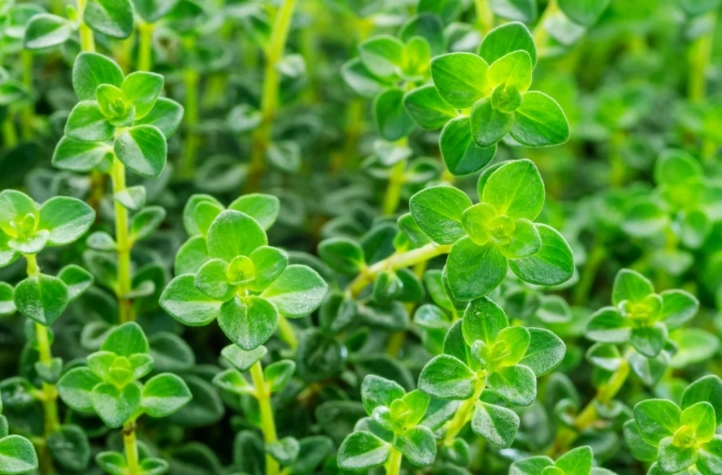
My lemon thyme plant gets raided constantly in the summer. A few sprigs in a pitcher of water or iced tea? Magic. Chopped up and mixed into breadcrumbs for fish? Even better. It makes a phenomenal marinade for chicken or shrimp.
There are a few cultivars of lemon thyme too. 'Golden Lemon' has gorgeous yellow-variegated leaves, and 'Silver Queen' has white edges. They're just as tasty and add a pop of color to the garden. Lemon thyme is slightly less hardy than common thyme in very cold climates, but it's usually fine with a little mulch.
What's the best use for it? Anything where you want a lift of freshness. Salad dressings, seafood, desserts (think lemon-thyme shortbread), cocktails, and fruit salads. It bridges the gap between savory and sweet beautifully.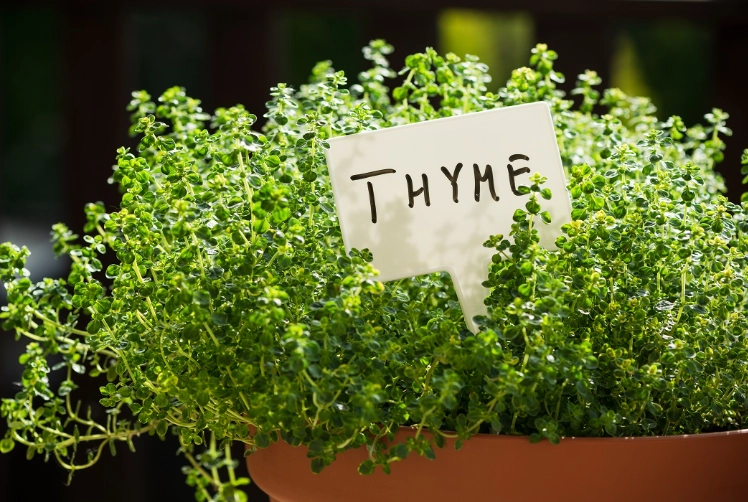
Pro Tip: Always crush a leaf between your fingers and smell before you buy a thyme plant. Labeling can be inconsistent, and your nose is the best guide to the flavor profile.
Caraway Thyme (Thymus herba-barona)
This one is a niche favorite. Its leaves carry a distinct, warm scent of caraway seeds—the same flavor you find in rye bread or sauerkraut. It's a low, creeping type, but don't let that fool you. The flavor is intense and unique.
It's traditional for seasoning barons of beef (hence the name 'herba-barona'), but I love it with root vegetables like potatoes and parsnips, in hearty breads, or with pork. It's a strong flavor, so use it sparingly at first. If you're a fan of caraway, seeking out this type of thyme is a must. It's a conversation starter for your herb garden and your dinner table.
The Ground Crew: Ornamental and Creeping Types of Thyme
These types of thyme are all about visual impact, fragrance underfoot, and filling space with something tough and beautiful. They flower profusely, creating carpets of color that bees go absolutely crazy for.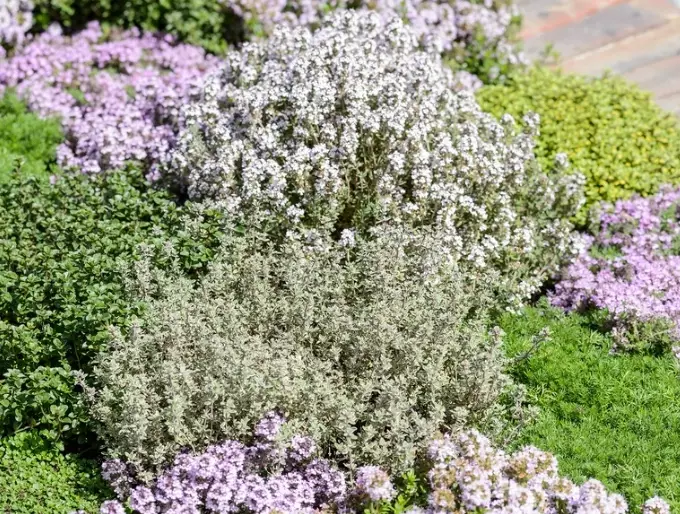
Can you eat them? Technically, most are edible, but their flavor is often mild or just not as compelling as the culinary stars. Their primary job is to look good and smell good when touched.
Creeping Thyme (Thymus praecox, Thymus serpyllum)
This is the umbrella term for the mat-forming thymes. They spread by sending out runners along the ground, creating a dense, low carpet rarely more than 2-3 inches tall. They're perfect for filling gaps between stepping stones, cascading over walls, or covering a sunny, difficult slope where grass won't grow.
They're drought-tolerant once established and can handle a fair amount of foot traffic, releasing their fragrance when crushed. The most common one is often just sold as "Mother of Thyme" (Thymus praecox 'Coccineus'). It has tiny, dark green leaves and gets smothered in magenta-pink flowers in early summer. It's a bee magnet.
Woolly Thyme (Thymus pseudolanuginosus)
This is my favorite ornamental thyme, hands down. It doesn't look real. Its stems and tiny leaves are covered in a dense layer of soft, gray hairs, giving it a fuzzy, almost silvery appearance. It looks like a miniature, living carpet of felt.
It's even lower growing than most creepers and forms a very tight mat. The flowers are pale pink and modest—the real show is the foliage texture. It's fantastic for rock gardens or as a soft, tactile element in the front of a border. A word of caution: it hates wet feet in winter. It needs excellent drainage more than almost any other thyme. I lost my first patch to a soggy winter, so now I plant it in gravelly soil on a slight mound.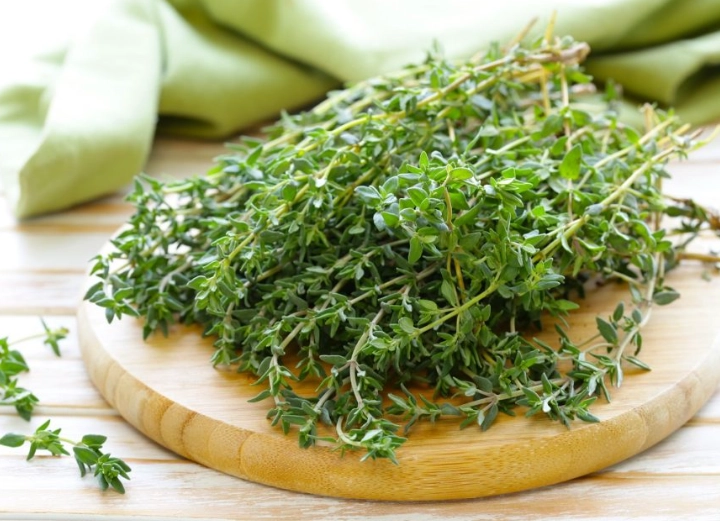
Elfin Thyme (Thymus serpyllum 'Elfin')
If you need the tightest, tiniest, most compact ground cover imaginable, this is it. 'Elfin' thyme grows into an incredibly dense, slow-spreading mat of minuscule leaves. It only gets about an inch tall. It's less about big flowers (they are tiny and pale) and more about creating a perfect, textured green carpet.
It's ideal for miniature gardens, fairy gardens, or between very tightly set flagstones. It's almost more like a living moss. Because it's so dense, it tends to suppress weeds very effectively once it fills in.
Here’s a quick look to help you compare some of these popular types of thyme for the garden:
| Thyme Variety | Primary Use | Height/Spread | Key Feature | Hardiness (USDA Zones) |
|---|---|---|---|---|
| English Thyme (T. vulgaris) | Culinary (all-purpose) | 12" H / 12" W | Classic savory thyme flavor | 4-9 |
| Lemon Thyme (T. x citriodorus) | Culinary (fresh, seafood, drinks) | 12" H / 12" W | Bright citrus aroma & flavor | 5-9 |
| Creeping Thyme (T. praecox) | Ground Cover / Ornamental | 2" H / 18" W | Mass of pink/purple flowers, fragrant | 4-9 |
| Woolly Thyme (T. pseudolanuginosus) | Ornamental / Textural | 1" H / 12" W | Soft, fuzzy silver-gray foliage | 5-8 |
| Caraway Thyme (T. herba-barona) | Culinary (niche) / Ground Cover | 3" H / 12" W | Distinct caraway seed scent | 6-9 |
Beyond the Pot: How to Actually Use These Different Thymes
Knowing the types of thyme is one thing. Knowing what to do with them is another. Let's get practical.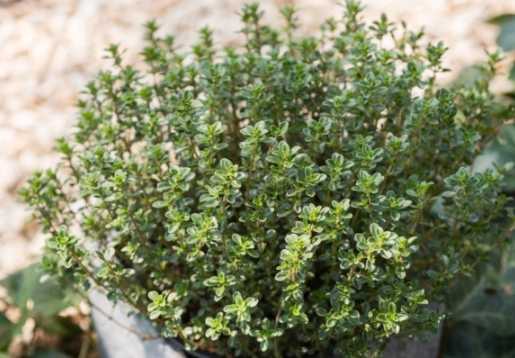
Cooking with Thyme: Which One When?
This isn't rocket science, but a little guidance helps.
- For Hearty, Long-Cooked Dishes: Think beef stew, braised lamb, bean soups, pot roasts. Here, English or French thyme is king. Its earthy flavor stands up to time and melds with other ingredients. Use whole sprigs—you can fish the woody stem out at the end.
- For Lighter, Quicker, or Fresh Dishes: Think roasted chicken, seafood, summer vegetable sautés, vinaigrettes, compound butter. French thyme (fresh) and Lemon thyme shine here. Chop the leaves finely and add near the end of cooking or as a garnish.
- The Flavor Wildcard: Caraway thyme is your secret weapon for pork roasts, potato dishes, cabbage-based recipes, or hearty bread. Use it where you'd normally use caraway seeds but want a fresher, more herbal note.
Growing Thyme Successfully (It's Easier Than You Think)
Almost all types of thyme share a few non-negotiable needs. Get these right, and they'll thrive with neglect.
- Sun, Sun, and More Sun: Thyme needs at least 6-8 hours of direct sun daily. Less sun means leggy, weak growth and less flavorful leaves. It's a Mediterranean plant at heart.
- Drainage is Everything: This is the most common killer of thyme plants. They despise "wet feet." Plant them in raised beds, on slopes, or in containers with excellent drainage holes. If your soil is heavy clay, amend it heavily with gravel, grit, or coarse sand. The Royal Horticultural Society, a trusted authority on gardening, consistently lists good drainage as the top priority for thyme cultivation.
- Go Easy on the Water and Food: Thyme is drought-tolerant. Water deeply but infrequently, letting the soil dry out completely between waterings. Overwatering leads to root rot. And fertilizer? Hardly any. A little compost in the spring is plenty. Too much fertilizer makes it grow soft and floppy, diluting the essential oils that give it flavor and scent.
- Harvest by Pruning: Don't just pluck individual leaves. Use scissors to snip off the top 3-4 inches of a stem, just above a set of leaves. This encourages the plant to bush out and become fuller. You can harvest regularly throughout the growing season.
Answering Your Thyme Questions (The Stuff You Actually Google)
Putting It All Together: Making Your Choice
So, you're at the nursery or browsing seeds online. How do you pick from all these alluring types of thyme?
Ask yourself these questions:
- What's my main goal? Is it for the kitchen (prioritize flavor), for a pretty, bee-friendly ground cover (prioritize flower color and habit), or for visual texture (look at woolly or elfin types)?
- What's my space like? A sunny, well-drained patio pot? Go for a culinary upright type. A hot, dry strip between pavers? A creeping thyme is perfect.
- What's my climate? Check your USDA hardiness zone. If you're in a very cold area, focus on the hardier common and creeping thymes and provide winter mulch.
My final, slightly opinionated piece of advice? Start with two. Get one classic English or French thyme for your kitchen basics. Then, get one fun one—a lemon thyme for its versatility or a woolly thyme for its sheer, fuzzy charm. That gives you utility and joy. Because that's what gardening and cooking are really about.
From there, the world of thyme is your oyster. You might find yourself seeking out rare cultivars, making thyme-infused honey, or just enjoying the quiet hum of bees over a carpet of pink flowers. It all starts with knowing that there's more to thyme than that little jar in the back of the cupboard.
Reader Comments