快速导览
Let's talk about camellias. You've probably seen them – those glossy, deep green leaves framing perfect, rose-like blooms in the dead of winter or early spring, when everything else is still asleep. Maybe you've admired them in a neighbor's garden or at a botanical garden and thought, "I want that." But then you heard they're fussy, or only for the South, or just plain difficult. I'm here to tell you that's mostly myth. Growing a beautiful camellia flower is absolutely within reach, and the payoff is immense. This isn't just another plant; it's a statement piece for your garden that offers year-round structure and a breathtaking floral display.
I remember my first camellia. It was a 'Winter's Star' I planted in a spot I thought was perfect – turns out, it got afternoon sun in summer and the leaves scorched. Lesson learned the hard way. But that plant taught me more about gardening than a dozen easy successes. Now, I want to save you that trouble and get you straight to the joy of a healthy, blooming camellia.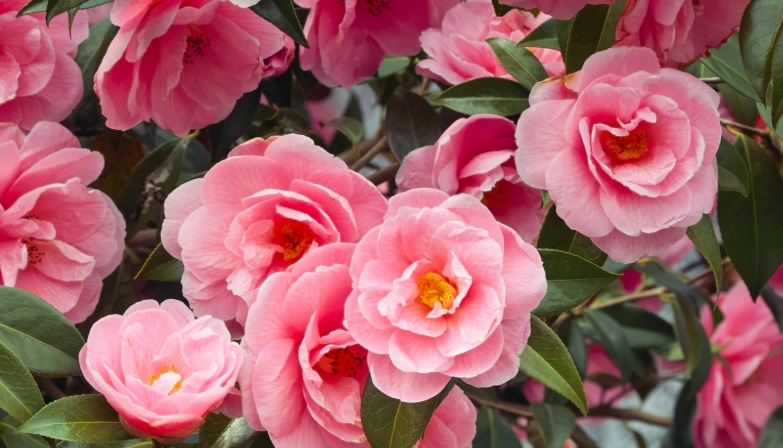
The Core Appeal: What makes the camellia plant so special? Three things: Evergreen foliage that looks great all year, spectacular winter-to-spring blooms when color is scarce, and an overall elegant, polished form that elevates any landscape. They're not the flashy, here-today-gone-tomorrow type. They're the reliable, sophisticated anchor of the garden.
More Than Just a Pretty Face: Understanding Camellia Types
Before you buy anything, you need to know which camellia you're dealing with. This isn't just botanical nitpicking – it dictates when it blooms, how cold it can handle, and even its growth habit. The two big players you'll encounter are Camellia japonica and Camellia sasanqua. Think of them as cousins with different personalities.
Camellia Japonica: This is the classic. The one you picture in formal gardens with large, perfect, symmetrical flowers. They tend to bloom later, from mid-winter into spring. Their growth is more upright and formal. The leaves are a deeper, richer green. They're the divas – absolutely stunning but sometimes a bit more particular about their conditions, especially needing protection from harsh morning sun in cold climates (which can thaw frozen buds too quickly and ruin them).
Camellia Sasanqua: The easier-going cousin. Sasanquas bloom in the fall and early winter, with generally smaller, simpler, but often more fragrant flowers. Their growth is looser, more spreading, and they can even be trained as espaliers or hedges. They're more sun-tolerant and a bit hardier when it comes to less-than-ideal conditions. If you're a beginner or have a brighter spot, start here.
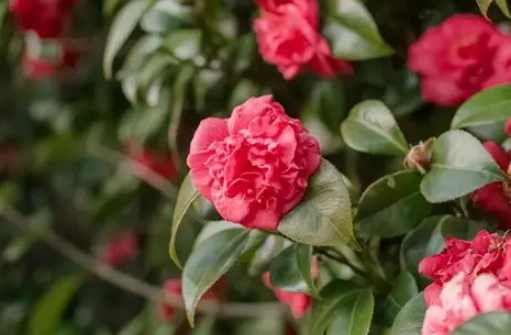
Then there's Camellia reticulata, with its massive, often peony-form flowers, and the famous tea plant, Camellia sinensis. Hybrids like the 'Winter's' series (e.g., 'Winter's Snowman', 'Winter's Hope') have been bred for exceptional cold hardiness, pushing the boundaries of where these plants can thrive.
 Choosing the right type is half the battle won.
Top Camellia Varieties to Spark Your Imagination
It's overwhelming looking at a catalog with hundreds of varieties. To simplify, here's a breakdown of some proven winners based on what you might be looking for. This list is by no means exhaustive, but it's a fantastic starting point.
| Variety Name | Type | Bloom Time & Color | Key Feature & Best For |
|---|---|---|---|
| 'Yuletide' | Sasanqua | Late Fall-Winter / Bright Red with yellow stamens | Compact, sun-tolerant, festive color. Perfect for small spaces or containers. |
| 'April Tryst' | Japonica Hybrid | Early-Mid Spring / Deep Rose Pink | Exceptionally cold-hardy, upright grower. Great for Northern gardeners pushing zones. |
| 'Shishi Gashira' | Sasanqua | Fall-Early Winter / Rose Pink | Low, spreading habit. Excellent groundcover or spiller over walls. |
| 'Kramer's Supreme' | Reticulata Hybrid | Mid-Late Season / Deep Red | Huge, peony-form, fragrant flowers. The ultimate "wow" factor bloom. |
| 'Setsugekka' | Sasanqua | Fall / Pure White | Semi-double, ruffled white flowers. Elegant, clean, and very showy. |
| 'Pink Icicle' | Japonica | Late Winter-Early Spring / Soft Pink | Formal double, cold-hardy. Reliable and beautiful classic pink. |
I have a 'Setsugekka' by my front door. In October, when it's covered in those crisp white blooms, it stops people in their tracks. They never believe it's a camellia. That's the fun – they break expectations.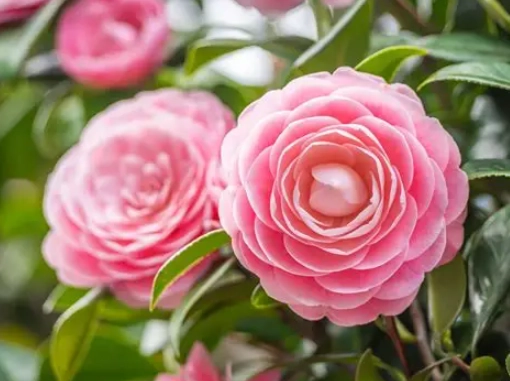
The Non-Negotiables: How to Plant and Care for Your Camellia
Okay, you've picked your plant. Now, let's get it in the ground (or pot) correctly. Most camellia failures trace back to mistakes made at planting time. It's worth taking your time here.
Location, Location, Location
This is the biggest decision. Camellias famously love "dappled shade" or "light shade." What does that mean in real terms? Ideally, they want protection from the harsh, hot afternoon sun, especially in warmer climates. The perfect spot is under the high, filtered canopy of tall pine trees or deciduous trees. The north or east side of a house or wall is often ideal.
Sun Rule of Thumb: Sasanquas can handle more sun (4-6 hours of direct, preferably morning) than Japonicas. In cooler coastal climates, they can often take more sun. In hot inland areas, they need more shade. If the leaves start looking yellowish or scorched, it's getting too much sun.
The Dirt on Soil (It's Everything)
If I could shout one thing about camellia care, it's this: ACIDIC, WELL-DRAINED SOIL. They are acid-loving plants, like azaleas and blueberries. A neutral or alkaline soil will lock up nutrients, leading to yellow leaves with green veins (chlorosis) and a sad, struggling plant.
- pH: Aim for a soil pH between 5.5 and 6.5. You can get a simple test kit from any garden center.
- Drainage: Camellias hate "wet feet." Their roots will rot in heavy, soggy clay. If your soil is heavy, you must plant in a raised bed or mound. I've seen more camellias killed by overwatering and poor drainage than by anything else.
- Planting Mix: Dig a hole twice as wide as the root ball but no deeper. Amend the native soil with a generous amount of composted pine bark, peat moss, or a bagged mix labeled for azaleas/camellias. Don't plant it too deep – keep the top of the root ball level with or slightly above the soil grade.
A great resource for understanding soil testing and amendment is your local University Cooperative Extension office. They provide science-based, region-specific advice.
Watering, Feeding, and Pruning
Watering: Keep the soil consistently moist but never soggy, especially during the first two years and during bloom/active growth periods. A deep soak once or twice a week is better than daily sprinkles. A 2-3 inch layer of mulch (pine straw, shredded bark) is a camellia's best friend – it keeps roots cool, conserves moisture, and adds acidity as it breaks down.
Feeding: Feed in spring after blooms fade and again in early summer with a fertilizer formulated for acid-loving plants. Something like an azalea/camellia food with a ratio like 4-8-8 is perfect. Stop fertilizing by mid-summer. Late feeding promotes tender new growth that can be damaged by early frosts.
Pruning: The best time to prune is right after flowering ends. This gives the plant the whole growing season to set buds for next year. You can prune for shape, to remove dead wood, or to open up the center for better air circulation. Don't be afraid – camellias respond well to pruning. You can even renovate an old, overgrown one by cutting it back hard in stages.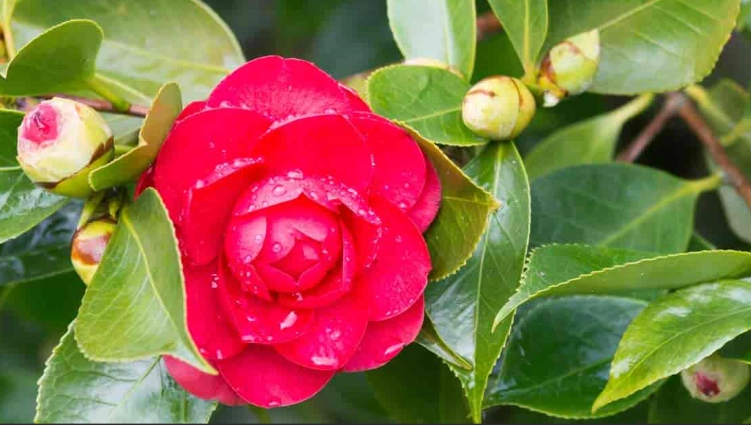
Watch Out For: The dreaded camellia flower blight. It turns beautiful flowers into musy brown blobs. The fungus lives in the soil and splashes up. The best defense is cleanliness – pick up and dispose of all fallen petals and flowers. Also, keep an eye out for scale insects on the undersides of leaves. Horticultural oil sprays applied in late winter (dormant oil) can help.
Answering Your Camellia Questions
Beyond the Garden: The Cultural Tapestry of Camellias
The camellia flower isn't just a horticultural subject; it's woven into culture. In the American South, it's a symbol of grace and hospitality. In Victorian England, different colors conveyed different messages in the "language of flowers" – a white camellia meant "you're adorable," while red spoke of passion. And of course, we can't forget that all true tea (green, black, oolong) comes from the leaves of Camellia sinensis. That humble shrub in your teacup is a cousin to the showstoppers in the garden.
For serious enthusiasts and to verify the identity and characteristics of thousands of cultivars, the American Camellia Society is the ultimate authority. Their website is a treasure trove of information.
And if you're into the botanical history, the Royal Horticultural Society (RHS) in the UK has extensive resources on camellia cultivation and classification.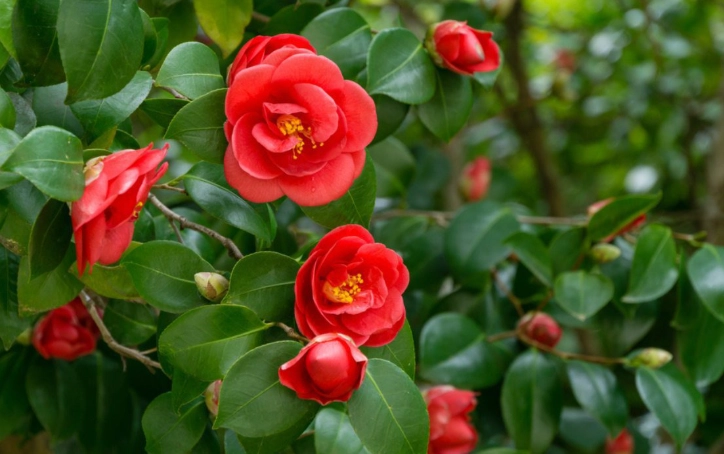
The Final Word: Is a Camellia Right for You?
Let's be honest. If you have heavy, waterlogged clay soil and no way to amend it or build a raised bed, and you get relentless, hot afternoon sun with no shade options, a camellia might be an uphill battle. There are other great plants. But if you have reasonably decent, drainable soil that you can acidify, and you can provide some shelter from the worst sun, you should absolutely try one.
Start with a tough sasanqua in a container if you're unsure. The process of caring for a camellia – tending to its specific needs, watching the buds swell, and finally being rewarded with those flawless blooms against the winter gray – is incredibly satisfying. It feels like you're in on a beautiful secret.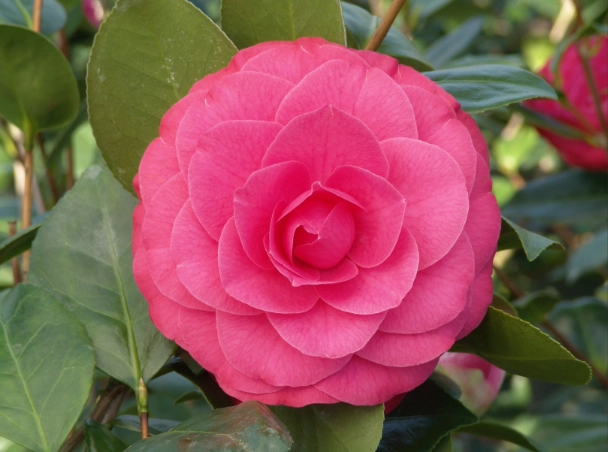
My advice? Visit a local nursery that specializes in shrubs in the fall. See what's in bloom. Smell the sasanquas. Talk to the staff about what grows well in your area. Then take the plunge. Plant it well, be patient, and get ready for years of elegant beauty. The camellia flower is a garden investment that pays dividends in sheer wonder, season after season.
Reader Comments