Explore This Guide
- First Things First: What Exactly Is a Lonicera Honeysuckle Vine?
- Choosing Your Champion: The Best (and Worst) Lonicera Varieties
- The Real-World Guide to Planting and Growing
- The Care That Makes All The Difference: Watering, Feeding, and The Big One – Pruning
- Solving the Inevitable Problems: Pests, Diseases, and Why Won't It Bloom?
- Beyond the Vine: Creative Uses and Ecological Role
- Your Honeysuckle Questions, Answered
- Wrapping It Up: The Simple Truth About Growing Great Honeysuckle
You've seen them, right? Those gorgeous, twining vines smothering a fence or pergola, bursting with tubular flowers that smell like pure summer. Maybe you caught a whiff of that sweet, heady scent on an evening walk and thought, "I need that in my garden." That's the Lonicera honeysuckle vine for you. It's a classic for a reason. But here's the thing – not all honeysuckles are created equal, and planting one without a bit of know-how can lead to a scraggly mess or, worse, an invasive thug taking over your yard.
I learned that the hard way. My first attempt years ago involved a cheap, no-name plant from a big-box store. I just stuck it in the ground and hoped for the best. It grew, alright. Like crazy. But it never really flowered much, and it looked... well, kind of weedy. It wasn't the romantic cottage garden vision I had. That experience sent me down a rabbit hole of research, talking to master gardeners and killing a few more plants (sorry, guys) until I finally figured it out.
This guide is what I wish I'd had. We're going to move past the basic "plant in sun and water it" advice and really dig into what makes a honeysuckle vine thrive. We'll look at the best varieties (and the ones to avoid), the nitty-gritty of soil and pruning, and how to solve those frustrating problems like leaves turning yellow or a complete lack of blooms. By the end, you'll be confident enough to choose and grow a Lonicera that'll be the envy of the neighborhood, not a regret.
First Things First: What Exactly Is a Lonicera Honeysuckle Vine?
Let's clear up the name. "Lonicera" is the botanical genus name for all honeysuckles. This includes both climbing vines and bushy shrubs. When most of us dream of a honeysuckle vine, we're thinking of the climbing types, usually from the Lonicera genus, that use twining stems to scramble up supports. They're perennial, meaning they come back year after year, and many are deciduous (lose leaves in winter), though some are evergreen.
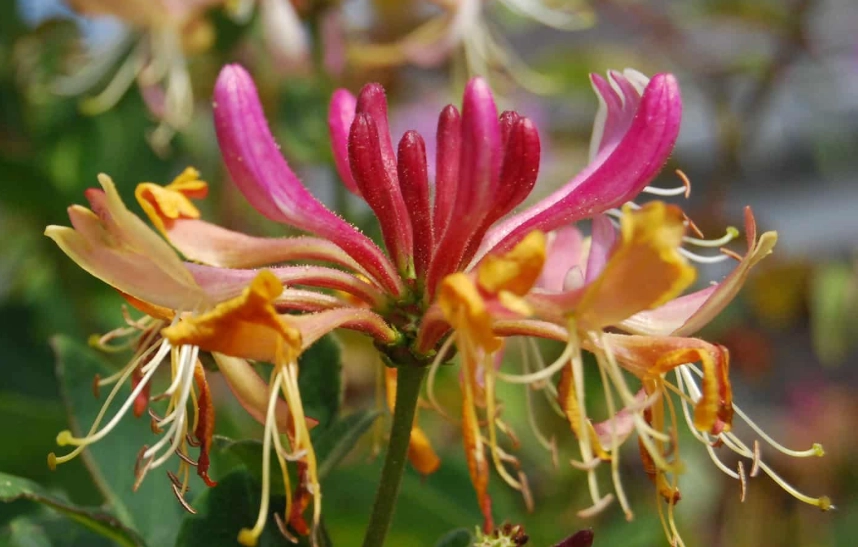
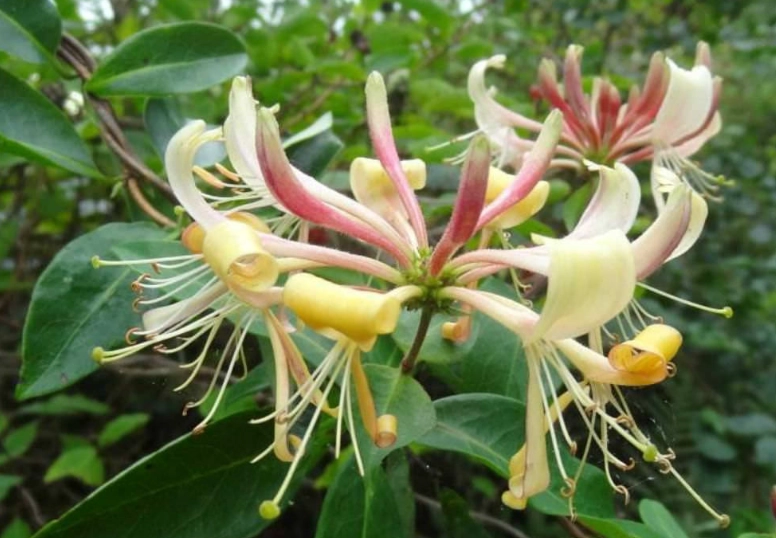
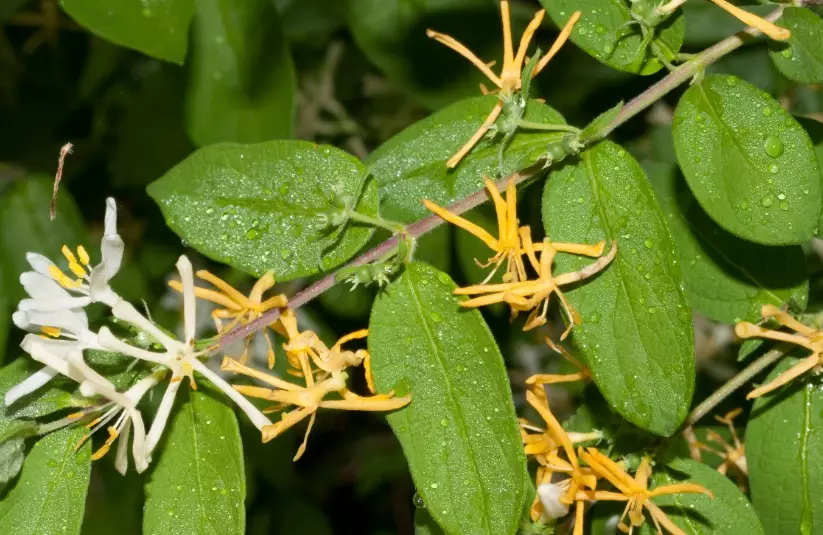
The magic is in the flowers. They're typically tubular, often in pairs, and come in stunning color combinations – creamy yellow and pink, fiery red and orange, pure white. And that fragrance? It's strongest in the evening, designed to attract pollinating moths. It's not a subtle scent; it's a full-blown, nostalgic perfume that can fill a small garden.
Choosing Your Champion: The Best (and Worst) Lonicera Varieties
This is the single most important decision. Pick the wrong one, and you're in for a constant battle. I'm going to be brutally honest about a few popular ones.
Many North American gardeners have heard warnings about invasive honeysuckles. They're usually talking about shrub types like Lonicera maackii (Amur honeysuckle) or the infamous Lonicera japonica (Japanese honeysuckle) vine. Lonicera japonica is a fast-growter that's banned or discouraged in many areas because it escapes gardens and chokes out native plants in forests. You can still find it for sale sometimes, and it's tough as nails, but I wouldn't plant it. There are much better-behaved options.
So, which Lonicera honeysuckle vine should you plant? Here are my top picks, based on beauty, fragrance, and garden manners.
Top Tier: The Must-Have Honeysuckle Vines
Lonicera periclymenum (European Woodbine or Common Honeysuckle): This is the classic cottage garden honeysuckle. It's a deciduous climber native to Europe. Why is it great? The fragrance is unbeatable – intensely sweet. It's also not considered invasive in most places outside its native range. Popular cultivars include 'Serotina' (late, rich red-purple and cream flowers) and 'Graham Thomas' (yellow and white, exceptionally fragrant). This is the one I finally replaced my disaster plant with, and the difference was night and day.
Lonicera x heckrottii (Goldflame Honeysuckle): A superstar hybrid. It's not as aggressively fragrant as some, but it makes up for it with an incredibly long blooming season – from late spring right through to fall. The flowers are a stunning pinkish-red on the outside and creamy yellow inside. It's a vigorous but generally well-behaved climber. A real workhorse in the garden.
Lonicera sempervirens (Trumpet Honeysuckle or Coral Honeysuckle): This one is a North American native, and it's a gem. It's not known for a strong fragrance (it's more subtle), but what it lacks in scent, it makes up for in ecological value and stunning looks. Its tubular coral-red or yellow flowers are a magnet for hummingbirds. It's evergreen to semi-evergreen in warmer climates and is absolutely non-invasive. If you want to support local wildlife, this is your vine. The cultivar 'Major Wheeler' is a prolific red bloomer that barely ever stops flowering.
| Variety | Key Feature | Fragrance | Best For | Vigour |
|---|---|---|---|---|
| Lonicera periclymenum | Classic cottage look | Very Strong | Fragrance, traditional gardens | Moderate |
| Lonicera x heckrottii 'Goldflame' | Long blooming season | Mild | Constant color, covering fences | Vigorous |
| Lonicera sempervirens | Native, hummingbird magnet | Light/None | Wildlife gardens, eco-friendly | Moderate |
| Lonicera japonica (Caution) | Extremely fast growth | Strong | Quick cover (but check invasiveness!) | Very Aggressive |
The Real-World Guide to Planting and Growing
Okay, you've picked your variety. Now, let's get it in the ground the right way. This isn't just about digging a hole.
Location, Location, Location
Most honeysuckle vines prefer full sun to partial shade. More sun generally equals more flowers. Think at least 6 hours of direct sunlight. They can tolerate some shade, but flowering will be reduced. I made the mistake of planting my first one in too much shade, and it just grew long, leafy stems searching for light.
They also need something to climb on. This seems obvious, but you need to plan it. A trellis, an arbor, a fence, a pergola post. Make sure the support is sturdy – some varieties can get heavy over time. The stems twine, so they need something slender (like wire, lattice, or thin posts) to wrap around. A wide, flat wall won't work unless you add a trellis.
Soil and Planting
Honeysuckles aren't super fussy, but they do best in well-draining soil that holds some moisture. They hate sitting in soggy, waterlogged dirt. If you have heavy clay, amend it with plenty of compost or well-rotted manure. A neutral to slightly acidic pH is ideal.
When planting, dig a hole twice as wide as the root ball but no deeper. You want the top of the root ball level with the soil surface. Backfill with your improved soil, water it in deeply to settle and eliminate air pockets, and then add a layer of mulch (like bark chips) around the base. The mulch is key – it keeps roots cool and moist and suppresses weeds.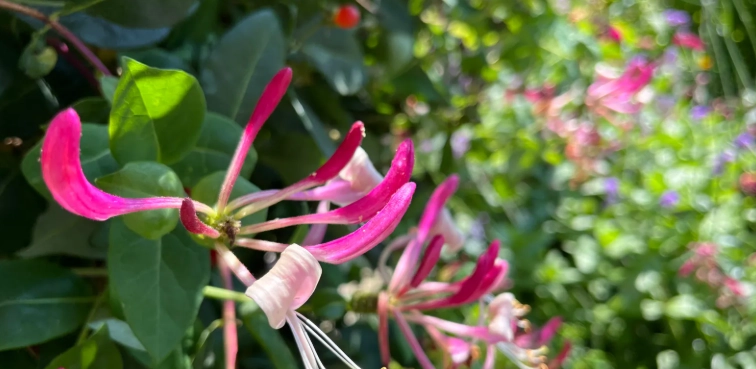
The Care That Makes All The Difference: Watering, Feeding, and The Big One – Pruning
This is where people mess up. They think it's a "plant it and forget it" vine. Not quite.
Watering and Feeding
Keep the soil consistently moist (not wet) for the first growing season. Once established, most Lonicera honeysuckle vines are fairly drought-tolerant, but they'll perform better with a deep watering during dry spells. A general-purpose, balanced fertilizer in early spring as growth starts is plenty. Don't over-fertilize, especially with high-nitrogen feeds, or you'll get all leaves and no flowers.
Pruning Your Honeysuckle Vine: Don't Be Scared!
This is the number one question I get: "How and when do I prune this thing?" Pruning is essential for keeping your vine healthy, shapely, and flowering well. The fear of cutting off flower buds is real, but the rules are simple.
First, know when yours blooms. Lonicera periclymenum flowers on the current season's growth. Lonicera sempervirens flowers on the previous year's wood. This matters!
- For summer bloomers (like L. periclymenum, L. x heckrottii): Prune in late winter or early spring, before new growth starts. You can be quite bold. Cut back any dead, damaged, or overcrowded stems. To rejuvenate an old, tangled mess, you can cut one-third of the oldest stems right down to the ground.
- For spring bloomers (like some early L. sempervirens): Prune right AFTER flowering in late spring or early summer. This gives them time to grow new wood that will flower the following year. If you prune these in winter, you'll cut off all the flower buds.
My personal routine? Every late February, I put on some gloves, grab my secateurs, and give my Goldflame honeysuckle vine a good haircut. I take out anything that looks weak and shorten some of the longer, wilder runners by about a third. It looks brutal for a few weeks, but then it explodes with healthy new growth.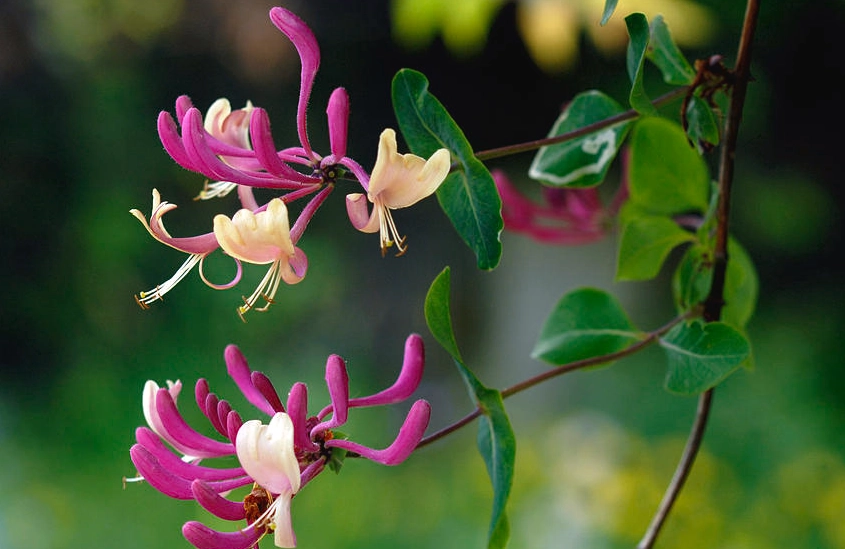
Solving the Inevitable Problems: Pests, Diseases, and Why Won't It Bloom?
Even with the best care, things can go sideways. Let's troubleshoot.
Pests and Diseases
Aphids: These tiny green or black bugs love new, soft growth. They suck sap and excrete sticky "honeydew" which can lead to sooty mold. A strong blast of water from the hose often knocks them off. Ladybugs are their natural predators.
Powdery Mildew: A white, powdery coating on leaves. It's ugly but rarely fatal. It happens in humid conditions with poor air circulation. The fix? Improve air flow by pruning, avoid overhead watering in the evening, and if it's bad, you can use a fungicide. Choosing resistant varieties helps.
Leaf Spot: Brown or black spots on leaves. Usually caused by fungi in wet weather. Rake up and dispose of fallen leaves in autumn to reduce spores. Again, good air flow is preventative.
The Heartbreak of No Flowers
This is the biggest complaint. Your Lonicera honeysuckle vine is a lush green jungle but hasn't produced a single bloom. Here's the checklist:
- Too Young: Be patient. It can take 2-3 years for a newly planted vine to settle in and bloom profusely.
- Not Enough Sun: This is the most common cause. If it gets less than 4-6 hours of direct sun, flowering will be sparse or non-existent. Consider transplanting it in dormancy if possible.
- Wrong Pruning: Did you cut it at the wrong time? If you pruned a spring-bloomer in winter, you removed the flower buds. Wait a year.
- Too Much Nitrogen: Are you fertilizing your lawn nearby? Runoff from high-nitrogen lawn food can push leafy growth at the expense of flowers. Switch to a fertilizer with a higher phosphorus number (the middle number in N-P-K).
- Stress: Severe drought, waterlogging, or extreme cold damage can all delay flowering.
Beyond the Vine: Creative Uses and Ecological Role
A honeysuckle vine isn't just a pretty face. Think about what you want it to DO.
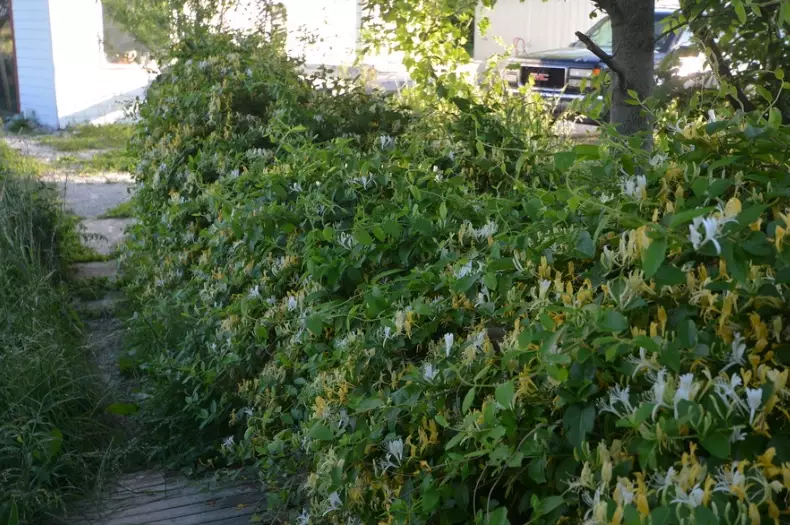
- Privacy Screen: Train it on a fence or trellis to create a living green wall. Deciduous types will lose leaves in winter, but the twiggy structure still provides some screening.
- Arbor or Pergola Cover: Perfect for creating a shaded, fragrant sitting area. The scent overhead on a summer evening is magical.
- Wildlife Haven: The flowers provide nectar for moths, bees, and (for native types like L. sempervirens) hummingbirds. The berries (on some varieties) feed birds in late summer and fall. The dense foliage offers shelter for small birds.
- Erosion Control: On a slope, a vigorous vine can help hold soil in place with its network of roots and stems.
It's worth checking resources like the Missouri Botanical Garden's Plant Finder for detailed profiles on specific Lonicera species. For authoritative information on native species and their role in the ecosystem, the Lady Bird Johnson Wildflower Center database is an incredible resource. And to verify the invasive status of any plant in your specific region, your state's Department of Natural Resources or Extension Service website (e.g., searching for "[Your State] invasive plant list") is the absolute best place to look.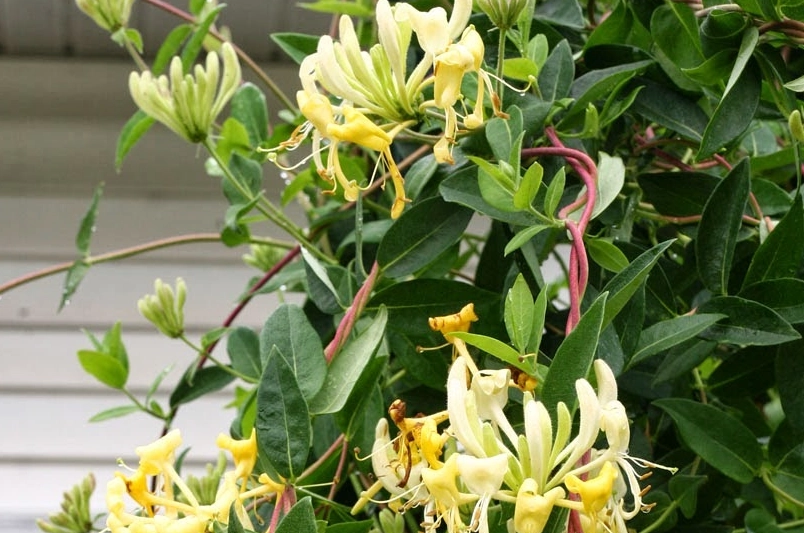
Your Honeysuckle Questions, Answered
Let's tackle some of the specific things people type into Google.
Wrapping It Up: The Simple Truth About Growing Great Honeysuckle
After all this, what's the takeaway? Growing a fantastic Lonicera honeysuckle vine boils down to a few non-negotiable actions.
First, choose wisely. Pick a well-behaved, non-invasive variety that suits your climate and your goal (fragrance, color, wildlife). Do that 5 minutes of research. Second, plant it right. Give it sun, good soil, a strong support, and space to breathe. Third, prune with purpose. Don't be afraid to cut it back at the correct time of year. It's not cruelty; it's encouragement.
It's not a completely hands-off plant, but the care it needs is simple and seasonal. The reward – those cascading, fragrant flowers that transform a plain fence into a feature and fill your summer evenings with scent – is absolutely worth the modest effort. Forget the generic advice. Now you know the real story. Go find your perfect honeysuckle vine and get planting.
Reader Comments