The first time a client told me her dog was "just slowing down," I didn't think much of it. Two weeks later we pulled seven teeth and she was on pain meds for a back that had been hurting for months. That's the trap with common dog health problems: they rarely arrive with a dramatic scene. They creep in.
I've worked in general practice clinics through two decades and a lot of the same issues walk through the door. Dental disease. Then itching. Then ear infections. Then mobility. Then weight. Then the gut. Then anxiety. Seven patterns, and almost all of them are easier to treat when caught early. This guide is what I'd actually tell a friend who called me on a Sunday worried that something seemed off.
Why Do So Many Common Dog Health Problems Get Missed?
Dogs hide discomfort. That's not a drama thing. It's biology. A dog that acts painful gets shunned by the group in the wild, so the ones who show it got bred out of the gene pool. Modern pets did not lose that instinct. They just started living on our couches.
Owners also see their dog every day, and that turns into a blind spot. Subtle changes register as invisible. I remember a fifteen-year-old Jack Russell mix whose human insisted she was "fine" but the dog hadn't jumped onto the sofa in three months. Small thing, right? Nope. That was the first line in a chart that later read osteoarthritis in both hips.
If you want a single rule: compare today to six months ago, not to yesterday. Time-lapse thinking picks up what the daily glance misses.
The Seven Common Dog Health Problems I See Weekly
1. Periodontal Disease
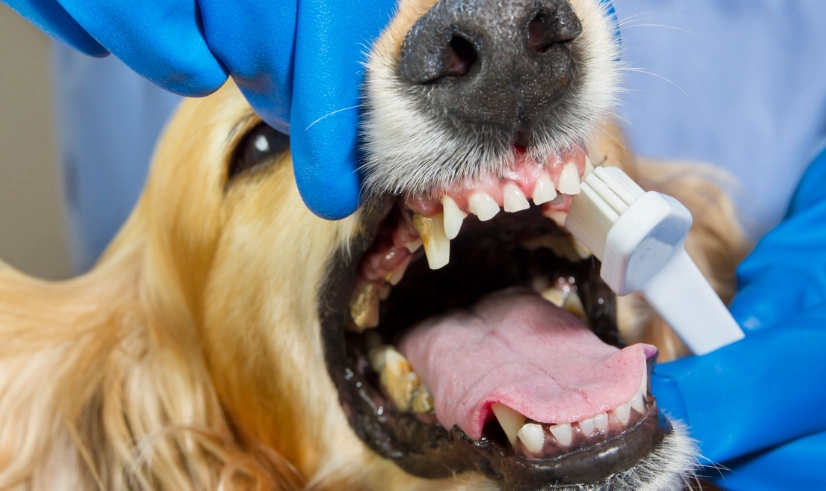
By age three, most dogs are walking around with some level of periodontal disease according to the American Veterinary Dental College's position on periodontal care. The vets I trained under handed me a very blunt stat: a majority of adult dogs over three have it. The smell is the tell. Not just "dog breath" but a smell like a wet sock left in a gym bag.
What owners miss: they assume the yellow-brown on the teeth is cosmetic. It's not. Bacteria under the gumline enters the bloodstream and lands on the heart valves and kidneys. I've had a cardiologist tell me point-blank that the murmur changed once the teeth were cleaned. Not always, but enough that I never skip the conversation.
2. Atopic Dermatitis and Allergic Itch
This one gets mislabeled as "dry skin" for months. The tell is itch that clusters in the paws, ears, and armpits, and that gets worse between spring and early fall. Those are the classic spots for environmental allergy. A generic oatmeal shampoo won't fix this. Owners often spend six months fighting it before asking about a vet visit and even then, many never bring it up as a legitimate health problem.
3. Otitis Externa (Ear Infections)
My least favorite to see repeated. If a dog has three ear infections in a year, the canal is not the problem. Something upstream is. Maybe it's allergies, maybe it's an anatomic issue like a stenotic canal in certain Cocker Spaniels, maybe it's a thyroid issue. Scoping the canal and culturing the flush matters. Owners who just keep refilling drops that don't work are wasting money.
4. Osteoarthritis and Mobility Decline
Look at the stairs. Not the walk around the block. Watch whether your dog pauses at the bottom of stairs, whether they hesitate before jumping into the car, whether they sit down halfway up. Those micro-pauses are the early signs. I have seen more cases caught from video captured by owners than from exam-room gait watching.
5. Obesity and Weight Creep
Ideally, you should feel the ribs but not see them. The waist should tuck in while looking down from above. According to the Association for Pet Obesity Prevention each year, over half of pet dogs in the U.S. are overweight. I'll be blunt: for many dogs, the extra five pounds is adding a visible burden to the joints. Hypothyroidism and Cushing's disease catch some people. Most cases are calorie math plus boredom feeding.
6. Gastrointestinal Upset and Food Sensitivities
Watery stool for three days, then normal, then soft again. That cycle is the pattern of chronic enteropathy more often than "stomach bug." Owners do a bland diet for a few days, stop once they see a good stool, and never solve what's causing the cycle. I usually ask for a stool panel and a diet trial before we go anywhere near long-term medications.
7. Anxiety and Noise Phobia
This one gets written off as "drama." It's not. A dog that trembles at thunderstorms, hides when the vacuum starts, or paces before guests arrive has a real clinical problem. Behavior is health. And it often stacks with other issues. An anxious dog paces, paces until the joints ache, eats less, sleeps worse, and the whole picture compounds.
Quick Comparison: Symptoms, Risk Breeds, Best Time to See a Vet
| Problem | First Sign I Notice | Breeds at Higher Risk | When to Book |
|---|---|---|---|
| Periodontal disease | Wet-sock breath, yellow-brown tartar | Greyhounds, Cavalier King Charles, Yorkies | At first smell — ideally with a dental exam |
| Atopic dermatitis | Paw licking between toes, ear rubbing | Westies, French Bulldogs, Labradors | After two weeks of itch without a cause |
| Ear infections | Head shaking, head tilt, discharge | Cocker Spaniels, Bulldogs, Shar-Pei | Same week — don't wait it out |
| Osteoarthritis | Hesitation at stairs and car jumps | German Shepherds, Labs, Rottweilers | Within a few weeks of noticing the pause |
| Obesity | Ribs feel padded, no waistline tuck | Beagles, Dachshunds, Pugs | At any weight discussion |
| GI upset | Stool consistency cycling up and down | Miniature Schnauzers, French Bulldogs | After three days with no improvement |
| Anxiety | Panting, hiding, pacing before triggers | Shetland Sheepdogs, Border Collies, Whippets | As soon as it's affecting daily life |
How Can You Catch These Dog Health Problems at Home?
You don't need a stethoscope. You do need five minutes a week and a system.
- Weigh your dog on the same scale, same time of day, every two weeks. Log it on your phone. A two-pound gain over six months is invisible on the couch but shows up in the notes.
- Flip the lip and lift the ears once a week. If you smell something off, schedule an exam. Don't wait for the dental cleaning reminder to ask.
- Watch the stairs for three days in a row. Look for that pause. For a medium dog, that's usually the earliest arthritis cue.
- Count treats in the kitchen. Owners typically underestimate treat calories. Realistic estimate: two standard biscuits equal a decent chunk of a small dog's daily calorie budget, depending on the brand. Read the bag, not the marketing.
- Film a stool sample and a body scan. Seriously. Video beats memory when you're sitting in the exam room trying to describe what "a little off" means.
What Vets Notice Before Owners Do
I'll share something that might be uncomfortable: the thing that gets missed most often in early care isn't a symptom, it's a pattern. A dog with recurring ear infections and itchy paws has an underlying allergy. A dog with bad teeth and sudden weight gain may have a thyroid issue. A dog with slowed walks and a hiding habit may have pain and anxiety that reinforce each other.
The reason I keep coming back to dental and mobility is because those two have the clearest downstream evidence. Periodontal disease has been linked to kidney and cardiac changes in multiple veterinary pathology studies, and the American Animal Hospital Association's dental care guidelines flag it as the most common clinical condition in adult dogs. Mobility management has strong data behind weight control and multimodal pain plans. If I had to pick two places to spend money and attention, those would be them.
One more thing. Owners often ask whether senior dogs need a different checkup schedule. My own opinion, based on clinic experience rather than a rigid rule: from around age seven for larger breeds and age eight for smaller ones, twice-yearly exams catch more than yearly ones. Bloodwork once a year, at least.
Real Questions Owners Ask Me
If you take nothing else from this: monitor the pattern, not the moment. Most dogs that come into my exam room with a "sudden" problem have had the pattern for weeks. The owners who catch things early are almost always the ones who did the boring thing first — a quick weekly check, a phone video, and a call to the clinic before the issue became a crisis.


Comments