I'll never forget the first time I pulled a slab of tartar off a dog's molar. It was a eight-year-old beagle, and the owner said, "He's always had terrible breath, but I thought that was normal." It wasn't. Within two weeks of a proper dental routine, that dog was a different animal — more playful, eating better, and honestly, way nicer to be around. Dog dental care isn't a luxury. It's the difference between a dog that thrives and one that quietly suffers. In this guide, I'll show you exactly what works, what you're probably doing wrong, and how to build a routine that sticks.
Here's what I'm covering — tap to jump in
Why dog dental care matters more than you think
By age three, more than 80% of dogs have some form of periodontal disease. That stat comes from the American Veterinary Dental College, and it's not just about stinky breath. Bacteria from the mouth enters the bloodstream and can damage the heart, kidneys, and liver. I've seen dogs whose dental disease was so advanced they needed multiple extractions — and the owner had no idea until the vet lifted the lip.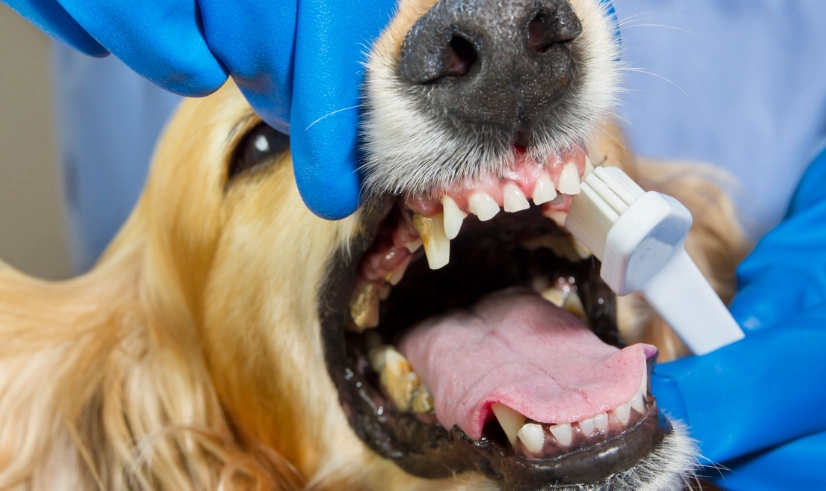
Here's the part most people miss: dogs are masters at hiding pain. A dog with a cracked tooth or inflamed gums will still eat, still wag its tail, still act normal. That's why I always tell new owners to check the mouth monthly. Lift the lip. Look at the gum line. Run your finger along the teeth. If your dog flinches or pulls away, that's a signal.
My non-negotiable rule: After every vet visit, ask them to show you the teeth chart. If they say "some tartar," ask where and how much. Vets are busy; they won't always spell it out unless you push a little.
Signs of dog dental problems you shouldn't ignore
Bad breath is the obvious one. But there are subtle signs that most owners brush off as "just old dog stuff." Watch for these:
- Changes in chewing: Your dog chews on one side, drops kibble, or suddenly prefers soft food.
- Pawing at the mouth: A dog rubbing its face on the carpet or pawing at its jaw is often dealing with gum pain.
- Brownish-yellow buildup: That's tartar. It won't come off with a toothbrush once it's hard — you need a vet.
- Bleeding gums: Even a tiny streak of pink on a chew toy is a red flag.
I once met a Lab whose only symptom was "slowing down on walks." Turned out he had two abscessed teeth. After the dental, his energy came back within days. So yes, dental pain can look like laziness or aging. Don't overlook it.
How to brush dog teeth without the drama
Most people give up on brushing because they try to do it like a human — full mouth, two minutes, twice a day. That's a recipe for a wrestling match. Here's the method I use with my own dogs, and it works on even the most stubborn ones.
Step 1: Start with your finger and toothpaste
Get a dog-safe enzymatic toothpaste (poultry flavor is a winner). Let your dog lick it off your finger for a few days. No brushing yet. Just build the association: finger near mouth = tasty treat.
Step 2: Brush just the outsides of the upper back teeth
The upper back teeth (carnassial teeth) are where tartar builds fastest. Focus there. Use a soft-bristled dog toothbrush or a finger brush. Ten seconds per side is plenty at first. Don't worry about the inside surfaces — saliva and tongue movement do most of that work.
Step 3: Build up to 30 seconds per side, three times a week
Daily is ideal, but three times a week is realistic for most people. The key is consistency, not duration. A 30-second brush on Monday, Wednesday, and Friday beats a 5-minute battle once a month.
Don't use human toothpaste. Fluoride and xylitol are toxic to dogs. Also, avoid brushing right after a meal — wait 30 minutes to avoid upsetting the stomach.
Dental chews vs. brushing: what actually works
I'll be blunt: most dental chews are candy. They're high in calories, low in abrasion, and some are outright dangerous (looking at you, hard antlers and ice cubes). But a few do have the Veterinary Oral Health Council (VOHC) seal, which means they've been proven to reduce plaque and tartar. That seal is the only thing I trust.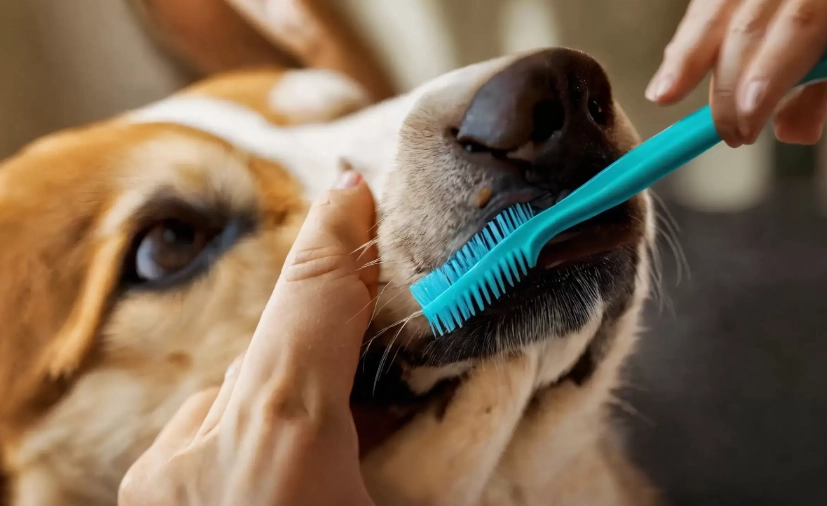
| Method | Effectiveness | Best for | Watch out for |
|---|---|---|---|
| Brushing | High (reduces plaque by up to 70%) | Daily upkeep | Dogs that hate the brush |
| VOHC dental chews | Moderate | Owners who travel or have limited time | Calorie-heavy; can cause stomach upset |
| Dental wipes | Low-moderate | Dogs that tolerate handling | Not as thorough as brushing |
| Water additives | Low | Multi-dog homes | Some dogs refuse to drink |
My honest take: brushing is the gold standard, but if you can't do it every day, a VOHC chew plus a weekly wipe is a solid backup. Just don't fool yourself into thinking a single chew a day will cancel out months of neglect.
Professional vet cleanings: when to say yes
I've heard every excuse: "He's too old," "The anesthesia scares me," "It's too expensive." I get it. But here's the reality — a professional cleaning under anesthesia is the only way to remove tartar below the gum line. That's where the infection lives. Without it, you're just polishing the surface while the foundation rots.
Most vets recommend a cleaning every 6–12 months, depending on the dog's breed and home care. Small breeds (like Yorkies and Dachshunds) often need it more frequently because their teeth are crowded. Large breeds can sometimes go a bit longer. But age is not a disease — a healthy 10-year-old dog can usually handle anesthesia fine, and your vet will run bloodwork first to be sure.
Cost reality check: In my area, a routine dental cleaning runs $400–$800, while a dental with extractions can hit $1,500. That's a big gap. Investing in a $10 toothbrush and $15 toothpaste now can save you hundreds later.
Real questions from dog owners
My dog's breath smells like fish even after brushing. What's going on?
That fishy odor usually points to gum disease or a decaying tooth. Brushing alone won't fix it because the bacteria are living under the gum line. Get a vet to probe the gum pockets. If they say "healthy gums," then look at diet — some kibbles leave a residue that feeds odor-causing bacteria.
Are those "dental bones" from the pet store actually safe?
Most are too hard. If you can't dent it with your thumbnail, it can crack a tooth. I've seen more fractured carnassial teeth from antlers and nylon bones than from anything else. Stick to VOHC-approved chews that have some give — they should be flexible, not rock-hard.
How do I brush my dog's teeth if he growls when I touch his mouth?
Start way before the toothbrush. Spend a week just lifting his lip for one second and giving a treat. Then touch a tooth with your finger for one second — treat. If he growls, you're going too fast. Also, check with your vet. Sometimes mouth pain is the reason for the growl, not just attitude.
Is anesthesia-free dental cleaning a good alternative?
No. It's cosmetic. Those services only clean the visible part of the tooth, and they can't get under the gums where the real damage happens. The American Veterinary Dental College advises against it. It might make the teeth look white, but the disease is still there.
After years of living with dogs and talking to countless owners, I'm convinced that dental care is the most overlooked part of dog health. It's not glamorous. It's not a quick fix. But it's one of the most direct ways to add quality years to your dog's life. Start small. Be consistent. Your dog's breath — and your vet bill — will thank you.
This article was fact-checked against guidelines from the American Veterinary Dental College and the Veterinary Oral Health Council.


Comments