When the sun goes down, a whole different world wakes up in your garden, local park, or even that forgotten corner of your balcony. I’ve spent countless evenings with a headlamp and a notebook, and I can tell you—the drama, beauty, and sheer weirdness of nocturnal insects puts the daytime bug scene to shame. This isn't just about moths bumping into lights. It's about silent hunters, essential pollinators, and an ecosystem most of us completely miss.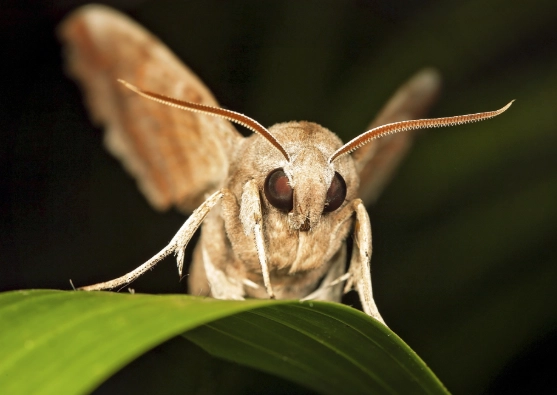
Your Quick Guide to the Night Shift
What Exactly Are Nocturnal Insects?
Let's clear something up first. "Nocturnal insects" isn't a scientific family—it's a lifestyle. These are insects that have evolved to do their main business under the cover of darkness. Think of it as their shift pattern. They avoid the intense heat and dryness of the day, escape many daytime predators (like birds), and tap into food sources that are available at night.
How do they manage it? Their adaptations are incredible.
Their eyes are often larger or structured differently to gather more light. Many moths have antennae that look like tiny feathers; these are super-sensitive chemical detectors for finding mates or host plants over vast distances. And then there's navigation. While we know many use the moon and stars (which is why they get confused by artificial lights), some likely use the Earth's magnetic field. We're still figuring it out.
I remember trying to photograph a large sphinx moth. In the beam of my headlamp, its eyes shone like tiny embers. That's the tapetum lucidum, a reflective layer behind the retina that gives them a second chance to capture light particles. It's the same thing that makes cat eyes glow.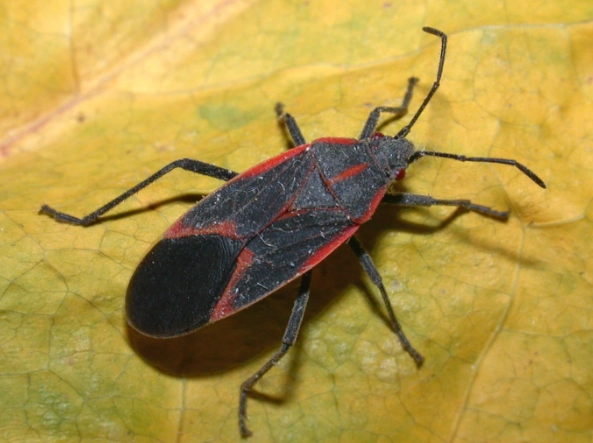
Meet the Night Crawlers: Common Species You Can Find
Forget the vague "bugs." Knowing who's who makes observation ten times more rewarding. Here’s a rundown of the usual suspects you'll encounter.
| Insect Group | Key Identifying Features | What They're Doing at Night | Fun Fact / Common Misconception |
|---|---|---|---|
| Moths | Antennae are often feathery or thread-like; wings rest flat or tent-like; bodies tend to be stout and furry. | Flying to find mates, seeking nectar from night-blooming flowers (like jasmine, honeysuckle), laying eggs. | Not all moths are drab! Some are more colorful than butterflies. And no, they don't eat your clothes—only the larvae of a few specific species do. |
| Beetles (e.g., June Bugs, Fireflies) | Hard wing cases (elytra) that meet in a straight line down the back. Fireflies have a soft, glowing abdomen. | Many species feed on plants, decaying matter, or hunt other insects. Fireflies use bioluminescent flashes to communicate and mate. | That loud "thump" on your window on a summer night? Usually a June beetle. Firefly populations are declining due to light pollution and habitat loss. |
| True Bugs (e.g., Cicadas, Stink Bugs) | Triangle-shaped scutellum (a plate) on their back; piercing-sucking mouthparts. | Feeding on plant sap. Male cicadas produce their iconic buzzing songs to attract females. | Cicadas spend years underground as nymphs before emerging en masse for a brief, noisy adult life. |
| Crickets & Katydids | Long antennae, powerful hind legs for jumping. Katydids are often leaf-green and look like leaves. | Males "chirp" or "sing" by rubbing wings together to attract mates. They are also omnivorous scavengers. | You can estimate temperature by counting cricket chirps! Count chirps in 14 seconds, add 40—roughly the temp in Fahrenheit. |
| Lacewings | Delicate, veined wings held roof-like over a slender green or brown body. Large, copper-colored eyes. | Adults are often nocturnal pollinators. Their larvae (called "aphid lions") are ferocious daytime predators of pests. | One of the best beneficial insects you can have. If you see them, your garden is healthy. |
Spotting these guys is one thing. Knowing their story is what turns a casual glance into genuine fascination.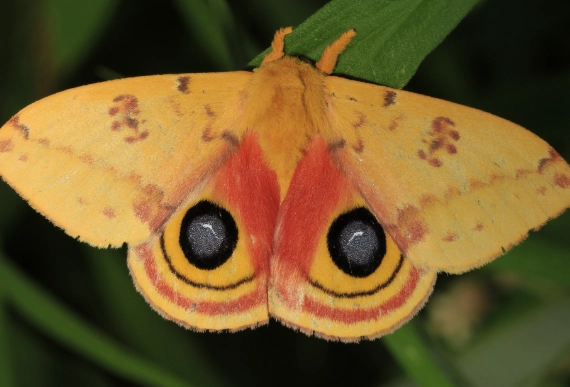
How Can I Safely Observe Nocturnal Insects? (A Practical Guide)
You don't need fancy gear to start. Some of my best finds happened just sitting quietly on the back steps. But if you want to get serious, here’s a breakdown.
- A red-light headlamp: Insects are less disturbed by red light than white light. It preserves your night vision too.
- A regular flashlight or UV/blacklight: For setting up a viewing station. A portable UV light is a game-changer.
- A white sheet or piece of poster board: Your projection screen.
- A camera with macro capability (even your phone): For documenting finds.
- A notebook: Old school, but noting dates, weather, and species builds a valuable personal record.
- Insect ID app or guidebook: I like iNaturalist for crowdsourced IDs and the Peterson Field Guide to Moths.
The Sheet & Light Method (The Gold Standard)
Hang a white sheet in a sheltered spot in your yard. Drape it over a clothesline or fence. Point your UV light or a bright white LED flashlight directly at it. Turn off other nearby lights. Wait 30-60 minutes.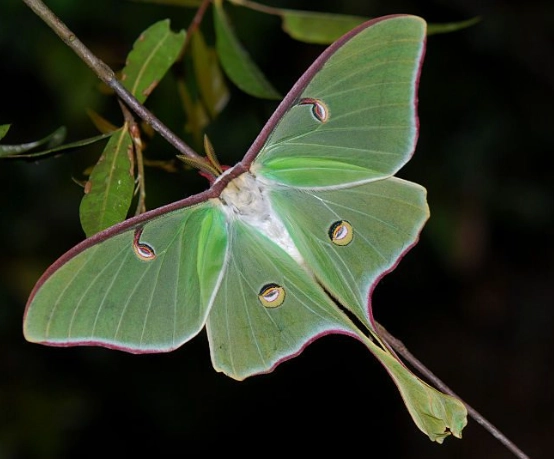
Insects will be attracted to the light, land on the sheet, and often stay put for a while. This is perfect for observation and photography. It's non-lethal and low-impact. Just turn off the light and let them disperse when you're done.
One summer, I did this near a patch of milkweed. I expected moths, but I was stunned by the diversity of tiny parasitic wasps, colorful leafhoppers, and delicate micro-moths that showed up. It was a full community meeting.
Where and When to Look
You'll have the most luck on warm, humid, still nights. Rain or strong wind keeps them hunkered down. Start looking about an hour after full dusk.
Good spots include:
- Edge habitats (where a forest meets a field).
- Near flowering plants that bloom at night (evening primrose, moonflower, nicotiana).
- Around ponds or streams (many insects need water).
- Just check around your outdoor house lights—it's a ready-made, if sad, observation post.
Why Nocturnal Insects Matter in Your Ecosystem
This isn't just a hobbyist's pursuit. These creatures are linchpins in the environmental machine.
Pollination: Up to 30% of pollination happens after dark, according to research cited by the Xerces Society for Invertebrate Conservation. Moths, beetles, and even some nocturnal bees pollinate a huge range of plants, including many crops and wildflowers. Without them, ecosystems would collapse.
Pest Control: That ground beetle scuttling under a leaf? It's probably hunting slug eggs or cutworm larvae. Bats get all the credit for eating moths, but the reverse food chain is just as important—many nocturnal insects are predators of common garden pests.
The Food Web: They are a massive food source. They feed bats, birds (like nightjars and owls that eat moths), amphibians, reptiles, and other insects. A decline in nocturnal insect biomass, which studies in Europe have shown is happening, ripples up through the entire food chain.
When I stopped using broad-spectrum insecticides in my garden, the first sign of recovery wasn't more birds—it was more moths at my sheet. They are a critical indicator species.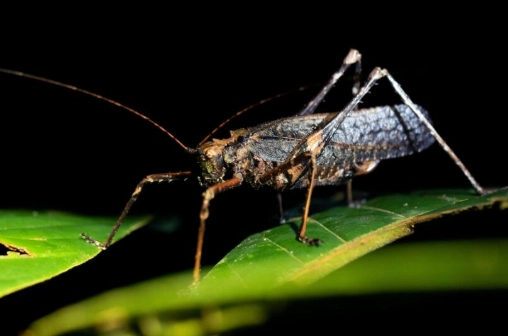
Living With Nocturnal Insects: Friends, Foes, and Finding Balance
Most are benign or beneficial. But sometimes, their world collides with ours.
The Beneficials (Encourage These!)
Ground Beetles: The night watchmen of your soil. They eat slugs, snails, and other soft-bodied pests. Leave some leaf litter and stones for them to hide under.
Lacewings & Parasitic Wasps: Their larvae are aphid-devouring machines. Plant diverse flowers to provide adults with nectar.
Moth Pollinators: Plant night-blooming, fragrant natives like evening primrose, yucca, or native phlox. You're setting up a moth buffet.
When They Become "Pests" (Smart Management)
The issue is usually the larval stage, not the adult.
Cutworms & Armyworms: These moth larvae can mow down seedlings. Non-consensus tip: Instead of reaching for spray, use physical barriers. Make "collars" from toilet paper rolls or aluminum foil around the base of each seedling. It's 100% effective and harmless to everything else.
June Beetles/Chafers: Their grubs can damage lawns. Encourage natural predators like birds and skunks (a little digging is good!) or use beneficial nematodes applied to the soil in fall, as recommended by university extension services.
Light Attraction: The single biggest conflict. Use motion-sensor lights, shield fixtures to point light down, and switch to warmer-colored (2700K or less), yellow, or amber LEDs. They are far less attractive to insects than cool-white or UV-rich lights.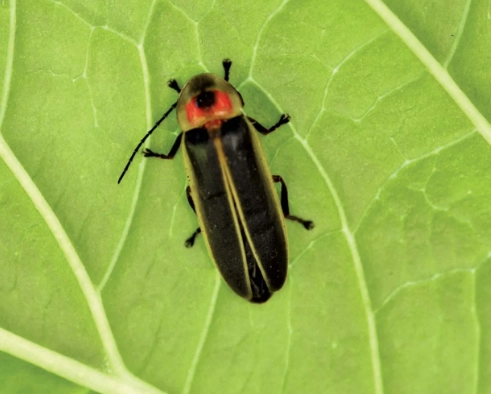
Your Burning Questions Answered
The night is not empty. It's just running on a different schedule. By taking a few simple steps—turning down the wrong lights, planting the right flowers, and taking a moment to look—you open a door to a hidden world that's critical to the health of our own. Start tonight. Just turn off the porch light and see who comes to visit.