Let's cut to the chase. You bought a stunning tropical hibiscus, all covered in those plate-sized, vibrant flowers. It was the star of the garden center. You brought it home, gave it a prime spot, and... the buds started dropping. The leaves turned yellow. The glorious blooms became a distant memory.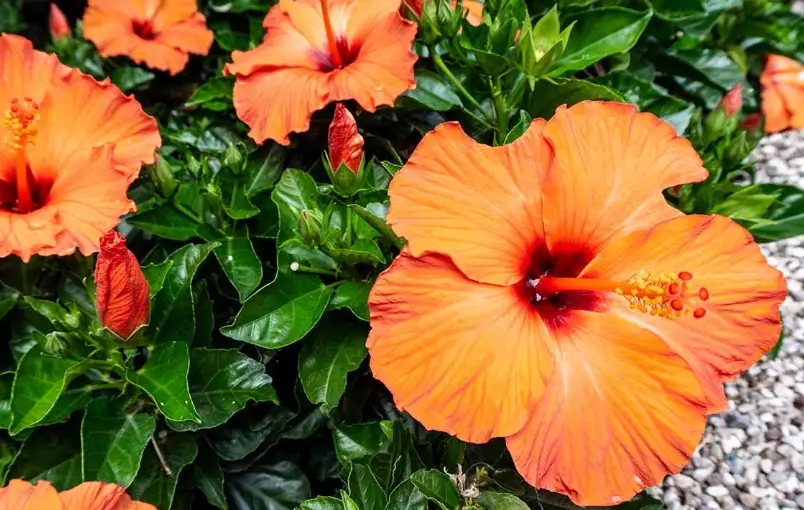
I've been there. More importantly, I've killed a few plants getting to the point where my hibiscus now flowers from April straight through to October, even in a container. The secret isn't one magic trick. It's understanding that this plant isn't a set-it-and-forget-it shrub. It's a tropical diva with specific needs, and when you meet them, the reward is absolutely worth the effort.
This guide is for the gardener who's past the basic "water and sun" advice. We're diving into the nitty-gritty of soil chemistry, seasonal shifts, and those subtle signs your plant uses to cry for help.
What You'll Find in This Guide
What Makes a Hibiscus "Tropical"? (And Why It Matters)
First, a critical distinction most articles gloss over. When we say "tropical hibiscus," we're almost always talking about Hibiscus rosa-sinensis and its thousands of hybrids. This is not your grandma's hardy hibiscus (Hibiscus moscheutos) that dies back to the ground each winter.
The tropical variety is evergreen, loves heat, and will not survive a freeze. That single fact dictates almost everything about how you care for it if you live anywhere that isn't USDA zone 9 or warmer. Its origins in Southeast Asia mean it craves consistent warmth, high humidity, and well-draining, slightly acidic soil.
I see people make the mistake of treating them like a petunia or a rose. They're not. Think of them more like a citrus tree—a tender perennial that thrives in summer but needs a plan for winter.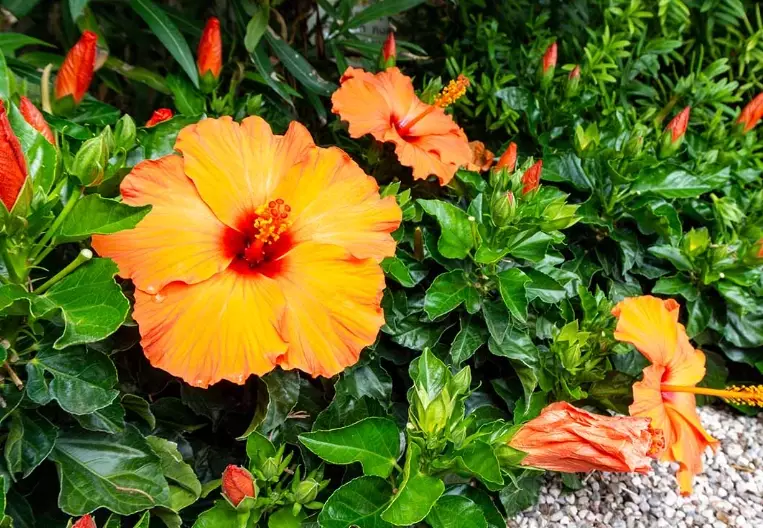
The Complete Care Breakdown: Beyond the Basics
Here’s where we get into the details that separate a surviving plant from a thriving one.
Soil: It's All About the Drainage (and Acidity)
Forget generic potting mix. Tropical hibiscus roots hate "wet feet." They need a mix that holds moisture but lets excess water run through immediately. A soggy root zone is the fastest way to trigger leaf drop and root rot.
My go-to mix: 2 parts high-quality potting soil, 1 part perlite, and 1 part compost or well-rotted pine bark fines. The pine bark is key—it improves drainage and slowly acidifies the soil, which hibiscus love. I learned this after losing a beautiful 'Persuasion Pink' to dense, moisture-retentive soil. Now, I repot every new plant immediately.
Sunlight: How Much is Really Enough?
"Full sun" is the mantra, but in scorching climates (Arizona, Texas inland), that can mean leaf scorch by mid-July. These plants need a minimum of 6 hours of direct sun to bloom reliably. Ideally, you want morning sun and afternoon shade, or dappled light all day.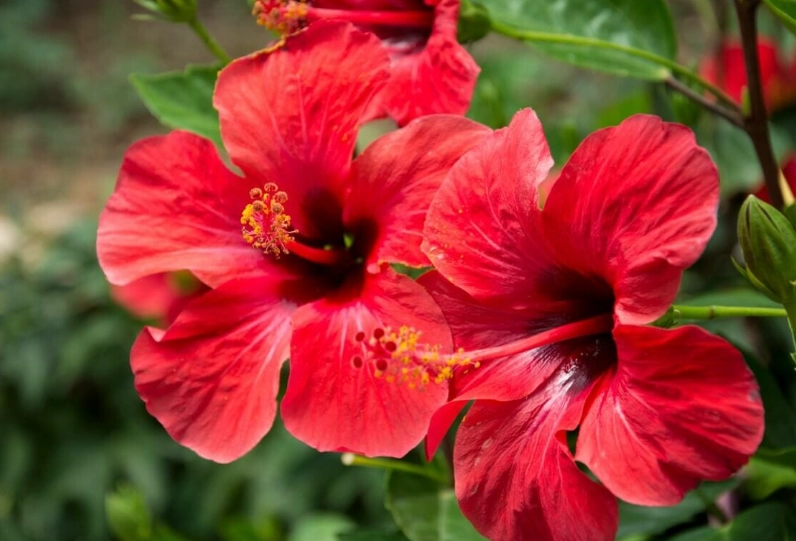
If your plant is lush and green but not flowering, it's almost certainly a light issue. Move it to a sunnier spot. Conversely, if the leaves are bleached or have crispy brown edges, it might be getting too much intense, afternoon sun.
Watering: The Delicate Balance
This is the number one killer. The rule is simple but requires attention: water deeply when the top inch of soil feels dry. Then, let the soil approach dryness again before the next watering.
In peak summer heat, a potted hibiscus might need water daily. During a cool, rainy week, it might not need any. Stick your finger in the soil. It's the most reliable tool you have. Automatic drip systems on a timer can be disastrous if not calibrated perfectly for weather changes.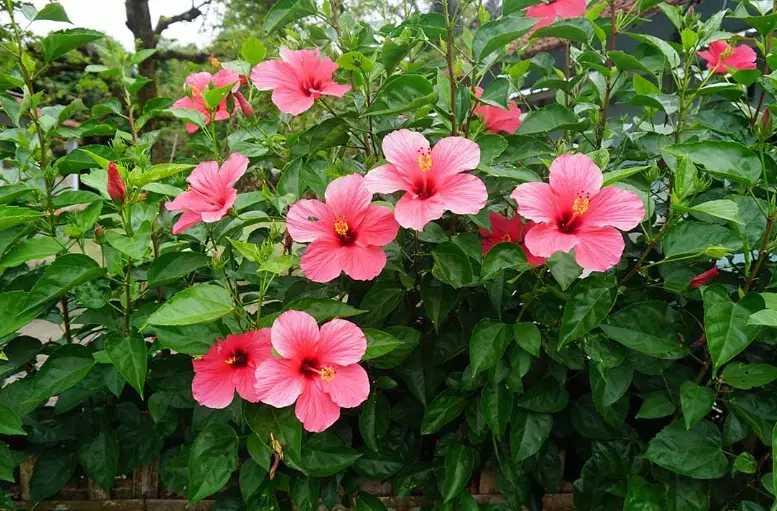
Feeding: The Bloom-Boosting Formula
Hibiscus are heavy feeders, especially when in active growth and bloom. But they're picky. They need a fertilizer with a low phosphorus content (the middle number). High phosphorus can lock up micronutrients like iron and manganese, causing interveinal chlorosis (yellow leaves with green veins).
Look for a fertilizer labeled for hibiscus or citrus, or use a balanced formula like 20-20-20 but supplement with chelated iron. I use a water-soluble fertilizer with micronutrients every two weeks from spring to early fall. In winter, I stop feeding entirely if the plant is dormant indoors.
Pruning: Timing is Everything
Prune to shape the plant and encourage bushier growth. The best time is in late winter or early spring, just as new growth begins. You can do light pruning anytime, but avoid a major chop in late summer or fall—the new growth will be too tender to survive winter.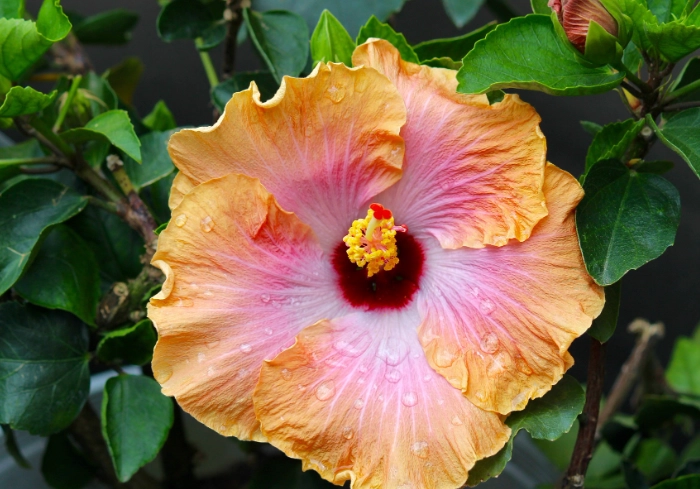
Always prune just above a leaf node (the bump where a leaf grows), and cut at a slight angle. Don't be afraid to cut back leggy stems by a third.
Container vs. In-Ground: The Big Decision
Unless you live in the tropics, growing tropical hibiscus in a container is almost always the smarter choice. It gives you ultimate control over soil, drainage, and—most importantly—the ability to move the plant for winter.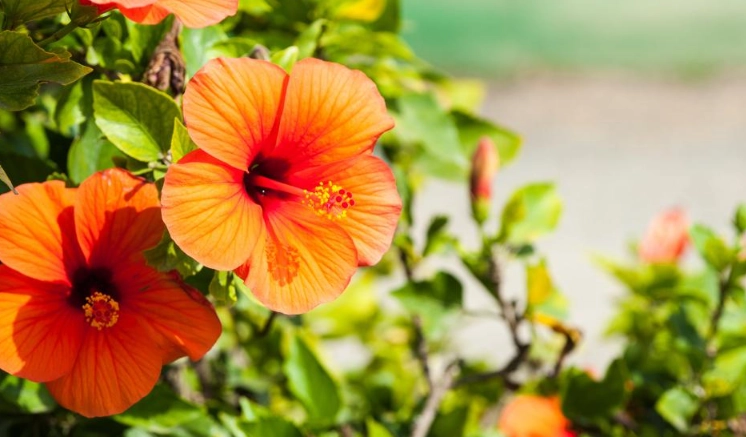
| Aspect | Growing in a Pot | Growing in the Ground |
|---|---|---|
| Overwintering | Easy. Bring the whole pot indoors. | Extremely difficult. Requires digging up, bare-rooting, and storing. |
| Soil Control | Complete control. Use the perfect mix. | Limited. Depends on your native soil and amendments. |
| Mobility | Move to chase sun or avoid storms. | Permanent placement. |
| Root Space | Limited. Requires occasional repotting. | Unlimited. Can support a much larger plant. |
| Best For | Most gardeners in temperate zones. | Gardeners in frost-free climates (Zones 9-11). |
My personal setup: I use large, lightweight resin pots with multiple drainage holes. I place them on wheeled plant caddies. Come fall, I can roll them right into my garage for winter storage with minimal fuss.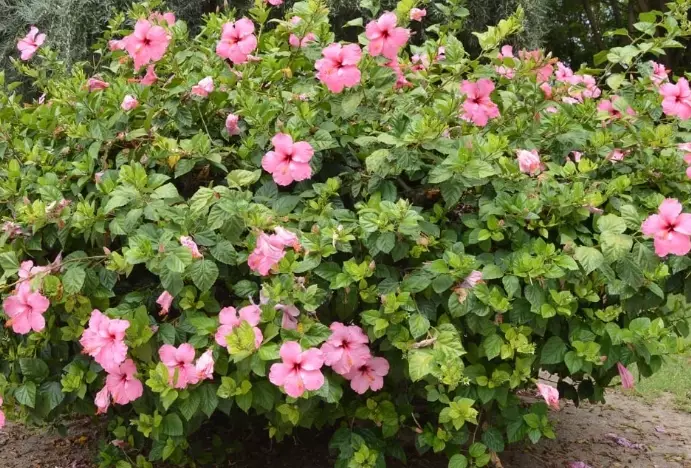
Quick Troubleshooting Guide: Read the Leaves
Your plant talks to you. Yellow leaves aren't just "a problem"—they're a specific symptom.
Bud drop before openingSudden change in environment, thirst, or pests.Ensure consistent watering. Check for tiny thrips or aphids on buds.| Symptom | Likely Cause | Quick Action |
|---|---|---|
| Yellow leaves falling off | Overwatering or poor drainage. | Check soil moisture. Let dry out more between waterings. Improve soil mix. |
| Yellow leaves with green veins | Iron deficiency (chlorosis). | Apply chelated iron. Check soil pH—it may be too high (alkaline). |
| No flowers, lots of leaves | Not enough sun or too much nitrogen fertilizer. | Move to a sunnier location. Switch to a bloom-formula fertilizer (low middle number). |
| Whiteflies or aphids | Common sap-sucking pests. | Blast with water hose. Use insecticidal soap or neem oil. Encourage ladybugs. |
The Overwintering Challenge: It's Not Just About Warmth
This is the real test. You have three main options, from easiest to most demanding:
1. The Dormant Garage Method (My Preferred): After a light frost knocks off the leaves, move the pot to an unheated garage, basement, or shed where temps stay between 40-50°F (5-10°C). Water it once a month, just enough to keep the roots from completely drying out. It will look dead. It's not. In spring, move it back into the sun, resume watering, and watch it leaf out.
2. The Sunny Window Method: Bring it indoors to the sunniest window you have. Expect leaf drop as it adjusts to lower light. It might get leggy. Water sparingly (indoors, evaporation is slow) and don't fertilize. You might get a few winter blooms if you're lucky.
3. The Grow Light Setup: For the dedicated enthusiast. With a strong grow light (like a full-spectrum LED panel), you can keep your hibiscus growing and even blooming all winter. It requires more attention to watering and humidity.
The biggest mistake is keeping the plant in a warm, dark room. It will stretch desperately for light, becoming weak and spindly, and will likely succumb to pests.
Your Hibiscus Problems, Solved
Growing tropical hibiscus is a commitment, but it's not rocket science. It's about observation and adjusting to your specific environment. Pay attention to the soil, the light, and the leaves. Don't be discouraged by a setback—every dropped leaf is a lesson. When you finally nail the routine and that first fat, colorful bud unfurls into a perfect flower, you'll forget all the trouble. It’s that good.