Most gardeners pack it in after the first frost, but that's when the real magic can begin. Winter vegetables aren't just a survival crop; they're some of the most flavorful, nutritious, and resilient plants you can grow. The secret isn't in fighting the cold, but in partnering with it. I learned this the hard way after my first "winter garden" turned into a slushy, disappointing mess. Now, after years of trial and error, my winter harvests are often more reliable and satisfying than my summer ones. This guide will show you how to skip the mistakes and go straight to a thriving cold-weather garden.
What's Inside This Guide
How to Select the Best Winter Vegetables for Your Garden
Forget trying to grow tomatoes in December. Success starts with picking the right players for the team. Winter vegetables fall into two main categories: those you harvest through the winter, and those you plant in late summer to overwinter for an early spring bounty. Your local average first frost date is your key planning tool (you can find it via resources like the USDA Plant Hardiness Zone Map).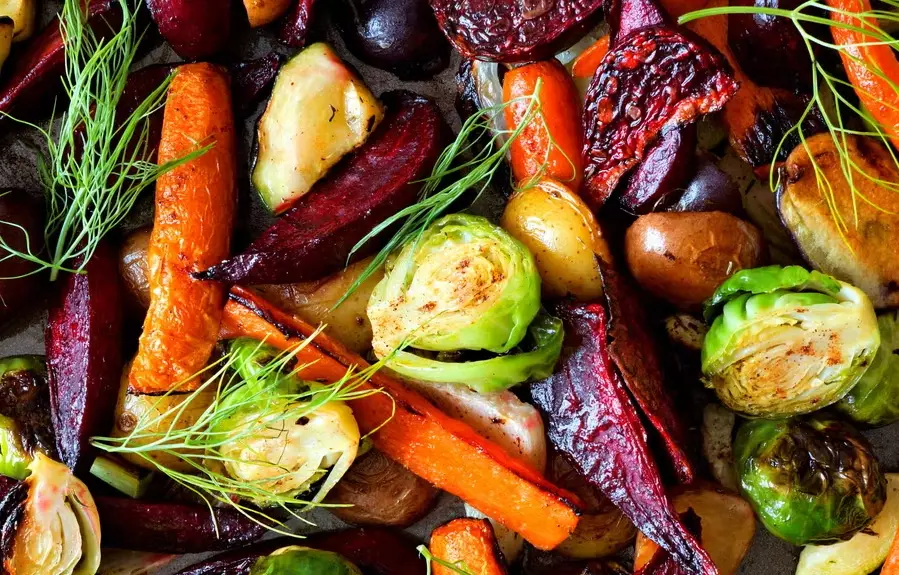
Here’s a breakdown of the top performers, based on flavor, reliability, and cold tolerance. I've ranked them not just by hardiness, but by the reward-for-effort ratio.
| Vegetable | Type (Harvest In Winter / Overwinter) | Key Varieties to Look For | Minimum Temp Tolerance (Approx.) | Notes & Flavor Profile |
|---|---|---|---|---|
| Kale | Harvest In Winter | 'Winterbor', 'Red Russian', 'Lacinato (Dinosaur)' | 10°F (-12°C) | The undisputed champion. Frost sweetens the leaves. 'Winterbor' is nearly indestructible. |
| Brussels Sprouts | Harvest In Winter | 'Long Island Improved', 'Churchill' | 20°F (-7°C) | Flavor peaks after several frosts. Stalks can be harvested incrementally. |
| Parsnips | Harvest In Winter | 'Hollow Crown', 'Gladiator' | Frozen ground (roots store in soil) | Starch converts to sugar in the cold, creating an incredible, sweet, nutty flavor. |
| Spinach | Overwinter / Harvest In Mild Winters | 'Giant Winter', 'Tyee', 'Bloomsdale' | 5°F (-15°C) with protection | Plant in fall for a slow-growing crop that explodes in early spring. |
| Garlic | Overwinter | 'Music' (Hardneck), 'Inchelium Red' (Softneck) | Frozen ground (planted in fall) | Planted before ground freezes, it establishes roots for a huge head the following summer. |
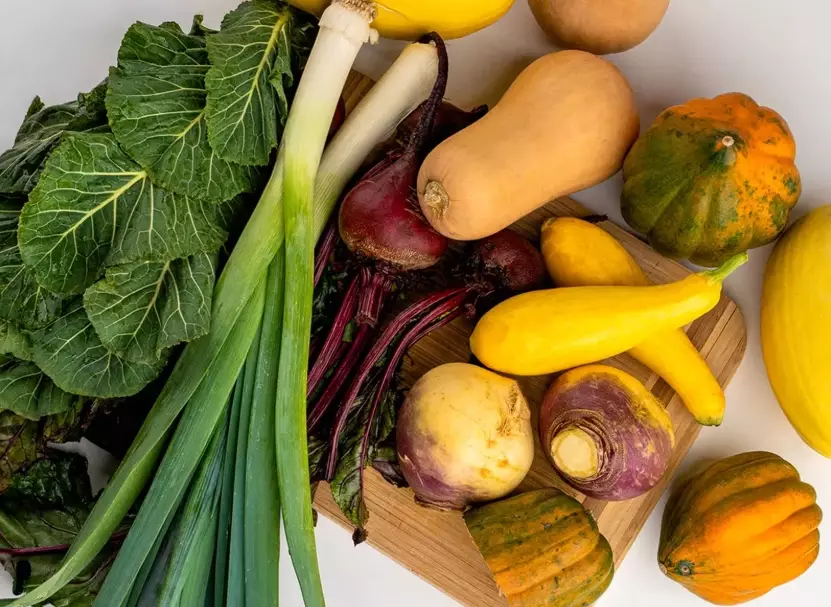
| Leeks | Harvest In Winter | 'American Flag', 'Bandit', 'Tadorna' | 10°F (-12°C) | Extremely cold-hardy. Mulch heavily and harvest as needed all winter long. |
A Personal Mistake: I once planted a standard spring variety of spinach in October, expecting a winter crop. It just sat there, miserable, until it died. The game-changer was switching to a true 'Winter' variety like 'Giant Winter'. The difference wasn't subtle; it was the difference between failure and a lush spring harvest. Always check the seed packet for words like "cold-hardy," "overwintering," or "for fall planting."
The Overlooked Gems: Swiss Chard & Collards
While kale gets all the press, Swiss chard and collards are workhorses. Chard, especially varieties like 'Fordhook Giant', can handle surprisingly cold snaps (into the teens °F) and will often bounce back in spring. Collards are arguably even hardier than some kales, with a robust, cabbage-like flavor that stands up beautifully to long, slow cooking—a staple in Southern U.S. winter cuisine.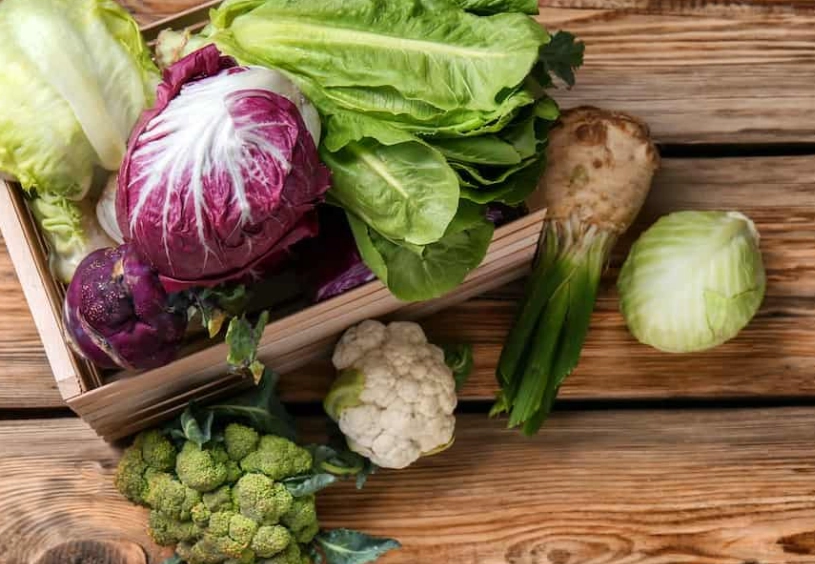
A Step-by-Step Guide to Planting & Protecting Winter Crops
Timing is everything. Planting too late means seedlings get caught by frost before establishing; too early, and heat-loving fall pests devour them. The general rule: calculate backwards from your first frost date.
- For Direct Harvest in Winter (Kale, Brussels Sprouts, Parsnips): Start seeds or transplant seedlings so they are well-established (6-8 weeks old) by the time your first frost hits. For kale, that often means a mid-to-late summer sowing.
- For Overwintering for Spring (Spinach, Garlic, Onions): Plant these in the fall, 4-6 weeks before the ground freezes. This gives them just enough time to put down roots without putting up top growth that will get zapped.
Soil preparation is non-negotiable. These plants need to grow strong before the cold hits. Work in several inches of well-rotted compost. I also add a balanced, slow-release organic fertilizer at planting time—they won't get another meal until spring.
Your Winter Protection Toolkit: More Than Just a Blanket
Think of protection in layers, like you'd dress yourself.
Layer 1: Mulch. This is your base layer. A 3-4 inch layer of straw, shredded leaves, or wood chips does wonders. It insulates the soil, prevents freeze-thaw cycles that heave plants out of the ground, and keeps weeds down. I pile extra mulch around the stems of plants like leeks and Brussels sprouts.
Layer 2: Row Covers (The Game-Changer). A simple floating row cover (often sold as "frost blanket" or "Agribon") can raise the temperature underneath by 4-8°F. Drape it directly over plants and secure the edges. It lets in light and water. For a more structured approach, use hoops to create a low tunnel. This is my single most effective tool for extending the harvest of spinach, lettuce, and chard.
Layer 3: Cold Frames & Greenhouses. These are your heavy coats. A cold frame is essentially a bottomless box with a clear, angled lid. It captures solar heat and provides a near-frost-free microclimate. You can grow salad greens in one all winter in many zones.
When and How to Harvest & Store Winter Produce
Winter harvesting is a gentle, opportunistic process. You don't clear a bed; you graze it.
In-Garden Storage (The Easiest Method): Root crops like parsnips, carrots, and leeks are best stored right where they grew. After the first hard frost, mulch heavily with a foot of straw or leaves. The ground prevents them from freezing solid, and you can literally go out and dig them up whenever you need them, all winter long. The flavor of a parsnip pulled from frozen ground in January is a revelation.
Harvesting Leafy Greens: Always harvest from the outside leaves, allowing the central growing point to continue producing. Use a sharp knife or scissors. On a freezing morning, the leaves may be frozen crisp. Wait until the afternoon when they thaw before harvesting—picking them while frozen turns them to mush.
For Crops You Must Pull: Brussels sprouts stalks, mature heads of cabbage, and hardy roots like beets can be harvested and stored. The classic method is a root cellar—cool, humid, and dark. But a cheap alternative is a "storage box" in an unheated garage or shed. Place roots in a box filled with slightly damp sand or peat moss. Check periodically for rot.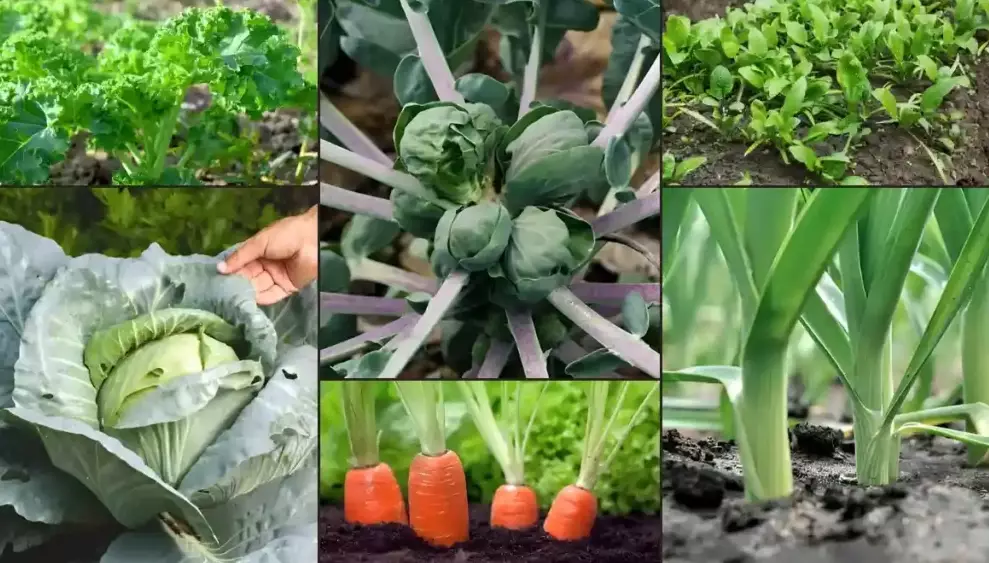
Transforming Your Harvest: Simple & Delicious Cooking Ideas
The flavor profile of winter vegetables is different: sweeter, denser, earthier. They demand cooking methods that respect their substance.
Embrace Roasting: This is the best way to caramelize the natural sugars brought out by the cold. Toss chunks of parsnip, carrot, beet, and Brussels sprout halves with olive oil, salt, and rosemary. Roast at 400°F (200°C) until tender and browned. It's impossible to mess up.
Master the Braise and Stew: Tough greens like kale and collards become tender and deeply flavorful when cooked low and slow. My go-to: sauté an onion and a few slices of chopped bacon, add a massive pile of chopped greens and a splash of broth or apple cider vinegar, cover, and simmer for 45 minutes. It's a meal in itself.
Don't Forget Raw (Yes, Really): Winter salads are possible. Use hardy greens like shredded kale or Brussels sprouts as a base. The trick is to massage them with your dressing (a lemony vinaigrette works well) for a few minutes. This breaks down the tough fibers, making them tender and palatable.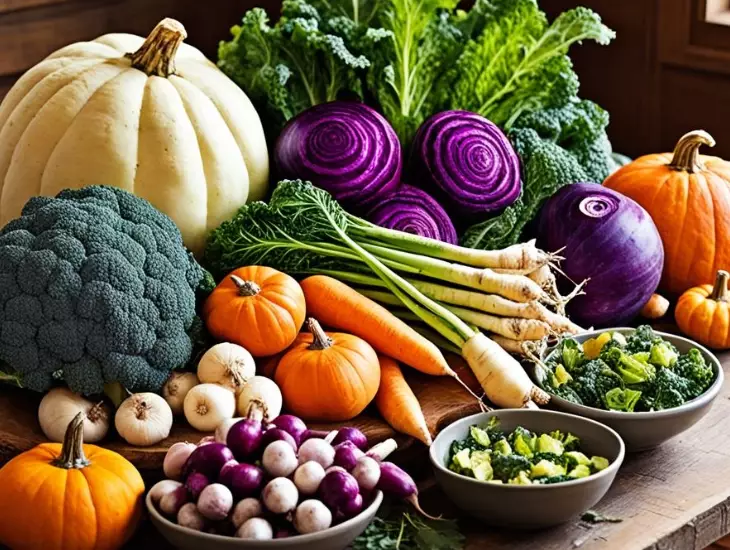
Recipe Quick Idea: Rustic Winter Soup. Sauté a chopped leek and a diced potato. Add a quart of broth and a chopped parsnip. Simmer until soft, then blend until smooth. Stir in a handful of chopped kale just before serving—the residual heat wilts it perfectly. Top with a drizzle of good olive oil. This uses three classic winter vegetables in one comforting bowl.
Your Winter Gardening Questions Answered
My winter spinach is growing very slowly. Is this normal?
Completely normal. Think of it as hibernating, not growing. Overwintering spinach focuses on root development underground during the cold. As long as it's alive and green (or even just a small, green center), it's on track. The payoff comes in early spring when daylight increases and temperatures rise slightly—it will then bolt into rapid, lush growth weeks before you can plant new seeds.
Should I water my winter vegetables?
Watering is critical in the fall, as they establish. Once winter sets in, natural precipitation often suffices, especially under mulch which conserves moisture. The main risk is for plants under cover (like in a cold frame) which are shielded from rain. Check soil moisture there periodically and water sparingly on a mild day if the soil is dry an inch down. Never water when temperatures are below freezing.
I have clay soil that gets waterlogged in winter. Can I still grow winter crops?
Clay soil is a challenge because cold, wet roots rot. The solution is twofold. First, improve drainage by amending heavily with compost and grit over time. More immediately, plant in raised beds. Even a 6-8 inch raised bed filled with a good soil mix will drain far better than native clay, giving your winter vegetables the well-drained environment they need to survive.
What's the one tool or product that made the biggest difference for your winter garden?
Beyond row covers, it's a simple soil thermometer. Planting garlic when the soil is 60°F (16°C) but air is cool is perfect. Knowing the soil temp tells you if it's time to plant overwintering crops or if it's still too warm. It removes the guesswork. A cheap dial thermometer works fine; just stick it a few inches into the soil.
The quiet of a winter garden is deceptive. Under the mulch and beneath the row covers, life is ticking over. It’s a different rhythm than the summer frenzy—slower, more patient, and in many ways, more rewarding. Start with a few rows of kale and some garlic. You might find, as I did, that winter becomes your favorite season in the garden.
Reader Comments