You brought home a beautiful plant. Maybe it was a gift, a rescue from the clearance rack, or a cutting from a friend. For weeks, months, maybe even years, you’ve called it “the one with the pointy leaves” or “the green bushy thing in the corner.” Sound familiar? You’re not alone. Proper houseplant identification is the single most skipped step in plant care, and it’s the root cause of so many struggles—yellow leaves, stunted growth, that slow, sad decline. Knowing your plant’s true name isn’t about botanical snobbery; it’s the master key that unlocks its specific needs for light, water, and humidity. Let’s turn that mystery plant into a known entity.
What’s Inside: Your Plant ID Roadmap
Why Bother? The Real Cost of Not Knowing
Think of plant ID like a medical diagnosis. You wouldn’t treat a fever without knowing if it’s flu or an infection. Same with plants. A ZZ Plant (Zamioculcas zamiifolia) thrives on neglect and low light. Give it the daily watering a Peace Lily (Spathiphyllum) craves, and you’ll rot its potato-like rhizomes in weeks. I’ve seen it happen. A customer was convinced her “ivy” was dying because the leaves were crispy. Turns out, it was a Peperomia ‘Hope’, a semi-succulent that needed infrequent watering and more light than a true ivy. The misidentification led to the wrong care, stressing the plant.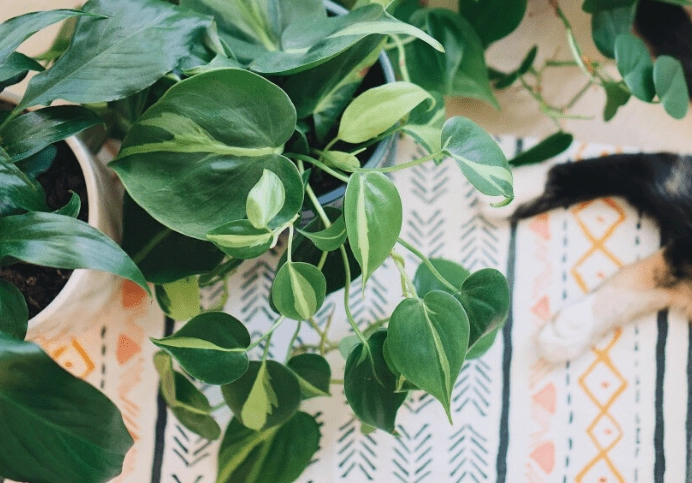
The label “tropical foliage” at the store is useless. It covers thousands of species with wildly different needs. Correct houseplant identification moves you from generic, often incorrect advice (“water once a week”) to precise care. It allows you to search for that specific plant’s problems. “Monstera yellow leaves” yields better results than “plant yellow leaves.”
The Plant Detective’s Toolkit: What to Look For
Forget flowers. Most houseplants rarely bloom indoors. Your primary clues are in the leaves and structure. Grab a notepad and examine your plant like a detective at a crime scene.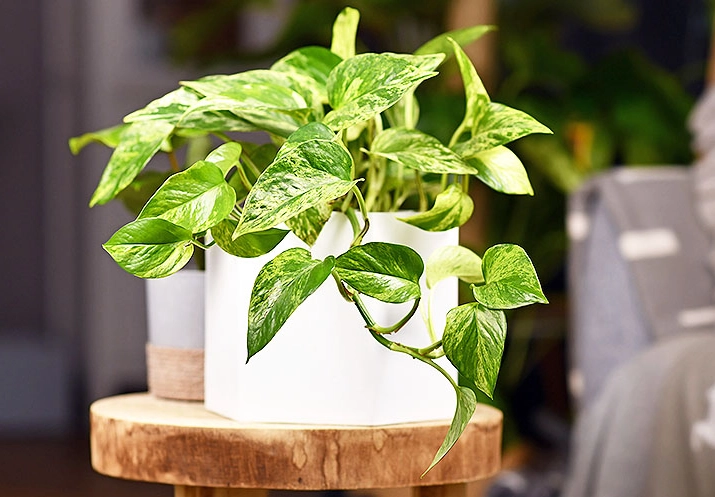
Leaf Shape, Texture, and Pattern
This is your first filter. Are the leaves heart-shaped (Philodendron), elongated and sword-like (Snake Plant), or round and coin-shaped (Pilea Peperomioides)? Feel them. Are they waxy and thick (Jade Plant), velvety (Purple Passion Plant), or thin and papery (Polka Dot Plant)? Look for patterns—silver stripes (Spider Plant), pink splashes (Aglaonema), or dramatic holes (Monstera adansonii).
Growth Habit and Stem
How does the plant grow? This is crucial and often overlooked.
- Trailing/Vining: Stems cascade down. Think Pothos, Philodendron cordatum, String of Pearls.
- Upright & Bushy: Grows upward in a cluster. Dracaena, Chinese Evergreen, Ficus elastica.
- Rosette: Leaves spiral from a central point. Succulents like Echeveria, Snake Plants (grow in a tight cluster).
- Tree-like: Single or few woody stems with a canopy. Fiddle Leaf Fig, Umbrella Tree.
Examine the stem. Is it green and fleshy (succulent), woody, or does it have distinct nodes (the bumpy rings where leaves emerge, common in Pothos and Peperomia)?
Roots (The Tell-Tale Sign)
If you’re repotting, look at the roots. Are they thin and fibrous? Thick and orange (like a ZZ Plant)? Chunky and white (like an Orchid)? This is a definitive clue many apps can’t see but an expert always notes.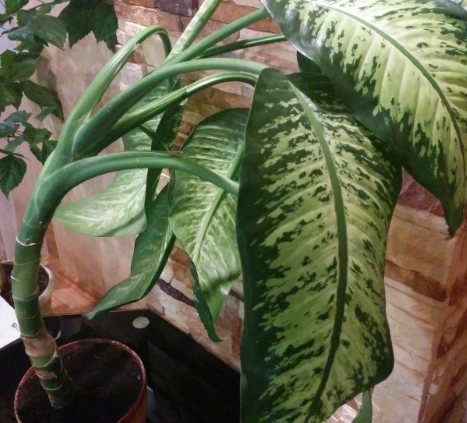
Using Plant ID Apps: A Helpful Tool, Not a Crystal Ball
Apps like PictureThis, Planta, or Google Lens are fantastic starting points. But they have limitations. They’re guessing from an image, often of a juvenile plant that looks different from a mature one. I use them, but with a strategy.
Take multiple, clear photos. Get a shot of the whole plant to show its habit. Take a close-up of a single leaf from the top and another of the leaf’s underside. If there’s a stem, photograph that. Use natural light, no filters.
Now, cross-reference. Don’t trust the first result. If the app says “Philodendron,” use that as a lead. Go to a trusted online database like the Missouri Botanical Garden’s Plant Finder or the Royal Horticultural Society website and search for Philodendrons. Compare the images and descriptions there with your plant. Does the leaf shape match? The growth style? Apps get genera (the first name, like *Philodendron*) right more often than the species (the second name, like *hederaceum*). Nailing the genus is usually enough for proper care.
Pro Tricks They Don’t Tell Beginners
After helping hundreds of people ID plants, here’s what I’ve learned.
The Pot and Soil Test. Look at how it was sold. Is it in a tiny, dense, peat-heavy mix? That’s typical for mass-market tropicals. Is it in a chunky, bark-filled mix? High chance it’s an epiphyte like an Anthurium, Philodendron, or Orchid that needs excellent drainage. The nursery’s choice of medium is a huge hint about root preferences.
Ignore the Flowers (At First). Beginners get hung up on blooms. “It had a small white flower once!” That describes hundreds of plants. Focus on the foliage, which is always present.
The “Shelf Test” at Big Box Stores. Stores group plants by need, not name. The “low light” section is full of Sansevieria, ZZ Plants, and Pothos. The “bright light” table has Succulents and Cacti. Your plant’s location in the store is a passive care clue.
My biggest piece of advice? Learn plant families. Once you know the look of an *Araceae* (the Arum family—Peace Lily, Monstera, Philodendron, all have a similar flower structure called a spadix), or the *Asparagaceae* family (Dracaena, Snake Plant, Spider Plant), you can start grouping unknowns. It narrows the field instantly.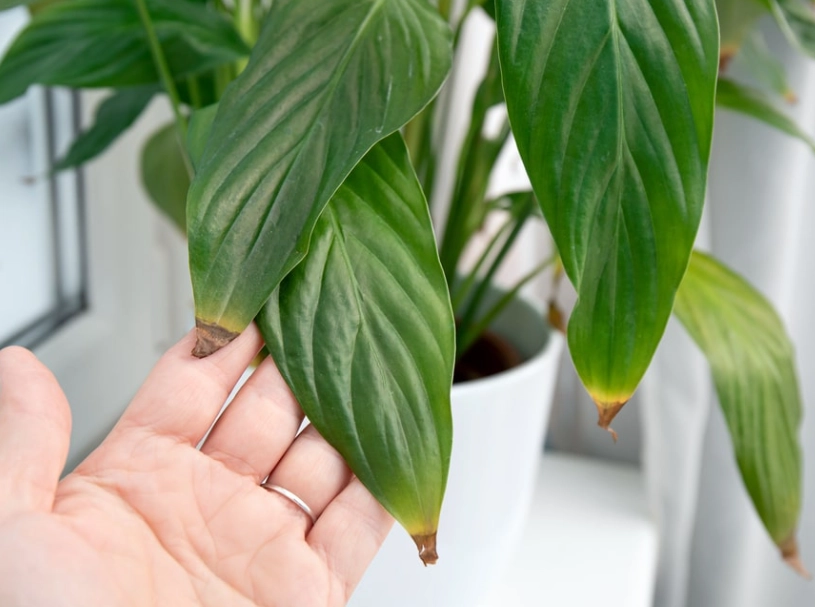
Quick ID Gallery: 5 Common “Mystery” Plants
Here’s a table to jumpstart your ID on some of the most frequently mislabeled or anonymous plants.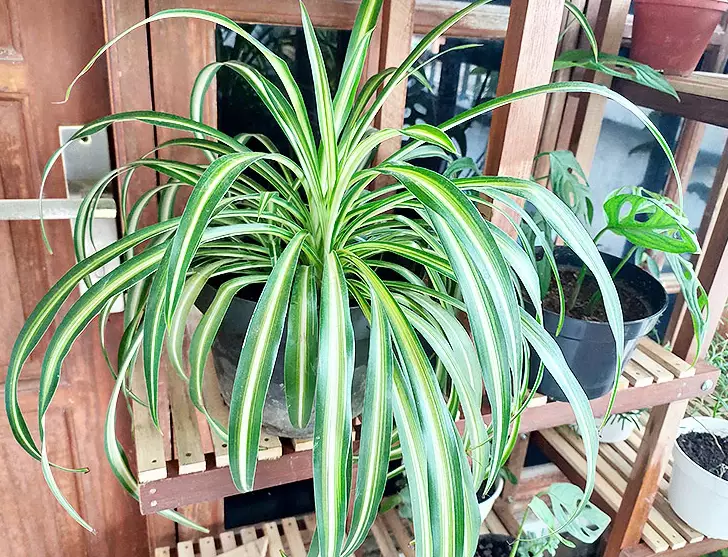
| Common Nickname | Likely True Identity | Key Identifying Features | Why ID Matters |
|---|---|---|---|
| “The Corn Plant” | Dracaena fragrans (Mass Cane) | Long, arching, sword-like leaves with a central yellow stripe. Woody cane stems. | It’s super sensitive to fluoride in water (brown leaf tips), unlike similar-looking plants. |
| “The Waxy Leaf Vine” | Hoya carnosa (Wax Plant) | Thick, succulent, oval leaves. Trailing vines that get woody. Produces star-shaped flower clusters. | It’s a semi-succulent. Overwatering kills it. It also needs to be root-bound and mature to bloom. |
| “The Purple Trailer” | Tradescantia zebrina (Inch Plant) | Vibrant purple/silver striped leaves on juicy, trailing stems. Leaves are slightly fuzzy. | It’s a rapid grower that needs frequent pruning and can get leggy. Different from other purple plants. |
| “The Rubber Tree” (small) | Peperomia obtusifolia (Baby Rubber Plant) | Thick, spoon-shaped, glossy green leaves on short stems. Grows in a compact, upright bush. | It’s a Peperomia, not a Ficus. It has much smaller, fleshier leaves and needs less light and water than a true Ficus elastica. |
| “The Frilly Fern” | Nephrolepis exaltata (Boston Fern) | Long, arching fronds made up of many small, pointed leaflets. Grows from a central, hairy crown. | It has high humidity needs. Letting it dry out causes massive leaf drop. Other “ferns” like Asparagus Fern (not a true fern) are more drought-tolerant. |
Your Plant ID Questions, Answered
My plant has brown leaf tips, how can ID help?
Brown tips are a symptom, not a disease. ID tells you the cause. On a Spider Plant or Dracaena, it’s often fluoride in tap water. On a Boston Fern, it’s low humidity. On a Peace Lily, it could be underwatering. Knowing the plant tells you which environmental factor to adjust first.
I used an app and got three different results. Which one is right?
Compare the app’s suggestions to the physical features you observed, especially growth habit. A trailing plant can’t be an upright Dracaena. Check the stem and leaf texture against online databases for the top 2-3 guesses. The one that matches the *combination* of traits, not just the leaf shape, is likely correct.
What if my plant is a hybrid or rare cultivar?
This is common. You might not find the exact ‘Neon Robusta’ Philodendron. The goal is to ID the base species or genus—Philodendron ‘Birkin’, ‘Pink Princess’, and ‘Green Congo’ are all primarily *Philodendron erubescens* types. Care is nearly identical. Focus on the genus-level care guidelines.
Can I identify a plant from just a leaf cutting?
It’s very hard, even for experts. A single leaf lacks the growth habit and stem details. Some plants, like Sansevieria or Peperomia, can propagate from a leaf but the new plant may look different initially. Your best bet is to ask the person who gave you the cutting for the name, or wait for it to grow and show more characteristics.
The most common houseplant ID mistake you see?
People conflating all vining plants as “Pothos.” There’s Pothos (Epipremnum aureum), Heartleaf Philodendron (Philodendron hederaceum), and even some Scindapsus (like Satin Pothos). Their care is similar, but not identical. Philodendron leaves are thinner and more heart-shaped; Pothos leaves are waxier with more pronounced variegation patterns. Mixing them up isn’t a death sentence, but precise ID prevents future confusion.
Reader Comments