Let's be honest, by late September, a lot of gardens start looking a bit tired. The summer stars have faded, and you're left with a sea of green waiting for the first frost. That's where Michaelmas daisies come in. These aren't your delicate spring flowers. They're tough, reliable, and they burst into bloom right when you need color the most. I've grown them for over a decade, and I've seen gardeners make the same few mistakes that hold these plants back. We'll get to those.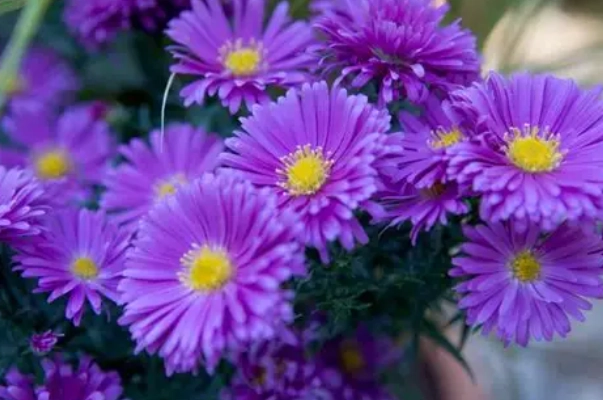
What's in this guide?
What Are Michaelmas Daisies, Really?
First, the name. They're called Michaelmas daisies because they bloom around Michaelmas (September 29th). Botanically, most are Aster novi-belgii (New York aster) or Aster novae-angliae (New England aster). There's been some reclassification—some experts now call them Symphyotrichum—but ask any gardener, and they'll say "Michaelmas daisy."
They're herbaceous perennials. They die back to the ground in winter and shoot up again in spring. The classic look is a bushy plant, 2 to 4 feet tall, covered in small, daisy-like flowers with yellow centers. Colors range from deep purples and violets to pinks, blues, and crisp whites.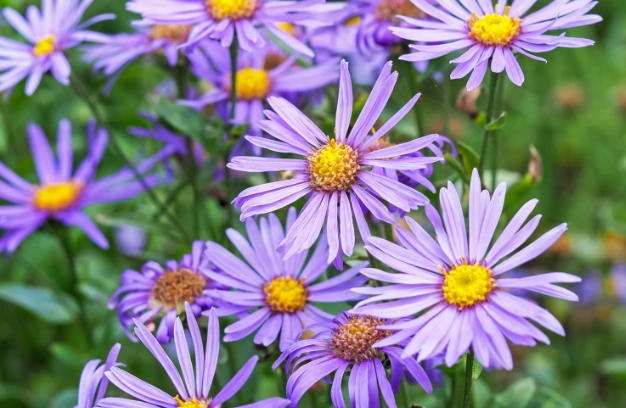
Here's the key thing most blogs miss: These plants are ecological powerhouses. While you're enjoying the show, they're one of the last major nectar and pollen buffets for bees, butterflies, and other pollinators preparing for winter. The Royal Horticultural Society lists many asters as "plants for pollinators." It's not just a pretty face; it's doing real work in your garden ecosystem.
How to Plant and Grow Michaelmas Daisies for Success
Getting them started right is 80% of the battle. The biggest mistake I see? Planting them in rich, moist, shaded soil because you think "daisy" means delicate. Wrong.
Location, Location, Location
Michaelmas daisies crave full sun. At least 6 hours, more is better. In partial shade, they get leggy, flop over, and bloom poorly. They also need good air circulation to prevent powdery mildew, so don't cram them against a wall or hedge.
Soil Prep Is Non-Negotiable
They tolerate many soils but thrive in well-drained, moderately fertile ground. Heavy clay is a problem. If your soil is dense, dig in plenty of grit or compost to open it up. A neutral to slightly alkaline pH is ideal. I always do a quick soil test in a new bed; it's ten minutes that saves a season of headaches.
Planting steps:
- Timing: Spring or early autumn. Spring planting gives them time to establish before winter.
- Spacing: This is critical. Check the variety's mature width and give it that much space, plus 6 inches. Crowding = mildew and weak growth. For taller varieties, 24-30 inches apart is common.
- The Hole: Dig it twice as wide as the root ball, but no deeper. You want the crown (where stems meet roots) level with the soil surface. Planting too deep invites rot.
- Water: Soak the hole before and after planting. Keep the soil consistently moist (not soggy) for the first month.
How Do You Care for Michaelmas Daisies?
They're low-maintenance, but not no-maintenance. A little attention yields spectacular results.
Watering and Feeding
Once established, they're fairly drought-tolerant. Water deeply during prolonged dry spells in summer. Overhead watering in the evening is a recipe for disease; water at the base in the morning.
Feed them once in early spring with a balanced, slow-release fertilizer. More is not better. Excess nitrogen makes lots of weak, leafy growth that flops and attracts aphids.
The Pinching Trick for Bushier Plants
This is my favorite pro tip. In late spring or early summer, when stems are about 12 inches tall, pinch or cut off the top 3-4 inches. It sounds brutal, but it forces the plant to branch out, resulting in a sturdier, more compact plant with more flowers. Try it on half your plants and see the difference.
Staking and Deadheading
Tall varieties often need support. Use discreet grow-through rings or stakes early in the season. Deadhead (remove spent flowers) to encourage more blooms and prevent self-seeding, which can lead to weedy, inferior plants.
Winter and Division
In late autumn, after the show is over, cut stems back to about 2 inches above the ground. A light mulch is fine, but they're hardy. Every 3-4 years, in early spring, dig up the clump and divide it with a sharp spade. Replant the vigorous outer pieces and discard the tired center. This rejuvenates the plant and is how you get more for free.
The Best Michaelmas Daisy Varieties for Your Garden
Not all are created equal. Breeders have worked on disease resistance and form. Here are my top picks based on performance, not just catalog photos.
| Variety Name | Color | Height | Key Feature & Why I Like It |
|---|---|---|---|
| 'Purple Dome' | Deep Purple | 18-24" | A New England aster. Super compact, mound-shaped. Never needs staking. Excellent mildew resistance. Perfect for the front of a border. |
| 'Alma Pötschke' | Vivid Pink | 36-40" | A New York aster. The pink is unforgettable. Strong stems, but benefits from light staking. A real magnet for monarch butterflies in my garden. |
| 'October Skies' | Sky Blue | 24-30" | Aromatic foliage. Forms a beautiful, dense cloud of small blue flowers. Very drought tolerant once established. |
| 'White Ladies' | Pure White | 48-60" | Statuesque and elegant. Requires staking, but worth it for the impact. Glows in the twilight. Pair with ornamental grasses. |
| 'Kylie' | Lavender-Pink | 30-36" | Semi-double flowers that look like tiny pom-poms. Exceptionally long bloom time, often into November. Strong, bushy habit. |
I personally steer beginners towards 'Purple Dome' or 'October Skies'. They're virtually foolproof. 'White Ladies' is stunning but is a project for someone ready to manage a taller plant.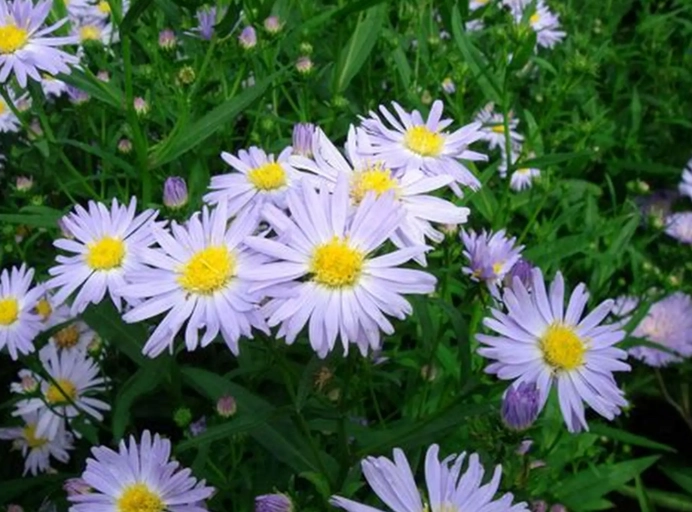
Using Michaelmas Daisies in Your Garden Design
They're versatile. Don't just stick them in a random hole.
Cottage Garden Classic: Mix them with other late bloomers like Russian sage (Perovskia), sedum 'Autumn Joy', and tall ornamental grasses. The contrasting textures are magical.
Pollinator Sanctuary: Plant a mass of a single variety. A large block of color is easier for bees to find and creates a dramatic visual punch.
Border Backbone: Use taller varieties like 'Alma Pötschke' as the mid-to-back layer. In front, layer lower, mounding plants like hardy geraniums or heucheras.
A Warning on Color: Those deep purples and magentas can clash horribly with certain hot pinks or oranges. I made that mistake early on. Stick with harmonious palettes—purples with blues and silvers, or pinks with softer yellows and bronzes. The Missouri Botanical Garden's plant database is great for checking color combinations.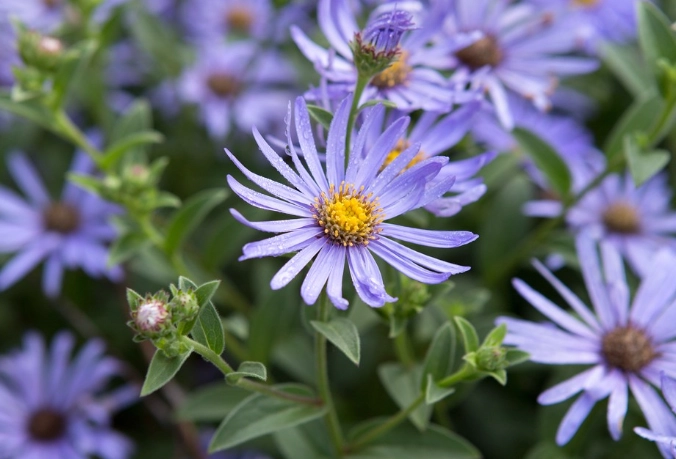
Your Michaelmas Daisy Questions Answered
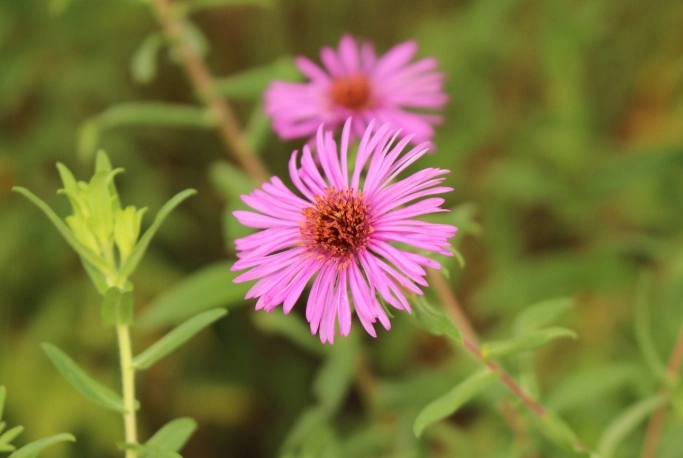 Can I grow Michaelmas daisies in containers?
 So there you have it. Michaelmas daisies aren't just a filler plant. With the right spot, a little tough love (pinch them!), and a good variety, they'll become the highlight of your autumn garden for years. They ask for so little and give back so much—color for you, food for the bees, and structure for your borders. What's not to love?
Reader Comments