Let's talk about hydrangeas. You've seen them, those big, fluffy clouds of color that seem to glow in the summer shade. Maybe you've bought one, thrilled with its blooms, only to watch it struggle or refuse to flower the next year. I've been there. I killed my first hydrangea by pruning it at the wrong time—a classic rookie mistake that's surprisingly common. Over the last decade of gardening, I've learned that growing hydrangeas isn't just about sticking them in the ground. It's about understanding their subtle language: the soil they crave, the light they need, and the precise moment they want your shears.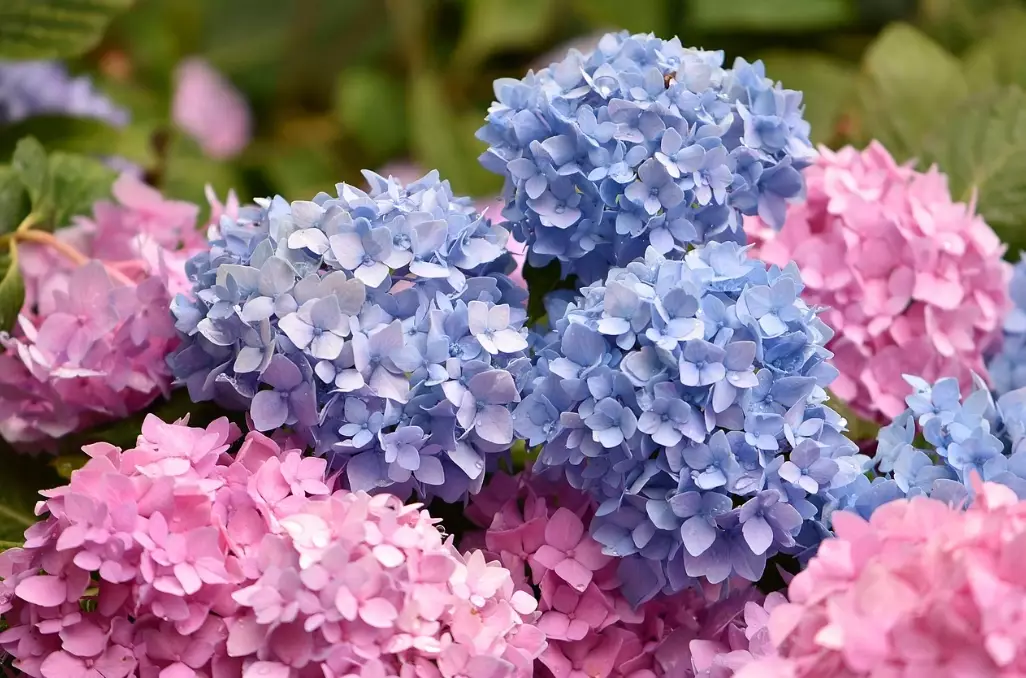
This guide cuts through the fluff. We'll go beyond the basic care sheets and dive into the specifics that actually make a difference between a thriving specimen and a disappointing one.
What's Inside: Your Hydrangea Journey
How to Plant Hydrangeas for Success
Getting the start right is 80% of the battle. Most failures happen in the first season because of poor planting choices.
Location is everything. Think of hydrangeas as understory plants. They love morning sun and afternoon shade. In cooler climates (USDA zones 4-6), they can handle more sun. In hot southern zones (7-9), deep afternoon shade is non-negotiable. I planted an 'Annabelle' in full Texas afternoon sun once. It was a sad, wilted, sun-scorched lesson.
Soil preparation can't be skipped. They need moist, well-draining soil rich in organic matter. Don't just dig a hole and plop it in. Amend the entire planting area, not just the hole, with several inches of compost or well-rotted manure. This improves drainage and moisture retention—the holy grail for hydrangeas.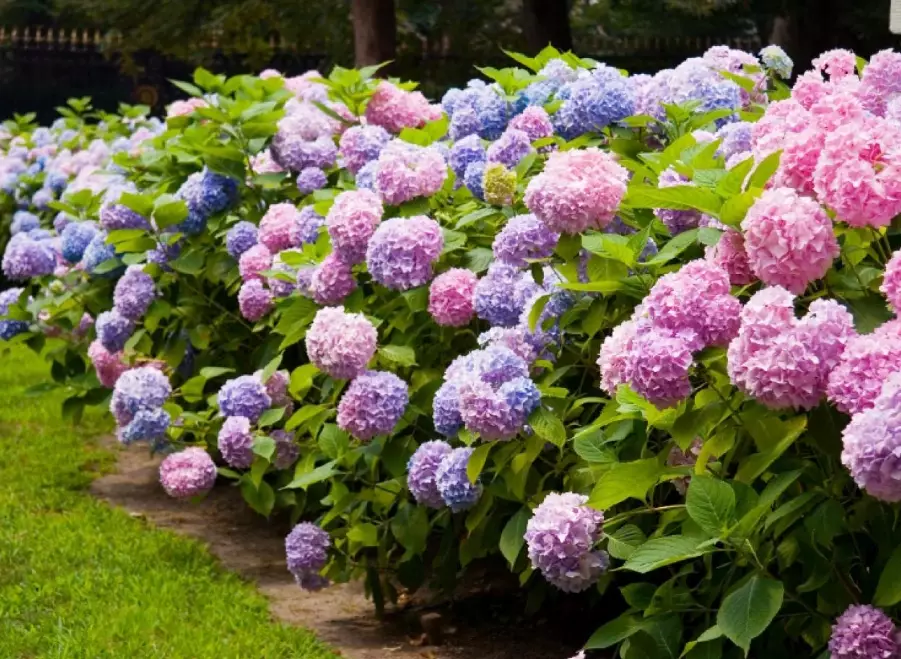
Pro Planting Tip
Dig a hole twice as wide as the root ball, but no deeper. Planting too deep is a silent killer. The crown (where stems meet roots) should be level with or slightly above the soil surface. Water deeply immediately after planting, and keep the soil consistently moist (not soggy) for the first growing season.
The Right Way to Prune Hydrangeas (By Type)
This is where most people panic. The fear of cutting off next year's flowers is real. The single most important thing to know is what type of hydrangea you have. Pruning time depends entirely on whether it blooms on old wood or new wood.
| Hydrangea Type | Common Varieties | Blooms On | When to Prune | How to Prune |
|---|---|---|---|---|
| Bigleaf (Hydrangea macrophylla) | Endless Summer, Nikko Blue, Mopheads & Lacecaps | Old Wood (Last Year's Stems) | Immediately after flowering in summer. Never in late fall or spring. | Remove only spent flowers and dead/damaged wood. Avoid heavy cutting. |
| Panicle (Hydrangea paniculata) | Limelight, Little Lime, Pinky Winky | New Wood (Current Season's Growth) | Late winter or early spring, before new growth starts. | Can be pruned hard for size control. Cut back by 1/3 to 1/2 for larger flowers. |
| Smooth (Hydrangea arborescens) | Annabelle, Incrediball | New Wood | Late winter or early spring. | Can be cut back to 6-12 inches from the ground. Tolerates severe pruning. |
| Oakleaf (Hydrangea quercifolia) | Alice, Snow Queen | Old Wood | Minimal pruning. Only after flowering if needed. | Just remove spent blooms and any dead stems. Appreciates a natural shape. |
See that? If you prune your bigleaf hydrangea in March because it looks messy, you're cutting off all the flower buds. I made that mistake. It flowered exactly zero times that year. Wait until you see the flower buds forming in late spring/early summer before you even think about cutting.
How to Change Hydrangea Flower Color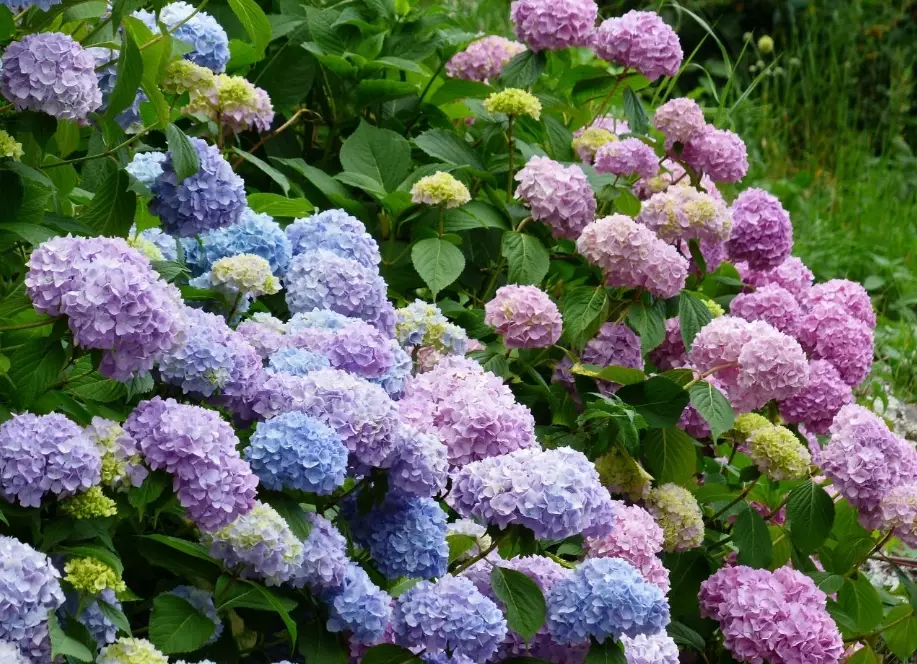
The magic trick. But it only works on bigleaf (Hydrangea macrophylla) and some mountain hydrangeas. You can't change the color of panicle or smooth hydrangeas.
The science is simple: soil pH affects aluminum availability, which changes the pigment in the blooms.
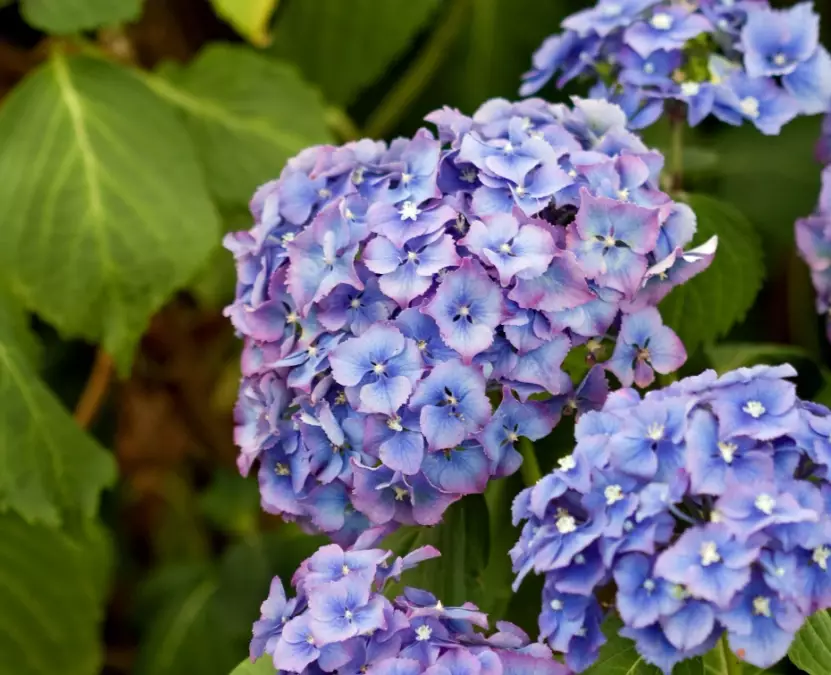
- Acidic Soil (pH below 6.0): Aluminum is available. Flowers turn blue.
- Alkaline Soil (pH above 7.0): Aluminum is locked up. Flowers turn pink.
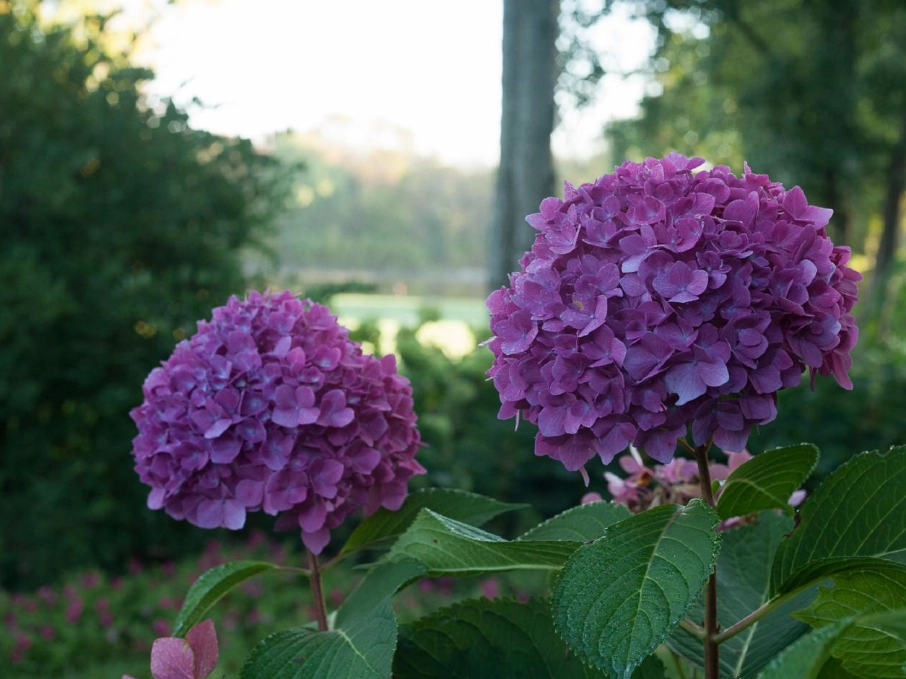
- In-Between (pH 6.0-7.0): You get purples and mixed shades.
Here's the practical, step-by-step method most guides gloss over:
To turn flowers blue: You need to lower the pH. Apply garden sulfur or aluminum sulfate to the soil in spring. Follow package rates carefully—it's easy to overdo it. A top-dress of acidic compost like pine needles or oak leaves helps maintain it. Water with rainwater if your tap water is hard (alkaline).
To turn flowers pink: You need to raise the pH. Apply garden lime in spring. Again, follow the rates. The change is gradual. It might take a full season or two to see a significant shift.
The Big Misconception
Adding coffee grounds or vinegar won't reliably or safely change your soil pH. They can harm soil biology and provide inconsistent results. For a lasting change, use the proper soil amendments (sulfur or lime) and test your soil pH first with a kit from your local extension service (like the University of Georgia Extension). It's the only way to know what you're starting with.
Solving Common Hydrangea Problems
Let's diagnose the ugly stuff.
Leaves Turning Brown or Crispy
This is almost always a water issue. Hydrangeas have shallow roots and transpire a huge amount of water through their large leaves.
Underwatering: Leaves wilt, then turn brown and crispy, starting at the edges. The fix is consistent, deep watering. A 2-3 inch layer of mulch (shredded bark, leaf mold) is a game-changer—it keeps roots cool and moist.
Overwatering/Root Rot: Leaves turn yellow, then brown, and feel soft. Soil is constantly soggy. Improve drainage immediately. You might need to replant in a raised bed or amend heavily with compost.
No Flowers
The heartbreaker. The causes, in order of likelihood:
- Wrong Pruning Time: You cut off the buds. Refer to the table above.
- Too Much Nitrogen: You're feeding it a lawn fertilizer. This promotes lush leaves at the expense of blooms. Use a balanced, slow-release fertilizer or one higher in phosphorus (the middle number, like 10-20-10) in early spring.
- Late Frost: A spring frost can zap tender flower buds on old-wood bloomers. If frost is forecast after buds swell, throw a frost cloth or old sheet over the plant at night.
- Not Enough Light: Deep shade equals few flowers. They need at least 4 hours of dappled or morning sun.
Expert Hydrangea Q&A
 Can I grow hydrangeas in full sun?
 Growing hydrangeas well is about paying attention. Watch how they react to the weather, feel the soil before you water, and learn the rhythm of your specific variety. Start with the right plant for your space—maybe a tough panicle type if you're a beginner—and nail the basics of location, soil, and water. The spectacular blooms will follow. It's less about having a green thumb and more about listening to what the plant is telling you.
Reader Comments