You planted a sage for its fragrant leaves, but those delicate purple, blue, or white flowers feel like a bonus prize. Except your sage isn't flowering. It's just sitting there, leafy and green. I get it. For years, I treated my culinary sage like any other herb, and the blooms were sporadic at best. It wasn't until I stopped babying it and started understanding its Mediterranean roots that the flower show really began. Getting a sage plant (Salvia officinalis or ornamental varieties) to flower consistently isn't about luck; it's about replicating the specific, slightly harsh conditions it craves. This guide cuts through the generic advice to show you exactly how.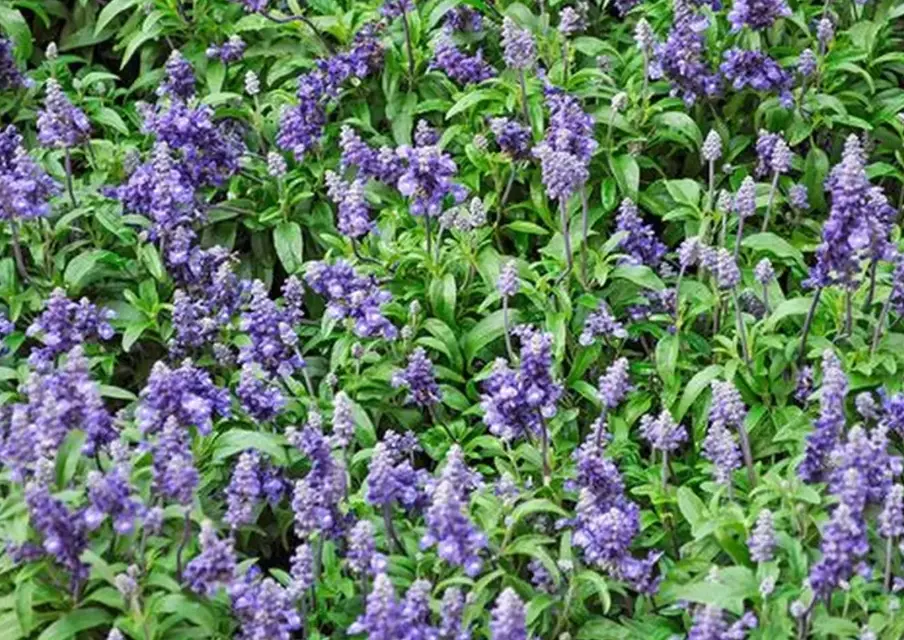
What You'll Learn Inside
Why Sage Flowers Matter (Beyond Just Looks)
Most people think of sage flowers as a pretty afterthought. That's a mistake. The flowers are the plant's ultimate goal for reproduction. When you encourage flowering, you're signaling to the plant that it's thriving and should invest energy into the next generation. This has direct benefits for you.
Flowering sage attracts a brigade of beneficial insects. I've spent hours watching bumblebees, honeybees, and tiny solitary bees work over the blossoms in my garden. It's a pollinator magnet, which helps your entire vegetable patch or fruit trees. For culinary sage, the flavor of the leaves can intensify just before flowering—a perfect time for a big harvest. And let's be honest, a sage plant covered in spikes of violet-blue flowers is stunning. It transforms from a utilitarian herb to a garden centerpiece.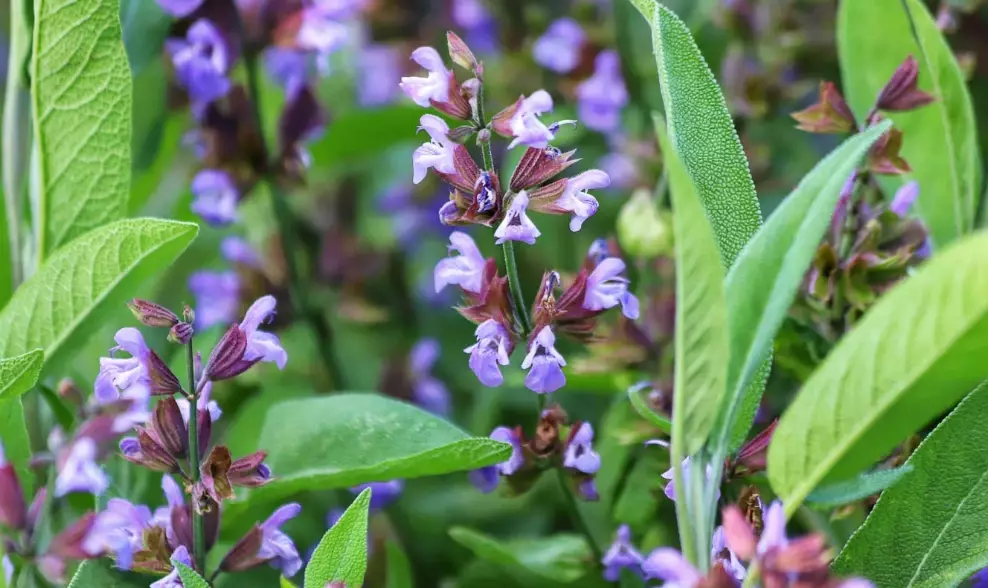
The 3 Non-Negotiable Conditions for Sage Flowers
If your sage is stubbornly green, check these three boxes first. Miss one, and blooms are unlikely.
1. Sunlight: The Non-Negotiable Fuel
Sage needs a minimum of 6-8 hours of direct, unfiltered sunlight. More is better. In partial shade, it will survive but act like a sulky teenager—minimal growth and zero flowers. I had a client whose sage was against a north-facing wall. It was alive but pathetic. We moved it to a blazing hot spot against a south-facing stone path. By the next season, it was a flowering powerhouse. Think of its native habitat: rocky, sun-baked Mediterranean hillsides.
2. Soil & Drainage: The Art of Neglect
This is where most gardeners fail. Sage despises "rich, moist, well-drained soil." That description is for lettuce. Sage loves poor to average, gritty, and exceptionally well-drained soil. Wet feet in winter is a death sentence. The ideal soil mix is lean.
If planting in the ground, amend heavy clay with a generous amount of coarse sand or fine gravel (up to 30% by volume). For containers, use a cactus/succulent mix or make your own with two parts regular potting soil, one part perlite, and one part coarse sand. Drainage holes are mandatory.
3. The Fertilizer Paradox
Never use a high-nitrogen fertilizer (the first number in N-P-K, like 20-10-10). Nitrogen promotes leafy green growth at the expense of flowers. If you must feed, use a balanced or slightly phosphorus-heavy fertilizer (like a 5-10-5) only once in early spring, and even then, at half strength. Most established sage in decent ground needs no fertilizer at all. My personal rule: if the plant is growing, don't feed it.
| Condition | What Sage Wants | What Kills Blooms |
|---|---|---|
| Sunlight | Full, blazing sun (8+ hours ideal) | Partial shade, dappled light |
| Soil | Lean, sandy, gritty, fast-draining | Rich, moisture-retentive, clay-heavy |
| Water | Deep, infrequent watering; let soil dry completely between | Frequent, light watering; consistently moist soil |
| Food | Little to none; maybe a light balanced feed in spring | High-nitrogen fertilizer |
Pruning Sage for Maximum Blooms: Timing is Everything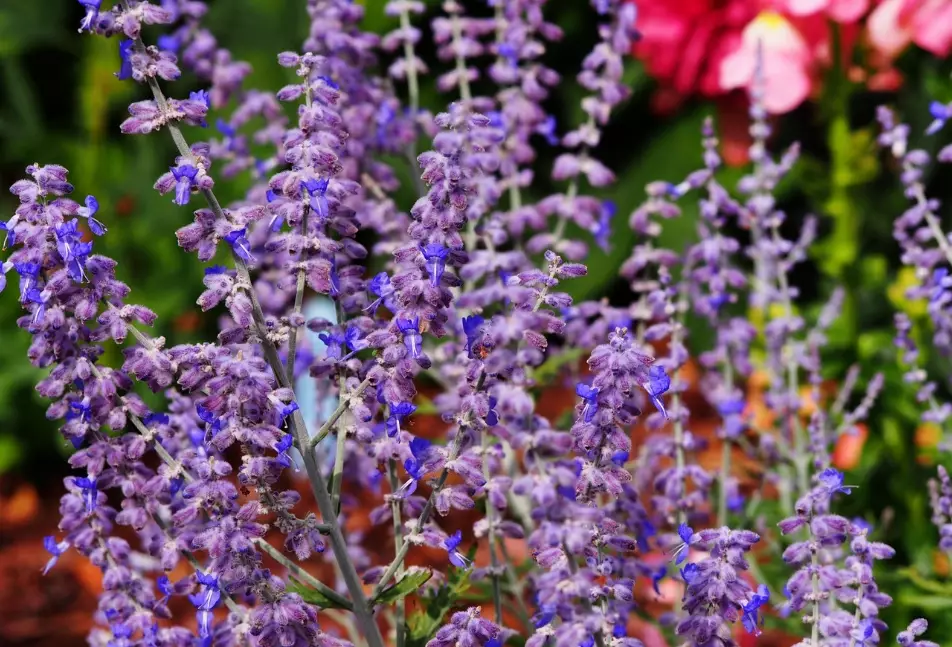
Pruning isn't just about shape; it's the primary lever you pull to trigger flowering. Sage flowers on new growth. If you never prune, you get old, woody stems that are less productive.
The Major Prune (Late Winter/Early Spring): Just as new growth buds appear at the base, cut the entire plant back by one-third to one-half. Don't be shy. Make cuts just above a set of leaves or new shoots. This removes old, spent wood and forces the plant to push out vigorous new stems—the ones that will flower.
The Post-Bloom "Haircut" (Mid-Summer): After the first flush of flowers fades, give the plant a light trim. Cut back the flowered stems by about one-third, again just above a leaf node. This often encourages a second, smaller round of blooms in early fall and prevents the plant from putting all its energy into making seeds.
The mistake I see? People pruning heavily in fall. This removes the next season's flower buds and exposes tender new growth to winter damage. Always prune when the plant is actively preparing to grow, not when it's shutting down.
What to Do After Your Sage Flowers
You've got flowers! Now what? You have two main choices, and both are valid.
Option 1: Deadhead for More Leaves & Possible Rebloom. If you grow sage primarily for culinary use, snip off the spent flower spikes. This tells the plant to redirect energy back into leaf production. It also keeps the plant looking tidy and, as mentioned, can promote a second bloom.
Option 2: Let It Go to Seed. If you want to attract birds (finches love the seeds) or try collecting seed for propagation, leave the spent flowers. The plant will put its energy into seed production, and leaf growth will slow. The stalks turn a lovely tawny brown and add winter interest in the garden. This is the more natural, low-maintenance route.
For perennial sage, a light mulch with gravel or grit after the first hard frost helps protect the crown from wet winter conditions. Avoid organic mulches like bark that hold moisture right against the stem.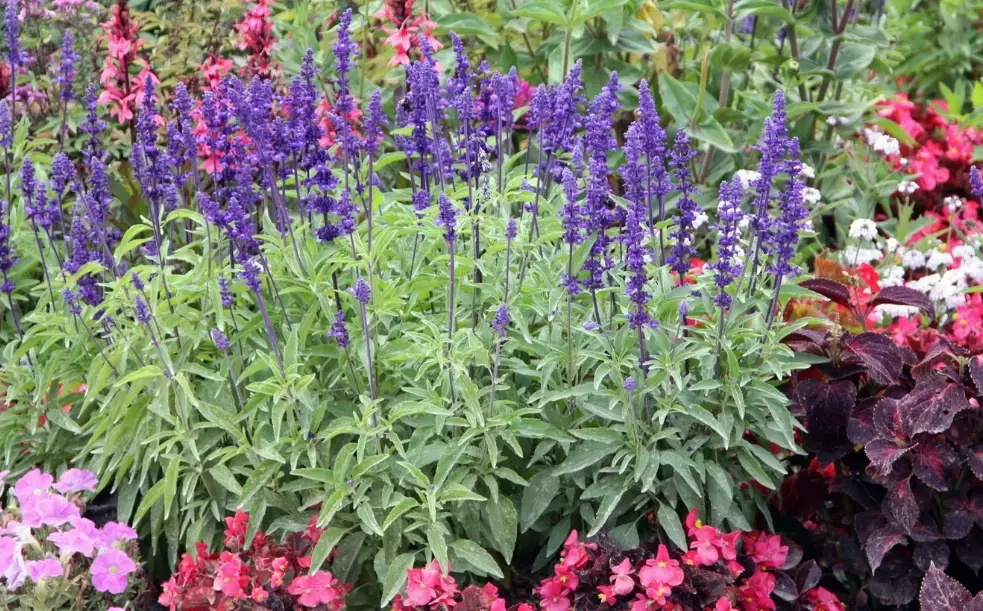
Your Sage Flowering Problems, Solved
I pruned my sage, but it still didn't flower. What did I miss?
Check the sunlight first. It's almost always the sunlight. A plant getting less than 6 hours of direct sun simply lacks the energy budget to produce flowers. Pruning helps, but it can't compensate for insufficient light. Use a sun-tracking app or just observe your garden hourly; you might be surprised how little full sun some spots actually get.
My sage flowered once years ago and never again. Is it too old?
Sage plants can become woody and less productive after 3-5 years. Instead of waiting for flowers, take action in early spring. Dig up the plant and use a sharp spade or knife to divide it into several sections, each with roots and shoots. Replant the most vigorous divisions in fresh, lean soil with full sun. The rejuvenated plant will focus on new growth, which is what flowers.
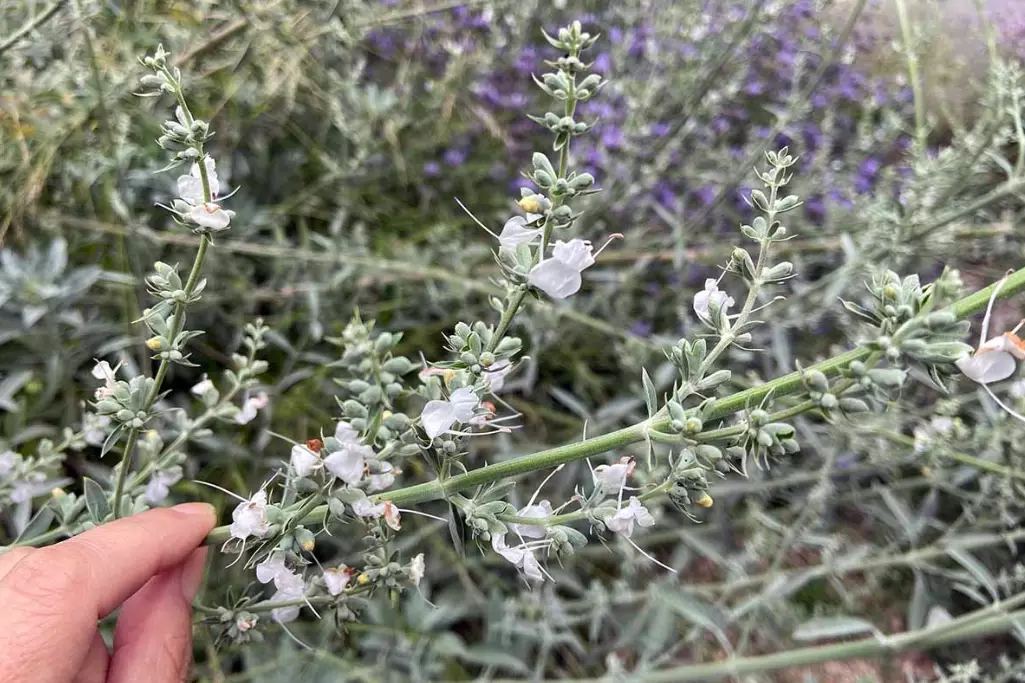 Are the flowers on my culinary sage edible? What about ornamental sage?
The flowers of common culinary sage (Salvia officinalis) are absolutely edible. They have a milder, slightly sweeter sage flavor and are beautiful scattered on salads, soups, or desserts. For ornamental salvias (like Salvia nemorosa, Salvia greggii), the flowers are generally considered non-toxic but are not typically grown for culinary use. Their flavor can be bitter or medicinal. Stick to eating flowers from plants you know are grown for culinary purposes and haven't been treated with pesticides.
I live in a hot, humid climate. Will my sage ever flower?
Humidity is a challenge for sage, which prefers dry air. The key is maximizing drainage and air circulation. Plant it in a raised bed or mound, use the grittiest soil mix possible, and avoid overhead watering. Choose a site with morning sun and some afternoon protection if your heat is extreme. Pineapple sage (Salvia elegans) is a more humidity-tolerant variety that produces brilliant red flowers and is worth a try.
Should I cut back my sage in the fall or spring for better flowers?
Spring, without question. Leave the old growth on over winter. It protects the plant's crown from cold and wet. Those "ugly" stems also harbor the tiny buds that will become next year's flowering shoots. Cutting in fall removes this protection and next season's potential. Be patient and do your major prune just as you see new green growth at the plant's base in early spring.
Reader Comments