If you're looking for a shrub that delivers an unbelievable show of blue flowers with minimal water, you've found it. Ceanothus, often called California Lilac, is that plant. But here's the thing everyone glosses over: it's not a set-it-and-forget-it miracle. I've killed a few myself by treating them like any other garden shrub. The secret to success lies in understanding its Mediterranean roots—literally. This guide cuts through the generic advice and gives you the specific, actionable steps to choose, plant, and care for ceanothus plants so they thrive, not just survive.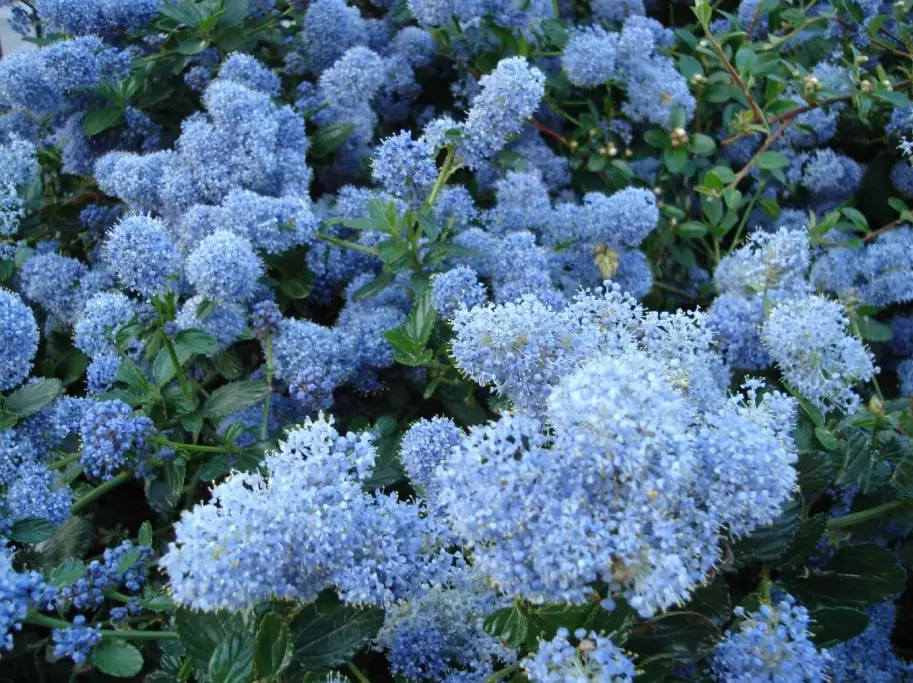
Quick Navigation: What's Inside This Guide
What Are Ceanothus Plants? More Than Just a Pretty Blue Flower
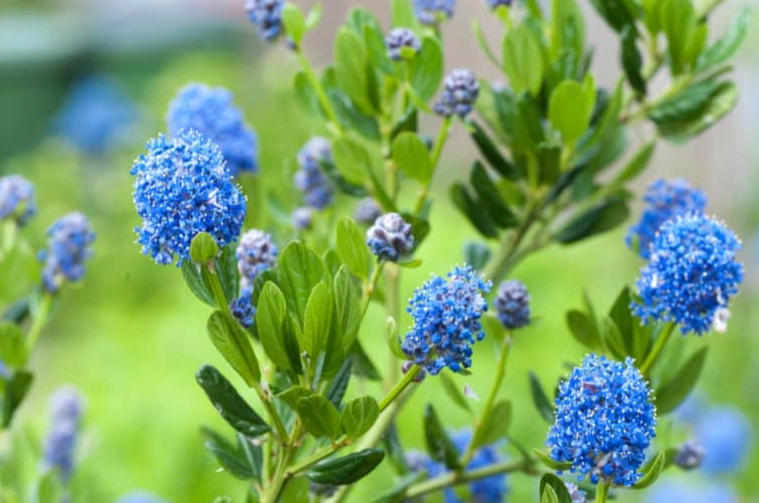
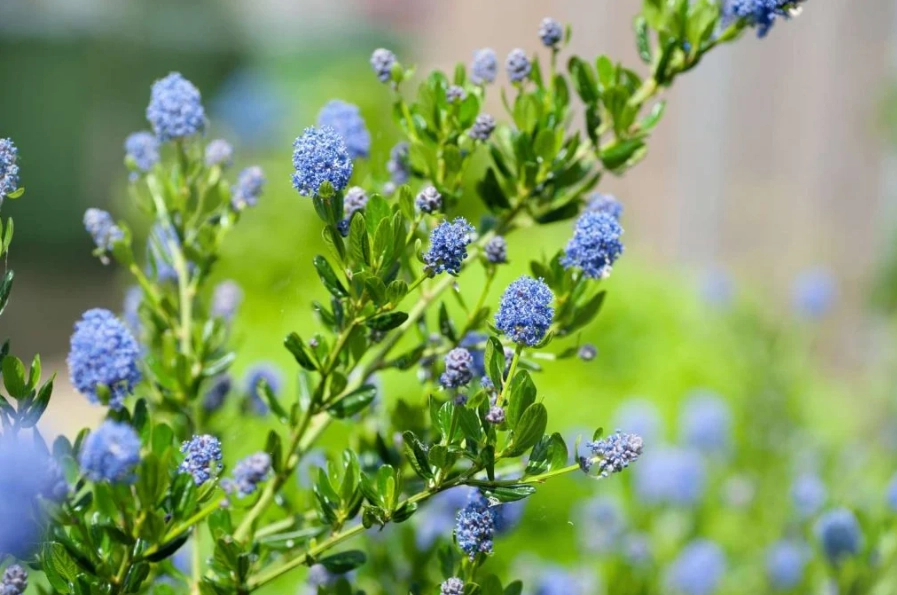
Ceanothus is a genus of about 50-60 species of nitrogen-fixing shrubs and small trees native primarily to western North America. The common name "California Lilac" is a bit misleading—they're not related to true lilacs (Syringa). The draw is their spectacular clusters of tiny, fragrant flowers, most famously in shades of blue from powder to cobalt, but also white and pink. They're cornerstone plants for drought tolerant landscaping and wildlife gardens, providing critical early-season nectar for bees, butterflies, and hummingbirds.
Their adaptation to summer-dry climates is also their main gardening requirement. They hate "wet feet," especially in winter. This is the number one killer: heavy, poorly-draining soil. Get the drainage right, and you're 80% of the way there.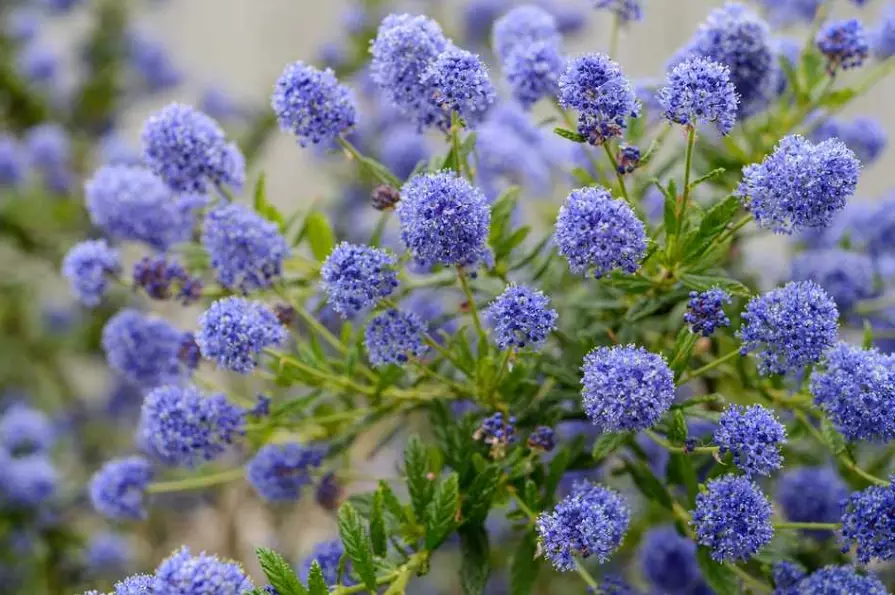
How to Choose the Right Ceanothus Variety for Your Garden
This is where most people go wrong. They fall in love with a picture of a massive, sprawling ceanothus and try to cram it into a small patio border. Match the plant's mature size and form to your space. Here’s a breakdown of some top-performing varieties to simplify your choice.
| Variety Name | Type & Mature Size | Flower Color & Key Feature | Best For |
|---|---|---|---|
| 'Concha' | Evergreen shrub, 6-8 ft tall & wide | Deep cobalt blue, profuse bloomer. A classic, reliable performer. | Medium-sized hedges, background shrub. |
| 'Julia Phelps' | Evergreen shrub, 6 ft tall, 8-10 ft wide | Rich indigo blue. Dense, fine-textured foliage. | Erosion control on slopes, large spaces. |
| 'Ray Hartman' | Small tree / large shrub, 15-20 ft tall | Light blue flowers. Can be trained with a single trunk. | A small flowering tree alternative, tall screens. |
| 'Yankee Point' | Low-growing, spreading, 2-3 ft tall, 6-8 ft wide | Medium blue. Very vigorous groundcover. | Covering large banks, replacing lawns. |
| 'Centennial' (C. herbaceous hybrid) | Deciduous groundcover, 6-12 in tall, spreads widely | Bright blue. Tolerates heavier soils and colder winters better than most. | Cold climates (Zone 5), tough sites. |
| Ceanothus thyrsiflorus 'Skylark' | Compact shrub, 4-5 ft tall & wide | Bright blue. Neat, rounded habit. | Containers, small gardens, low hedges. |
A note on sourcing: Seek out local native plant nurseries. Their stock is often better acclimated than what you find in big-box stores. Look for plants in deep pots, not root-bound in small ones.
The Step-by-Step Guide to Planting Ceanothus for Success
Planting day is the most critical. Do this wrong, and the plant struggles forever. The best time is in the fall, giving roots time to establish through the cool, wet season before summer heat.
Location: Sun and Drainage Are Non-Negotiable
Full sun. At least 6 hours, more is better. Morning sun with afternoon shade can work in very hot inland areas, but bloom may be reduced. Now, test your drainage. Dig a hole about 12 inches deep and fill it with water. If it drains completely in 2-3 hours, you're good. If it sits longer, you have a problem. You'll need to plant on a mound or raised bed.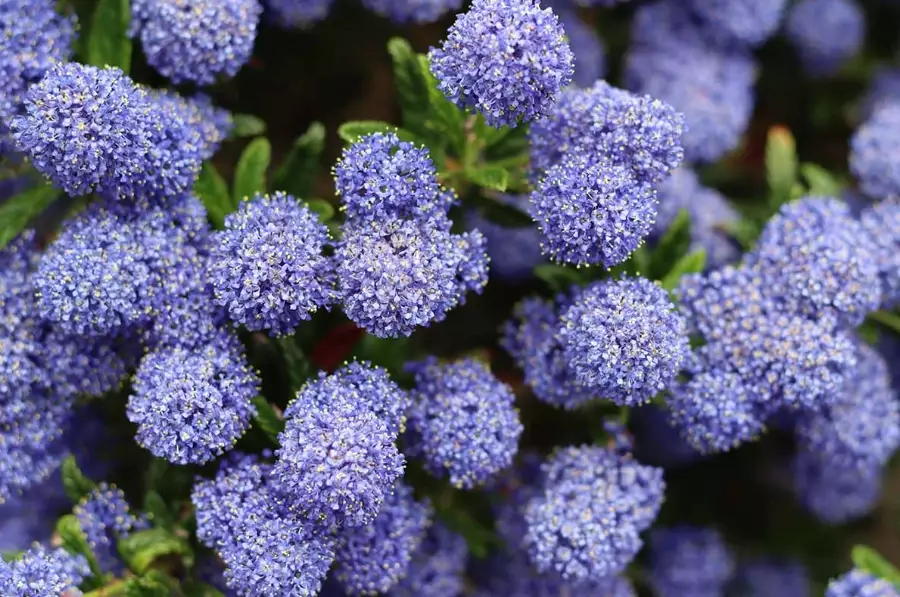
The Planting Hole: Less Is More
Dig a hole just as deep as the root ball and 2-3 times as wide. Roughen the sides of the hole. Gently remove the plant from its container, teasing out any circling roots. Place it in the hole so the top of the root ball is level with or slightly above the surrounding soil. Backfill with the native soil you dug out, firming gently as you go. Water deeply to settle the soil.
The First Critical Months: Watering Schedule
This is the only time you'll baby it with water. For the first summer, water deeply about once a week, allowing the soil to dry out between waterings. Use a drip system or soaker hose at the base—never overhead sprinklers. After the first year, you can gradually reduce watering. An established ceanothus in a compatible climate may need little to no supplemental summer water.
Ongoing Care and Maintenance for Healthy Ceanothus
Once established, care is minimal, but a few key practices keep it looking good and living longer.
Watering: The mantra is "deep and infrequent." Soak the root zone and then let it dry thoroughly. Overwatering in summer is a fast track to root rot. In coastal areas with fog, they often get enough moisture from the air.
Fertilizing: Generally, don't. They are adapted to low-fertility soils. A light top-dressing of compost in fall is plenty. High-nitrogen fertilizers promote weak, leafy growth that's susceptible to pests and reduces flowering.
Pruning: This intimidates people. The rule: prune lightly, right after the spring bloom finishes. Never cut back into old, bare wood—most species won't resprout from it. Just tip-prune or shape the green, leafy growth. If you have an overgrown, leggy plant, it's often better to replace it than attempt a severe renovation.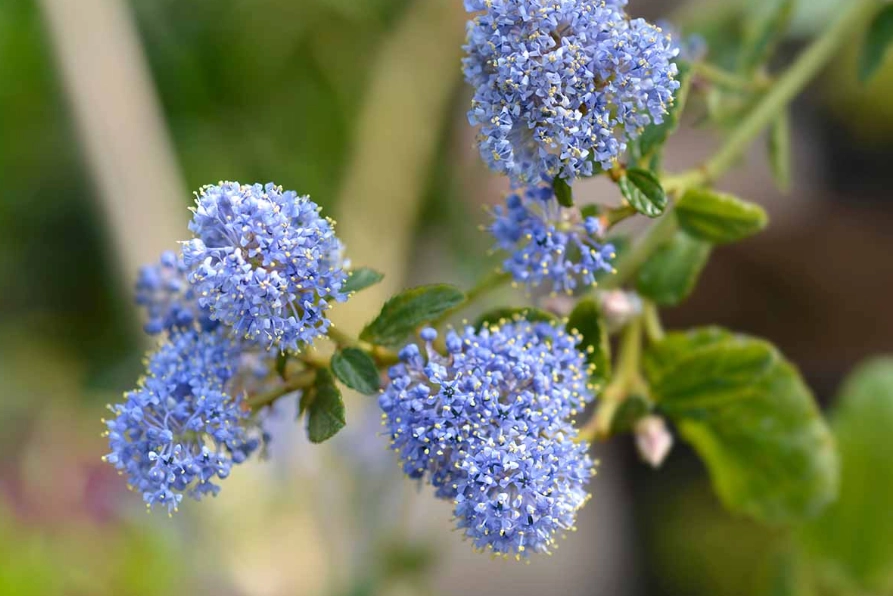
Troubleshooting Common Ceanothus Problems
Yellowing leaves? No flowers? Here’s what's likely happening.
Yellow Leaves (Chlorosis): Usually a sign of overwatering or poor drainage. Check your soil moisture. If it's soggy, you might lose the plant. In slightly heavy soils, yellowing can also indicate iron deficiency. An application of chelated iron can help, but fixing drainage is the real solution.
Lack of Flowers: The culprit is usually too much shade. They need sun to set buds. Other causes: pruning at the wrong time (you cut off the buds), or over-fertilizing with nitrogen.
Sudden Wilting or Dieback: This is often Ceanothus leaf gall or root rot. Leaf gall creates deformed, sticky growth but rarely kills the plant. Root rot from wet soil is fatal. There's no cure; prevention through good drainage is key.
Pests are few. Aphids sometimes appear on new growth; a strong spray of water usually handles them. Their attractiveness to beneficial insects often keeps pests in check naturally.
Frequently Asked Questions (FAQ) About Ceanothus
Can I grow Ceanothus in heavy clay soil?
It's risky, but possible with serious modification. Don't just dig a hole in clay. You must create a raised berm or planting mound at least 18 inches high, using a very gritty, lean soil mix (think native soil mixed with 50% coarse sand or fine gravel). Choose tougher varieties like 'Centennial' or Ceanothus griseus types. Even then, it's a gamble in areas with high winter rainfall.
My Ceanothus looks great but has never flowered. What gives?
Assuming it's in full sun, the most overlooked reason is too much nitrogen. Are you fertilizing your lawn nearby? Is it planted near a lawn that gets fed? Runoff or root spread can give it a nitrogen boost that tells it to grow leaves, not flowers. Stop any fertilizer. Also, ensure you're not pruning in late summer or fall, which removes next year's flower buds.
 How do I propagate Ceanothus from cuttings?
Semi-hardwood cuttings in late summer have the best chance. Take a 4-6 inch cutting from new growth that's starting to firm up. Strip the lower leaves, dip the end in rooting hormone (a stronger powder is better than gel for these), and stick it in a pot with a very fast-draining mix (like perlite and peat). Keep it in bright, indirect light and barely moist. Don't get discouraged; the success rate is modest. Many gardeners find it easier to let varieties like 'Yankee Point' layer themselves where branches touch the ground, then sever and dig up the new plant.
Are Ceanothus roots invasive?
No, they are not aggressively invasive like some trees. Their root systems are typically fibrous and relatively shallow, making them excellent for erosion control on slopes. They won't crack foundations or seek out sewer lines. The main concern is planting them too close to structures due to their mature size, not their root behavior.
What should I plant with my Ceanothus?
Stick with other Mediterranean-climate or California native plants that share the same "dry feet in summer" requirement. Excellent companions include Manzanita (Arctostaphylos), Sage (Salvia), Matilija Poppy (Romneya), California Fuchsia (Epilobium), and native bunchgrasses like Festuca californica. This creates a cohesive, low-water garden that supports similar wildlife.
 Growing Ceanothus successfully is about embracing its nature, not fighting it. Provide sharp drainage, plenty of sun, and resist the urge to over-care. When you get it right, the reward is a breathtaking, ecologically powerful display that asks for almost nothing in return. It's the definition of a smart, sustainable garden choice.
Reader Comments