Quick Guide
Let's be honest. I killed my first camellia. It was a sad, spindly thing I bought on impulse because the flowers were gorgeous. I planted it in full, blazing afternoon sun because that was the only spot I had. I watered it when I remembered. It didn't stand a chance. If you're reading this, you probably want to avoid that fate. Maybe you've seen these stunning evergreen shrubs (or small trees, depending on who you ask) covered in flawless roses in the dead of winter and thought, "I need that in my life." You're right. You do. But a camellia tree isn't a "plant it and forget it" kind of guest in your garden. It's more like a prized friend that thrives with a little understanding.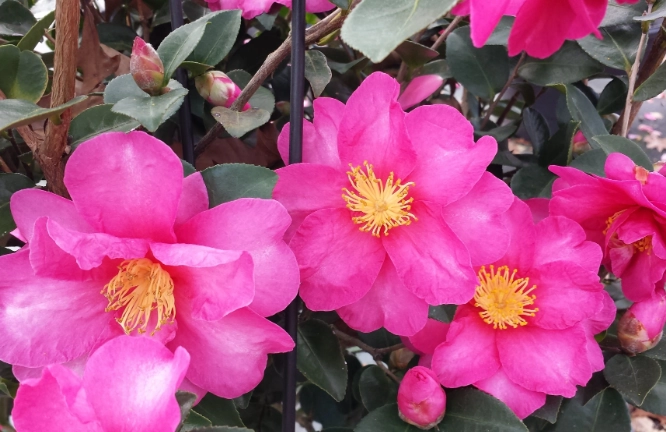
This guide is everything I wish I'd known back then. We're going to move past the basic "partial shade, acidic soil" advice you see everywhere and dig into the real, nitty-gritty details of keeping a camellia not just alive, but spectacular. We'll talk varieties, planting secrets, the pruning debate, and how to troubleshoot the heart-stopping moment when all the buds drop off before they open. Sound familiar?
Why Bother With a Camellia Tree Anyway?
Before we get our hands dirty, let's talk motivation. In a world full of easy-care plants, why choose one that can be a bit fussy? The payoff is immense. A mature camellia tree is a four-season superstar. Its glossy, deep green leaves look great year-round, providing structure and elegance. Then, just when the garden is at its most bleak, it erupts in blooms—from pristine whites and soft pinks to vibrant reds and even bi-colors. The flowers can be single, semi-double, or formal double, looking like something a florist arranged. They provide crucial nectar for early-season pollinators when little else is blooming. For me, the biggest win is the sheer drama. A camellia in full bloom stops people in their tracks.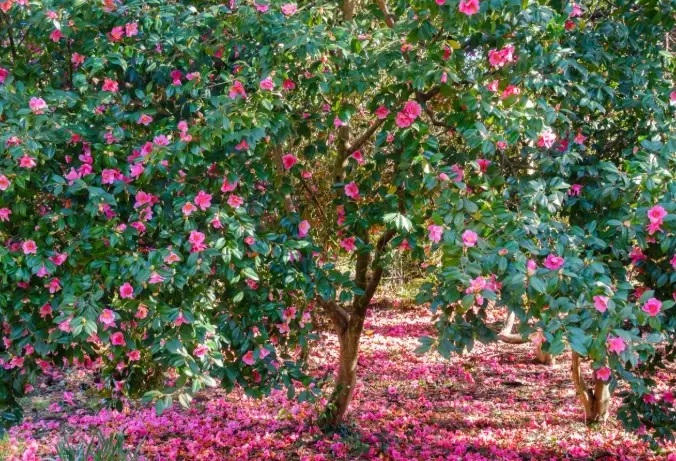
But here's a reality check they don't always mention. That gorgeous, waxy foliage? It can look terrible if the plant is unhappy—chlorotic (yellowing between the veins) is a common cry for help. And those fat, promising buds? They can all fall off in a frustrating phenomenon called "bud blast." Don't worry, we'll solve that.
Picking Your Perfect Camellia: It's Not Just About Color
Walking into a nursery and just grabbing the one with the prettiest tag is a recipe for my first-camellia disaster. The two main species you'll encounter are Camellia japonica and Camellia sasanqua. Think of them as siblings with different personalities.
Camellia japonica is the classic. Large, lush, almost rose-like flowers. They bloom later, typically from mid-winter to spring. They prefer more shade and protection from wind. Their growth habit is often more upright and formal. My favorite in this group is 'Kramer's Supreme' for its huge, peony-form red flowers and great fragrance—a rarity!
Camellia sasanqua is the easier-going sibling. Smaller, more delicate flowers, often with a lovely, light scent. They bloom in the fall, which is a huge bonus. They're more sun-tolerant, more drought-tolerant once established, and often have a looser, more spreading habit that's perfect for espalier or hedging. 'Yuletide' is a knockout with single red flowers and bright yellow stamens around Christmas.
Then there's the superstar hybrid, Camellia x williamsii. It combines the best of both: the flower form of japonica with the hardier, more forgiving nature of sasanqua. They're also brilliant at dropping their spent flowers cleanly, unlike some japonicas that hold onto brown blooms. 'Debbie' is a prolific pink variety that's almost impossible to kill.
So, how do you choose? Ask yourself: When do I want blooms? (Fall vs. Late Winter). How much sun does my spot get? (More sun = lean toward sasanqua). What's my style? (Formal and bold vs. airy and casual).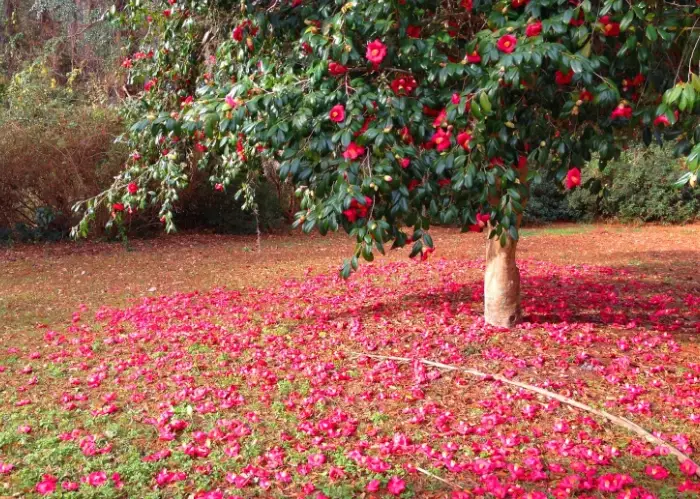
| Variety Type | Bloom Time | Sun Tolerance | Best For | My Personal Pick |
|---|---|---|---|---|
| Camellia japonica | Late Winter - Spring | Partial to Full Shade | Dramatic focal point, sheltered gardens | 'Nuccio's Pearl' (exquisite white blushing to pink) |
| Camellia sasanqua | Fall - Early Winter | Part Sun to Sun | Hedges, espalier, sunnier spots | 'Shishi Gashira' (low-growing, prolific pink) |
| Camellia x williamsii | Winter - Spring | Partial Shade | Easy-care reliability, tidy habit | 'Anticipation' (deep rose, fantastic grower) |
The Non-Negotiable: Planting Your Camellia Tree for Success
This is the most critical step. Get this wrong, and you'll fight an uphill battle forever. The mantra is: Location, Location, Soil.
Finding the Sweet Spot
Forget "partial shade." That's too vague. In most climates, the ideal is dappled sunlight all day or morning sun with afternoon shade. The harsh afternoon sun, especially in summer, will scorch the leaves and fade the flowers. Think of the light under a high-canopy tree like an oak or pine. East-facing exposure is usually gold. North-facing can work if it's bright. South or West? Only if it's heavily filtered or you're planting a tough sasanqua.
Protection from wind is huge, especially for winter-blooming japonicas. A cold, drying wind will blast those buds right off. A spot near a wall, fence, or under larger evergreens provides a cozy microclimate.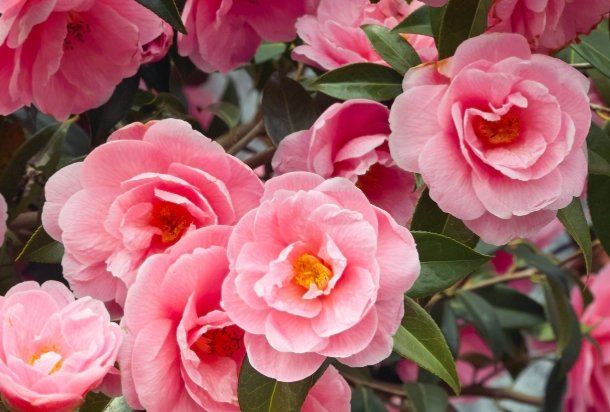
The Dirt on Soil (It Has to Be Acidic)
This is the #1 reason camellias fail. They are acid-loving plants (ericaceous), needing a soil pH between 5.5 and 6.5. If your soil is neutral or alkaline, the plant can't access iron, leading to that ugly yellowing (chlorosis). Don't guess—get a simple soil test kit.
How to plant, step-by-step:
- Dig a wide, shallow hole. Twice as wide as the root ball, but only as deep. Camellias have shallow, spreading roots. Planting too deep is a death sentence.
- Amend the native soil. Mix it 50/50 with a high-quality composted pine bark mulch or a rhododendron/azalea mix. Peat moss was the old standard, but due to sustainability concerns, pine bark is a better choice. It acidifies as it breaks down.
- Tease the roots. If the plant is pot-bound, gently loosen the outer roots. Don't be afraid to make a few vertical cuts with a knife to encourage them to grow outward.
- Place it in the hole. Ensure the top of the root ball is slightly above the surrounding soil level (by about an inch). This improves drainage.
- Backfill with your amended mix. Water in thoroughly to settle the soil and eliminate air pockets.
- Mulch, but don't suffocate. Apply 2-3 inches of pine straw, shredded leaves, or more pine bark. Keep the mulch a few inches away from the trunk to prevent rot.
The Art and Science of Camellia Tree Care
Okay, it's in the ground. Now the relationship begins.
Watering: Consistent, Not Constant
Camellias hate wet feet but also hate drought stress, especially when buds are forming. The goal is evenly moist, well-drained soil. Deep, infrequent watering is better than daily sprinkles. A soaker hose is your best friend. In summer, they might need a good soak once a week if it's dry. In winter, natural rainfall often suffices. A wilting camellia is a very unhappy camellia.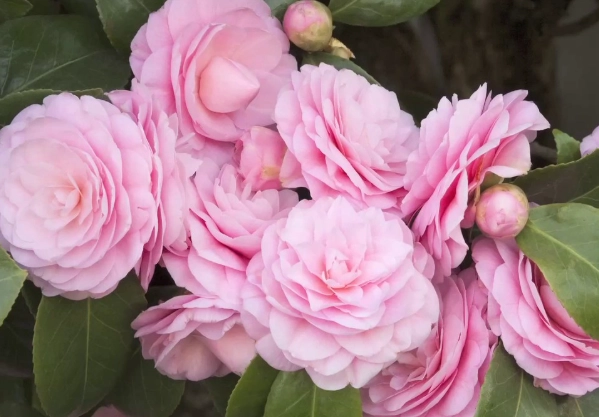
Feeding: Less is More
They aren't heavy feeders. Use a fertilizer formulated for acid-loving plants (look for "azalea, camellia, rhododendron" on the label). Apply in early spring after flowering finishes and again in early summer. Stop fertilizing by mid-summer. Late feeding promotes tender new growth that gets zapped by frost and steals energy from flower bud formation. I made that mistake once—got lots of new leaves, very few flowers.
To Prune or Not to Prune?
Camellias don't need heavy pruning to flower. The best time to prune is right after blooming ends. If you prune in late summer or fall, you're cutting off next year's flower buds. Just snip away any dead, weak, or crossing branches to open up the center for air circulation. You can also lightly shape it or reduce height. Want a more tree-like form? Select a single strong leader trunk and remove the lower branches gradually over time. That's how you encourage a true camellia tree shape.
Overwintering and Bud Protection
For most established camellias, winter hardiness isn't the issue (many are hardy to USDA zone 7 or even 6). The issue is the flowers. A sudden hard freeze can turn perfect buds to mush. If a deep freeze is forecast while buds are swollen or open, throwing an old sheet or frost cloth over the plant overnight can save the show. It's a hassle, but for a prized specimen, it's worth it.
Troubleshooting: Solving Your Camellia's Problems
Let's decode what your plant is trying to tell you.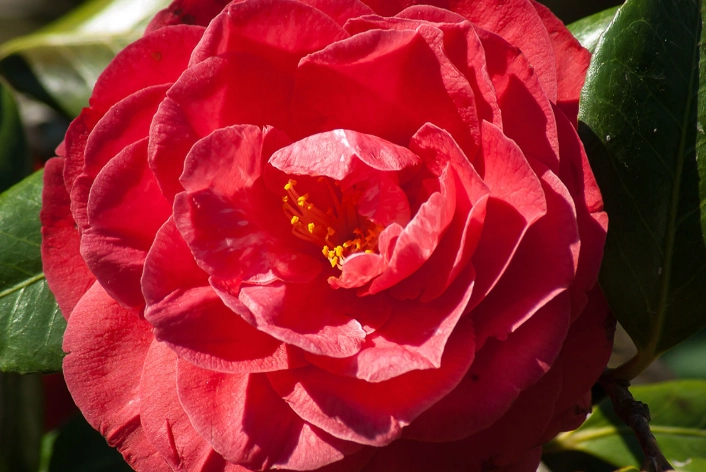
Beyond the Basics: Propagation and Long-Term Joy
Once you're hooked, you might want more. Buying a large camellia tree can be expensive. Propagating your own is rewarding, though slow. The most reliable method for home gardeners is air layering. You essentially encourage a branch to grow roots while still attached to the mother plant. It's a fun project. You can find great visual guides for this technique from resources like the Royal Horticultural Society (RHS).
As your camellia matures over the years, its value in the landscape only increases. That small shrub becomes a magnificent, structural element. It provides year-round greenery, a stunning seasonal display, and even a sense of history—some camellias can live for hundreds of years. The oldest known camellia tree in the US, at Middleton Place in South Carolina, was planted in the 1780s and is still blooming. That's a legacy plant.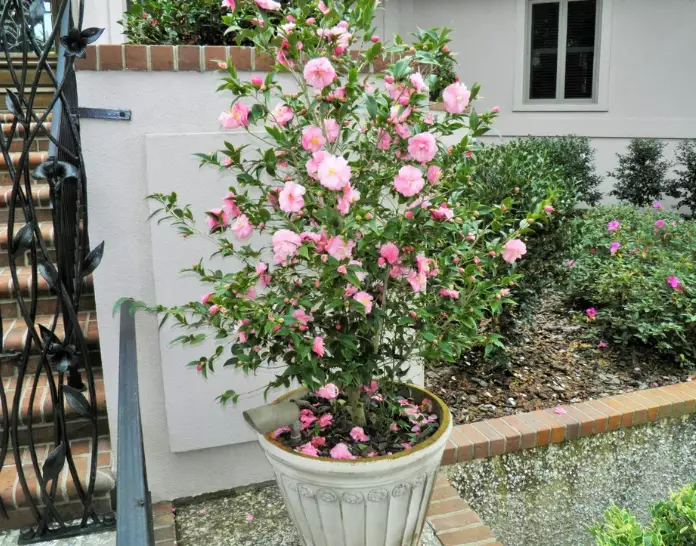
Look, growing a camellia tree requires a shift in mindset. You're not just gardening; you're stewarding a plant that asks for specific conditions. But when you get it right, the reward is a display of beauty that defies the season and elevates your entire garden. It's a conversation piece, a mood-lifter in gray winter, and a testament to a bit of thoughtful care. Start with a tough variety like a sasanqua or a x williamsii, nail the planting, and you'll be well on your way. Then you can graduate to the finicky but breathtaking japonicas. Trust me, it's a journey worth taking.
Got a specific question I didn't cover? Your local American Camellia Society chapter or county extension office (you can find yours via the USDA website) are fantastic resources filled with people who live and breathe these plants. Happy gardening!
Reader Comments