Quick Guide
- Why Sunflowers and Oregon Are a Match Waiting to Happen
- Picking Your Oregon Sunflower: It's More Than Just Yellow
- The Oregon Sunflower Planting Calendar: Timing is Everything
- Planting & Care: The Nitty-Gritty for Oregon Gardens
- Harvesting Seeds & Saving for Next Year
- Finding Those Famous Oregon Sunflower Fields
- Straight Answers to Common Oregon Sunflower Questions
Let's talk about sunflowers in Oregon. You've probably seen those pictures – massive fields of yellow stretching to the horizon, right? Maybe you drove past one in the Willamette Valley or saw a stunning shot from Hood River. It's enough to make anyone want to grow their own patch of sunshine. But here's the thing I learned the hard way: not every sunflower variety that works in, say, Kansas, is going to thrive in our quirky Oregon climate.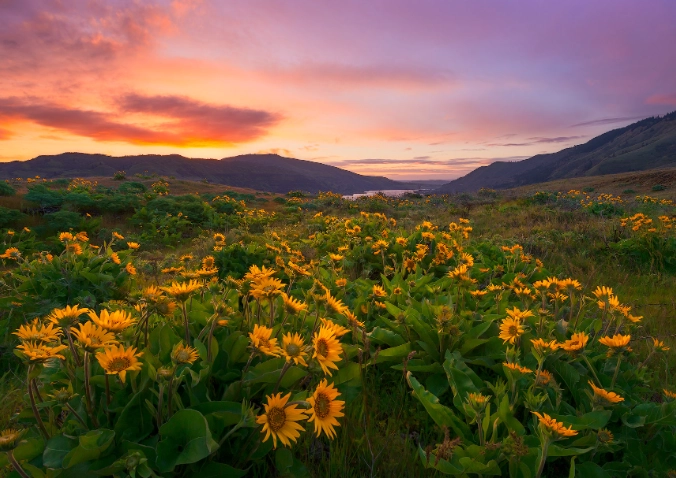
I remember planting a packet of classic "Mammoth" seeds one late April, feeling terribly optimistic. Our spring was its usual damp, cool self. The seeds sort of sulked in the ground, and the few that sprouted got immediately mobbed by slugs. It was a disaster. That experience sent me down a rabbit hole, talking to local nursery owners, master gardeners with the OSU Extension Service, and even a few farmers who run those famous Oregon sunflower fields. What I found out changed everything.
Growing an Oregon sunflower successfully isn't just about sticking a seed in the dirt. It's about picking the right soldier for our specific battles – the cool, wet springs, the sometimes intense summer dry spells, and the ever-present wildlife looking for a snack. This guide is what I wish I'd had. We're going to move past the generic advice and get into what actually works here, from the coast to the high desert.
Why Sunflowers and Oregon Are a Match Waiting to Happen
You might wonder if it's even worth the effort. Absolutely. Beyond the obvious beauty, sunflowers are workhorses. They're fantastic for cutting and bringing that summer vibe indoors. They're pollinator magnets – my garden bees go absolutely nuts for them, which helps my veggies too. They can act as a natural screen or a living trellis for lighter climbers like beans. And for families, there's nothing quite like the magic of a kid seeing a seed they planted grow taller than they are.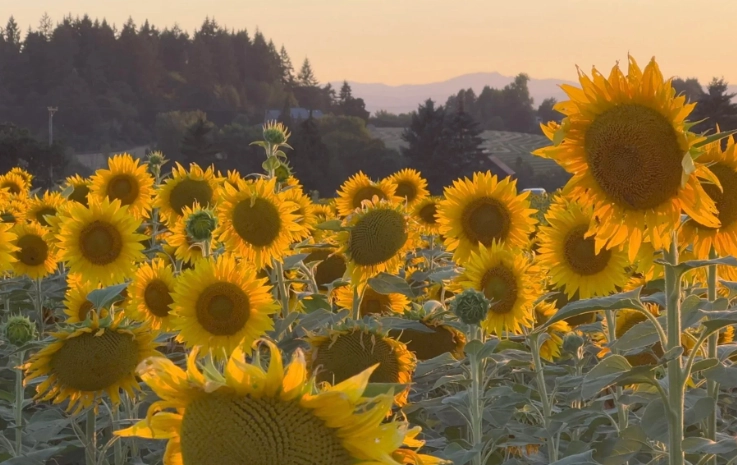
But Oregon throws some curveballs. Our springs can be long and rainy, which is great for moisture but terrible for soil warmth and fungal diseases. Then, depending on where you are, summer might bring drought stress or intense heat. And let's not forget the local fauna. Deer think sunflower buds are gourmet treats. Birds will eye the seeds months before they're ready. And slugs? They view young seedlings as an all-you-can-eat buffet.
The trick is to see these not as deal-breakers, but as design parameters. It's about smart choices from the very start.
Picking Your Oregon Sunflower: It's More Than Just Yellow
This is the most important step. Choosing the wrong variety sets you up for frustration. Based on my trials and local expertise, here’s a breakdown of types that perform well here, categorized by what you're after.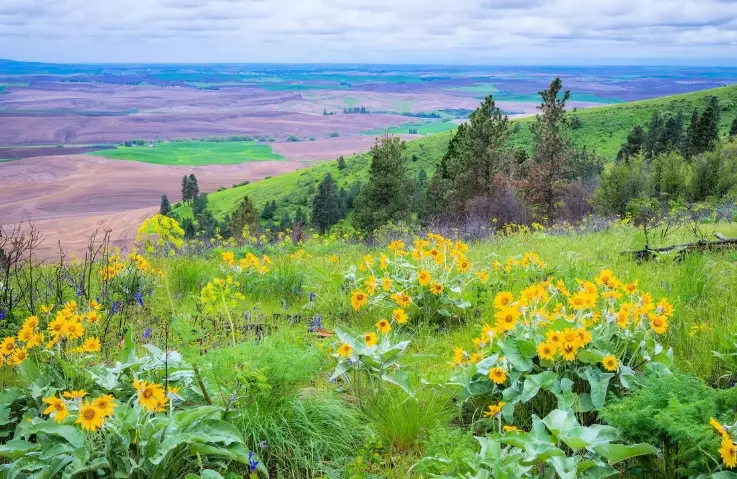
For the Classic, Tall Oregon Sunflower Field Look
If you want the dramatic, towering giants that mimic the big Oregon sunflower fields, you need vigor and strong stalks.
- 'American Giant': The name says it all. Can hit 12-14 feet in rich soil. Stalks are thick, which helps them stand up to our occasional late-summer wind gusts. Needs serious space and staking is non-negotiable.
- 'Mongolian Giant': Similar in height but often produces a single, massive flower head that can be over a foot across. It's a showstopper. Does well with a long season, so start indoors in cooler areas.
- 'Skyscraper': A reliable classic. Slightly shorter than the giants above (8-12 feet), but very consistent. Good for creating a quick screen.
A quick personal take? 'American Giant' is impressive, but it feels like growing a small tree. It dominated my garden and shaded out other plants. For most home gardens, the slightly smaller varieties are often more practical.
For Cutting Gardens & Continuous Blooms
These are my personal favorites for the home garden. They branch heavily, produce lots of flowers over many weeks, and are generally more manageable.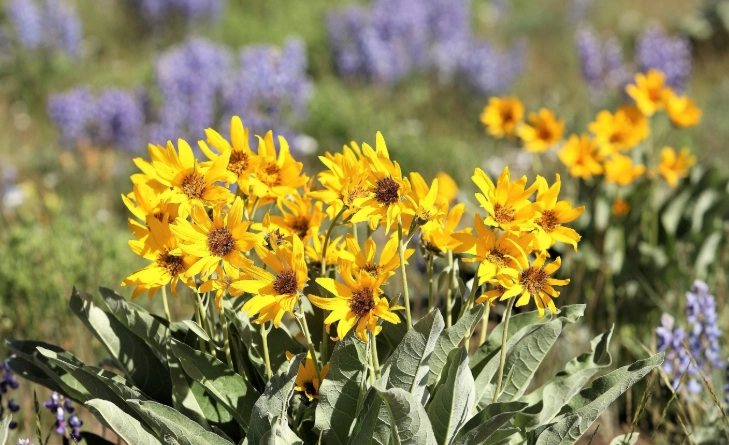
| Variety | Height | Key Features & Why It Works in Oregon |
|---|---|---|
| 'Autumn Beauty' | 5-7 ft | My top recommendation for beginners. Stunning mix of burgundy, orange, gold, and bi-colors. Branches like crazy, so one plant gives you dozens of flowers for cutting. It's also surprisingly resilient to our damp spring weather if you give it good air flow. |
| 'Italian White' | 4-6 ft | Creamy, pale lemon flowers with dark centers. Elegant and different. It's a branching type that seems less appealing to deer (maybe the color?). Flowers are smaller but perfect for arrangements. |
| 'Soraya' (AAS Winner) | 5-6 ft | A real winner. Bright orange-gold, pollenless flowers on strong stems. Being pollenless is great for cutting – no messy pollen stains. It establishes quickly, which helps it get ahead of pests. |
| 'Sunrich Gold' | 5 ft | Another excellent pollenless, single-stem variety. If you want uniform, classic golden flowers for bouquets, plant a block of these. They're reliable and bloom within a tight window. |
For Containers & Small Spaces
Don't have acres? No problem. Dwarf varieties are fantastic on patios, balconies, or front borders.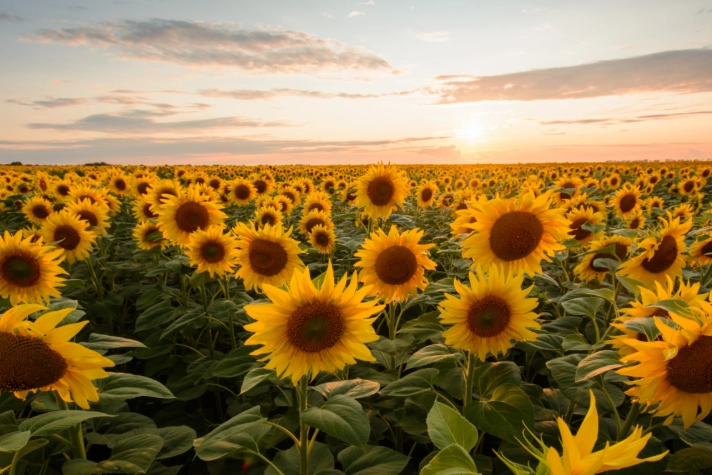
The Oregon Sunflower Planting Calendar: Timing is Everything
This is where most folks, including my past self, mess up. Planting too early is the #1 mistake in Western Oregon. Sunflower seeds need warm soil to germinate reliably. If you plant them in cold, wet soil, they'll just rot.
For Western Oregon (Willamette Valley, Coast, Portland area):
- Direct Sow: Late May through June is your prime window. Honestly, even early July works for many varieties and will give you blooms in September. The soil is warm, and the risk of a devastating slug attack on tiny seedlings is lower.
- Start Indoors: If you're impatient (like me), start seeds in 4-inch pots indoors about 3-4 weeks before your intended outdoor planting date. Use a seed starting mix, not garden soil. This gives you a head start on the season, especially for the giant varieties. Harden them off carefully!
For Central & Eastern Oregon (High Desert, warmer valleys):
- You can often direct sow from mid-May onwards, as soils warm up faster. Your main challenge will be summer water. Make sure your planting site has a reliable irrigation plan or is set up for deep, infrequent watering.
What about succession planting? For a longer show, try this: Sow a few seeds directly in late May. Then, two weeks later, sow a few more. And maybe again two weeks after that. You won't get a massive field, but you'll have a rolling harvest of flowers from late July into fall.
Planting & Care: The Nitty-Gritty for Oregon Gardens
Okay, you've got your seeds and your timing. Now let's get them in the ground.
Site & Soil Prep
Sunflowers need sun. Like, all the sun. At least 6-8 hours of direct, unfiltered sunlight. More is better. They also need well-draining soil. Our winter rains can leave heavy clay soils waterlogged. If your soil is thick clay, amend it with a generous amount of compost. Don't go overboard with fertilizer – too much nitrogen makes for lots of weak, leafy growth and fewer flowers. A balanced, slow-release organic fertilizer worked into the soil at planting is plenty.
The Planting Process
- Plant seeds about 1 inch deep. For giant varieties, go for 1.5 inches.
- Space them according to the packet. This is crucial for air circulation to prevent mildew. Dwarf types might need 1 foot, branching types 2 feet, and giants need a full 3 feet apart. I know it looks sparse at first – trust the process.
- Water the seeds in well and keep the soil consistently moist (not soggy) until they sprout, which takes 7-14 days.
Defending Your Oregon Sunflower
Here's the battle plan for common Oregon pests:
Slugs & Snails: The arch-nemesis of the young Oregon sunflower. I use a three-pronged approach: 1) Sluggo (iron phosphate bait) scattered around the planting area. It's pet-safe. 2) A midnight patrol with a flashlight and a bucket of soapy water in the first couple of weeks. 3) Creating a dry barrier of crushed eggshells or diatomaceous earth (reapplied after rain).
Birds: They love the seeds at two stages: right after planting, and when the flower heads mature. For planted seeds, laying a piece of chicken wire or row cover lightly on the soil until germination helps. For mature heads, you'll need to decide. To save seeds, you can cover the heads with mesh bags (like organza bags) once the petals fall and the back of the head starts to yellow.
Deer: If deer are in your area, they will find your sunflowers. Fencing is the only 100% solution. For smaller plantings, I've had moderate success with a homemade spray of beaten eggs and water (sounds weird, works okay) or commercial repellents. But be ready for disappointment – deer are persistent.
Watering & Feeding
Once established, sunflowers are fairly drought-tolerant, but they'll do much better with consistent moisture. Deep, infrequent watering encourages strong root growth. Aim to water at the base, not overhead, to keep leaves dry and prevent fungal diseases like rust or powdery mildew, which can pop up in our humid periods.
If you prepared your soil well, you likely don't need to fertilize again. If plants look pale or stunted, a side dressing of compost or a light liquid feed (like fish emulsion) in early summer can help.
Harvesting Seeds & Saving for Next Year
One of the joys of growing an Oregon sunflower is harvesting your own seeds. Let the flower head mature fully on the stalk. The back will turn from green to yellow/brown, and the petals will fall off. The seeds will plump up and the bracts will start to loosen.
Cut the head with a foot or so of stem. Hang it upside down in a dry, well-ventilated place (a garage or shed works) covered with a paper bag to catch falling seeds. Once completely dry, rub the head and the seeds will fall out easily. Store them in a paper envelope in a cool, dry place. Label it! I've forgotten varieties too many times.
Finding Those Famous Oregon Sunflower Fields
Maybe you want to see a spectacle before you plant. Oregon has some incredible farms that plant acres of sunflowers, often as a tourist attraction or for their own seed harvest.
- Willamette Valley: This is the heartland. Farms around Salem, Albany, and Corvallis often have fields. Always check the farm's website or social media before you go – bloom times vary yearly, and access is at their discretion. A great resource is the Travel Oregon website, which often features seasonal guides.
- Hood River Valley: Some fruit farms integrate sunflower fields for beauty and agritourism. The backdrop of Mount Hood is unbeatable.
- Southern Oregon: Around the Roseburg and Medford areas, you can find fields enjoying the warmer, longer season.
Remember, these are working farms. Respect their property, follow posted rules, stay in designated areas, and never pick flowers without permission. Many offer a "you-pick" option for a fee.
Straight Answers to Common Oregon Sunflower Questions
At the end of the day, growing an Oregon sunflower is a deeply satisfying project. It connects you to the rhythm of our state's seasons in a tangible way. There will be failures – a squirrel digs up your seeds, a storm flattens your tallest plant. But when you're standing next to a blooming giant you grew from a tiny seed, or when you fill a vase with a bouquet of 'Autumn Beauty' blooms, every bit of the effort feels worth it. Start simple, maybe with a packet of a branching variety in a sunny spot, and see where it takes you. Your own patch of Oregon sunshine is waiting.