Quick Guide
- What Does a Pomegranate Flower Look Like? Let's Get Specific
- Planting Your Pomegranate Flower Tree: Location is Everything
- Ongoing Care: How to Keep Your Tree Thriving (and Flowering!)
- Popular Pomegranate Flower Tree Varieties (It's Not Just Red!)
- Troubleshooting: Why Isn't My Pomegranate Flowering?
- Beyond the Garden: The Cultural & Practical Magic of the Blossom
- Frequently Asked Questions (The Stuff You Actually Search For)
- Final Thoughts: Is a Pomegranate Flower Tree Right for You?
Let's be honest, most people think of the juicy red arils when they hear "pomegranate." The fruit gets all the glory. But if you've ever seen a pomegranate tree in full bloom, you know the secret. The flowers are absolutely breathtaking. Vibrant, crinkled orange-red blossoms that look like they're made of crumpled silk. I remember the first time I saw one in a neighbor's garden in California–I stopped in my tracks. I had no idea the pomegranate flower tree could be such a showstopper. I thought it was some exotic ornamental. That moment changed how I saw this plant completely.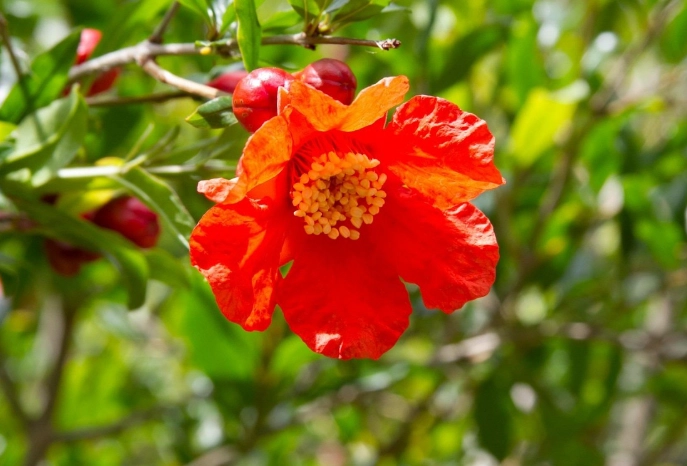
This guide is for anyone who's curious about that side of the pomegranate. Maybe you're thinking of planting one but are worried it's just for hot climates (it's not, as you'll see). Maybe yours is growing but refusing to flower. Or perhaps you just want to appreciate the underrated beauty of the pomegranate flower. We're going to dig into everything, from getting that first stunning bloom to keeping your tree happy for decades.
The Core Truth: A pomegranate tree (Punica granatum) is a dual-purpose powerhouse. It's a resilient, long-lived ornamental shrub or small tree that offers an incredible floral display, and then it rewards you with delicious fruit. Treating it solely as a fruit factory misses half its charm.
What Does a Pomegranate Flower Look Like? Let's Get Specific
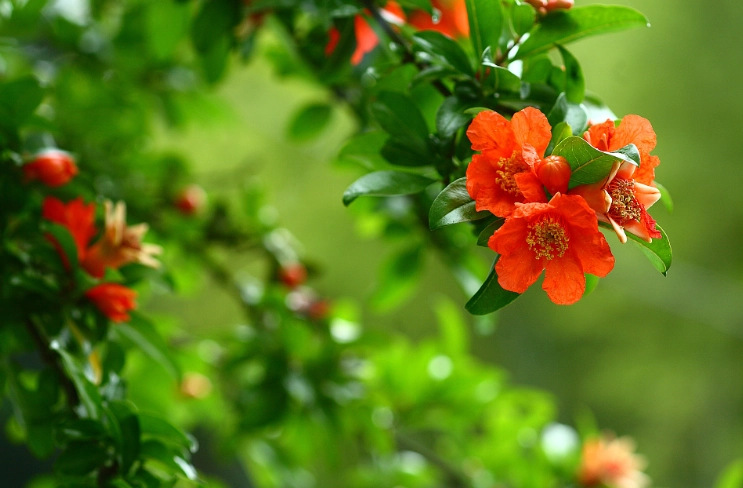
Okay, so it's a red flower. But what kind of red? The classic pomegranate flower is a fiery, persistent orange-red, often called "scarlet." The petals are thick, waxy, and heavily ruffled–they have a wonderful, crumpled texture. The base of the flower is a fleshy, vase-shaped structure called the calyx, which eventually becomes the fruit's outer casing if pollinated.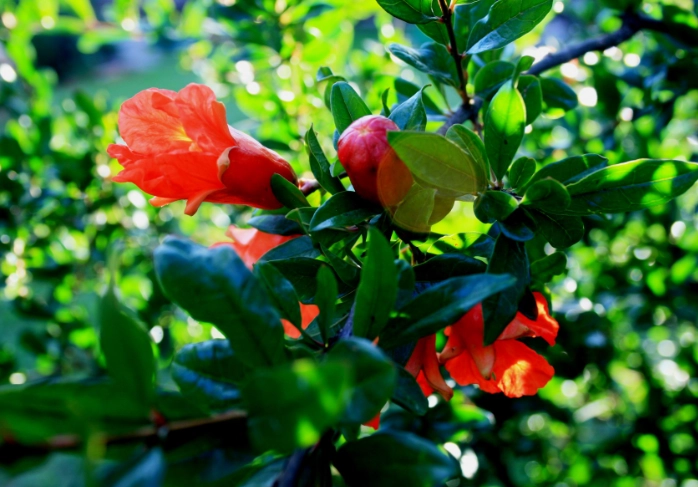
Here's a detail most guides miss: there are two types of flowers on a pomegranate flower tree.
Hermaphroditic (Fruit-Bearing) Flowers: These are the ones you want. They have a well-developed pistil (female part) and stamens (male parts). They look fuller, often vase-shaped from the side. This is the flower that can turn into your pomegranate.
Male Flowers: These are more trumpet or bell-shaped. They have stamens but only a rudimentary, non-functional pistil. They provide pollen but will never, ever set fruit. They fall off after blooming.
What's the ratio? It varies wildly by variety, age, and growing conditions. A young or stressed tree might produce almost all male flowers. It's frustrating, I've been there. You get this amazing bloom and then... nothing. But understanding this is the first step to fixing it.
Planting Your Pomegranate Flower Tree: Location is Everything
Planting a tree feels like a commitment, right? You want to get it right. The good news is, pomegranates are forgiving, but they have some non-negotiable preferences.
Sunlight: The Non-Negotiable
Think of the sunniest spot in your yard. Now find a spot that gets even more sun. That's where your pomegranate wants to be. We're talking at least 6 to 8 hours of direct, unfiltered sunlight every single day. More is better. In shady spots, you'll get weak, leggy growth and few to no flowers. It's that simple. No flowers mean no fruit. I tried pushing this with one planted where it got afternoon shade, and it was a sad, leafy stick compared to its sun-bathed sibling.
Soil: They're Not Picky, But They Have Standards
Here's where pomegranates shine. They tolerate a wide range of soils. The absolute golden rule? Drainage. Drainage. Drainage. They despise "wet feet." Soggy, waterlogged soil will cause root rot and kill the tree faster than anything.
Quick Soil Test: Dig a hole about a foot deep and fill it with water. If it drains away within an hour, you're golden. If it sits there for a day, you have a drainage problem. Fix it by planting on a raised mound or in a raised bed.
They prefer a slightly acidic to neutral pH (5.5 to 7.5), but they're adaptable. They'll even grow in poor, rocky, or alkaline soils where other fruit trees struggle. If your soil is heavy clay, amend it generously with compost, coarse sand, or well-rotted manure to open it up.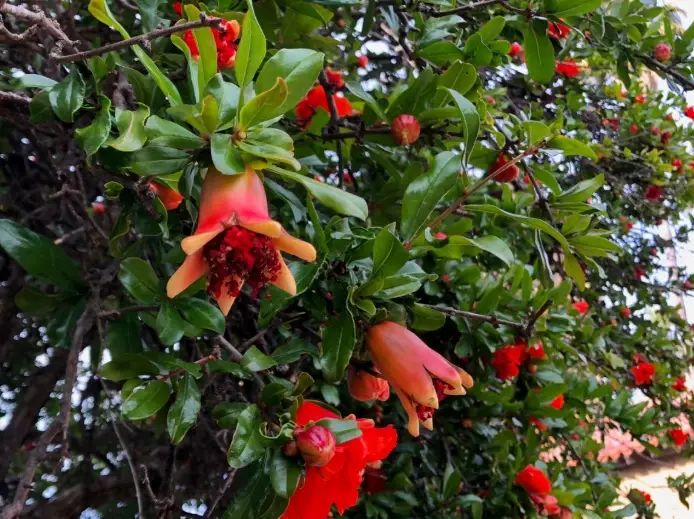
The Planting Process, Step-by-Step
- Timing: Late winter or early spring, while the tree is still dormant, is ideal. Fall planting can work in mild-winter climates.
- The Hole: Dig it twice as wide as the root ball, but no deeper. You want the tree to sit at the same level it was in the nursery pot. Planting too deep is a common killer.
- Prep: Loosen the roots if they're pot-bound. Don't amend the backfill soil too much–you want the roots to venture out into the native soil.
- Place & Fill: Set the tree in, backfill, and tamp down gently to remove air pockets.
- Water & Mulch: Water deeply to settle the soil. Apply a 2-3 inch layer of mulch (wood chips, straw) in a wide circle around the tree, but keep it a few inches away from the trunk to prevent rot.
That's it. Don't overcomplicate it. A good start is 90% of the battle.
Ongoing Care: How to Keep Your Tree Thriving (and Flowering!)
You've planted it. Now, how do you get that spectacular floral show year after year? It's not hard, but it requires paying attention to a few key things.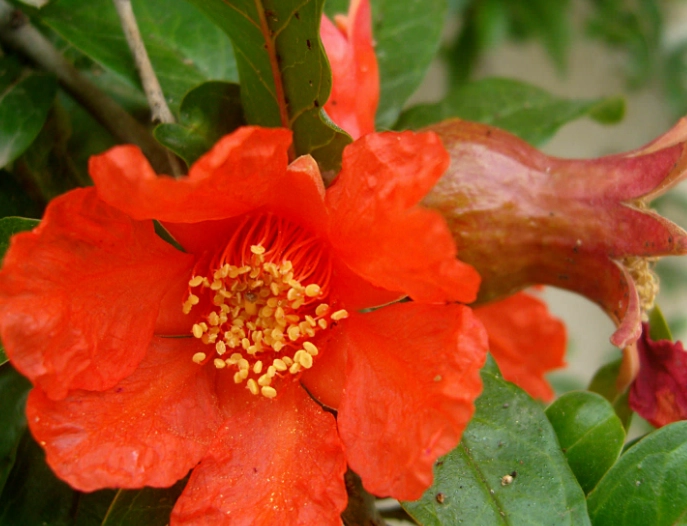
Watering Wisdom: Less is More Once Established
This is the biggest adjustment for many gardeners. Pomegranates are drought-tolerant. Overwatering is a far greater danger than underwatering.
- First Year: This is the critical establishment period. Water deeply once or twice a week, depending on heat, to encourage deep root growth.
- Established Trees (2+ years): Back off significantly. Deep watering every 2-4 weeks during the dry season is often plenty. The tree's deep roots will find moisture. Signs of overwatering include yellowing leaves and a general lack of vigor.
Let the soil dry out a few inches down between waterings. I use the finger test–if it's damp, I wait.
Feeding: Don't Overdo the Nitrogen
Here's a classic mistake: pumping the tree with high-nitrogen fertilizer to make it grow big and fast. What happens? You get a lush, green bush with very few flowers. Nitrogen promotes leafy growth at the expense of blooms.
What to use instead? In early spring, as new growth starts, apply a balanced, slow-release fertilizer (like an 8-8-8 or 10-10-10). Alternatively, use a fertilizer formulated for flowering shrubs or citrus/avocado, which have a better nutrient balance for fruiting plants. A top-dressing of compost in spring is also an excellent, gentle feed.
Watch Out: Avoid fertilizing in late summer or fall. This can spur tender new growth that will be damaged by winter frosts.
Pruning: Shaping for Beauty and Airflow
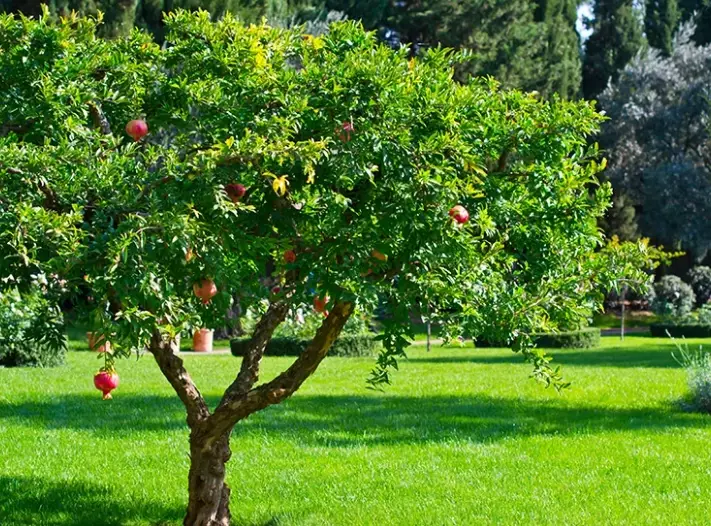
Pruning a pomegranate flower tree is more art than science. The goal is to create an attractive shape, let light and air into the center, and encourage new growth where flowers form.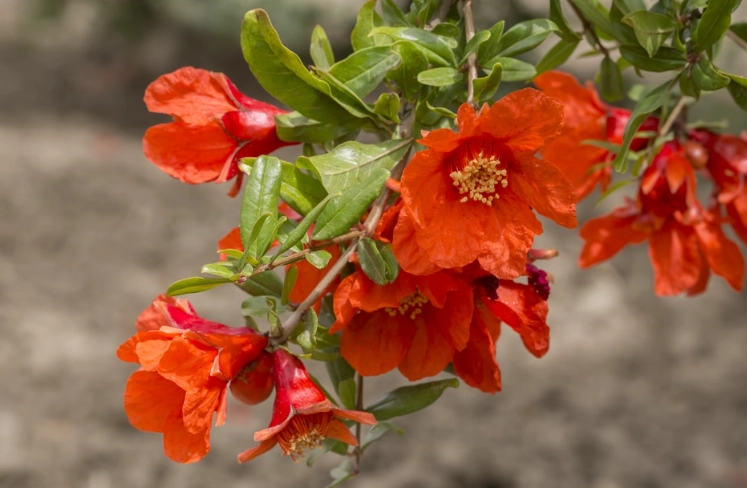
When to prune?
Late winter, just before spring growth kicks in. It's easier to see the structure.
What to cut?
- Suckers: Remove any shoots sprouting from the base or roots.
- Dead, Diseased, Damaged Wood: Always the first to go.
- Crossing/Rubbing Branches: To prevent wounds and disease.
- Overcrowded Center: Remove some inward-growing branches to open up the canopy.
- Height Control: You can head back long, leggy branches to a side shoot to encourage bushiness.
Pomegranates fruit on short spurs on older wood (2-3 years old). Don't go crazy and cut all the older branches off. A light, annual shaping is better than a brutal chop every few years.
Popular Pomegranate Flower Tree Varieties (It's Not Just Red!)
This is the fun part. There are dozens of cultivars, bred for different climates, fruit taste, and believe it or not, flower color.
| Variety Name | Flower Color & Key Features | Fruit Quality | Best For / Notes |
|---|---|---|---|
| 'Wonderful' | Classic vibrant scarlet-red. The most common commercial variety. | Large, deep red fruit with tangy-sweet flavor. | Hot, dry climates. The classic. Widely available. |
| 'Eversweet' | Orange-red flowers. A favorite for cooler coastal areas. | Sweet, pale pink arils with very soft seeds. Skin is pink. | Areas with less summer heat. Great for fresh eating. |
| 'Parfianka' | Brilliant red flowers. A top-rated variety for flavor. | Exceptionally sweet, deep red arils with a hint of berry flavor. | Cold hardy. Consistently wins taste tests. |
| 'Salavatski' | Red flowers. Known as one of the most cold-tolerant varieties. | Small to medium, tart-sweet fruit. | Cold climates (down to USDA Zone 6b/7 with protection). A real survivor. |
| 'Nana' (Dwarf Pomegranate) | Smaller but prolific scarlet flowers. A true dwarf shrub. | Tiny, ornamental fruits (not great for eating). | Containers, small gardens, bonsai. Perfect for patios. |
| 'Double Flower'/'Flore Pleno' | STUNNING. Double, carnation-like, bright red flowers. Sterile. | Does not produce viable fruit. It's purely ornamental. | A showpiece. If you want max floral impact and zero fruit mess. |
Choosing the right variety is huge. If you live in South Carolina, 'Wonderful' is perfect. If you're in Oregon, 'Eversweet' might be your hero. For container gardeners or those in apartments, the dwarf pomegranate flower tree like 'Nana' is a fantastic, manageable option that still brings the floral drama.
Troubleshooting: Why Isn't My Pomegranate Flowering?
This is the heartbreaker. You've waited, you've cared, and... nothing. Or just a few sad blooms. Let's diagnose it.
- Not Enough Sun: The #1 culprit. Less than 6 hours of direct sun? It won't bloom well. Period.
- Too Much Nitrogen / Wrong Fertilizer: Are you feeding it lawn fertilizer? Stop. Switch to a balanced or bloom-booster formula.
- Overwatering: Constantly wet soil stresses the tree and directs energy to survival, not reproduction (flowering).
- Age: Patience, young Padawan. A tree from seed can take 3-5 years to flower. A grafted nursery tree might flower in 1-2 years.
- Over-Pruning / Pruning at Wrong Time: If you hacked it back hard in summer or fall, you likely cut off the flower buds for next year.
- Climate / Chill Hours: Some varieties need a certain number of winter chill hours (hours below 45°F) to set buds properly. If your winters are too warm, flowering can be poor. Conversely, a late spring frost can zap early flower buds.
Fix the environmental issue first (sun, water, food), and give it time. The tree wants to bloom; you just need to get out of its way.
Beyond the Garden: The Cultural & Practical Magic of the Blossom
This plant isn't just a pretty face in your backyard. The pomegranate flower has woven itself into history and practical use.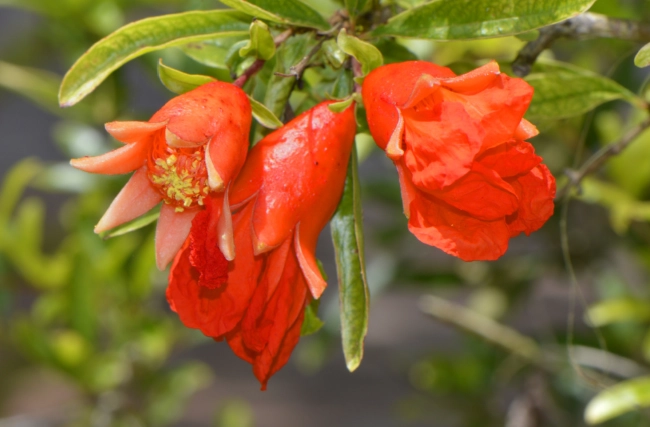
In art and mythology, it's a potent symbol of fertility, abundance, and eternal life across ancient Greek, Persian, and Hindu cultures. You see it in paintings, textiles, and architecture.
But practically? The dried flowers can be used to make a mild, slightly astringent herbal tea. In some traditional practices, extracts from the flower are explored for potential wellness benefits, though you should always consult proper scientific sources like those from the National Institutes of Health (NIH) for verified information. It's a reminder that many plants we grow have deeper histories.
And let's not forget pollinators. Those bright flowers are magnets for hummingbirds, bees, and butterflies. Planting a pomegranate flower tree adds a vibrant hub of life to your garden ecosystem.
Frequently Asked Questions (The Stuff You Actually Search For)
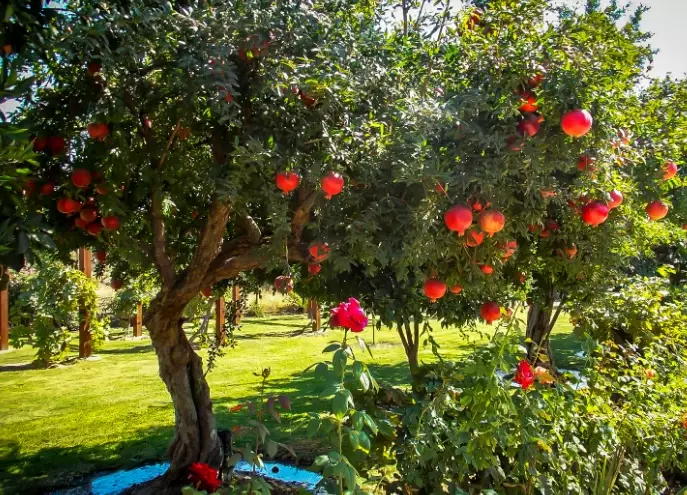
Final Thoughts: Is a Pomegranate Flower Tree Right for You?
Look, it's not the tree for everyone. If you have a tiny, shaded yard, it's a struggle. If you hate any leaf drop (they can be semi-deciduous in cooler areas), maybe look elsewhere.
But if you have a sunny spot, don't want a high-maintenance diva of a plant, and crave something that offers months of stunning visual interest followed by a tangible, edible reward... it's hard to beat. The pomegranate flower tree is resilient, beautiful, and deeply satisfying to grow. It connects you to ancient history while being a utterly modern, low-water landscape choice.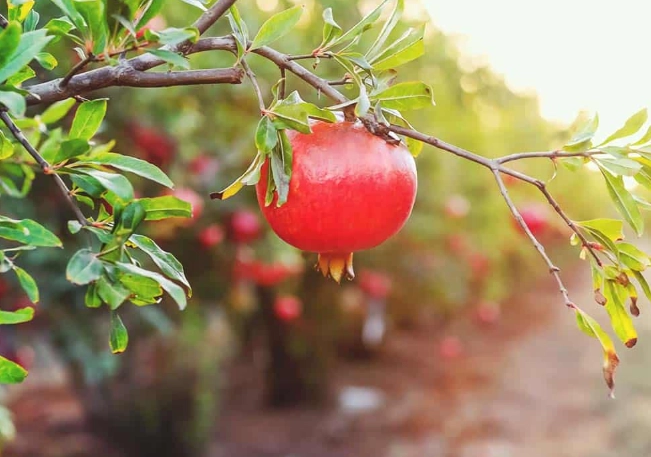
Start with the right variety for your place. Give it sun and well-drained soil. Don't love it to death with too much water and fertilizer. Then, just wait. That first explosion of crumpled, fiery blossoms against the glossy green leaves is worth the wait. It's a different kind of harvest.