Quick Guide to Sections
- Not All Sun is Created Equal: Understanding the Terms
- The Champions: Begonia Varieties That Can Take the Heat (and Light)
- Your Step-by-Step Guide to Growing Begonias in Full Sun
- Troubleshooting: What to Do When Things Go Wrong
- Frequently Asked Questions (The Stuff You’re Actually Searching For)
- Companion Planting: What to Grow With Your Sunny Begonias
Let’s get this out of the way right at the start. If you’ve spent any time gardening, you’ve probably heard the golden rule: begonias equal shade. Full stop. No arguments. Stick them in a dark corner and hope for the best.
Well, I’m here to tell you that rule is, frankly, a bit outdated and not entirely true. It drove me nuts for years. I’d see these incredible photos of begonias with vibrant, almost neon-colored leaves and massive blooms, but my own shade-planted ones always looked a bit... sad. Leggy, fewer flowers, just lacking that punch.
Then I started experimenting. A few years back, I got a little reckless with a ‘Dragon Wing’ begonia I had spare. I plonked it in a container on my west-facing patio, a spot that gets a solid six hours of brutal afternoon sun. I was sure it was a death sentence. I figured I’d watch it fry as a lesson.
It didn’t fry. It exploded. The red blooms were more numerous and a deeper color than any I’d grown before. That was my lightbulb moment. The blanket statement that “begonias hate sun” is one of gardening’s most persistent oversimplifications. The real answer is far more interesting and opens up a world of possibilities for sunny spots you thought were off-limits.
The truth is, many modern begonias can handle full sun conditions, and some even thrive in them, producing their best color and most prolific blooms. But—and this is the critical but—not all begonias are created equal. You can’t just grab any begonia from the nursery and throw it into a desert-like landscape. It’s about choosing the right type and then giving it the right support. That’s what this guide is for: to cut through the noise and give you the actionable, specific info you need to succeed with begonias in full sun.
Key Takeaway: The old rule is wrong. Many begonias tolerate and even prefer several hours of direct sun, especially in cooler climates. The secret lies in selecting sun-adapted varieties and managing their environment.
Not All Sun is Created Equal: Understanding the Terms
Before we dive into varieties, let’s clear up the jargon. “Full sun” in gardening terms doesn’t always mean the same thing, and it’s the number one reason people fail.
- Morning Sun: This is the gentle, friendly sun. It’s less intense, with lower heat. Most plants, including many traditionally “shade” plants, adore morning sun. It’s like a warm wake-up call.
- Afternoon Sun: This is the heavyweight champion. The sun from about 1 PM onward is intense, hot, and drying. This is the “full sun” that can scorch leaves and stress plants if they’re not prepared.
- Filtered Sun (Dappled Light): Sunlight that passes through the leaves of a tree. It’s bright but broken, offering light without the intense heat. A perfect compromise for many plants.
- Climate Context: “Full sun” in coastal San Francisco is a world away from “full sun” in Arizona or Florida. Humidity, air temperature, and latitude drastically change the game. A begonia might love full sun in Michigan but need afternoon shade in Texas.
When we talk about sun tolerant begonias, we’re usually talking about varieties that can handle 4-6+ hours of direct sun, particularly if some of that is the gentler morning sun. In very hot climates (USDA zones 8+), afternoon shade is often non-negotiable, even for the tough guys.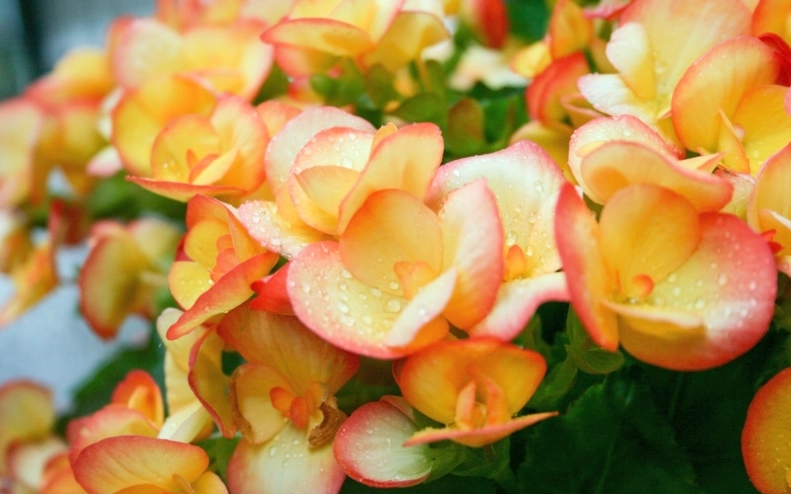
The Champions: Begonia Varieties That Can Take the Heat (and Light)
Okay, here’s the meat of it. If you want to try growing begonias in sun, start with these proven performers. I’ve grouped them by type because their care can differ slightly.
1. The Wax Begonias (Begonia semperflorens)
The undisputed kings of the sunny begonia world. These are the compact, fibrous-rooted bedding plants you see in municipal park displays for a reason—they’re tough. Their glossy, often bronze or green leaves are naturally more resistant to sun scald.
I’ve had ‘Cocktail’ series begonias (like ‘Cocktail Whiskey’ with dark bronze leaves) in a south-facing bed that got sun from 10 AM to 4 PM. They bloomed non-stop from May until frost, forming perfect little mounds. The key with wax begonias is that they actually need good sun to stay compact and flower heavily. In too much shade, they get leggy and bloom sporadically.
Top Picks for Full Sun: Any in the ‘Cocktail’ or ‘Big’ series. The ‘Victory’ and ‘Supreme’ series are also bred for vigor and sun tolerance. Look for varieties with darker foliage; they almost always have better sun resistance.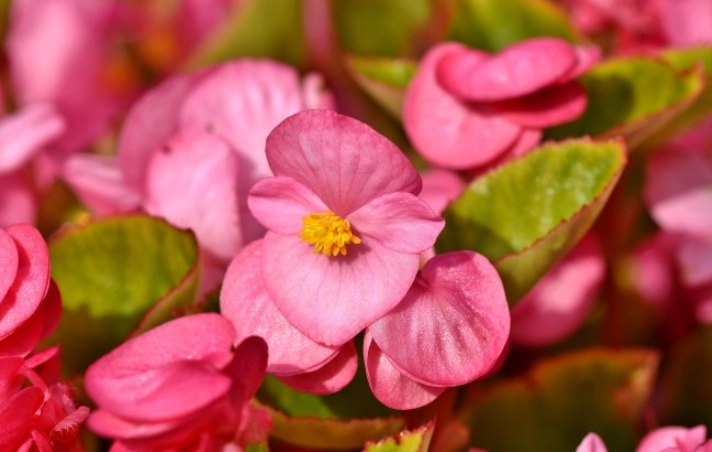
2. The Dragon Wing & Angel Wing Begonias
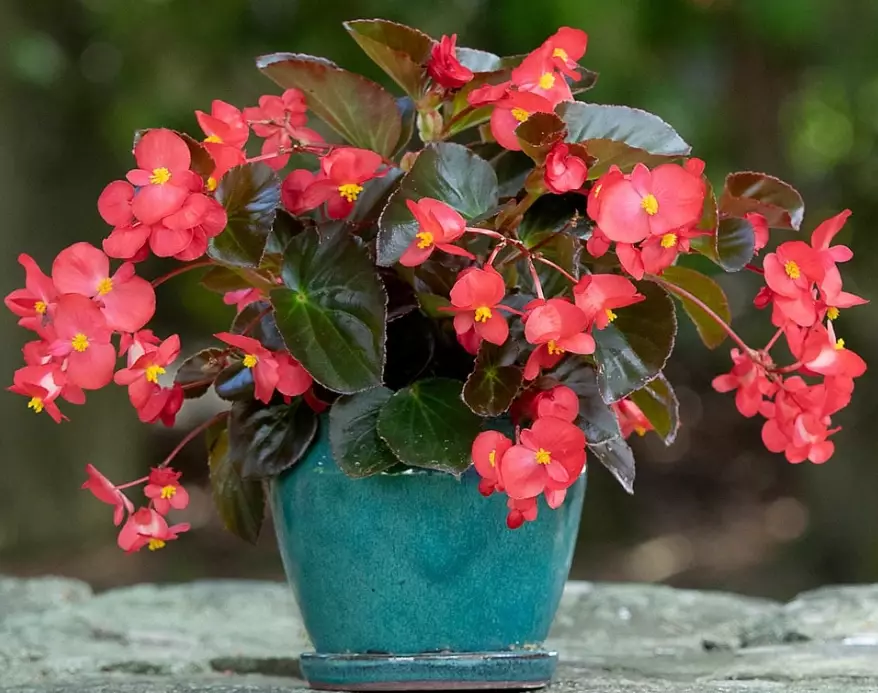
These are the cane-type begonias with beautiful, often spotted “wings” (leaves) and cascades of flowers. My personal favorite for containers. ‘Dragon Wing Red’ is practically indestructible. It tolerates more sun than its delicate appearance suggests, especially if you keep up with watering.
The flowers on these in a bright, sunny spot are unbelievable—continuous sprays of pink or red. They’re not true desert plants, mind you. In very hot inland areas, give them morning sun and afternoon shade, or bright filtered light all day. But in most temperate climates, they’ll handle a sunny spot with gusto.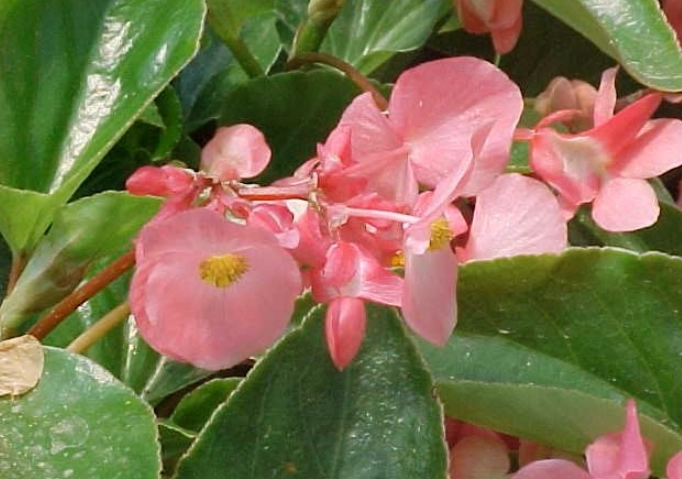
3. The Hardy Begonias (Begonia grandis)
This is a tuberous perennial that dies back in winter and returns in spring. It’s surprisingly adaptable. While it thrives in part shade, I’ve seen it perform beautifully in a spot with several hours of morning sun, especially in northern climates. The sun seems to intensify the red veining on the back of its leaves. It’s a more subtle choice than the flashy wax begonias, but it brings elegant height and texture.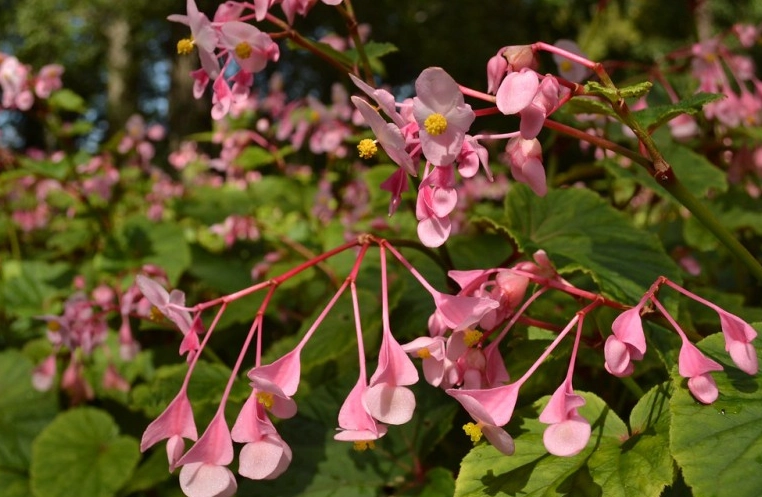
4. Some Tuberous Begonias (The “Non-Stop” & Similar Types)
Now, here’s where you need to be careful. Classic large-flowering tuberous begonias are shade lovers. Their blooms burn easily. However, the Non-Stop® series and other multiflora tuberous types have been bred for more sun tolerance. They have smaller but countless flowers and tougher foliage.
I’d still treat these with more caution. Think “bright indirect light” or “morning sun only” for the best results. They’re a step in the sunnier direction but not quite in the same league as wax begonias.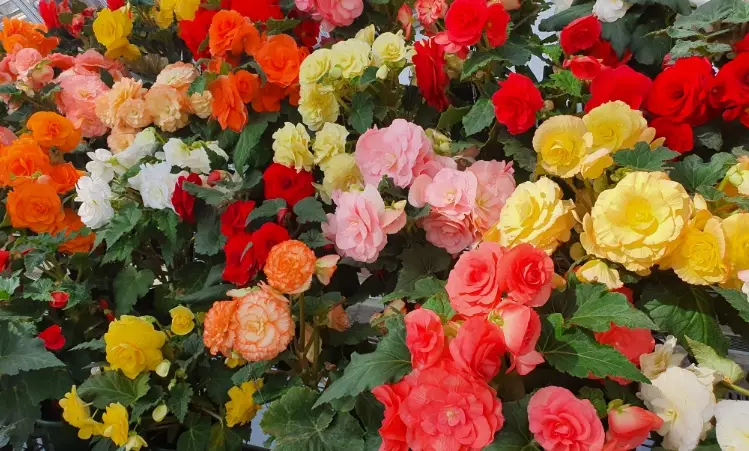
Proceed with Caution: Generally, avoid most Rex begonias (prized for their fancy foliage) and the large-flowered tuberous types in direct, hot sun. Their leaves will scorch, fade, and curl. They are true shade dwellers.
Here’s a quick-reference table to help you choose at a glance:
| Begonia Type | Sun Tolerance Level | Best Sun Exposure | Key Characteristic |
|---|---|---|---|
| Wax Begonia (Semperflorens) | Very High | Full Sun to Part Sun (4-6+ hrs) | Glossy leaves, continuous tiny blooms, ideal for beds. |
| Dragon Wing/Angel Wing | Medium-High | Part Sun to Filtered Sun (2-4+ hrs morning sun ideal) | Cascading habit, large “wing” leaves, prolific flowers. |
| Hardy Begonia (Grandis) | Medium | Morning Sun / Dappled Afternoon Sun | Perennial, tall, red-backed leaves, late summer blooms. |
| Tuberous (Non-Stop® Series) | Medium-Low | Bright Indirect Light / Morning Sun Only | Masses of smaller double flowers, needs more care. |
| Rex Begonia | Very Low | Bright Indirect Light ONLY (No direct sun) | Ornamental painted foliage, burns easily. |
Your Step-by-Step Guide to Growing Begonias in Full Sun
Choosing a sun-tolerant variety is only half the battle. How you plant and care for them is what makes the difference between survival and spectacular success. Think of it as providing a support system.
Planting: Setting the Stage for Success
- Timing is Everything: Don’t plant your begonias out into a blazing sunny spot during a late spring heatwave. Wait until the weather has settled, or acclimate them gradually over 7-10 days (a process called hardening off). Start with an hour of morning sun, then increase daily.
- Soil is Your Secret Weapon: This is non-negotiable. In sunny, dry conditions, soil matters more than ever. Begonias need soil that holds moisture but also drains exceptionally well—they hate wet feet. Amend your garden bed or potting mix with a generous amount of compost. Compost improves both water retention and drainage, which sounds like magic but it’s true. For containers, use a high-quality potting mix, and consider adding a handful of perlite for extra drainage. The Missouri Botanical Garden, a top-tier horticultural authority, consistently emphasizes well-drained, humus-rich soil for begonia success, and this is doubly true in sunnier locations.
- The Watering Balancing Act: Sun means faster evaporation. Your begonias in full sun will need more frequent watering than those in shade. Check the soil by sticking your finger in an inch deep. If it’s dry, water thoroughly until it runs out the bottom of the pot. Then, let the top inch dry out a bit before watering again. Avoid frequent, light sprinklings—they encourage shallow roots that are vulnerable to drought. The goal is consistent moisture, not sogginess. A soaker hose or drip irrigation in a bed is a game-changer.
My Personal Hack: For potted begonias in sun, I always use a pot that’s slightly larger than I think I need. The extra soil volume acts as a buffer against drying out too fast on a hot day. Plastic or glazed ceramic pots retain moisture better than porous terracotta.
Ongoing Care & Feeding
- Fertilizer: Plants working hard in the sun need fuel. Feed your sun tolerant begonias regularly with a balanced, water-soluble fertilizer (like a 10-10-10 or 20-20-20) every 2-3 weeks during the growing season. Or, use a slow-release fertilizer mixed into the soil at planting time. More flowers demand more nutrients.
- Deadheading: For wax and dragon wing types, just snap off the old flower clusters at the stem. This keeps the plant looking tidy and encourages it to produce more blooms instead of setting seed. It takes two seconds and makes a huge difference.
- Mulch, Mulch, Mulch: A 2-3 inch layer of organic mulch (shredded bark, cocoa hulls, even straw) over the soil surface is like a superpower for sun gardens. It keeps the roots cool, drastically reduces water evaporation, and suppresses weeds. Don’t skip this.
Troubleshooting: What to Do When Things Go Wrong
Even with the best plans, sometimes plants get stressed. Here’s how to read the signs and fix common problems with begonias full sun.
Problem: Leaves are turning brown, crispy, and scorched at the edges or have bleached, white patches.
Diagnosis: Classic sun scald. The light is too intense, especially combined with low humidity or dry soil.
Fix: This is a sign you need to provide some shade during the hottest part of the day. Can you move the container? If it’s in the ground, consider planting a taller companion nearby to provide afternoon dappled shade, or use a temporary shade cloth during heatwaves.
Problem: Leaves are wilting, even when the soil is damp.
Diagnosis: This could be root rot from overwatering (check if soil is soggy), or, ironically, heat stress. On extremely hot days, plants sometimes wilt to reduce surface area and conserve water, even if the roots are wet.
Fix: Ensure your drainage is excellent. If it’s a temporary heat wilt, the plant will often perk up in the cooler evening. Provide afternoon shade to prevent the midday cooker effect.
Problem: Plant is leggy, with long stems and few flowers, even in sun.
Diagnosis: It might still not be getting enough direct light, or it needs more fertilizer.
Fix: Make sure it’s truly getting 4+ hours of direct sun. Pinch back the leggy stems to encourage bushier growth. Increase your fertilization schedule.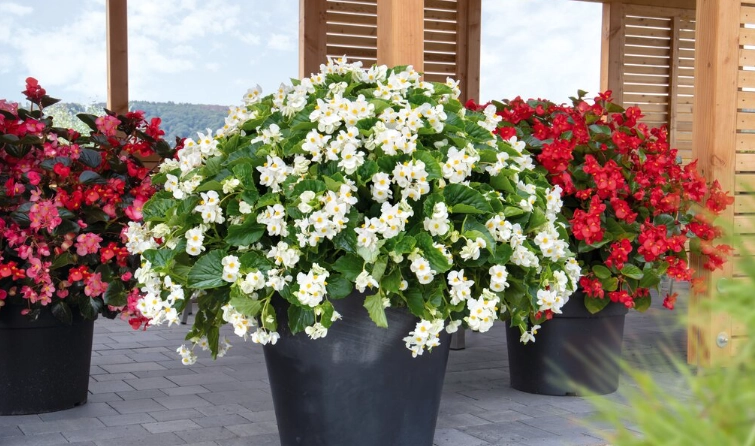
Frequently Asked Questions (The Stuff You’re Actually Searching For)
Let’s tackle the specific questions that pop into your head when you’re considering this.
Companion Planting: What to Grow With Your Sunny Begonias
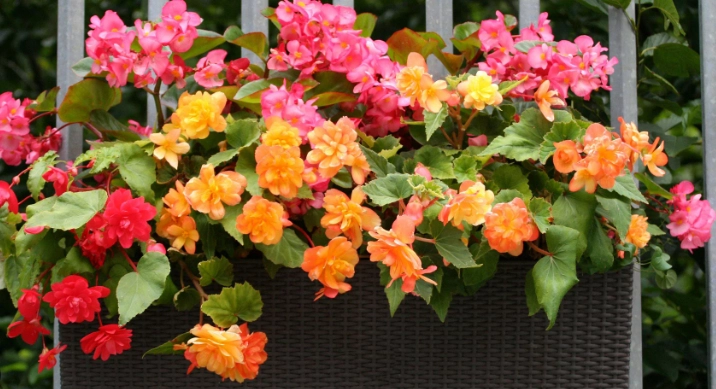
Begonias don’t have to be solo artists. In a sunny container or bed, pairing them with plants that have similar needs creates a stunning display and can even create a better microclimate.
- For Color & Texture: Combine red wax begonias with silvery Dusty Miller (Centaurea cineraria) or blue ageratum. The contrast is stunning. Angel wing begonias look fantastic spilling over the edge of a pot with upright, spiky grasses like purple fountain grass.
- For a “Thriller, Filler, Spiller” Container:
- Thriller (Centerpiece): A tall, sun-loving grass or cordyline.
- Filler (Body): Your sun-tolerant wax or dragon wing begonias.
- Spiller (Trailing): Creeping Jenny (Lysimachia nummularia) or sweet potato vine (Ipomoea batatas).
The bottom line is this: the world of begonias is vast and wonderfully diverse. Ditching the old “shade only” dogma lets you explore a whole new side of these fantastic plants. You get more vibrant colors, more prolific blooms, and you can use them in parts of your garden you thought were impossible.
It requires a bit more attention to watering and soil, and you have to choose your variety wisely. But the reward—a basket or border overflowing with lush foliage and bright blooms where you least expected it—is totally worth the effort. Start with a tough wax begonia this season. You might just be as surprised as I was.
Reader Comments