You wake up one morning, excited to check on your freshly planted tomato seedlings, only to find them lying on their sides, severed at the base. It looks like a tiny lumberjack visited overnight. No leaves are eaten, just a clean cut. That sinking feeling? You've likely met the cutworm.
I've been gardening for over a decade, and cutworms still catch me off guard some seasons. They're not the most complex pest, but their damage is sudden and total. This guide isn't just a list of facts you can find anywhere. It's the battle-tested strategy I've developed, including the subtle mistakes most gardeners make that actually attract more problems.
What's Inside: Your Quick Guide to Beating Cutworms
- What Are Cutworms and Why Should You Care?
- How to Identify Cutworm Damage: Don't Mistake It for Something Else
- The Cutworm Lifecycle: Timing Your Attack
- How to Get Rid of Cutworms: Your Action Plan
- Preventing Cutworms: Building a Fortress Around Your Garden
- Cutworms FAQ: Expert Answers to Your Trickiest Questions
What Are Cutworms and Why Should You Care?
Let's be real. "Cutworm" sounds like a bad B-movie monster. In reality, it's a catch-all name for the caterpillar larvae of several species of night-flying moths (mostly in the Noctuidae family). They don't "cut" with tools; they chew. Their modus operandi is simple and brutal: hide in the soil or under debris during the day, emerge at night, and chew through tender plant stems at or just below the soil surface.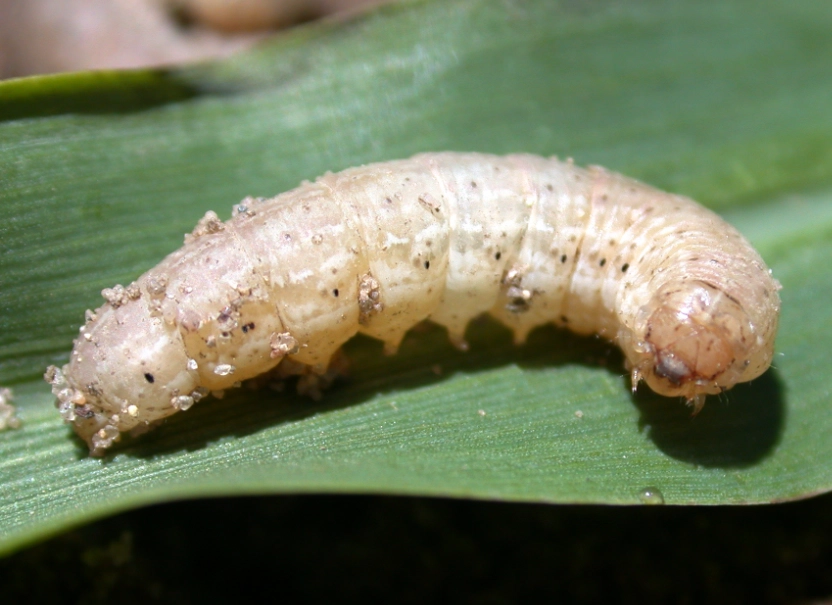
Why should you care more than about other pests? Speed and stealth. A slug leaves a slime trail. Aphids cluster visibly. Cutworms operate like silent assassins. One night is all it takes to lose an entire row of transplants. They have a particular taste for seedlings: tomatoes, peppers, cabbage, corn, and lettuce are all prime targets. Established plants with woody stems are usually safe.
A Common Misconception: Many new gardeners think cutworms are a type of worm or grub. They're not. They're caterpillars, which means they turn into moths. This is crucial because understanding their full lifecycle is key to breaking it. The adult moth stage is when they lay the eggs that become next year's problem.
How to Identify Cutworm Damage: Don't Mistake It for Something Else
Correct identification saves time. Here’s the classic cutworm signature:
The Clean Cut: The stem is severed neatly, often looking like it was sliced with a knife. The top part of the plant will be lying on the ground, often still fresh-looking. It's frustrating.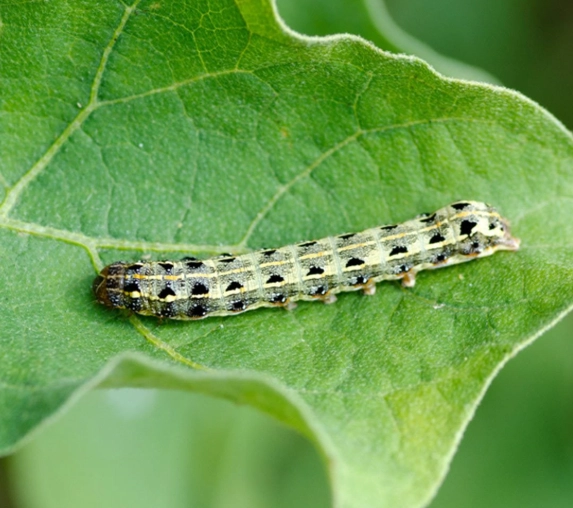
Location: Damage is always at the soil line or within an inch below it. You won't find holes in leaves higher up.
The Culprit is Nearby: If you gently dig in the soil around the felled plant (about an inch deep and a couple inches out), you'll often find a plump, grey, brown, or black caterpillar curled into a tight C-shape. That's your cutworm.
What Cutworm Damage is NOT
People often confuse this with other issues. If the leaves have irregular holes, it's slugs, beetles, or caterpillars that eat foliage. If the plant is wilted but still attached, think root rot or vole damage (voles leave a gnawed stump, not a clean cut). If the whole seedling is gone, birds or rabbits are more likely suspects.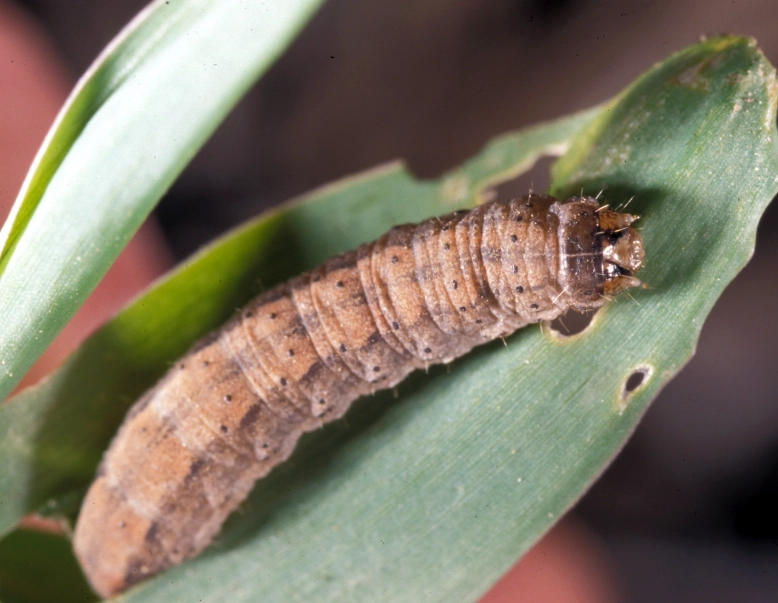
The Cutworm Lifecycle: Timing Your Attack
You can't fight an enemy you don't understand. Most cutworm species have one or two generations per year. The timing varies by climate, but here's the general pattern:
| Stage | When It Happens | What to Look For & Action |
|---|---|---|
| Adult Moths | Late summer to fall. | They lay eggs on weeds, grass stems, or soil debris. This is a critical prevention window. Clean up your garden in fall! |
| Overwintering Eggs/Larvae | Fall through early spring. | Eggs or small larvae survive in soil or thatch. Tilling in fall can expose them to birds and cold. |
| Spring Feeding Frenzy | Early to late spring. | This is the main damage period. Larvae are hungry and your seedlings are vulnerable. This is when physical barriers are most important. |
| Pupation | Early summer. | Larvae burrow into soil to pupate. Less visible damage. A good time for soil cultivation to disrupt pupae. |
| Second Generation (in some regions) | Mid to late summer. | New moths emerge, lay eggs, and a second wave of larvae may attack late-planted crops or fall seedlings. |
The biggest mistake? Only reacting in spring. Effective control starts the previous fall by targeting the egg-laying adults and their hiding spots.
How to Get Rid of Cutworms: Your Action Plan
Found damage? Don't panic. Here’s a tiered approach, from immediate organic fixes to last-resort options.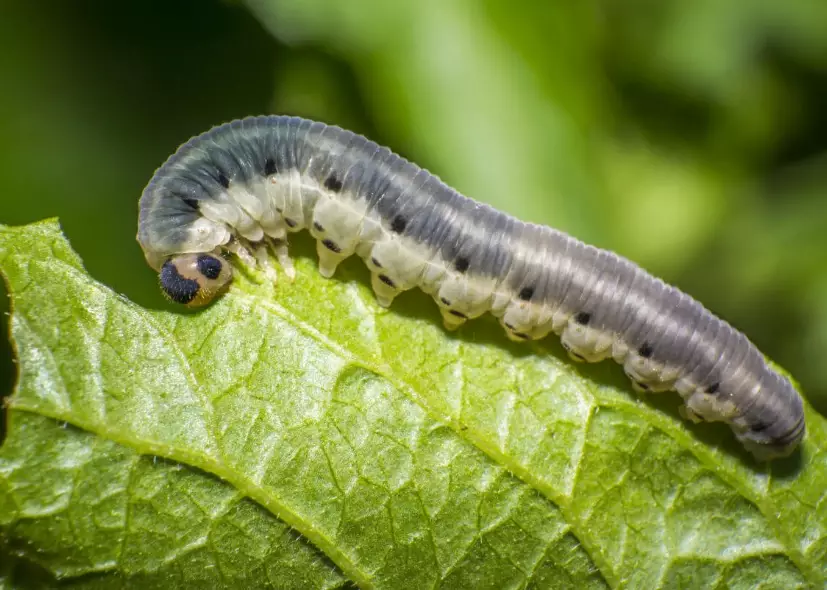
Immediate, Hands-On Organic Control
The Night Hunt: Go out with a flashlight a few hours after dark. Pick them off the soil surface and drop them into soapy water. It's oddly satisfying.
Soil Digging: During the day, dig around damaged plants. They're usually within a 3-inch radius.
Create a Trap: Bury a small cup (like a yogurt container) flush with the soil near plants. Fill it halfway with a cheap beer or a molasses-water-yeast mix. They'll fall in and drown. This works for slugs too.
Effective Physical Barriers (My Top Recommendation)
This is where most gardeners under-invest. A barrier is cheaper and more effective than any spray after the fact.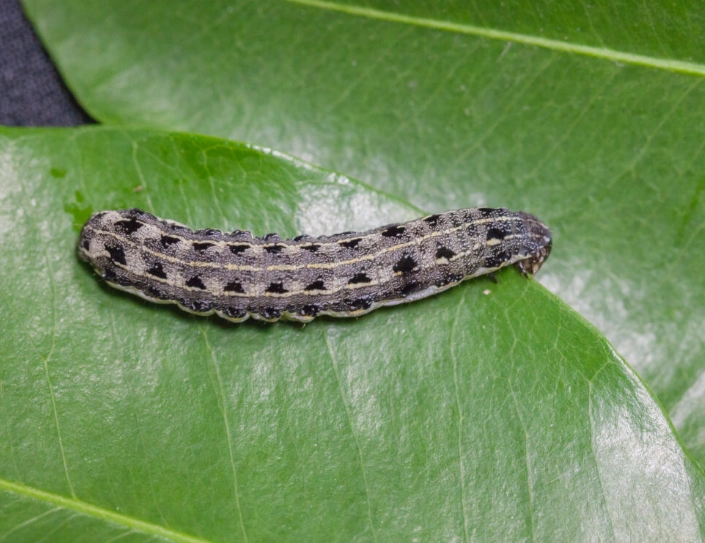
Collars: This is the gold standard. Surround each seedling stem with a collar pushed 1-2 inches into the soil. Use:
- Toilet paper or paper towel rolls cut into 3-inch sections.
- Aluminum foil wrapped loosely around the stem.
- Plastic cups with the bottom cut out.
I find paperboard rolls best—they biodegrade by season's end.
Diatomaceous Earth (DE): Sprinkle a circle of food-grade DE on the soil surface around each plant. It's sharp on a microscopic level and damages the caterpillar's soft body. Big caveat: It must be dry to work. Reapply after rain or watering. Don't breathe the dust.
Biological and Chemical Controls
Beneficial Nematodes (Steinernema species): These are microscopic worms you water into the soil. They actively seek out and parasitize cutworm larvae in the soil. Highly effective if soil temperatures are above 50°F (10°C). Order from reputable suppliers like Arbico Organics.
Bacillus thuringiensis var. kurstaki (Bt): This is a bacterial insecticide specific to caterpillars. Spray it on plant stems and leaves in the evening. The caterpillar eats it and stops feeding within days. It's organic and safe for bees when dry. It's less effective on older, larger cutworms.
Insecticides as a Last Resort: If infestation is catastrophic, products containing spinosad (another organic option) or carbaryl can be used. Always follow the label exactly. The University of Minnesota Extension notes that broadcast spraying is often less effective than targeted barrier methods because cutworms are protected in the soil.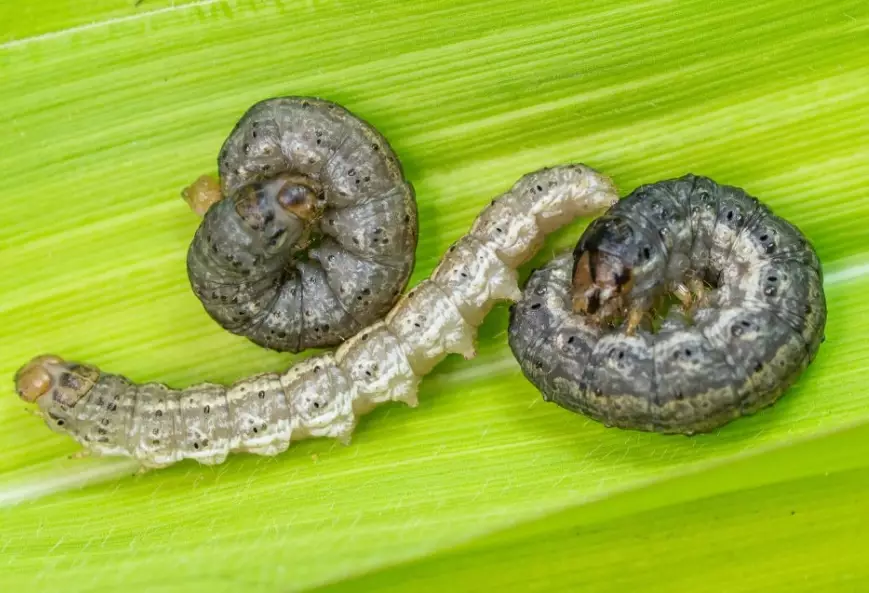
The "Tobacco Juice" Trick You Should Avoid: An old garden tale says watering with tobacco tea kills cutworms. It might, but it can also introduce Tobacco Mosaic Virus to your tomatoes and peppers, causing a much worse, long-term problem. Just don't.
Preventing Cutworms: Building a Fortress Around Your Garden
An ounce of prevention is worth a pound of cure, especially with cutworms.
Fall Cleanup is Non-Negotiable: Remove weeds, spent plants, and debris where moths lay eggs. Till the soil in late fall to expose eggs and pupae to freezing temperatures and predators.
Delay Transplanting: If you have a known problem, wait to set out tender seedlings until they are a bit larger and sturdier (with stems thicker than a pencil). Cutworms prefer the easy, tender stuff.
Create a Bare Soil Perimeter: Keep a 1-2 foot weed-free zone around your garden bed. This removes shelter and alternative food sources for the larvae.
Encourage Natural Predators: Birds, ground beetles, and parasitic wasps all eat cutworms or their eggs. Provide birdhouses, leave some undisturbed habitat areas, and avoid broad-spectrum insecticides that kill these allies.
Solarize Your Soil: For a severe, recurring problem, consider solarizing a section of your garden in the heat of summer. Cover moist soil with clear plastic for 4-6 weeks. The heat can kill soil-dwelling pests, including cutworm pupae.
Cutworms FAQ: Expert Answers to Your Trickiest Questions
The fight against cutworms is winnable. It requires a shift from pure reaction to proactive, season-long strategy. Start with fall cleanup, use physical barriers at planting time, and be ready for a nighttime hunt if you see damage. By understanding their lifecycle and weaknesses, you can protect your seedlings and enjoy a garden that grows up, not gets cut down.
Reader Comments