Let's be honest upfront. The daphne plant is a diva. It's the horticultural equivalent of a world-class opera singer with a breathtaking voice and a notoriously short temper. For every gardener who brags about their thriving, fragrant daphne, there are three more who have a sad, brown story to tell about one that suddenly gave up on life. I've been in both camps. I've killed a beautiful Daphne odora 'Aureomarginata' in a single season, and I've also had a Daphne x transatlantica 'Eternal Fragrance' bloom happily for years. The difference wasn't luck. It was finally understanding what this plant actually wants, not what the generic plant tags say it wants.
This guide is for the gardener who's tired of the mystery. We're going to cut through the vague advice and get into the nitty-gritty details of daphne plant care, the specific varieties worth your effort, and how to troubleshoot the inevitable problems. Forget just keeping it alive—let's make it thrive.
What You'll Find in This Guide
What Exactly Is a Daphne Plant (And Why Is It So Fussy)?
Daphne is a genus of about 50-95 species (botanists argue) of deciduous and evergreen shrubs. They're loved for one thing above all: an unbelievably potent, sweet fragrance that can stop you in your tracks from several feet away. The scent is complex—citrusy, spicy, floral—and utterly unique in the garden.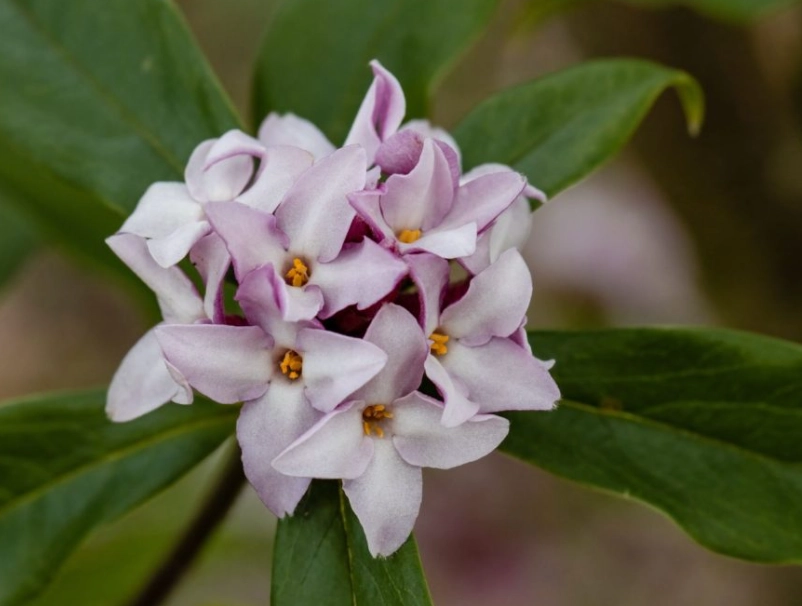
So why the bad reputation? Daphnes have a few biological quirks that make them sensitive.
First, their root systems are coarse and sparse. They don't have a dense, fibrous network to quickly recover from damage or drought. Think of it as having only a few main arteries instead of thousands of capillaries. This makes them hate being transplanted and extremely vulnerable to root rot.
Second, they are calcifuges. This is the big one most people miss. They absolutely despise alkaline (high pH) soil. They need a neutral to slightly acidic environment to access nutrients properly. Planting one in typical, lime-rich garden soil is a death sentence, often manifesting as yellowing leaves (chlorosis) that no amount of fertilizer will fix.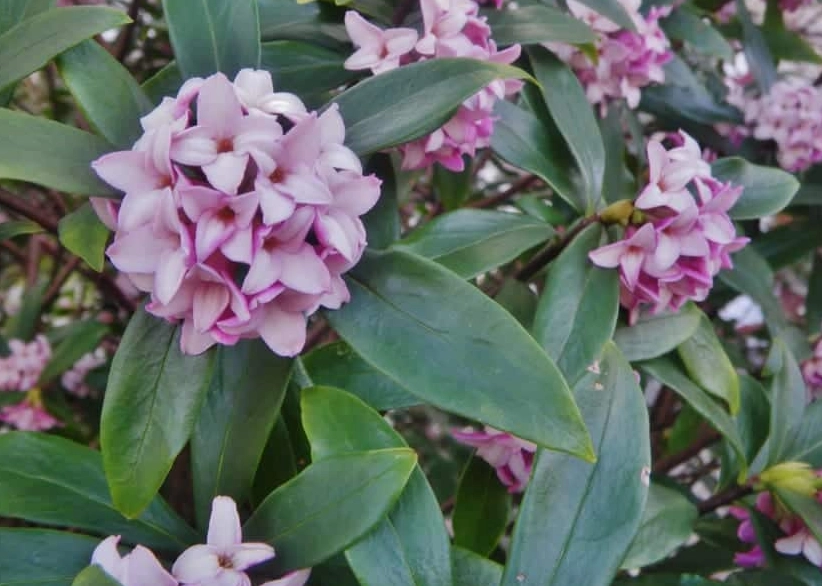
Third, they demand perfect drainage. "Well-drained soil" on a plant tag is a suggestion for most plants. For daphne, it's the law. Waterlogged roots will succumb to fungal rot in no time.
The Non-Negotiable Step-by-Step Planting Guide
Success with daphne is 90% about the planting process. Do this right, and you avoid 90% of the classic problems. Here’s the exact sequence I follow now, learned from hard experience and consulting with nursery specialists.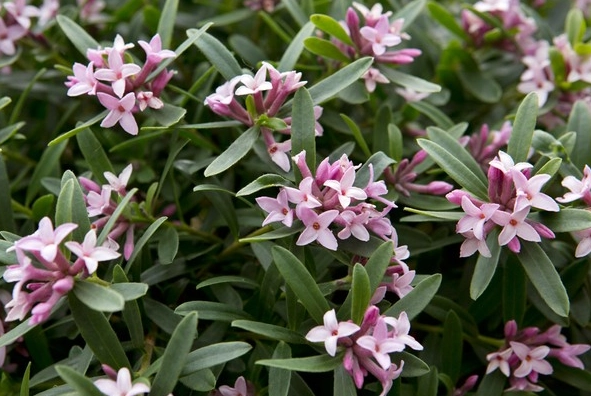
1. Location is Everything (But Not Just for Sun)
Most daphnes prefer dappled shade or morning sun with afternoon shade. Hot, baking afternoon sun will scorch the leaves. But more importantly, choose a spot where you will never, ever have to move it again. A sheltered spot against a north or east-facing wall is ideal. Ensure it has room to reach its mature size without crowding.
2. The Soil Mix: This Is Your Secret Weapon
This is where I failed my first daphne. I just dug a hole and plopped it in. Don't do that. You are building a custom home for its roots.
- Test your native soil's pH. A cheap test kit is fine. If it's above 7.0, you must amend.
- Dig a wide, shallow hole, about twice the width of the root ball but no deeper.
- Create a bespoke planting mix: 1 part native soil, 1 part coarse horticultural sand or grit, 1 part ericaceous (acidic) compost, and a handful of leaf mould. The sand ensures drainage, the ericaceous compost lowers pH, and the leaf mould adds gentle structure.
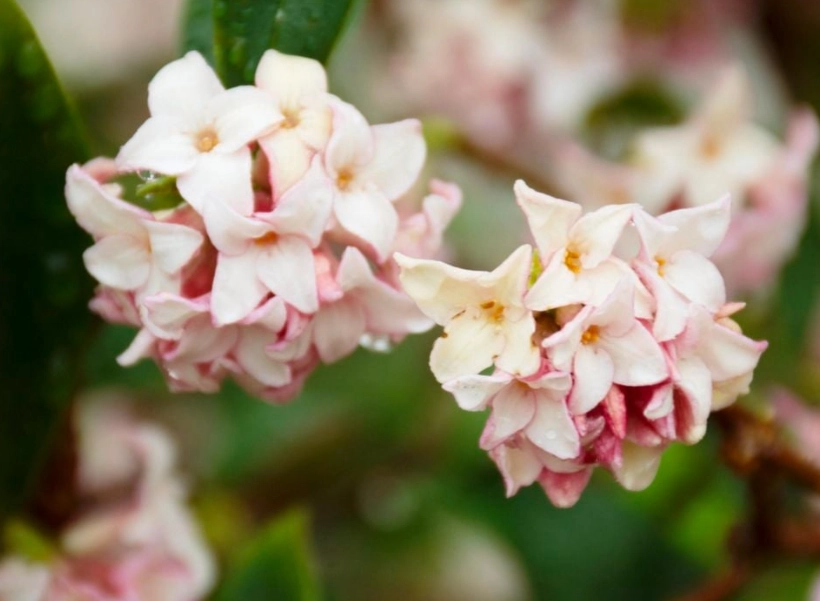
3. The Planting Ritual: Handle With Care
Gently tease out the roots if they're pot-bound, but don't aggressively break them apart. Place the plant so the top of the root ball is slightly above the surrounding soil level (this helps prevent crown rot). Backfill with your custom mix, firming gently. Water in thoroughly to settle the soil.
4. Watering & Feeding: The Delicate Balance
Year 1: Water regularly to keep the soil consistently moist but never soggy. A soaker hose or drip irrigation on a timer is ideal. Letting it dry out completely will shock it; keeping it wet will rot it.
Established Plants: They are surprisingly drought-tolerant once established. Water deeply during prolonged dry spells.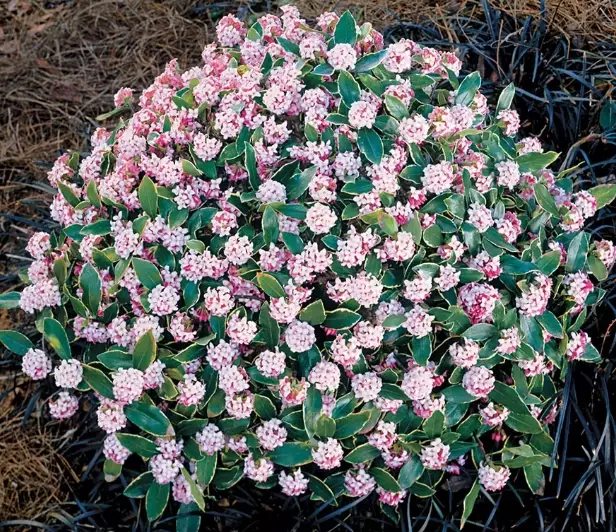
Fertilizer: Less is more. A single, light application of a balanced, slow-release fertilizer in early spring is plenty. I use an organic, acid-loving plant food. Over-fertilizing, especially with high-nitrogen feeds, promotes soft growth that's prone to disease.
My Top Daphne Varieties for Scent and Reliability
Not all daphnes are created equal. Some are marginally more forgiving than others. Here’s a breakdown of the ones I recommend trying, especially for beginners.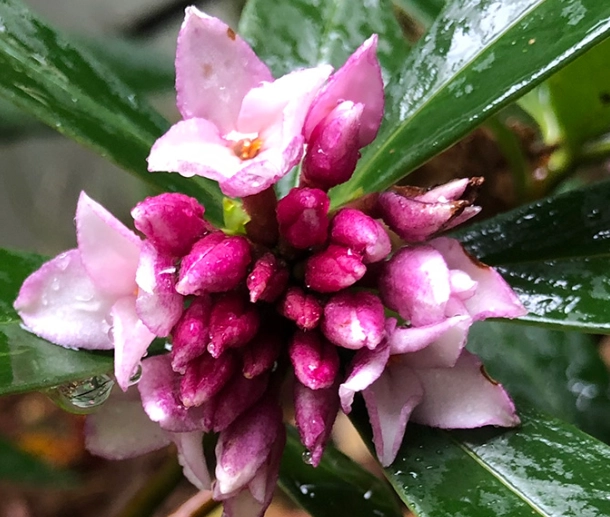
| Variety | Type | Key Features | My Reliability Rating |
|---|---|---|---|
| Daphne x transatlantica 'Eternal Fragrance' | Evergreen/Semi-evergreen | Blooms repeatedly from spring to frost. Less fussy about soil pH. Compact habit (3' x 3'). | ★★★★★ (The best starter daphne) |
| Daphne odora 'Aureomarginata' | Evergreen | The classic. Cream-edged leaves, intense pinkish-white winter/spring flowers. Iconic scent. | ★★★☆☆ (Needs perfect conditions) |
| Daphne bholua 'Jacqueline Postill' | Evergreen | Taller (to 8ft). Stunning pink flowers in winter. Amazing scent. Surprisingly tough once settled. | ★★★★☆ |
| Daphne cneorum (Garland Flower) | Evergreen groundcover | Low-growing, mat-forming. Pink spring flowers. Excellent for rockeries or slopes with sharp drainage. | ★★★★☆ (If drainage is perfect) |
If you ask me to pick just one, I'd push you toward 'Eternal Fragrance'. It doesn't have the prestige of D. odora, but its long bloom time and relative adaptability make it a joy, not a stress. I planted one five years ago in a decently prepared bed, and it's been a fragrant workhorse with zero drama. My D. odora, in a slightly less-than-perfect spot, requires constant vigilance.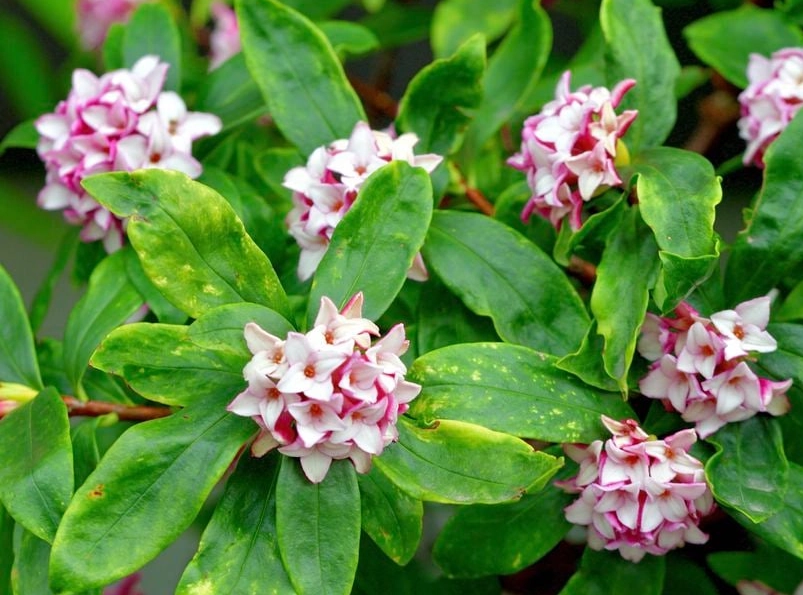
FAQ: Solving Your Daphne Dilemmas
Look, growing a daphne plant successfully is a badge of honor for a gardener. It means you've paid attention to the fundamentals of soil science and plant needs. It's not about having a green thumb; it's about doing your homework before you even pick up the shovel. Start with a forgiving variety like 'Eternal Fragrance', obsess over the drainage and pH of your planting site, and then resist the urge to over-love it with water and fertilizer. Do that, and you'll be rewarded with one of the most sublime sensory experiences a garden can offer.
Reader Comments